Hauser & Wirth Basel
June – 11 July 2026
Widely regarded as one of the most important painters of the 20th Century, German artist Max Beckmann created a singular position in the history of art through a figurative language of extraordinary psychological depth, resisting categorization within expressionism and new objectivity. Ahead of Art Basel 2026, a dedicated exhibition on the artist—curated in close collaboration with his granddaughter, Mayen Beckmann—will open at the Basel gallery this June.
Shaped by a life lived between two World Wars and culminating in his emigration to the United States in 1947, Beckmann’s work bears witness to the psychological intensity and moral fractures of the inter-war period. The exhibition spans the entirety of the artist’s career and brings together his brooding social allegories with luminous landscapes and portraits, revealing a tension between intimacy and the brutality of the 20th Century.
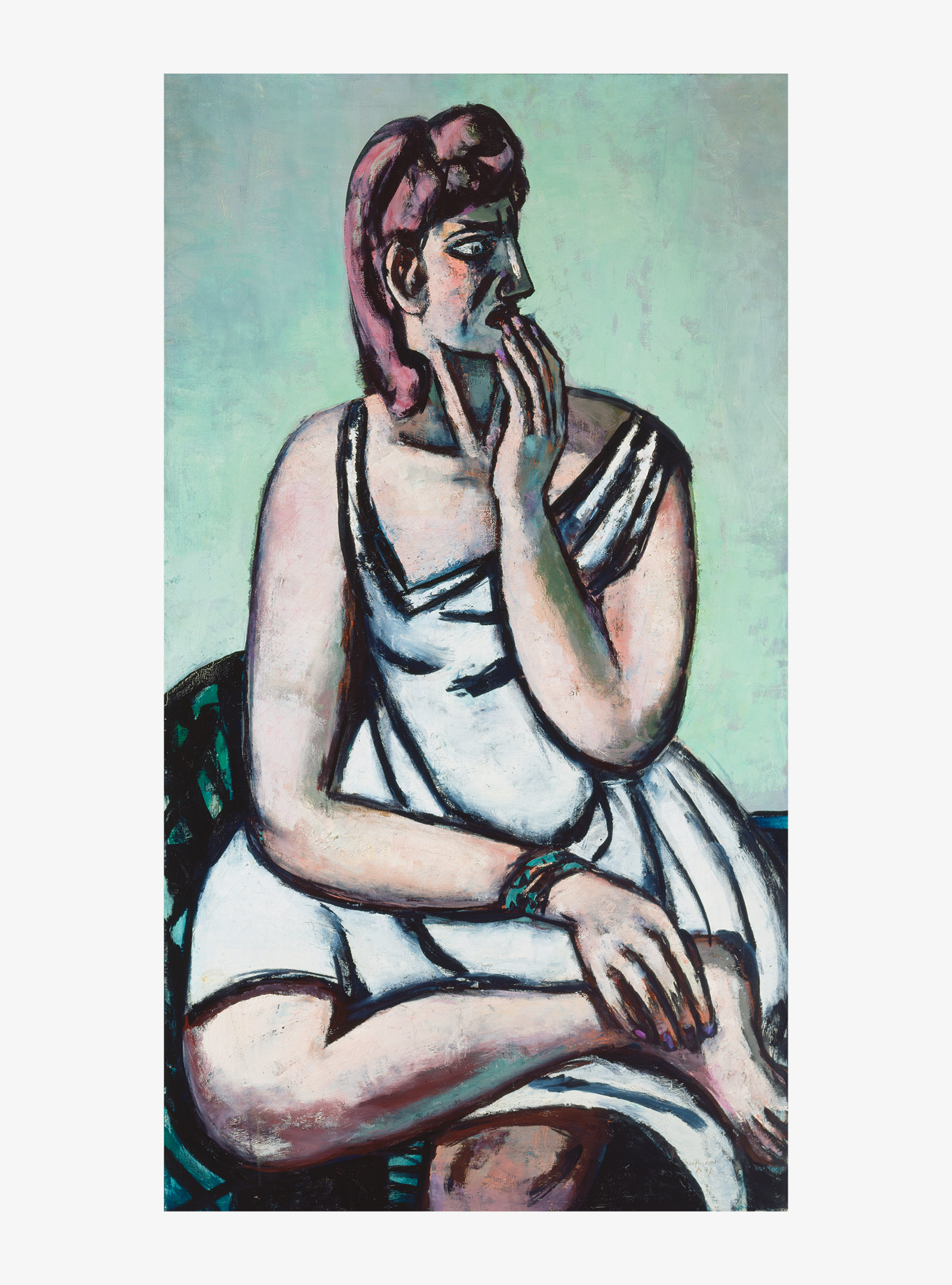
Die Erschrockene (The Frightened Woman)
1947
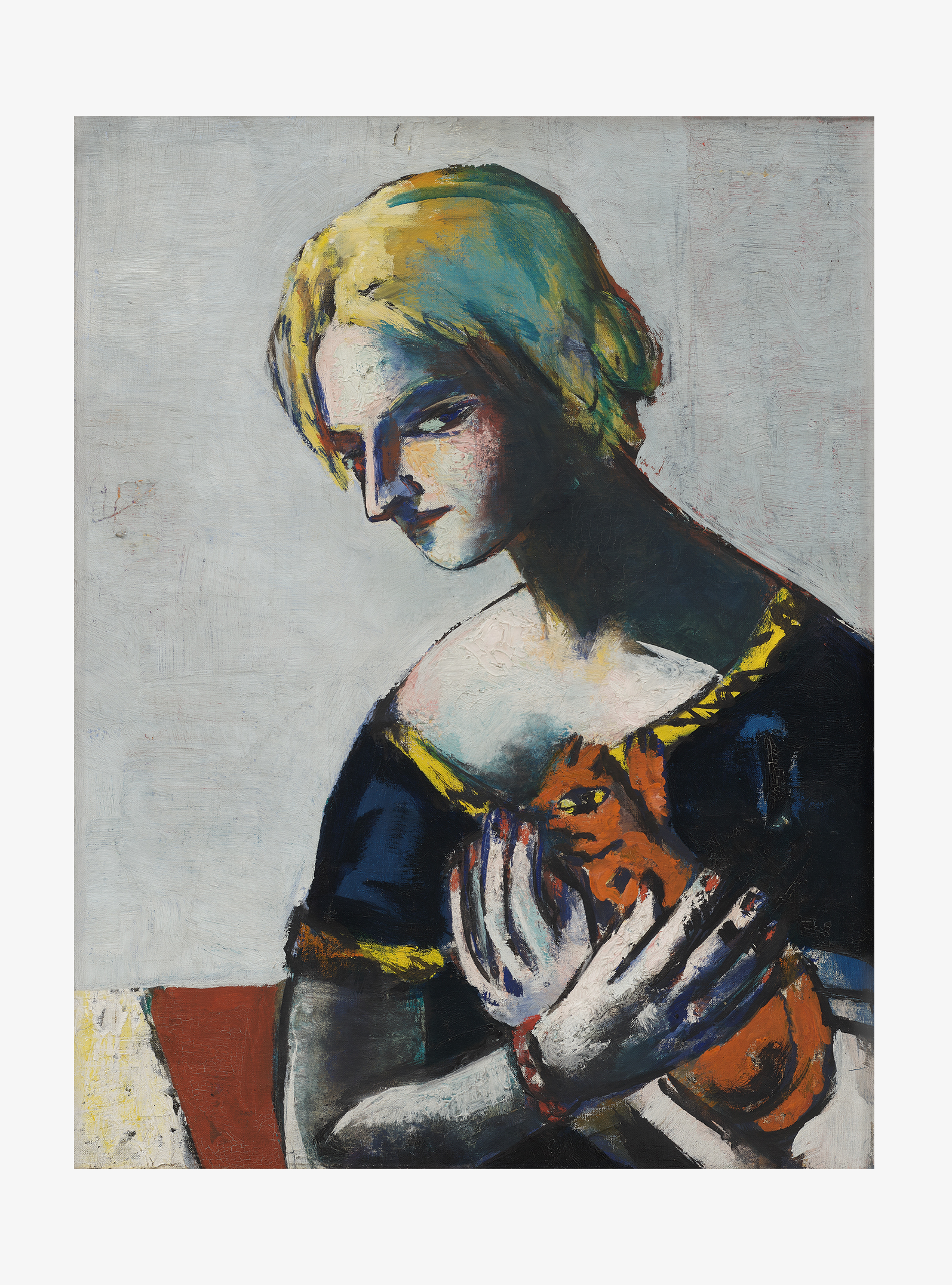
Mädchen mit gelber Katze (auf Grau) (Girl with Yellow Cat (on Gray))
1937
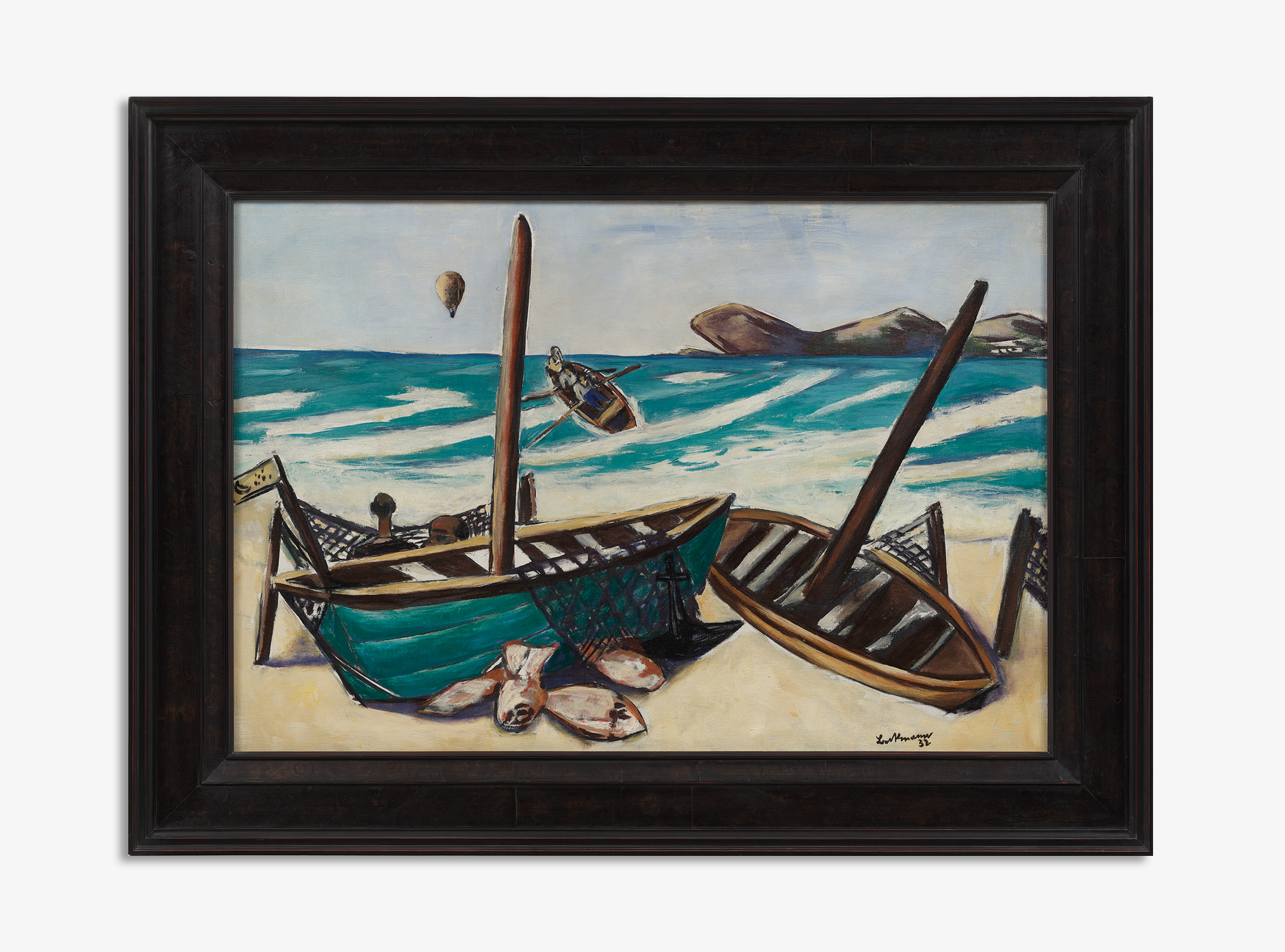
Küstenlandschaft mit Ballon (Seashore with Balloon)
1932
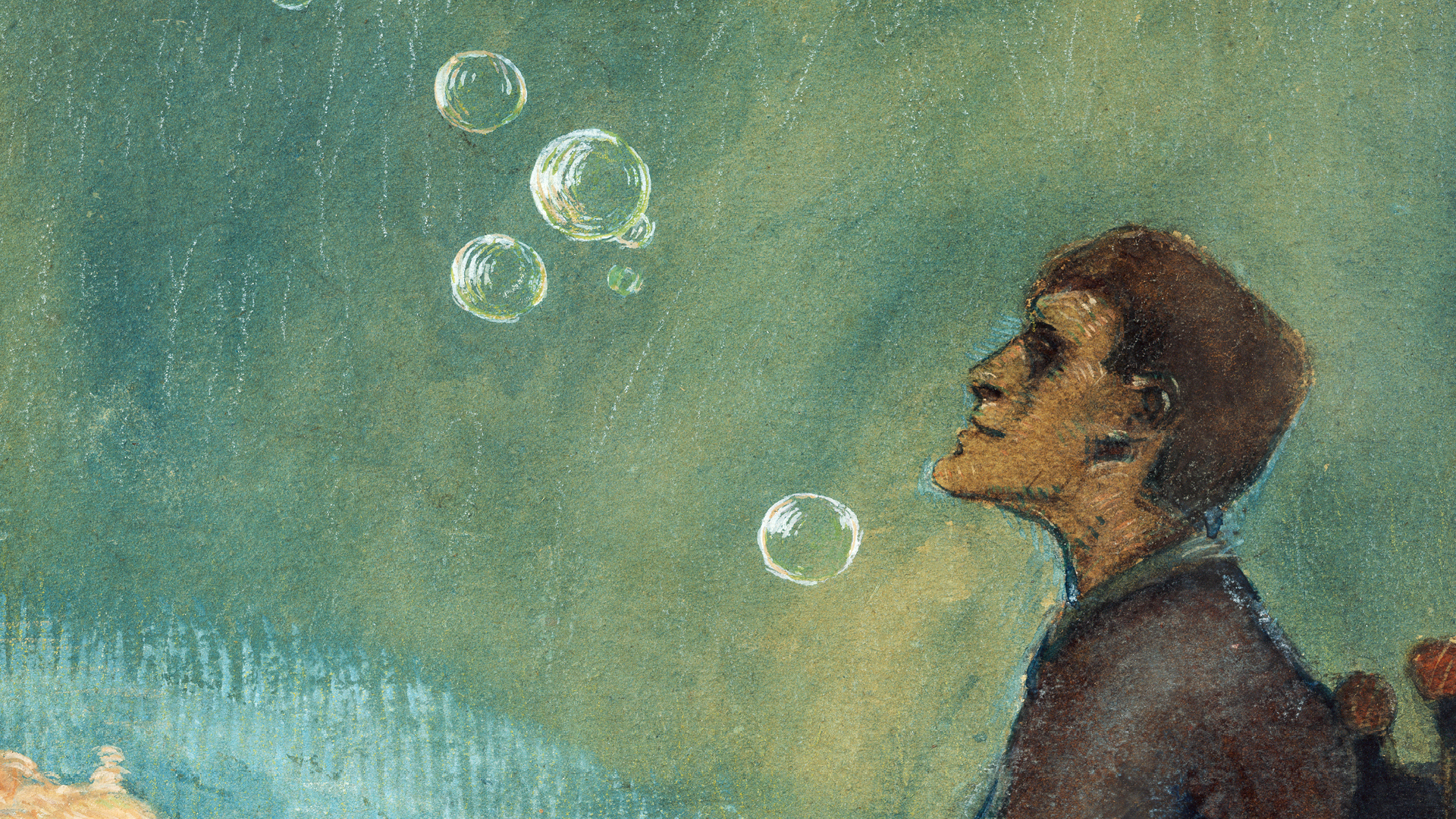
Selbstbildnis mit Seifenblasen (Self-Portrait With Soap Bubbles), c. 1900. Courtesy Private Collection, Germany. Photo: ARTOTHEK
About the Artist
Max Beckmann (1884–1950) was a leading German painter and a fiercely individual modern artist whose work bridged tradition and upheaval. Born in Leipzig, he trained in a conservative academic style but soon rejected its limits, developing a bold visual language of compressed space, strong outlines, and symbolic intensity. The trauma of World War I deeply shaped his vision, leading him to depict tense, often crowded scenes that explore human vulnerability and resilience. Though sometimes linked to New Objectivity, he remained independent, drawing on myth, religion, and personal experience. Forced into exile by the Nazi regime, Beckmann continued to paint powerful works reflecting identity and displacement, creating art that challenges viewers to search for meaning within complexity.