Muscarelle Museum of Art
Sept. 10-Dec. 5, 2027
Creative minds of the Italian Renaissance transformed cities and inspired centuries of design. In fall 2027, visitors to the Muscarelle Museum of Art at William & Mary are invited to explore the creative process behind some of the period’s most celebrated architectural masterpieces. “Leonardo, Michelangelo and Raphael: Designing the Italian Renaissance,” on view Sept. 10-Dec. 5, 2027, will feature nearly 30 original Renaissance drawings alongside paintings, architectural models, monumental facsimiles and reconstructions. The Muscarelle is the sole venue for the exhibition.
The story begins with Filippo Brunelleschi and Leon Battista Alberti in Florence, where Renaissance architecture formed its intellectual foundations. The exhibition offers a rare glimpse into the culture of design and invention that brought the Renaissance to life, including a virtual reconstruction of Brunelleschi’s pioneering design for the Ospedale degli Innocenti, widely considered to be the first Renaissance building. The exhibition traces the trajectory of architectural innovation to Rome, where its grandest expressions culminated in the creation of St. Peter’s Basilica.
A highlight of “Designing the Italian Renaissance” is a half-scale reconstruction, created especially for the exhibition, of the monumental wooden model for the dome of St. Peter’s Basilica, an invaluable record of Michelangelo’s architectural vision. It begun under his direction and was completed and modified after his death.
The Muscarelle initiated the first comprehensive digital survey of the model in collaboration with the Vatican. The unprecedented study includes the documentation of the model during its careful disassembly, allowing its individual components, construction and later interventions to be examined in new detail. The resulting reconstruction offers visitors an opportunity to experience Michelangelo’s design at an impressive scale.
“The study and reconstruction of Michelangelo’s model for ‘Leonardo, Michelangelo and Raphael: Designing the Italian Renaissance’ is providing fresh perspectives on one of the most celebrated architectural achievements of all time,” said exhibition curator Adriano Marinazzo. “St. Peter’s dome inspired generations of architects, with elements of its form echoed in countless churches, capitol buildings and civic monuments throughout the world, including many landmarks in the United States.”
Emphasizing drawing as a powerful tool for invention, the exhibition will also demonstrate how Leonardo, Michelangelo, Raphael and their contemporaries used drawing to experiment, solve problems and bring new architectural visions to life. Visitors will see rare architectural drawings by Leonardo from the Louvre; Raphael’s drawings from the Uffizi Galleries; and a substantial group of drawings by Michelangelo from Casa Buonarroti. Two monumental, full-scale facsimiles of Raphael’s cartoons for the Sistine Chapel tapestries, whose originals are on loan from the Royal Collection to the Victoria and Albert Museum in London, will further bring the scale and ambition of Renaissance design to life. The exhibition also features important works by artists and architects who worked alongside or in the same orbit as these masters, revealing the broader culture that shaped Renaissance Italy.
As part of the Museum’s long-standing collaboration with Casa Buonarroti in Florence, the Muscarelle is supporting the restoration of two important early 17th-century paintings. The large scale works by Jacopo da Empoli and Domenico Passignano depict scenes of Michelangelo presenting his designs to the pope, bringing his architectural achievements vividly to life. “Designing the Italian Renaissance” will mark the paintings’ first public viewing following the restoration.
“The Muscarelle Museum of Art has a proud history of bringing major Renaissance works to our audiences. ‘Designing the Italian Renaissance’ builds on that legacy by pairing some of history's most renowned artists and architects with new scholarship. Visitors will gain a much deeper appreciation for the innovation and ingenuity of the era, while encountering lesser-known works that offer new perspectives on long-standing debates in architectural history,” said David Brashear, director at the Muscarelle Museum of Art.
New research presented in “Designing the Italian Renaissance” will include a study of a remarkable architectural drawing from the Uffizi Galleries that has been largely overlooked by scholars. Long attributed to Raphael, the drawing has never featured prominently in discussions of the artist’s architectural work. New research conducted by Marinazzo takes a fresh look at the drawing sheet, proposing that its principal architectural conception can be assigned to Raphael and suggesting that the figurative elements are likely by other hands. Presented in an exhibition for the first time, the drawing offers a compelling perspective on Raphael’s architectural practice and the collaborative nature of his workshop.
The exhibition also revisits longstanding questions surrounding the design of the 15th-century Pitti Palace and the roles of Brunelleschi and Alberti. An architectural drawing from the Uffizi Galleries, never before exhibited, documents the palace’s original seven-bay façade. Together with historical evidence, scientific investigations and digital reconstructions developed over years of research, the drawing offers new perspectives on the building’s early history, a subject that has received limited attention in English-language scholarship.
A fully illustrated catalogue of the same name will accompany the exhibition’s September 2027 opening. The approximately 250-page book brings together essays and catalogue entries by specialists and contributors connected with institutions including the Vatican and the Uffizi Galleries. The publication will also feature original virtual reconstructions developed as part of the research for the exhibition, offering new ways to visualize Renaissance buildings, design processes and architectural hypotheses that drawings alone cannot fully convey.
“Leonardo, Michelangelo and Raphael: Designing the Italian Renaissance” is organized by the Muscarelle Museum of Art. The exhibition is curated by Adriano Marinazzo. Marinazzo is a scholar specializing in Michelangelo and Italian Renaissance art and architecture. He serves as curator of architecture, photography and European art at the Muscarelle and has extensive experience organizing major exhibitions in cooperation with leading international museums and cultural institutions. He also teaches Renaissance art, architecture and digital design at William & Mary.
###
About the Muscarelle Museum of Art
The Muscarelle Museum of Art is located on the historic campus of William & Mary. Its permanent collection of nearly 8,000 objects is one of the oldest campus-based collections of art in the U.S. The Museum serves as a working laboratory for the university, collaborating with faculty and staff in interdisciplinary ways and engaging students through internships, research and study, as well as a dynamic resource for the wider community. Through exhibitions, educational programming and community engagement, the Museum aims to serve as a catalyst for art exploration on campus and beyond.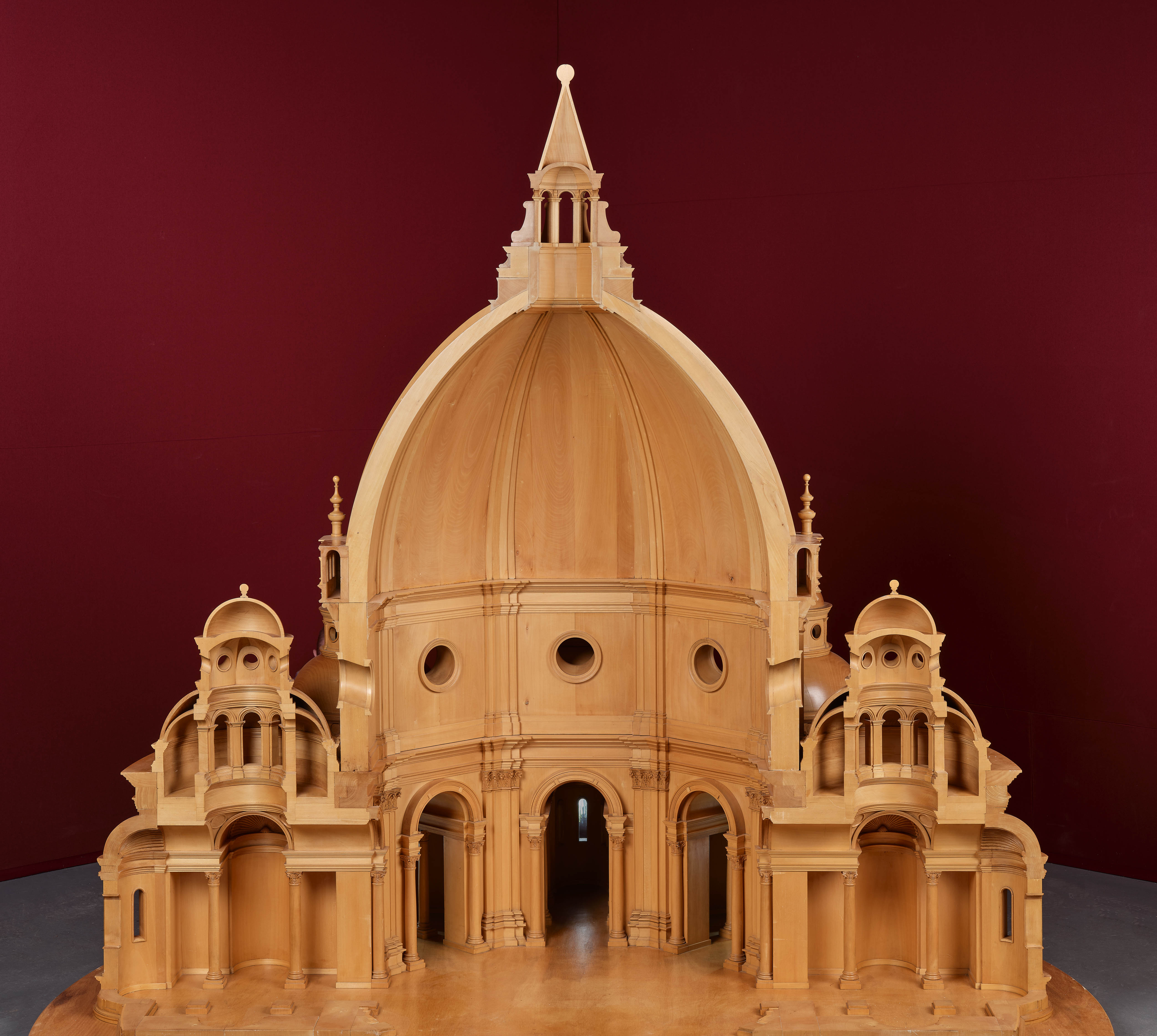
After Leonardo da Vinci, “Model of a Centrally Planned Church,” 1987. Opera Laboratori, Florence.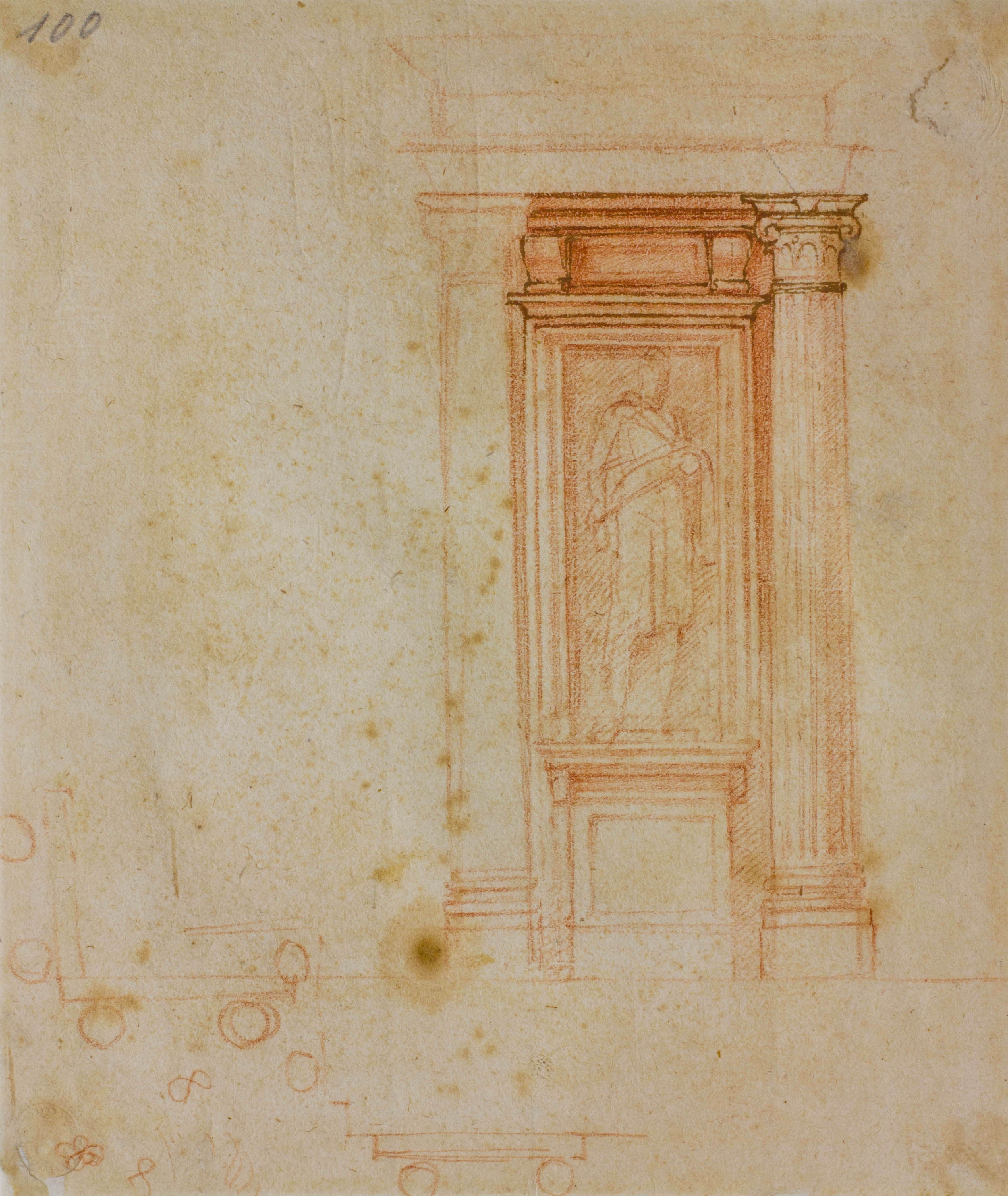
Michelangelo, “Study for the Façade of San Lorenzo,” c. 1517. Casa Buonarroti, Florence.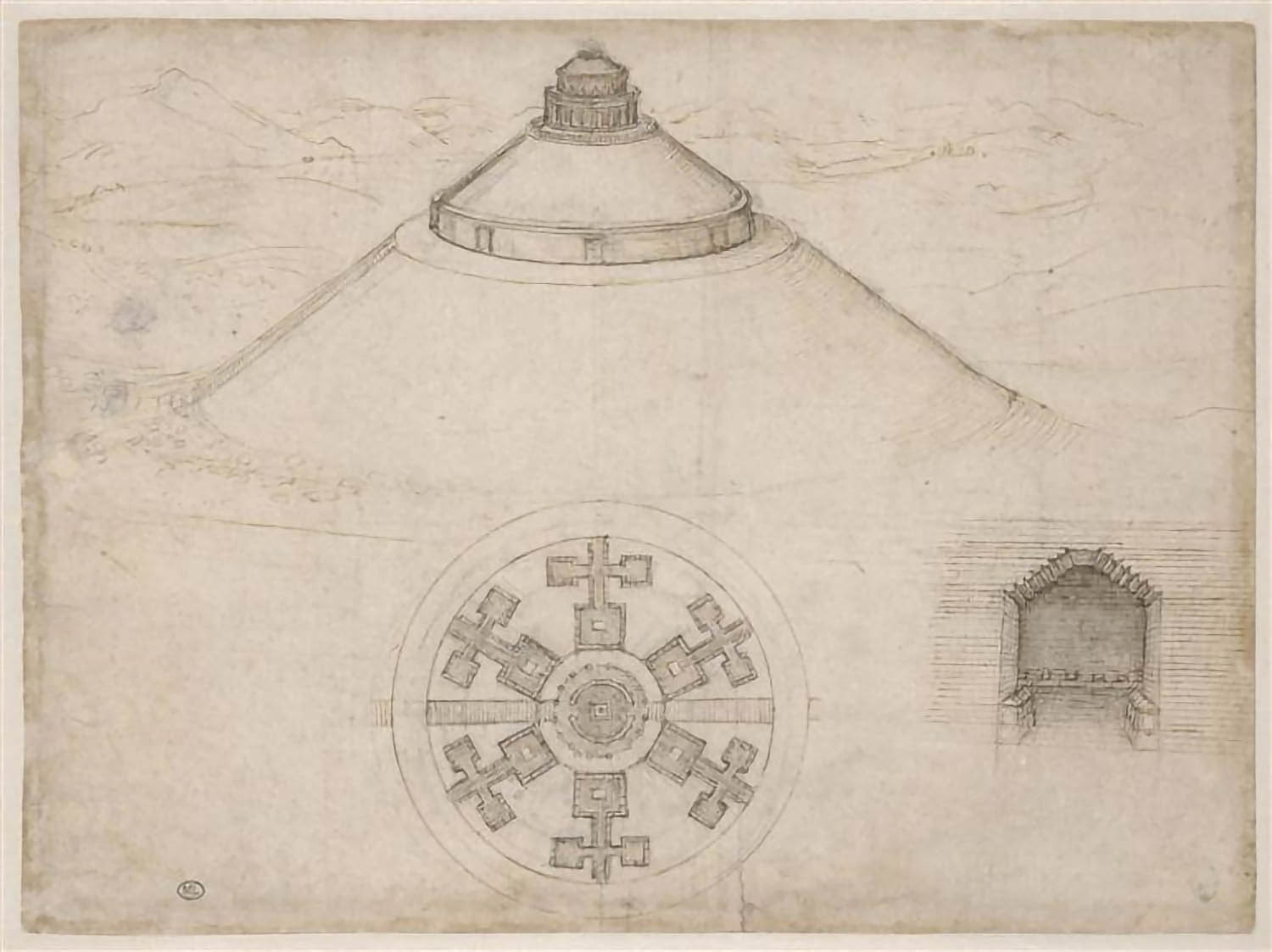
Leonardo da Vinci, “Central-Plan Tomb,” c. 1508. Musée du Louvre, Paris.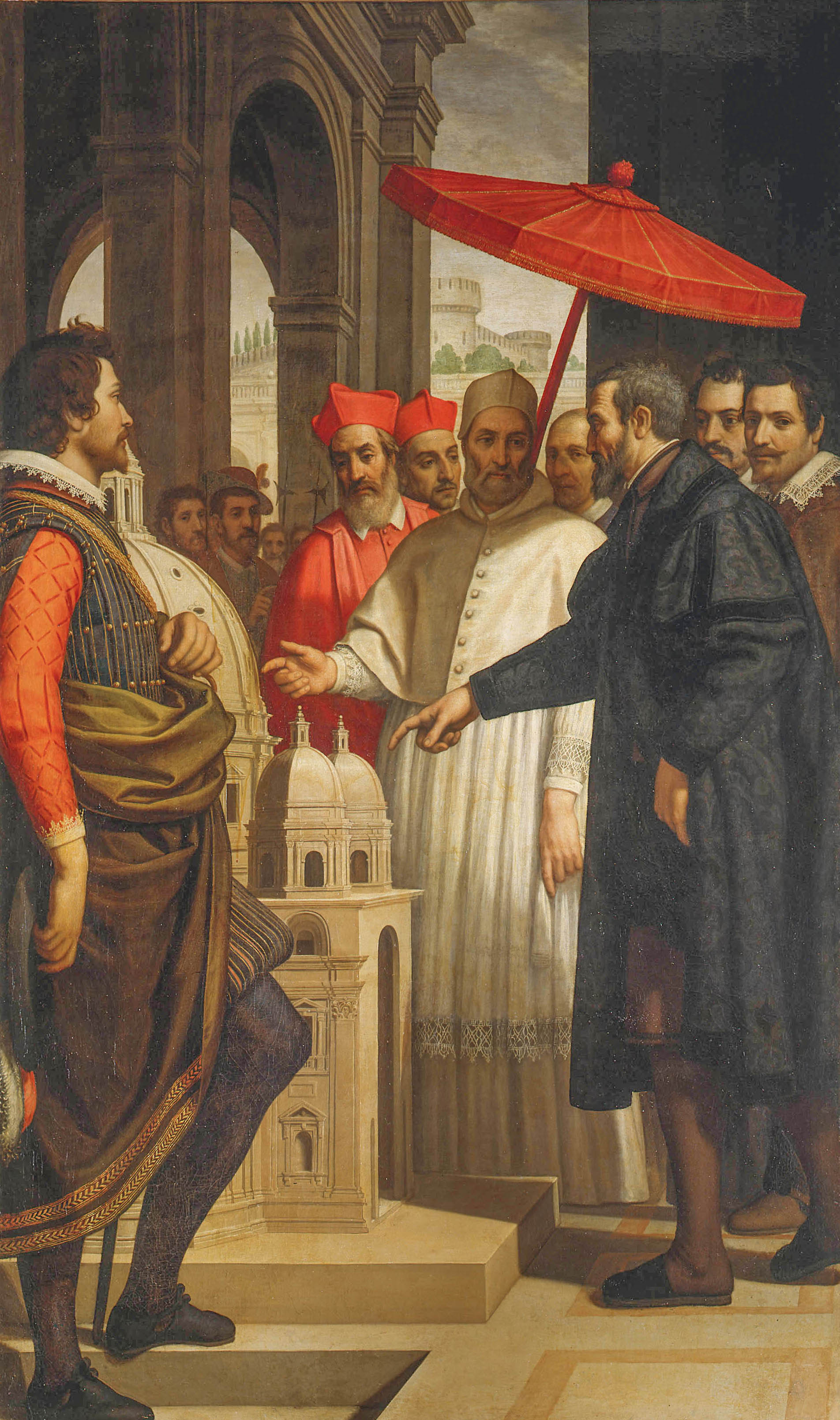
Domenico Passignano, “Michelangelo Presenting the Model for St. Peter’s Basilica to the Pope,” 1618–1619. Casa Buonarroti, Florence.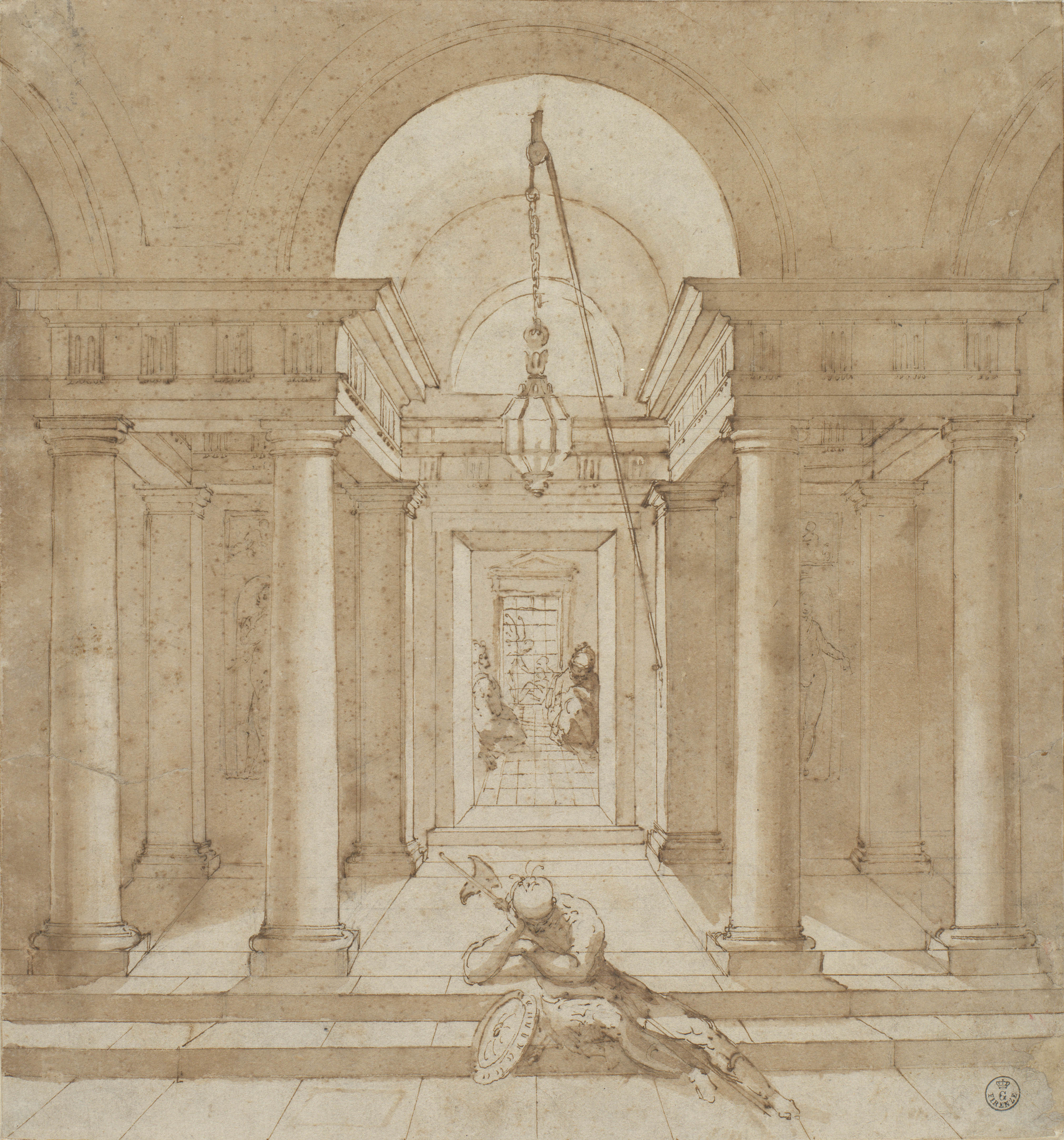
Raphael and Workshop, “Perspective View of a Vestibule with the Liberation of St. Peter,” c. 1513–1514. Gallerie degli Uffizi, Florence.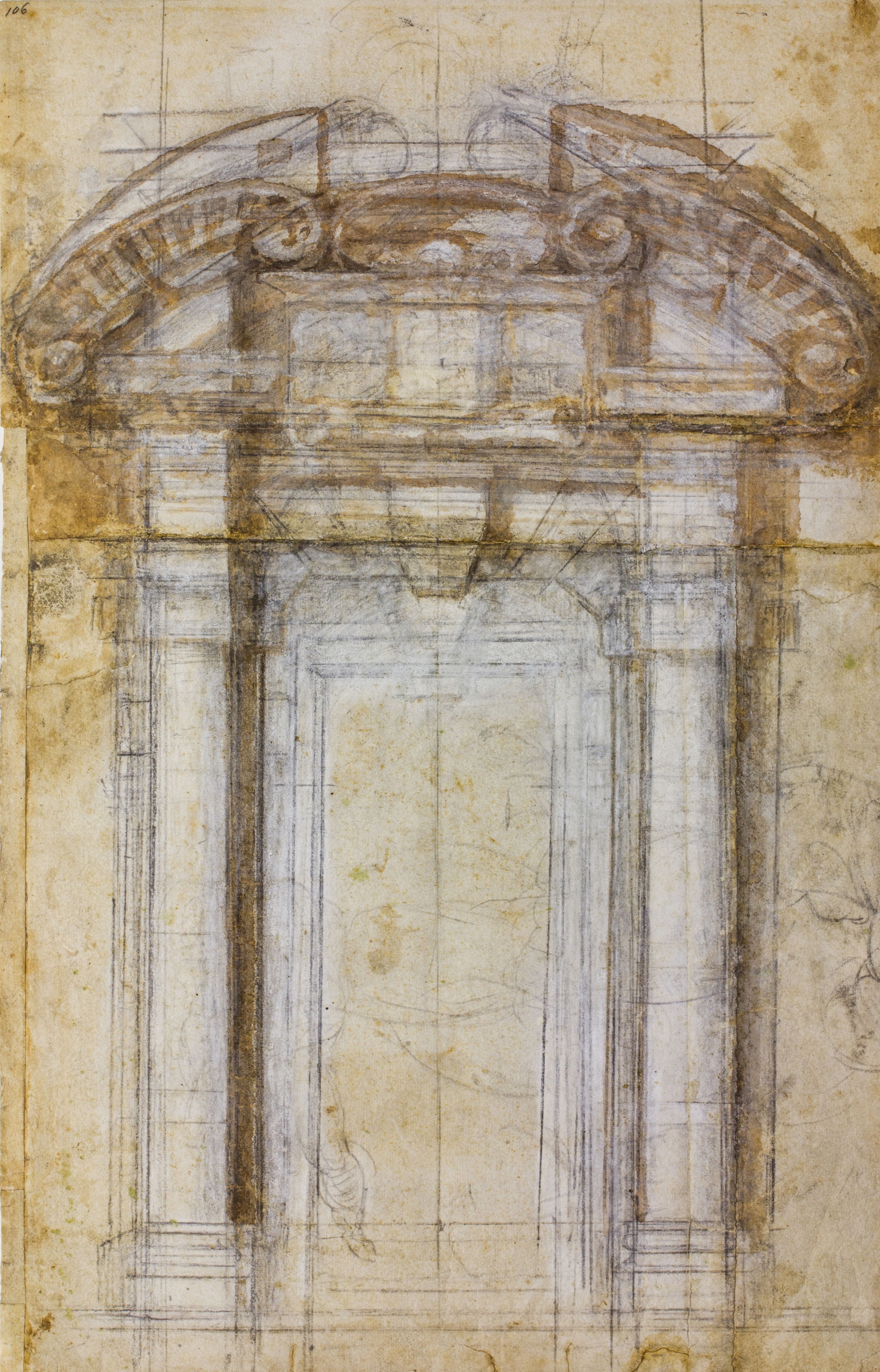
Michelangelo, “Study for Porta Pia in Rome,” 1560–1561. Casa Buonarroti, Florence.