Wednesday, July 13, 2016

The Cleveland Museum of Art Centennial Loans: Kahlo, Lichtenstein, Kandinsky, Sargent


In celebration of its 2016 centennial, the Cleveland Museum of Art (CMA) is marking its anniversary with a series of exceptional loans from select collections around the world. Some are directly related to works in the museum’s permanent holdings; others highlight an artist or object not currently represented in the collection. This year-long program includes masterworks from such eminent museums as The Art Institute of Chicago, the Museum of Fine Arts, Boston and the Museum of Modern Art, New York. More than a dozen works of art spanning five hundred years and representing cultures from four continents will be featured. 

This month, the museum announces the addition of seven generous loans to be installed in its galleries beginning now through September 3. Among these masterworks is Fulang-Chang and I, by
Frida Kahlo. The enigmatic self-portrait will be displayed side by side with a mirror in a matching frame that Kahlo intended would always be hung alongside the painting. These works invite dynamic juxtapositions and dialogues with objects from the CMA’s permanent collection, and will provide the opportunity for visitors to rediscover its renowned holdings, which constitute the core of the institution’s identity and global reputation.

Kahlo


Fulang-Chang and I, 1937 (assembled after 1939). Frida Kahlo (Mexican, 1907–1954). In two parts, oil on composition board (1937) with painted mirror frame (after 1939); framed painting: 56.5 x 44.1 x 4.4 cm; framed mirror: 64.1 x 48.3 x 4.4 cm. The Museum of Modern Art, New York, Mary Sklar Bequest, 277.1987.a-b. Image courtesy of the Cleveland Museum of Art. Photo: David Brichford. © The Museum of Modern Art/Licensed by SCALA/Art Resource, New York. © 2016 Banco de México Diego Rivera Frida Kahlo Museums Trust, Mexico, D.F. / Artists Rights Society (ARS), New York. 
Renowned for her self-portraits, Mexican painter Frida Kahlo produced more than 50 such works in an oeuvre of nearly 150 paintings, each offering intimate insights into her complex life. Museum visitors have a unique opportunity to commune with Kahlo as her enigmatic 1937 self-portrait Fulang-Chang and I is displayed together with the hand-decorated frame and mirror she created as its permanent companion. In this painting, Kahlo assumed her typical pose by turning her face roughly three-quarters to reveal one of her ears. Surrounded by lush, sage-colored jungle foliage, Kahlo’s pet spider monkey, widely interpreted as a surrogate for the children she was unable to bear with her husband, Diego Rivera, nuzzles near her chest, his glassy black eyes appearing to mimic the artist’s intent, searching gaze. This painting was featured in Kahlo’s first exhibition in the United States in 1938, held at Julien Levy Gallery, New York in 1938.


 Little Big Painting, 1965. Roy Lichtenstein (American, 1923–1997). Oil and acrylic on canvas; 172.7 × 203.2 cm. Whitney Museum of American Art, New York; purchase, with funds from the Friends of the Whitney Museum of American Art, 66.2. © Estate of Roy Lichtenstein. Digital Image © Whitney Museum, New York. 
As a key member of Pop Art, the groundbreaking 1960s movement focused on popular culture and mass media, Roy Lichtenstein often emulated the Benday dots of printing processes used for newspapers and comic books, a signature style that is instantly recognizable. Lichtenstein’s work often repeats, mimics, takes apart and reinterprets well-known artworks by a wide range of artists including Pablo Picasso, Henri Matisse, Gilbert Stuart, Morris Louis, Piet Mondrian and Willem de Kooning. In 1965, Lichtenstein debuted a new series of paintings called Brushstroke. In Little Big Painting, the most iconic of the Brushstroke series, Lichtenstein cleverly challenges Abstract Expressionism, mimicking the wild and free-form gestures of the 1950s art movement in a hypermechanical way. Ironically, there isn’t a brushstroke in sight. An essential critique of American culture and a significant achievement in itself, Little Big Painting reflects the importance of innovation.


Portrait of Emy, 1919. Karl Schmidt-Rottluff (German, 1884–1976). Oil on canvas; 71.9 x 65.4 cm. North Carolina Museum of Art, Bequest of W. R. Valentiner. © 2016 Artists Rights Society (ARS), New York / VG Bild-Kunst, Bonn.

Portrait of Emy is one of two powerful companion portraits painted in 1919 by German Expressionist painter Karl Schmidt-Rottluff. One portrait depicts the artist’s new bride, Emy Frisch, while the other depicts himself. Nearly identical in size and format, Portrait of Emy and Self-Portrait with Hat, gifted to the Cleveland Museum of Art by the eminent art historian and key figure in the historical development of American museums W. R. Valentiner, feature explosive colors and radically abstracted forms. Schmidt-Rottluff’s intimate knowledge of Cubism, African sculpture and Fauvist color techniques surfaces powerfully in each portrait. Angular and geometric, each composition has saturated, unrestrained hues that attest to the artist’s direct and profoundly impassioned reaction to his subjects. In both portraits, Schmidt-Rottluff accentuated the asymmetrical treatment of the eyes, with emphasis on one enlarged pupil that stares hypnotically at the viewer, an exaggeration that references not only the direct transference of spiritual power between the figure and viewer, but also the importance of sight and visionary experience.

Kandinsky

Improvisation No. 30 (Cannons), 1913. Vasily Kandinsky (French, born Russia, 1866–1944). Oil on canvas; 111 x 111.3 cm. The Art Institute of Chicago, Arthur Jerome Eddy Memorial Collection, 1931.511. © 2016 Artists Rights Society (ARS), New York. 

One of thirty-six works titled Improvisation completed between 1911 and 1914, Cannons of 1913 remains one of Russian artist Wassily Kandinsky’s most influential contributions to modern art. In a 1913 letter to Chicago lawyer Arthur Jerome Eddy, Kandinsky remarked that the presence of cannons in the painting “could probably be explained by the constant war talk that has been going on throughout the year.” He further noted that “the designation of ‘Cannons’ selected by me for my own use, is not to be conceived as indicating the ‘contents’ of the picture.” This contradiction signals the artist’s continuously evolving approach to removing recognizable imagery from his paintings. As part of his quest to create purely abstract or nonobjective works, Kandinsky proposed that harmonious colors and forms could express transcendent, otherworldly sentiments instead of mere surface appearances.

Sears

Portrait of Helen Sears, 1895. John Singer Sargent (American, 1856–1925). Oil on canvas: 167.s x 91.4 cm. Courtesy of the Museum of Fine Arts, Boston, Gift of Mrs. J. D. Cameron Bradley, 55.1116. Photograph © 2016 Museum of Fine Arts, Boston.

Regarded as one of the most gifted portraitists in American art, Sargent is admired for his incisive characterizations and bravura technique. Both are pronounced in Portrait of Helen Sears, an image of the six-year-old daughter of a wealthy Boston couple. Here, the young girl is immersed in wistful reflection, lost in private thoughts and emotions seemingly inaccessible to those around her. Sears’s brightly lit hair, face and dress are rendered in vivacious brushwork, an exuberant application matched in accompanying hydrangea blossoms. Sargent’s flair for the theatrical is perhaps unmatched in this portrait, one of his most successful creations.

Venetian painting of the Italian Renaissance


The National Art Center, Tokyo 
July 13 – October 10 2016

To celebrate the 150th anniversary of diplomatic relations between Italy and Japan, an exhibition of works from the Gallerie dell’Accademia will be held in Japan for the first time. The exhibition’s theme‐Venetian painting of the Italian Renaissance. While artists in Florence, the birthplace of the Renaissance, took as their principle the careful application of colors in a well-ordered composition on the basis of a clear design, the artists of Venice preferred rich coloring in bold, dramatic compositions and explored ways to directly communicate feeling and emotion. 

This exhibition will survey Venetian painting from the 15th to early 17th century through some 60 of the Gallerie dell’Accademia’s most important works. Arriving in Japan will be a dazzling array of masterpieces by painters ranging from Giovanni Bellini to Carlo Crivelli, Vittore Carpaccio, Tiziano Vecellio, Jacopo Tintoretto, and Paolo Veronese. Of special note will be The Annunciation (Church of San Salvador, Venice), a late-period altarpiece of large scale by Tiziano, the great master of the Venetian High Renaissance. An exhibition thus focused on Venetian paintings of the Renaissance period has almost no precedent in Japan. It will be a precious opportunity to marvel at paintings that counted among the splendors of Renaissance Venice, City of Water. 

Section 1: Early Renaissance in Venice: Painters of the 15th Century

Giovanni Bellini
The Virgin and Child (The Madonna of the Red Cherubs)
1485-90, 77 × 60 cm
Antonio de Saliba
The Virgin Annunciate
c. 1480-90, 47 × 34 cm
Carlo Crivelli
St. Sebastian
1480-90, 70 × 33 cm
Vittore Carpaccio
The Visitation
1504-08, 128 × 137 cm
Venice, Galleria Giorgio Franchetti alla Ca’ d’Oro

Section 2: Golden Age: Titian and His Followers

Andrea Previtali
The Nativity
1515-25, 133 × 215 cm
Tiziano Vecellio
The Annunciation
c. 1563-65, 410 × 240 cm
Venice, Church of San Salvador
Tiziano Vecellio
The Virgin and Child (The Madonna Albertini)
c. 1560, 124 × 96 cm
Paris Bordon
Sleeping Venus and Cupid
c. 1540-50, 86 × 137 cm
Venice, Galleria Giorgio Franchetti alla Ca’ d’Oro
Bonifacio Veronese
God the Father above the Piazza San Marco (from the Annunciation triptych)
1543-53, 165 × 130 cm

Section 3: Protagonists of the Later 16th Century: Tintoretto, Veronese and Bassano

Jacopo Tintoretto
The Assumption of the Virgin
c. 1550, 240 × 136 cm
‘Haeredes pauli’ (Heirs of Paolo Veronese)
The Adoration of the Shepherds
1592-94, 235 × 137 cm
Paolo Veronese
The Allegory of the Battle of Lepanto
c. 1572-73, 169 × 137 cm
Jacopo Bassano
St. Jerome in Penitence and the Virgin and Child Appearing in Glory
1569, 222 × 162 cm
Jacopo Bassano and Workshop
The Animals Entering Noah’s Ark
c. 1580-90, 133 × 119 cm

Section 4: Last Phase of the Renaissance: Heirs of the Great Masters

Palma il Giovane
Madonna and Child in Glory with Sts. Dominic, Hyacinth, Francis
c. 1595, 309 × 180 cm
Padovanino
Orpheus and Eurydice
c. 1620, 164 × 119 cm

Section 5: Venetian Renaissance Portraiture

Cariani
Portrait of a Man
1510-20, 70 × 55 cm
Bernardino Licinio
Portrait of a woman with “the Balzo”
c. 1530-40, 48 × 46 cm
Jacopo Tintoretto
Portrait of Procuratore Jacopo Soranzo
c. 1550, 106 × 90 cm

Tuesday, July 12, 2016

Botero: Celebrate Life!


July 2, 2016 – Sept. 11, 2016 


This summer Kunsthal Rotterdam is proud to present a large-scale retrospective of the world-famous Colombian artist Fernando Botero (1932). This selection from Botero’s own collection provides a panorama of the artist’s personal favourites from his considerable oeuvre. ‘Botero: Celebrate Life!’ will exhibit almost a hundred paintings, sketches and pastels as well as a few sculptures, including the enormous eye-catcher ‘Caballo’, Botero’s famous sculpture of a horse.


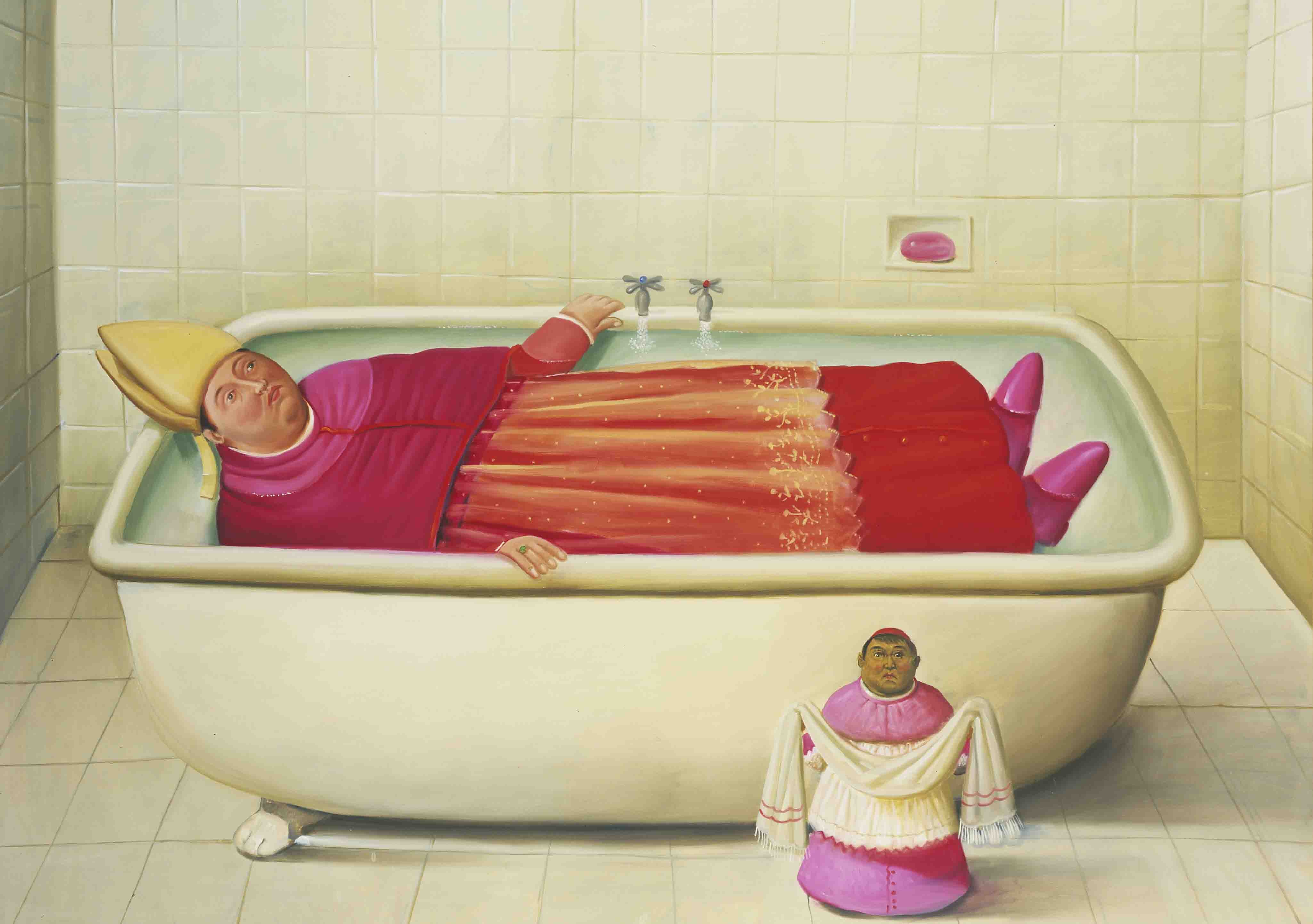
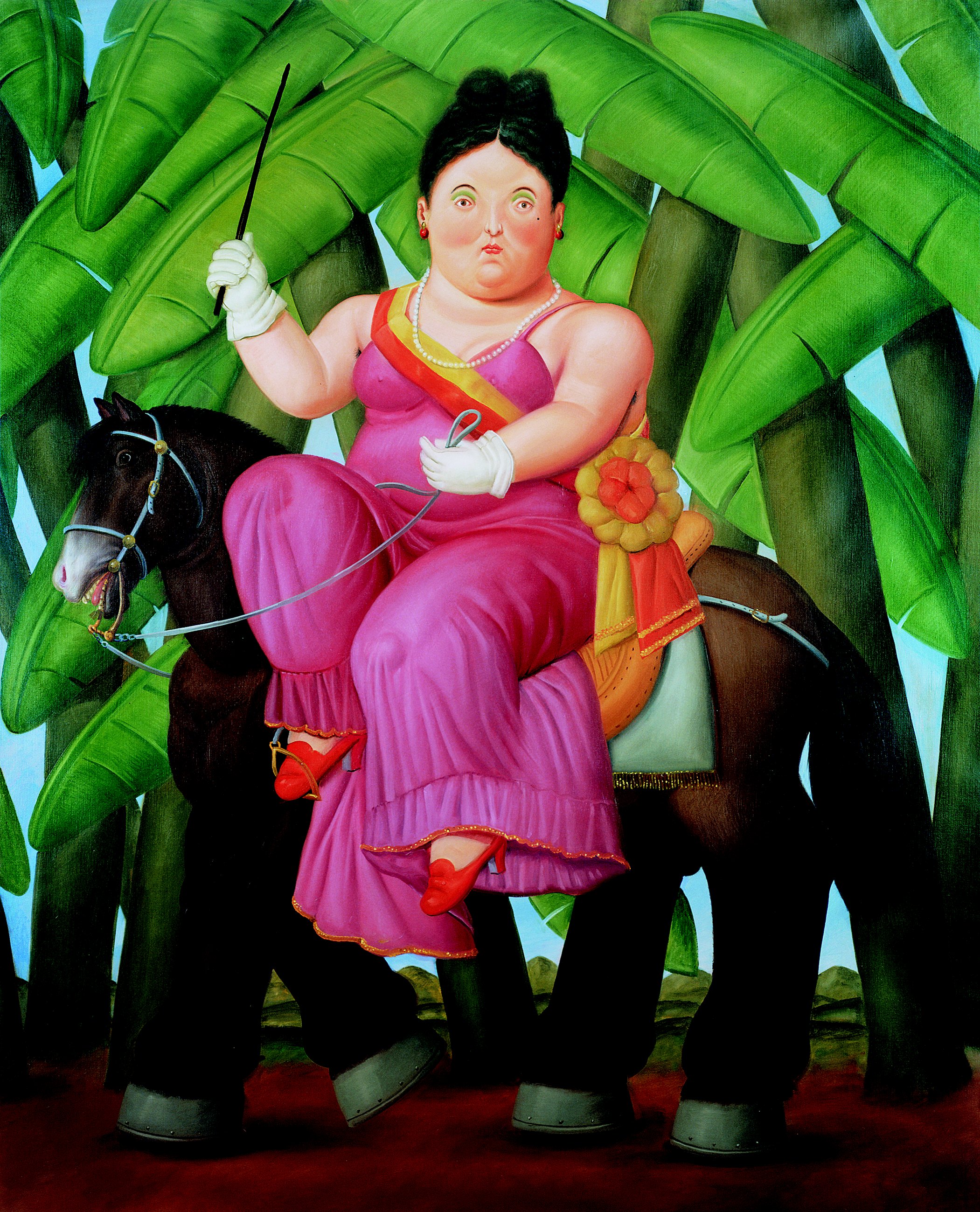
Visitors will be able to see paintings of life in Latin America based on reminiscences from his youth, and reproductions of classical masters in the recognisable Botero style. The bull-fight and the circus are also featured in these works. Botero’s art is full of Latin American life. The gigantic, inflated bodies and objects appear weightless in spite of their volume, which sometimes even seems to make them look as if they are floating. This volume is a recurrent feature in Botero’s work and gives his art an exuberance that can be comical or moving. The series of female Santas, inspired by the iconic images of female saints, is remarkable. Botero represents them as worldly heroines with meaningful accessories such as a bible or candle, putting their halo in sharp contrast with their clothing and posture.

Latin American life

'Botero: Celebrate Life!' shows how Fernando Botero creates a magical world full of characters and scenes from daily life, of which politics and religion form an important part. Although his work appears at first sight to be airy and light-hearted, the violent history of his native country Colombia can be felt. His origin and background have influenced Botero profoundly, which finds expression directly in his works of the president, executions and weeping widows, and indirectly in his paintings of people partying, dancing with expressionless faces under the light of naked light bulbs.


005.jpg
The Vatican Bathroom, 2006, Fernando Botero

Homage to the Old Masters

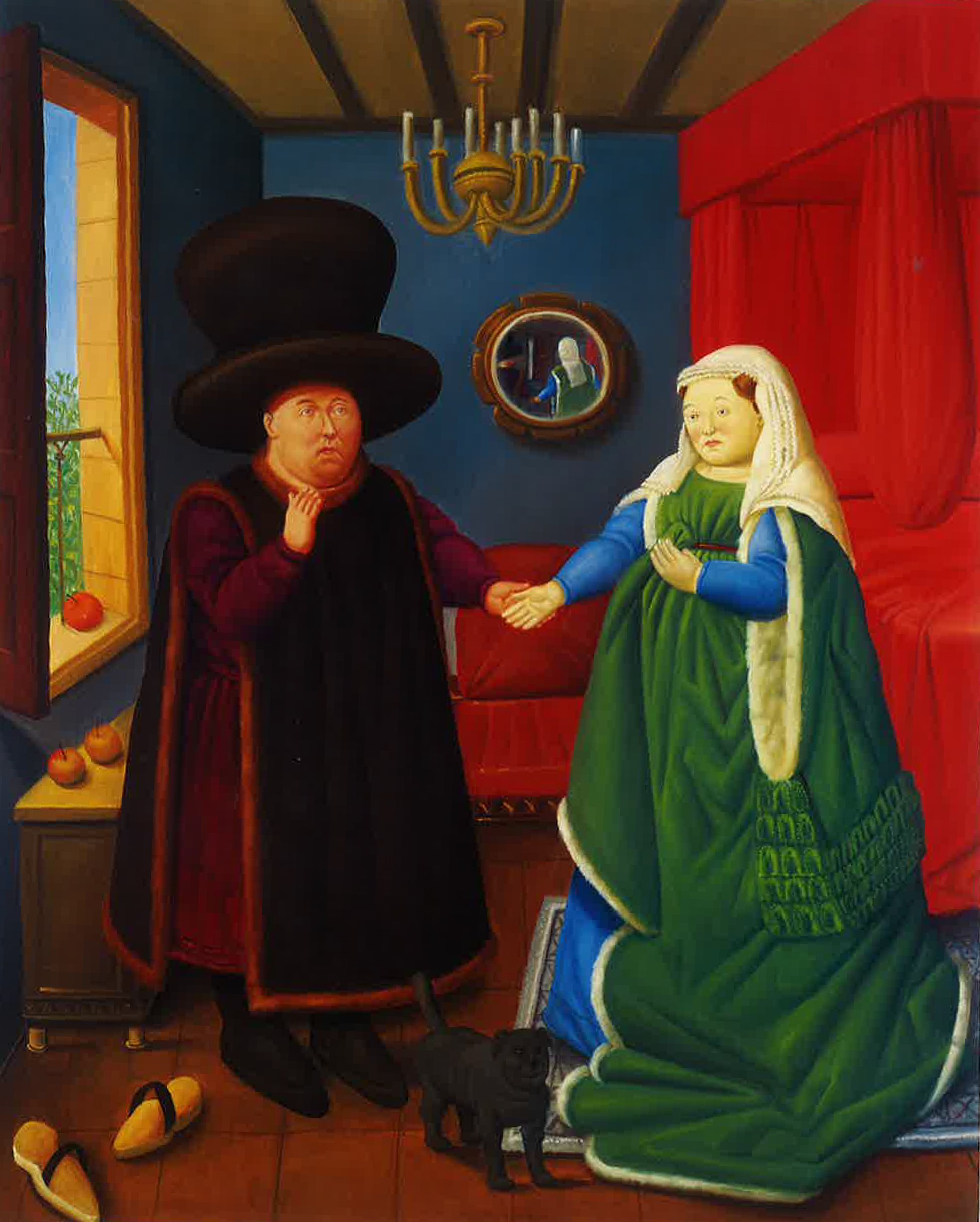
Fernando Botero is a multi-faceted artist who draws on both the Latin American tradition and the history of European art. He pays homage to famous works by such Old Masters as Diego Velázquez, Jan van Eyck and Piero della Francesca. The works are a tribute to the artists whom he studied for years and an ode to the techniques, craftsmanship and aesthetics of the Old Masters. Religion is one of Botero’s favourite themes. He comments on it satirically in paintings of nuns, cardinals and popes. Other themes in his work try to capture the magic of everyday life in Latin America. For example, his images of bull-fights include not only the matador, but also the singers, musicians, dancers and various members of the bull-fighter’s family. His still-lifes show the fruits and beverages of the South American continent with their brilliant colours and popular delicacies. And in his paintings of the circus we can recognise the comical and absurd postures in which not only the constantly recurring volume but also the use of colour are highly determinant elements.


Exhibition catalogue

The richly illustrated catalogue 'Botero: Celebrate Life!' will be published to accompany the exhibition.
First Lady.jpg
The First Lady, 1989
2578_001.jpg 

The Arnolfini after Van Eyck, 2006, Fernando Botero

Tuesday, July 5, 2016

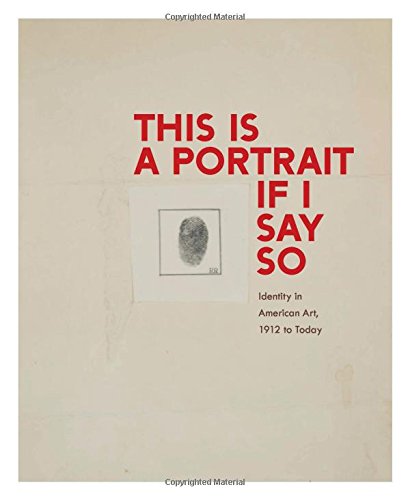
This Is a Portrait If I Say So: Identity in American Art, 1912 to Today


The Bowdoin College Museum of Art (BCMA) will present the first-ever exhibition to examine the emergence and evolution of symbolic, abstract, and conceptual portraiture in modern and contemporary American art. Titled "This Is a Portrait If I Say So: Identity in American Art, 1912 to Today", the exhibition takes its name from


Robert Rauschenberg´s renowned 1961 portrait of Iris Clert—a telegram that simply states, “This is a portrait of Iris Clert if I say so.”

On view June 25-October 16, 2016, the show includes more than 60 non-figurative portraits that pose provocative questions about what a likeness is; how a person’s individuality might be expressed effectively by another; how much a portrait can be influenced by the artist’s, as opposed to the subject’s, personality; and the very conceptualization of personal identity.

Covering more than a century of artistic development in the U.S., the exhibition features a broad range of media, including collages, drawings, new media works, paintings, photographs, prints, sculptures, and text-based conceptual portraiture, loosely divided into three chronological sections:

The first focuses on works from the 1910s and 1920s, assembled by Jonathan Frederick Walz, Director of Curatorial Affairs & Curator of American Art, The Columbus Museum, Columbus, Georgia . This section highlights artists such as Charles Demuth, Marcel Duchamp, Marsden Hartley, Elsa von Freytag-Loringhoven, Francis Picabia, Man Ray, Gertrude Stein, and their contemporaries.

 The second is dedicated to works from the early 1960s to 1970, selected by independent curator Kathleen Merrill Campagnolo, and featuring works by artists such as Eleanor Antin, Mel Bochner, Walter De Maria, Robert Morris, Yoko Ono, and Robert Rauschenberg among others.

The final section centers on works from the early 1990s through today, curated by Anne Collins Goodyear. This concluding section includes works by artists such as Janine Antoni, Mel Bochner, Roni Horn, Byron Kim, Glenn Ligon, Hasan Elahi, L.J. Roberts, and more.

By focusing on specific periods, the curators are able to delve into the political and social realities that shaped American identity across these decades, and to unearth the distinct relationships, imagery, and themes that characterized the work of many major artists engaged with creating new modes of portrayal. The exhibition’s chronological installation reveals intriguing parallels between these three time periods, revealing dynamic through-threads within the artistic depiction of identity from 1912 to the present, such as the turn to language, symbolic attributes, and the metaphorical significance of color and form.

Some of the earliest examples of conceptual portraiture in the show reflect Americans’ awareness of the political turmoil in Europe during WWI, and the fluidity between artistic and intellectual circles on both sides of the Atlantic. Exhibition highlights from this period include


One Portrait of One Woman, a 1916 portrait of Paris-based American writer Gertrude Stein by Maine-born artist Marsden Hartley, who lived in Europe from 1912-1916. Replete with mystical symbols, the painting shows a blue teacup atop a checked tabletop, with the word “MOI” written boldly beneath, addressing the respective identities and complex friendship of the artist and sitter.

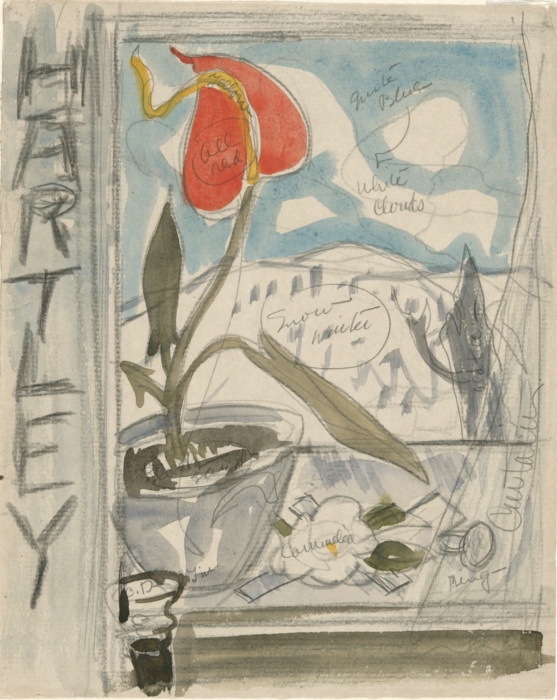
Another American with strong ties to Parisian intellectual circles who features prominently in the exhibition is Charles Demuth. Demuth and Hartley knew each other well, as evidenced by another highlight from this section,  


Study for Poster Portrait of Marsden Hartley (c. 1923–24). The watercolor and graphite composition, which depicts a windowsill in front of a bright, snow-covered landscape, uses objects Demuth associated with his friend to capture Hartley’s persona.

“In the early twentieth century the general public often linked portraiture to flattering transcription and middle-class values; the genre provided strict, longstanding conventions that some modernist artists chose to bend or break,” said Walz. “Political and cultural shifts, including the development of an avant-garde and the breakdown of the traditional organization of sexuality, gave rise to themes that found continual expression in unconventional portraits throughout the century. For example, Gertrude Stein’s 1909 prose poem portraits presage Mel Bochner’s thesaurus-based likenesses of the 1960s and Charles Demuth’s poster portraits resonate with L. J. Roberts’s recent embroidery Portrait of Deb from 1988–199?.”
By the 1960s, the New York art scene was embracing Neo Dada, Fluxus, Pop, Minimal, and Conceptual art as alternatives to Abstract Expressionism. The eruption of new modes of expression coincided with a surge in the production of unconventional portraits. “While portraiture could not be considered a dominant genre during this decade which is often characterized by artworks that attempt to eliminate subjectivity and embrace systematic strategies for art-making, an undercurrent of interest in issues of identity can be seen in the work of a number of prominent artists of the period,” commented Campagnolo. “For the most part, the radical portraits of the 1960s feature subjects who were at the forefront of innovation in their chosen fields be it art, dance, music, or writing and offer surprising insights regarding the artist, subject, and historical moment.”

In addition to the exhibition’s namesake, highlights in the show from this period include


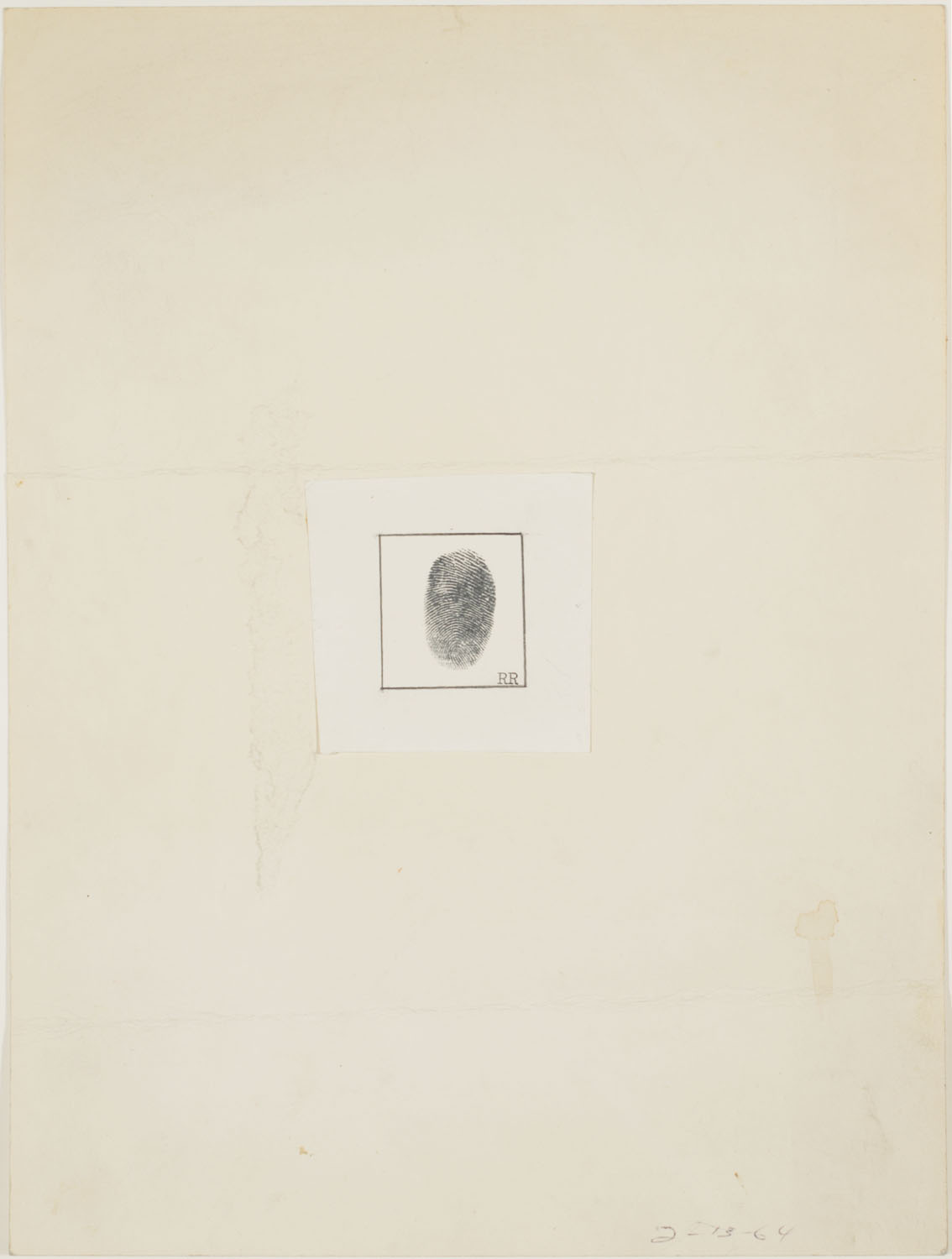
Rauschenberg’s 1964 Self-Portrait consisting of his thumbprint in ink and graphite on paper, created for a profile of the artist in The New Yorker.

Several of Robert Morris’ conceptual portraits are featured, including a cabinet-like sculpture containing labeled bottles of bodily fluids from 1963, simply titled Portrait.

Also present is Yoko Ono’s Portrait of Mary, a text-based call to action from her ground-breaking book Grapefruit, inviting viewers to examine and expand their assumptions about how identity is represented.

Exhibition highlights from the 1990s through today reflect artistic responses to developments like the emergence of the AIDS crisis, the decoding of the human genome, and the violent destruction of events on September 11th, which profoundly affected the expectations, demands, and the even the politics of the self and its representation. Glenn Ligon’s Runaway series from 1993 is a conceptual self-portrait consisting of contemporary descriptions of the artist juxtaposed with images garnered from advertisements of runaway slaves. Ligon turned to friends to provide the captions for this 10-work series, which vary so widely the notion of unified identity is called into question.


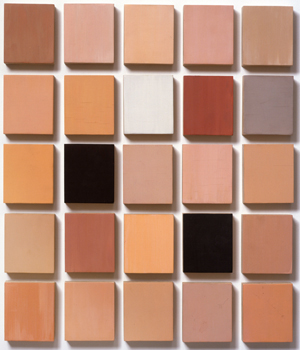
 "Emmett at Twelve Months #3,: 1994, egg tempera on panel, by Byron Kim, born 1961. Collection of the Artist. © The Artist / Image Courtesy James Cohan Gallery, New York and Shanghai.

Artist Byron Kim contributed one of the captions, underscoring the evolution of non-figurative portraiture within influential artistic circles. Kim’s work is also featured in This Is a Portrait If I Say So, and he will create a site-specific work for the exhibition.

Roni Horn’s Asphere (1986/1990) represents another highlight from this section. A non-symmetrical sculptural form that resists easy categorization, the work metaphorically represents the artist, who identifies with its emphatically non-conventional nature.

“From the early 20th century up to the present day we see the adoption of abstraction as a strategy for portrayal that resists the cooption of likeness for political or social purposes,” said Goodyear. “We can trace this theme throughout the exhibition—a testimony to the power of the use of non-traditional symbolic and conceptual portraiture as a means to reclaim the representation of self and other from inherited formulas that may threaten to suppress rather than express what it means to a unique individual.”


The exhibition will be accompanied by a fully illustrated catalogue published by Yale University Press. Featuring essays from Campagnolo, Goodyear, and Walz that examine their respective time periods in-depth, the catalog will also include a contribution from Dr. Dorinda Evans, professor emerita at Emory University, discussing the evolution of non-figurative portraiture in American art in the 19th century up until The Armory Show.

Friday, July 1, 2016

Caillebotte, Painter and Gardener


This summer, the Museo Thyssen-Bornemisza in collaboration with the Musée des Impressionismes Giverny is presenting an exhibition on the artist Gustave Caillebotte (Paris, 1848 – Petit Gennevilliers, 1894), one of the least known but also most original figures of the Impressionist movement. Caillebotte, Painter and Gardener reveals this French artist’s thematic and stylistic evolution, from his early works painted in Haussmann’s modern Paris to his depictions of gardens, which would come to occupy a significant part of his output.

Curated by Marina Ferretti, director of Exhibitions and Research at the Musée des Impressionnismes Giverny, the exhibition includes a total of 65 works loaned from private collections and international museums including the Marmottan Monet in Paris, the Brooklyn Museum in New York and the National Gallery of Art in Washington. The works on display are presented in four sections corresponding to periods in the artist’s life: Haussmann’s Paris, world of stone; Sojourns in Yerres; The Seine and the Exploration of Normandy; and The Garden at Petit Gennevilliers.
For many years Caillebotte was principally recognised for his role as a patron and supporter of the Impressionist movement. He organised exhibitions and collected a large number of works by artists such as Pissarro, Degas, Renoir, Sisley, Cézanne and Monet, which the French State received as a bequest following his death in 1894. For some decades, however, the importance of Caillebotte’s creative activities has also been acknowledged, and he is now considered one of the most notable members of the Impressionist group.

Gustave Caillebotte was born in Paris in 1848 to a family whose wealth allowed him to receive a privileged education. He had already produced some works by the time he started to attend Léon Bonnat’s studio in 1872. That same year he made the obligatory study trip to Italy and in 1873 passed the entrance exam to the École des Beaux-Arts.
Despite receiving a training based on traditional academic values, Caillebotte revealed more interest in art that broke away from pre-established norms. His first works reveal an original gaze on nature and the modern city. The subject is less important than the daring compositions, dominated by a high viewpoint and oblique perspective which create an effect of tension.
In 1875, after the Salon jury rejected The Floor-Scrapers, the first canvas that Caillebotte presented in the official section, he joined forces with the independent painters. A year later he showed this painting alongside four works on urban subjects in the second Impressionist exhibition. From this date on, Caillebotte would further encourage the movement by purchasing and collecting works by his contemporaries. 
Haussmann’s Paris, world of stone
Between 1852 and 1870, Paris was transformed by a major urban redesign scheme promoted and designed by Napoleon III and Baron Haussmann respectively, which contributed to the creation of a new, cleaner, more open and accessible city and one that became the European capital of modern art.
 Caillebotte lived in one of these new quarters and experienced the transformation of the city at first hand, while also depicting it in his work. In contrast to other contemporary artists, he avoided typical modern themes such as train stations, cafés and the city’s crowded leisure spots. Rather he focused his gaze on the true protagonists of the new city, its inhabitants, whom he perfectly observed and described. This room in the exhibition includes various canvases and preparatory studies of middle-class Parisians in top hats, in contrast to others of workmen and painters, revealing Caillebotte’s desire to reflect the different social classes that inhabited the city.


His palette had by now become as grey as the appearance of the new Paris, which was rebuilt using dark, muted materials. 


Balcony, Boulevard Haussmann (1880) 


and The Boulevard Seen from Above (1880) are examples of the way the artist saw the city, using high viewpoints and framing the scene with a window or balcony and employing a distant perspective, which functions to accentuate the sense of isolation and coldness that characterise modern life.


Sojourns in Yerres
For many years Caillebotte spent his summers in his family’s home in Yerres, a Neo-classical style house set in a large garden of the English type which he depicted on numerous occasions. It was in this setting that the artist discovered plein air painting and where he experienced the power of nature and the intensity of its colours and scents, embarking on what would be a profound dedication to painting gardens.


Caillebotte’s works depict the long paths in the garden of the family home, the ordered and well-tended vegetable garden, different effects of light on the ponds and warm, tranquil sunsets on the horizon.


Similarly, he observed rural labours and the natural setting of the countryside along the River Yerres, where people enjoyed water activities of the type fashionable at the time, such as rowing. Caillebotte’s interest in that sport led him to depict scenes of rowers in a very personal manner, with an emphasis on physical exercise and a sense of movement. 

Skiffs on the River Yerres (1877) 

and Oarsman in a Top Hat (1878) 

reflect this new interest. Painted using a more colourful palette, these works deploy daring compositions in which the human presence is extremely important


In the fourth Impressionist exhibition of 1879, Caillebotte presented a total of 28 canvases painted in Yerres. These works reveal a profound change in his use of colour and choice of subject-matter.
The Seine and the Exploration of Normandy 
Following the sale of the family property in Yerres, in 1881 Caillebotte and his brother jointly acquired a property in Petit Gennevilliers on the banks of the Seine where the artist continued to focus on garden painting with true passion. Soon after moving into this new residence he had a garden and a vegetable plot laid out, to which he would devote much of his time and which became his two principal sources of inspiration. 
The fact that Caillebotte’s house was next to the Cercle de la Voile de Paris [Paris Yacht Club] was fundamental to his interest in sailing. He began to design sailing boats, winning numerous regattas with them, and to paint studies of the boats to be seen on the Seine.


Urban views of Paris in the artist’s work gradually gave way to landscapes of Argenteuil, Colombes and Gennevilliers in which Caillebotte came close to the Impressionist technique.

However, paintings such as  

Laundry Drying, Petit Gennevilliers (1888) and  

Fields on the Gennevilliers Plain, Study in Yellow and Pink (1884) reveal his habitual use of striking compositions, dynamic tension and high viewpoints


 Similarly, in The Seine and the Railroad Bridge at Argenteuil (1885) 


and Sailboat Moored on the Seine, Argenteuil (1891) the human figure disappears, its presence only remaining in the mark it leaves on the landscape
Caillebotte spent his summers in Normandy where the sea and new landscapes inspired him to create works executed with a looser type of brushstroke and a freer, totally Impressionist technique. It was here that he met up again with Monet, who also had a marvellous garden in Giverny and with whom he exchanged impressions and tips on horticulture and gardening. 
The Garden at Petit Gennevilliers
In 1888, having bought his brother’s share in the house, Caillebotte settled there permanently with his partner Charlotte Berthier. He gradually enlarged the plot by buying adjacent ones until he owned a sizeable amount of land, to which he made changes depending on his taste and requirements.

Of all these changes that he undertook, the most important was the creation of the vegetable plot, the garden and the construction of his studio and a greenhouse with central heating. It was here that he would spend most of his time from now on.
 
Caillebotte invested a great deal of time and effort to studying horticulture and to designing and looking after his garden, activities reflected in his paintings. He based his design for the garden on straight lines which gave rise to ordered beds, each one devoted to a particular tree of flower. He also introduced the most recent advances in gardening.


During the last years of his life in Gennevilliers, Caillebotte focused on painting the subjects that most interested him, namely flowers, his garden and sailing. The flowers he grew himself provided inspiration for ambitious compositions that decorated his own home, which he now conceived as a continuation of the natural world outside. The intimate character of the works of this period and their distinctive character is extremely striking, as is the use of close-up viewpoints and the intensity of the colours of the flowers, to be seen in various paintings in display in this room, such as  


Orchids (1893).

EXHIBITION INFORMATION:

Title: Caillebotte, Painter and Gardener

Organiser: Musée des Impresionnismes Giverny and Museo Thyssen-Bornemisza


Venue and dates: Musée des Impresionnismes Giverny, 25 March to 3 July 2016; Madrid, Museo Thyssen-Bornemisza, 19 July to 30 October 2016


diane arbus: in the beginning


  • The Met Breuer
  • July 12 - November 27, 2016
  •  
  • SFMoma
  • January 21–April 30, 2017 
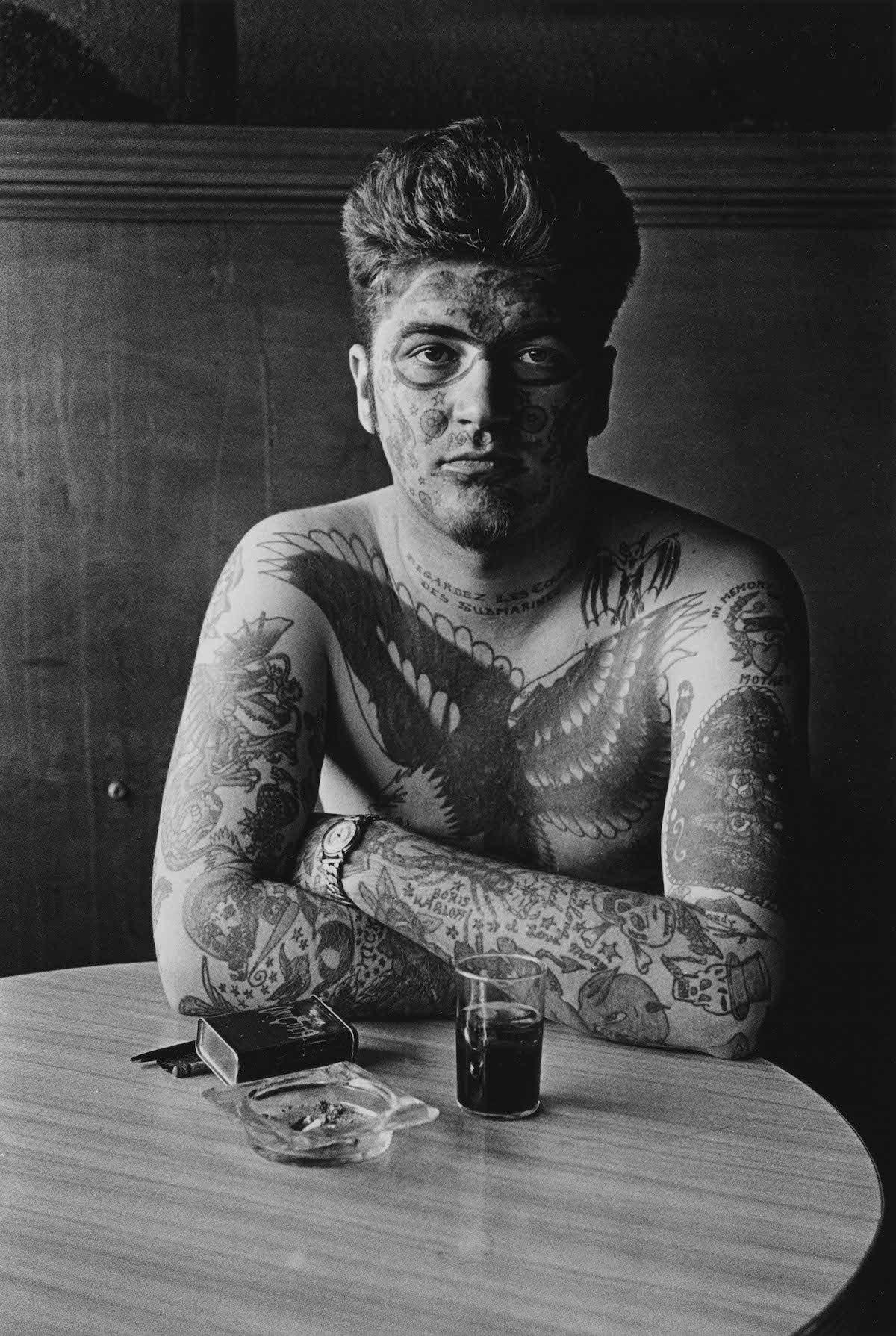
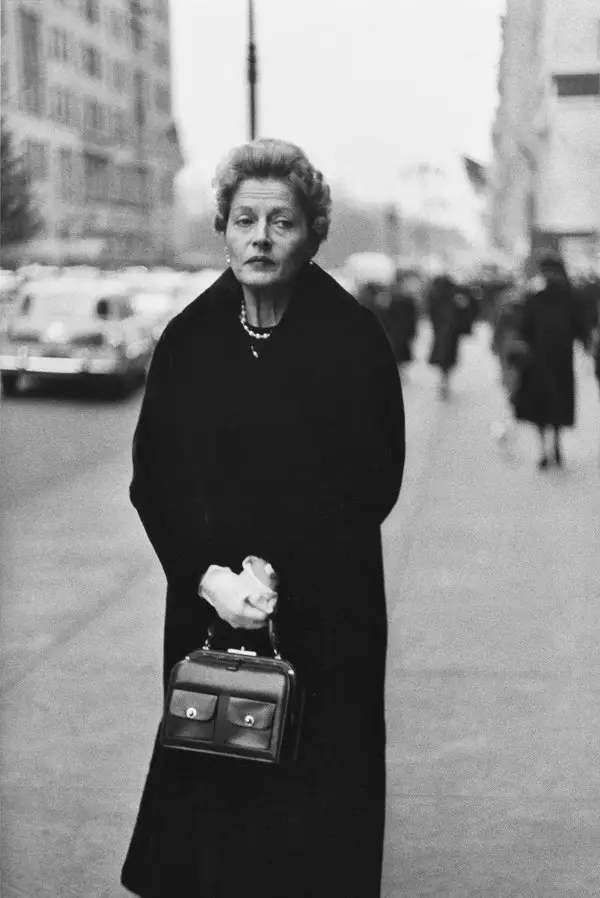
As part of the inaugural season at The Met Breuer, diane arbus: in the beginning will open on July 12, featuring more than 100 photographs that together will redefine one of the most influential and provocative artists of the 20th century. This landmark exhibition will highlight never-before-seen early work of Diane Arbus (1923–71), focusing on the first seven years of her career, from 1956 to 1962—the period in which she developed the idiosyncratic style and approach for which she has been recognized, praised, criticized, and copied the world over.

diane arbus: in the beginning

diane arbus: in the beginning
July 12–November 27, 2016

Exhibition Location: The Met Breuer, 2nd floor
Press Preview: Monday, July 11, 10 am–noon


As part of the inaugural season at The Met Breuer, diane arbus: in the beginning will open on July 12, featuring more than 100 photographs that together will redefine one of the most influential and provocative artists of the 20th century. This landmark exhibition will highlight never-before-seen early work of Diane Arbus (1923–71), focusing on the first seven years of her career, from 1956 to 1962—the period in which she developed the idiosyncratic style and approach for which she has been recognized, praised, criticized, and copied the world over.

The exhibition is made possible by the Alfred Stieglitz Society.

Additional support is provided by The Horace W. Goldsmith Foundation and the Art Mentor Foundation Lucerne.

“It is a rare privilege to present an exhibition this revelatory, on an artist of Arbus’s stature. More than two-thirds of these works have never before been exhibited or published,” said Thomas P. Campbell, Director and CEO of The Met. “We sincerely thank the Estate of Diane Arbus for entrusting us to show an unknown aspect of this remarkable artist’s legacy with the camera.”

Jeff Rosenheim, Curator in Charge of the Department of Photographs, added, “Arbus’s early photographs are wonderfully rich in achievement and perhaps as quietly riveting and ultimately controversial as the iconic images for which she is so widely known. She brings us face-to-face with what she had first glimpsed at the age of 16—‘the divineness in ordinary things’—and through her photographs we begin to see it too.”

diane arbus: in the beginning focuses on seven key years that represent a crucial period of the artist’s genesis, showing Arbus as she developed her style and honed her practice. Arbus was fascinated by photography even before she received a camera in 1941 at the age of 18 as a present from her husband, Allan, and made photographs intermittently for the next 15 years while working with him as a stylist in their fashion photography business. But in 1956 she numbered a roll of 35mm film #1, as if to claim to herself that this moment would be her definitive beginning. Through the course of the next seven years (the period in which she primarily used a 35mm camera), an evolution took place—from pictures of individuals that sprang out of fortuitous chance encounters to portraits in which the chosen subjects became engaged participants, with as much stake in the outcome as the photographer. This greatly distinguishes Arbus’s practice from that of her peers, from Walker Evans and Helen Levitt to Garry Winogrand and Lee Friedlander, who believed that the only legitimate record was one in which they, themselves, appear to play little or no role. In almost complete opposition, Arbus sought the poignancy of a direct personal encounter.

Arbus made most of her photographs in New York City, where she was born and died, and where she worked in locations such as Times Square, the Lower East Side, Coney Island, and other areas. Her photographs of children and eccentrics, couples and circus performers, female impersonators and Fifth Avenue pedestrians are among the most intimate and surprising images of the era. From the beginning, Arbus believed fully that she had something special to offer the world, a glimpse of its many secrets: “I do feel I have some slight corner on something about the quality of things. I mean it’s very subtle and a little embarrassing to me but I really believe there are things which nobody would see unless I photographed them.”

Nearly half of the photographs that Arbus printed during her lifetime were made between 1956 and 1962, the period covered by this exhibition. At the time of her death in 1971, much of this work was stored in boxes in an inaccessible corner of her basement darkroom at 29 Charles Street in Greenwich Village. These prints remained undiscovered for several years thereafter and were not even inventoried until a decade after her death. The majority of the photographs included in the exhibition are part of the Museum’s vast Diane Arbus Archive, acquired in 2007 by gift and promised gift from the artist’s daughters, Doon Arbus and Amy Arbus. It was only when the archive—a treasury of photographs, negatives, notebooks, appointment books, correspondence, and collections—came to The Metropolitan Museum of Art in 2007 that this seminal early work began to be fully explored.

 Among the highlights in the exhibition are lesser-known published works such as  


Lady on a bus, N.Y.C. 1957, .Boy stepping off the curb, N.Y.C. 1957-58,  


The Backwards Man in his hotel room, N.Y.C. 1961,


and Jack Dracula at a bar, New London, Conn. 1961,

as well as completely unknown additions to her oeuvre, such as  


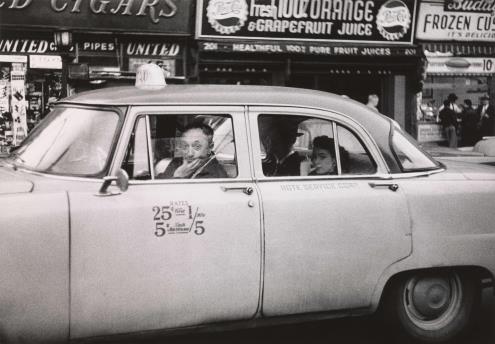
Taxicab driver at the wheel with two passengers, N.Y.C. 1956 ,  


Woman with white gloves and a pocket book, N.Y.C. 1956,  

Female impersonator holding long gloves, Hempstead, L.I. 1959,


and Man in hat, trunks, socks, and shoes, Coney Island, N.Y. 1960.

Included among the selection of six square-format photographs from 1962 is the iconic  


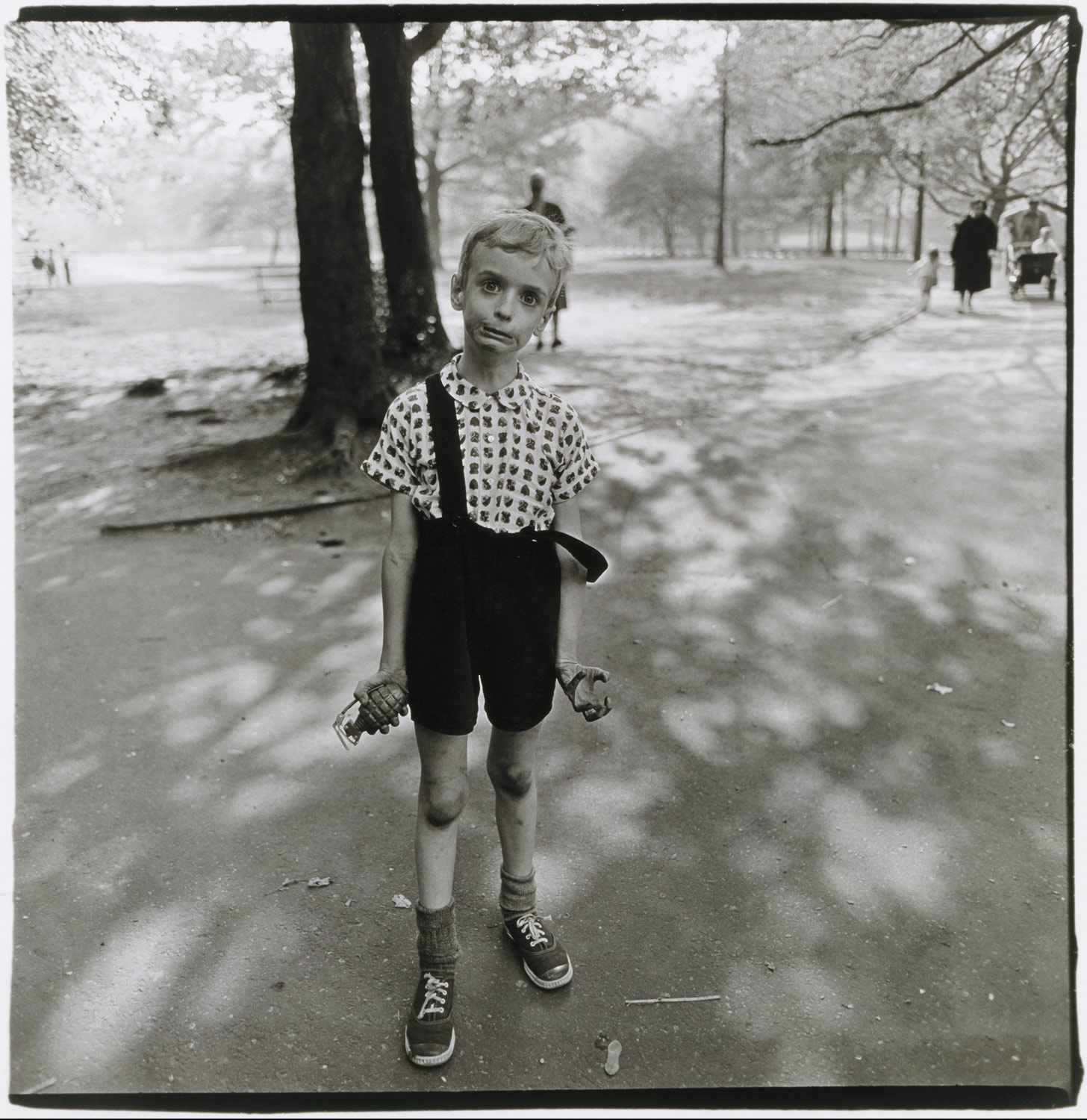
Child with a toy hand grenade in Central Park, N.Y.C. 1962,

 a photograph that signals the moment when Arbus turned away from the 35mm camera and started working with the 2¼ inch square format Rolleiflex camera, a format that remained a distinctive attribute of her work for the rest of her life.

The photographs from her early career reveal that the salient characteristics of her work—its centrality, boldness, intimacy, and apparent artlessness—were present in her pictures since the very beginning. Arbus’s creative life in photography after 1962 is well documented and already the stuff of legend; now, for the first time, we can properly examine its origins.

Exhibition Credits

diane arbus: in the beginning is curated by Jeff L. Rosenheim, Curator in Charge of the Department of Photographs at The Met.

Related Publication

The exhibition will be accompanied by a fully illustrated catalogue which includes two essays: “in the beginning” by Jeff L. Rosenheim and “notes from the archive” by Karan Rinaldo, Senior Research Assistant. The book will be published by The Metropolitan Museum of Art and distributed by Yale University Press (hardcover; $50).


Related article, more photographs: http://www.newyorker.com/magazine/2016/05/23/diane-arbus-at-the-met-breuer