Saturday, November 19, 2016

Renaissance and Reformation: German Art in the Age of Dürer and Cranach


The Los Angeles County Museum of Art
November 20, 2016–March 26, 2017


The Los Angeles County Museum of Art (LACMA) is pleased to present Renaissance and Reformation: German Art in the Age of Dürer and Cranach. Coinciding with the 500th anniversary of the Reformation, the exhibition brings to Los Angeles some of the greatest achievements of German Renaissance art. As the only U.S. venue of the exhibition, LACMA offers a unique opportunity to view masterpieces of this period, which have rarely been displayed outside of Germany.

The period under consideration (1460–1580) was marked by conflicts, civil wars, and complex relationships with neighboring countries, but it also witnessed a flourishing of many states and cities, reflected in the skills of their craftsmen. Additionally, the era was characterized by profound changes in thought, philosophy, science, and religion, spearheaded by Martin Luther’s writings, which in turn transformed the work of many artists of the day such as Albrecht Dürer, Lucas Cranach, Hans Holbein, Mathias Grünwald, Tilman Riemenschneider, and Peter Vischer.

These revolutionary ideas and innovations played a transformational role in the development of modern Western ocieties.

Organized with the Staatliche Museen zu Berlin, Staatliche Kunstsammlungen Dresden, and the Bayerische Staatsgemäldesammlungen München, and made possible by the German Foreign Office, the exhibition comprises over 100 objects, including paintings, drawings, sculptures, arms and armor, as well as decorative arts.

Exhibition Background

The 1517 publication of Martin Luther’s Ninety-five Theses set in motion one of the greatest movements of ideas in European history. What began as a challenge to the Church for the practice of selling “indulgences,” or vouchers for reduced time in Purgatory, developed into a religious and political movement that reshaped the Western Christian world. Luther’s Reformation, while considered from a strictly theological viewpoint, should also be studied within the complex political realities of early 16th-century Europe that includes struggles for power from various sides: the German princes, the House of Habsburg, and the Roman Catholic Church. It can also be viewed as one of the early manifestations of the broad movements of ideas and reconsiderations of the world’s order that define the Renaissance. The Reformation’s insistence upon the individual is also a trait that will be at the center of many humanist writers’ works later in the century.


Martin Luther by Albrecht Dürer

Artists were affected by such changes. The structure of their profession was changing as the Church lost ground along with its sponsorship of artists. Some hinted in their works at a new attitude toward the divine. Others embraced neutral forms, such as the portrait, and gave it a new dimension.


Madonna and Child by Lucas Cranach the Elder

Exhibition Organization

Renaissance and Reformation is arranged in five major thematic sections which explore the fundamental changes that took place in art and society during the Reformation.


Jakob Muffel by Albrecht Dürer, 1526

Traditional Imagery and Devotion illustrates the changes to visual language brought about by the Reformation. From altarpieces via depictions of the saints to the iconography of Christ’s Passion, the themes and modes of representation explored in these works highlight the differences that set the conflicting religious doctrines apart. Some artists accepted commissions both from Protestant clients and those who adhered to the “old faith,” meaning that their works often carried political implications. Over time, objects of religious veneration gave way to works of sculpture intended for aesthetic value—a transformation that can be observed with particular clarity among the sculptural pieces represented in this section.


Lucas Cranach the Elder, Lucretia, 1533, oil on beechwood, 14 2/3 x 9 2/5 in. (37.3 x 23.9 cm) © Staatliche Museen zu Berlin, Gemäldegalerie / Volker-H. Schneider 

Propaganda and Polemics illustrates the extent to which developments in art, media, and politics were intertwined. The Reformation was the first movement to use propaganda techniques to foster its cause. Using words and images, the supporters of the new Faith benefited from the fairly recent invention of the moveable type by Johannes Gutenberg to produce numerous and inexpensive broadsheets. Those who could not read received the message from explicit images. Polemics were both religious and political, and the images used by the reformers were often crude, even vulgar, but could at the same time be easily understood by the masses. The Church and the Pope in particular, were the most frequent targets. Literally demonized, they were presented as the representatives not of God, but of Satan himself. Printmaking techniques such as woodcut and copperplate engraving developed apace and spawned further copies of images. Alongside book printing, they played a vital role in disseminating reformatory ideas—not least as part of the propaganda campaigns that accompanied hotly fought polemical disputes.

Arms and Armor: The Splendor of the Saxon Court explores the political dimensions of the Reformation, while illustrating the extraordinary cultural significance of the princely states embroiled in the conflict raging between emergent religious factions. Objects from the royal art treasuries recall the era’s exquisite craftsmanship, and feature weapons and armor that lend a glimpse into life at the royal court. Armor was particularly praised. Most of the armor presented in this section were made for jousting or worn in ceremonies. Immensely costly, these were considered works of art in themselves. Arms, such as pistols or daggers, were often ambassadorial gifts and were admired both for their functionality and refinement of execution. The art of the Dresden court exemplifies a Protestant principality’s efforts to project an image befitting the high prestige it enjoyed and the political influence it wielded within the Holy Roman Empire.

Landscapes, historical scenes, and figures from ancient mythology—the themes explored in Humanism and Reality—attest to new and transformed ways of looking at the world, incorporating both idealized visions of classical antiquity and fastidious observations of nature and people. Here, the focus is upon delicate drawings by Albrecht Dürer, Lucas Cranach, Hans Beham, Hans Schäufelin, and Albrecht Altdorfer, as well as a number of other artists. These rare works provide a glimpse of each artist’s hand. Furthermore, they serve as an expression of European Renaissance art and the heightened autonomy it accorded both artist and artwork alike.

Portraiture enjoyed great favor in European painting from the 15th century onward. As religious paintings were less in demand, commissions for individual portraits increased and the studios adapted themselves to the new demand. Furthermore, the insistence of the new Faith on the individual found an echo in the art of portraiture. Most sitters were prominent members of the new church or belonged to the upper echelons of society: wealthy merchants or civic leaders, among others. Portraits range from intense studies such as those painted by Dürer, whose sitters are often set in shallow spaces, inspiring the viewer to concentrate on their gaze, to figures represented against finely detailed landscapes. All, however, are meant to convey not only the exact features of the subjects but also their social rank and moral qualities. Particularly sensitive are the drawn portraits. Whether executed as studies for prints or as free-standing works of art, German artists often used a combination of techniques and crayons to render their subjects with surprising likeness. Their delicate approach to the medium remains one of the most spectacular achievements of the German Renaissance.

Catalogue
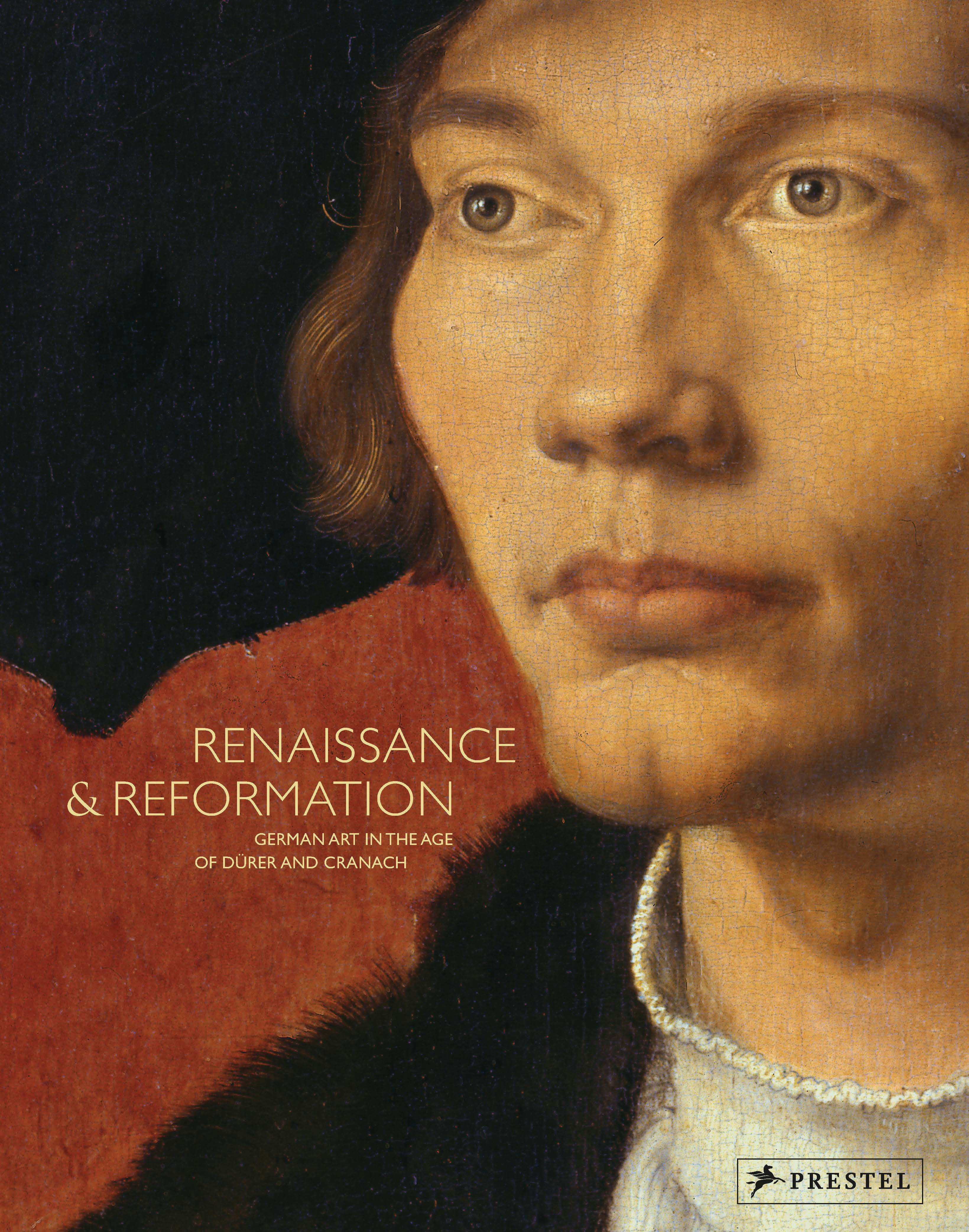


Renaissance and Reformation German Art in the Age of Dürer and Cranach by Stephanie Buck, Julien Chapuis, Stephan Kemperdick, Michael Roth, Jeffrey Chipps Smith, and Dirk Syndram. Edited by Staatliche Museen zu Berlin, Staatliche Kunstsammlungen Dresden, and Bayerische Staatsgemäldesammlungen München. Featuring more than 100 outstanding paintings, drawings, prints, sculptures, and treasures of the Age of the Reformation, this publication comprises masterpieces by Albrecht Dürer, Lucas Cranach the Elder and Lucas Cranach the Younger, Hans Holbein the Elder and Hans Holbein the Younger, Matthias Grünewald, and Tilman Riemenschneider, among others. By placing these works in their historical context, this beautifully illustrated book uses art as a prism through which to consider the religious, social, and political upheavals of the time. The volume includes insightful texts that discuss the key themes in the exhibition. Biographies of the artists, an extensive bibliography and a glossary of central terms concerning the German Reformation, make this a comprehensive study of a fascinating period in European art history.

Friday, November 18, 2016

Intrigue: James Ensor by Luc Tuymans


The Royal Academy of Arts
29 October 2016 – 29 January 2017

The Royal Academy of Arts will present the first major exhibition of James Ensor’s (1860 - 1949) work to be held in the UK in twenty years.  One of Belgium’s most prominent modernist artists, Ensor was widely considered to be an important precursor of Expressionism.  Intrigue: James Ensor by Luc Tuymans will bring together some 70 paintings, drawings and prints by the artist, the vast majority of which have been drawn from major Belgian collections.  The exhibition will be curated by the renowned contemporary painter and one of Belgium’s foremost artists, Luc Tuymans, who will bring a fresh perspective to the selection and presentation of Ensor’s work.   

Video

A highly skilled draughtsman and painter, Ensor had a deep appreciation of the poetic possibilities of light and a lifelong devotion to the inherent creativity of the mind.  His eclectic visual language drew upon a wealth of subjects from t he traditional to the fantastic, producing an extraordinary body of work that spanned poetic evocations of the Belg ian countr yside and coastline , to disturbing visions of imagined worlds.   


James Ensor, Skeletons Fighting over a Pickled Herring, 1891


Ensor’s works have continued to baffle , intrigue and defy categorisation in equal measure, providing one of the most singular and distinctive bodies of work to be produced at the turn of the twentieth century.   


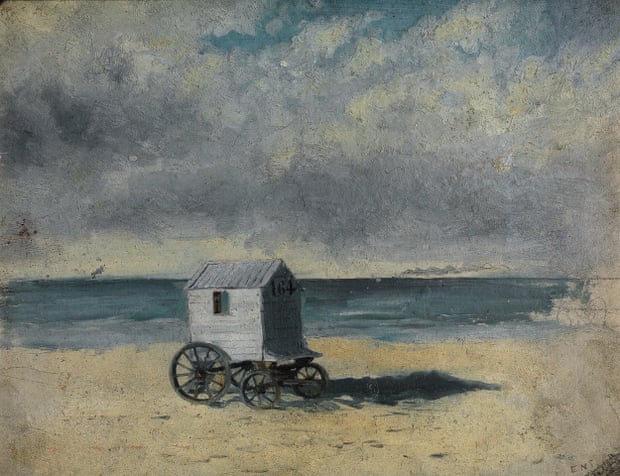
James Ensor, Bathing Hut, 1876 

Born in 1860 to an English father and a Belgian mother, Ensor was raised in the coastal town of Ostend , where his fam ily ran a curio shop which he described as “an inextricable jumble of assorted objects constantly being knocked over by a number of cats, deafening parrots, and a monkey...”. 

It was this somewhat eccentric environment, as well as Ostend’s annual carnival and the archaeologic al excavations at the time, from which Ensor drew much of his later imagery such as masks, theatrical costumes and skulls.  Referred to as “the painter of masks” by poet Émile Verhaeren in 1908, Ensor wrote: “The mask means to me: freshness of colour, extravagant decorations, wild generous gestures, strident expressions, exquisite turbulence.” 

As a student at the Académie Royale des Beaux - Arts in Brussels, Ensor was an outsider who rebelled against traditional teachings and was drawn towards the avant-garde salons of artists and intellectuals at the time, an environment in which he flourished.  Heartened by these encounters, Ensor returned to Ostend in 1880 where he remained for the rest of his life. In 1883 he co-founded the progressive artist group Les Vingt , yet even this once stridently avant-garde group proved too safe for Ensor who became increasingly isolated from the external world and remained committed , throughout a long and belatedly successful career, to his individual style.  

Intrigue: James Ensor by Luc Tuymans will include a selection of significant paintings, drawings and prints by the artist which span the brea d th of his entire career, some of which have never been exhibited in the UK.   

The exhibition will feature three of Ensor’s most important works : 


The Intrigue, 1890 (Royal Museum of Fine Arts, Antwerp), which depicts a newly - wed couple encircled by sinister masked figures, 


The Skate, 1892 (Royal Museum of Fine Arts, Brussels), a powerful, enigmatic still life 


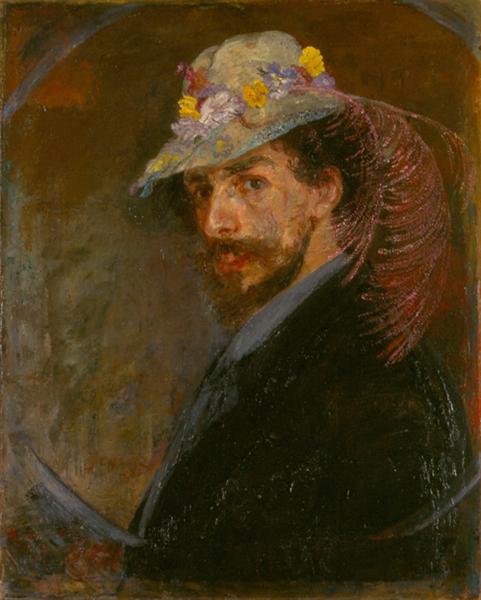
and Self - portrait with Flowered Hat, 1883 (Mu.Zee, O stend), a humorous reference to 


Peter Paul Rubens’ Portrait of Susanna Lunden (National Gallery, London) of 1622. 


Excellent review,more images: https://www.theguardian.com/artanddesign/2016/oct/30/james-ensor-royal-academy-luc-tuymans


WEEGEE Mayhem


Laurence Miller Gallery New York City
November 10 – December 23, 2016


Weegee Summer, Lower East Side, ca. 1937

Laurence Miller Gallery is pleased to present WEEGEE: Mayhem, an exhibition of eight select images from this artist’s New York City street scenes from the 1930s and 40s. The portrays NYC in all it's range: from stark and gritty urban crime to the sponanteous humor and lyricism of it's street life.

http://www.laurencemillergallery.com/exhibitions/weegee/selected-works?view=thumbnails


Crowd with Mannequin, ca. 1940

Weegee was the pseudonym adopted by Arthur Fellig, born in 1899 in what is now part of the Ukraine. He and his family emigrated to New York in 1908, where he began working in a variety of photography-related odd jobs, until 1935, when he became a freelance photographer. He mostly covered crime scenes, fires, and emergencies, and had an uncanny ability to arrive at the scene before police and other emergency personnel. In the trunk of his car was a complete darkroom, to ensure that he could get his images out before other competing photojournalists.


 Scene at Manhattan Police Headquarters, ca. 1940

His quickness on the scene gave him the opportunity to get the first and most sensational images, which he would then offer for sale to newspaper publications like the Herald-Tribune, the Daily News,  the Post, and others. At the same time, his work began to be featured in fine-art venues as well, including exhibitions at MOMA and the New York Photo League.


 On top of Empire State Building ca.1942

Weegee later pursued a career in the film industry, working in Hollywood from 1946 to the early 1960s – as a still photographer, film-maker, special effects consultant, and actor. He died in 1968 at the age of 69. Twenty-five years later, his widow donated the entire Weegee archive to the International Center of Photography in New York City.


A Stitch in Time at Coney Island, ca. 1941


Perp Walk. ca. 1942


Frank Pape, Arrested for Homicide, 1944

Watching Five Alarm Fire, ca. 1945

Thursday, November 17, 2016

Max Liebermann: From Leisure to Modern Sport


Kunsthalle Bremen 
22 October 2016 to 26 February 2017 

Liebermann Villa am Wannsee, Berlin
19 March to 26 June 2017
 

Today, the world of sports penetrates almost every aspect of life. It is a critical element of modern lifestyle, a popular spectacle for the masses or an expression of social distinction. In Germany, the incredible success story of sports began more than a hundred years ago: Max Liebermann was the first German artist to preoccupy himself extensively with this subject. 

The exhibition examines Liebermann’s preoccupation with leisure, recreation and sports within the context of art as well as the historical and social development of sport, with a special focus on horse riding, polo and tennis in art. Works by Degas, Manet and Toulouse-Lautrec illustrate the inspiration that Liebermann found in French painting and graphic arts. However, his depictions of tennis and polo players are unique in France and Germany. 

The singularity of his motifs is illustrated through the juxtaposition with selected works by English and German contemporaries such as John Lavery and Max Slevogt. Liebermann primarily explores the subjects of horseback riding, tennis and polo motifs in the period between 1900 and 1914. These works convey an image of the Wilhelminian upper classes whose leisure activities were infused by the idea of the English sportsman. 

At the end of the nineteenth century, Liebermann turned his attention to summer visitors at the North Sea. There he first painted bathers and horseback riders but soon focused on modern sports such as polo, horse racing and tennis which had been popular in England for some time. 

Following the First World War, Liebermann’s sports motifs faded into the background. In the 1920s a younger generation of artists began to discover sports as a subject, particularly sports for the masses such as football and boxing. 

Depictions of boxers by Willy Jaeckel, Renée Sintenis and Rudolf Grossmann reflected the change in interest from elegant lawn sports in the countryside to physical exertion in urban sports arenas. 

The exhibition will present about 140 works from international museums and private collections from Washington, Jerusalem, Paris and Zurich as well as from the collection of the Kunsthalle Bremen. 
  

Key visual of the Exhibition  


Max Liebermann Tennisspieler am Meer, first version, 1901 Oil on canvas 69,5 x 100,3 cm Museum Kunst der Westküste, Alkersum, Föhr © Repro Lukas Spörl  

Horseriding, Polo and Horseracing  


Max Liebermann Reiter am Strand mit Foxterrier, 1911 Oil on canvas 70 x 100 cm Nationalmuseum Stockholm 


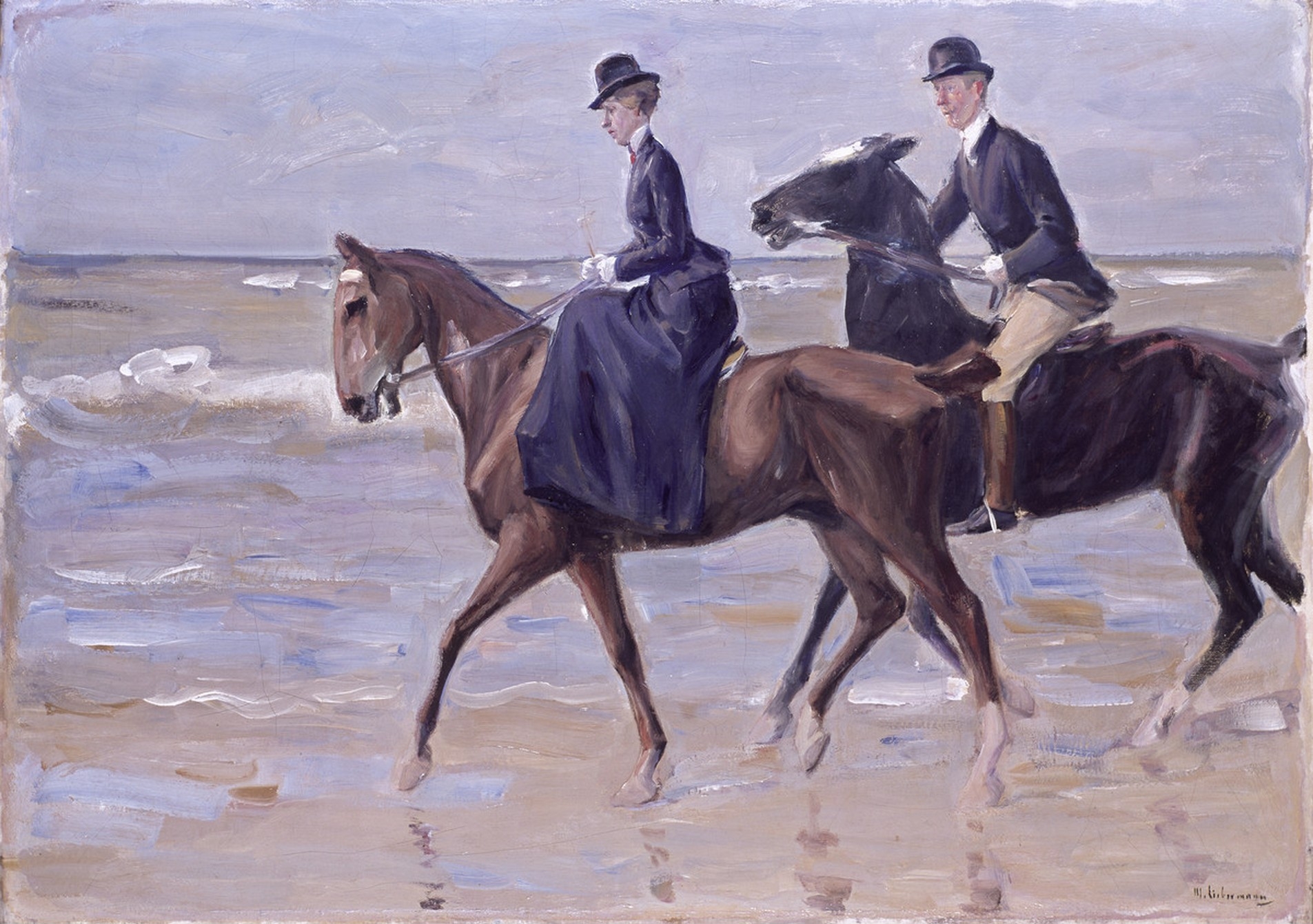
Max Liebermann Reiter und Reiterin am Strand, 1903 Oil on canvas 72,5 x 101 cm Wallraf-Richartz-Museum & Fondation Corboud, Köln, Photo: Rheinisches Bildarchiv Köln, rba_c016036 


Max Liebermann Polospieler in Jenischs Park, 1903 Oil on canvas 71 x 102 cm Private collection 


Max Liebermann Pferderennen (in den Cascinen), 2. version, 1909 Oil on wood 52 ,5 x 74 cm Kunstmuseum Winterthur, present by Georg Reinhart, 1924 © Schweizerisches Institut für Kunstwissenschaft, Zürich, Jean-Pierre Kuhn 


Henri de Toulouse-Lautrec Der Jockey, 1899 Lithography 51,4 x 36,1 cm Sammlung Hegewisch in der Hamburger Kunsthalle  

Tennis 


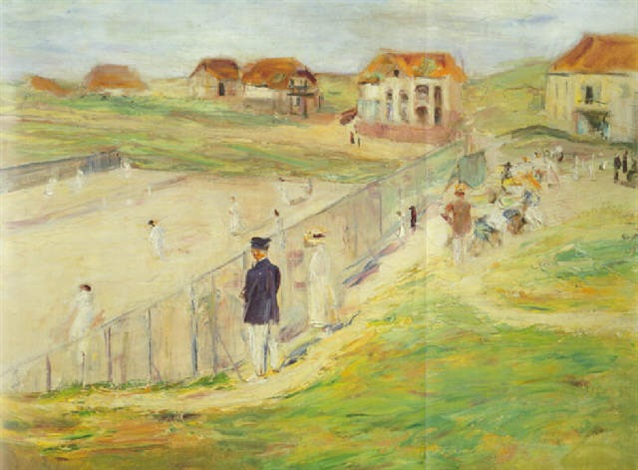
 Max Liebermann Tennisplatz in Noordwijk, 1911 Oil on canvas 64 x 78 cm Private collection  

Other Leisure Activities  


Max Liebermann Nach dem Baden, 1904 Oil on canvas 62,9 x 91,1 cm Tate, London, legacy G.L. Tietz 1980 © Tate, London 2016 


Max Liebermann Schlittschuhläufer im Tiergarten, 1923 Oil on canvas 39,5 x 50 cm Private collection 


Max Liebermann Papageienallee, 1902 Oil on canvas 88,1 x 72,5 cm Kunsthalle Bremen – Der Kunstverein in Bremen, Photo: Lars Lohri

World War I and American Art


The Pennsylvania Academy of the Fine Arts (PAFA) 
November 4, 2016 through April 9, 2017

New-York Historical Society
May 26-September 3, 2017


Frist Center for the Visual Arts, Nashville
October 6, 2017-January 21, 2018


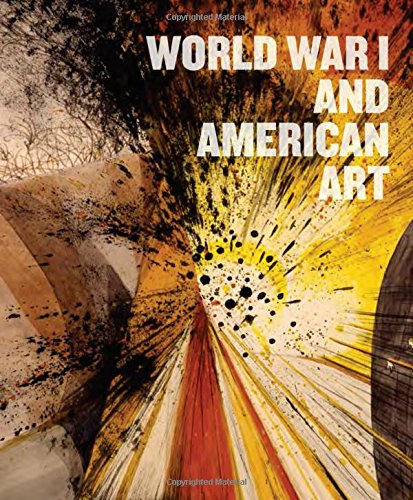
The first major museum exhibition to revisit this unprecedented global event through the eyes of American artists, World War I and American Art will show how American artists translated their wartime experience, opinions, and perceptions in works that chronicle this transformative moment in American culture. The war’s impact on art and culture was multifaceted, as American artists spoke out against it, participated as soldiers on the battlefield and workers on the home front, designed enlistment posters and camouflage, served as official artists documenting the war, and helped shape postwar society in its wake.

One of the most ambitious projects that PAFA has ever organized, the exhibition’s approximately 160 works by 80 artists encompass a broad variety of stylistic approaches, viewpoints, and experiences through paintings, drawings, sculpture, prints, photographs, posters, and ephemera. A diverse array of both well-known and under-recognized artists is represented including Ivan Albright, George Bellows, Charles Burchfield, John Steuart Curry, Howard Chandler Christy, James Montgomery Flagg, Henry Glintenkamp, Marsden Hartley, Childe Hassam, Carl Hoeckner, George Luks, John Marin, Violet Oakley, Georgia O’Keeffe, Joseph Pennell, Jane Peterson, Horace Pippin, Man Ray, Boardman Robinson, Norman Rockwell, John Singer Sargent, John Sloan, Edward Steichen, and Claggett Wilson.


World War I and American Art fully explores the deep and lasting impact of the war, following the chronological arc from prewar tensions to the reverberating after effects in the 1930s, and chronicling its devastating toll on haunted soldiers and ruined cities, relief and hospital workers, women and families.

“World War I and American Art examines a critical moment in history from both the home front and firsthand experience, allowing for images of intense patriotism and outraged dissent to recreate the charged atmosphere leading up to and during the war,” notes David R. Brigham, PAFA President and Acting Museum Director. “Artists both mirrored and participated in these debates, and the images they produced fueled discussions about the United States’ role in the world.”

The exhibition will also demonstrate how the conflict changed American art itself. World War I unfolded as the American art scene was rapidly changing and experiencing a growing range of aesthetic viewpoints, political agendas, exhibition and publication opportunities, and contact with European émigrés. Images made during the war reveal American artists in transition, using more experimental forms including abstraction to capture the apocalyptic tenor of the conflict but also drawing on a straightforward realist manner to make the human experience accessible to their audience.

The exhibition includes numerous high-profile loans, among them


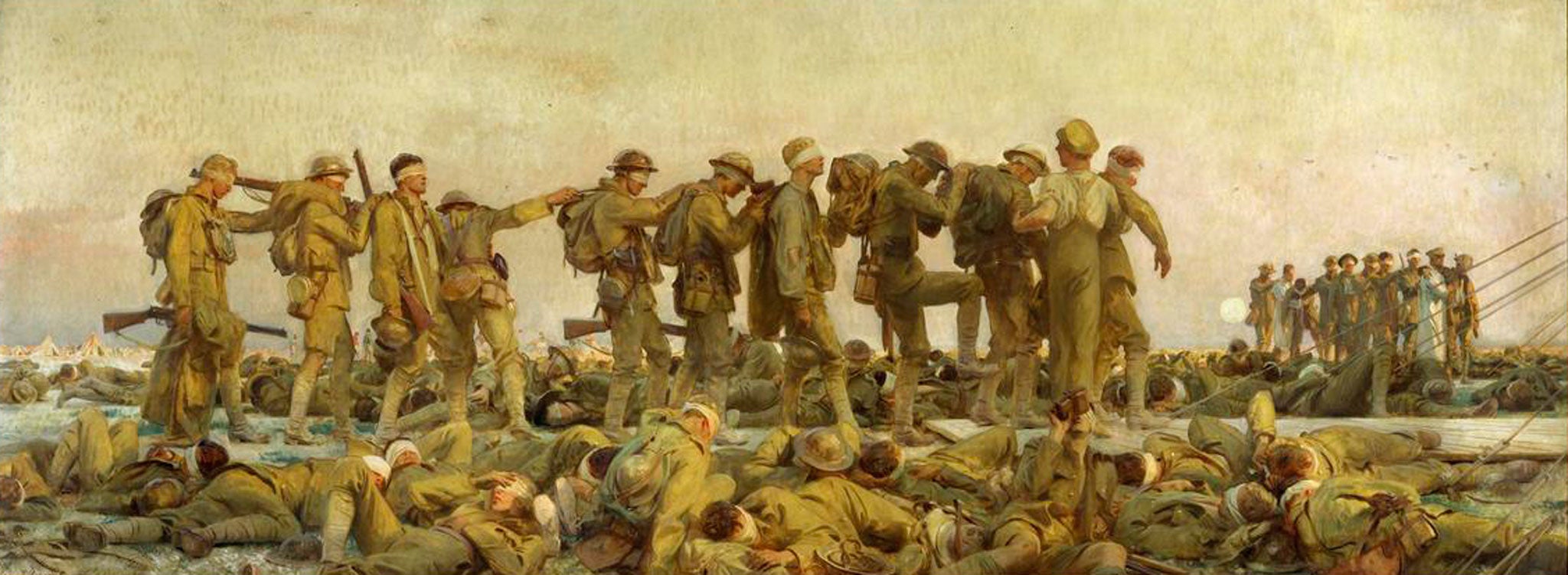
John Singer Sargent’s monumental painting, Gassed, from the Imperial War Museums in London. Measuring approximately 20 feet wide by 7 feet tall, the composition depicts the aftermath of a mustard gas attack Sargent witnessed on the Western Front. The painting features a central group of wounded soldiers, depicted nearly life-size, walking toward a field hospital and past the bodies of their dead and injured comrades in arms.


Childe Hassam, Early Morning on the Avenue in May 1917, 1917, oil on canvas, 30 1/16 x 36 1/16 in. Addison Gallery of American Art, Phillips Academy.

The painting, widely regarded as Sargent’s late masterpiece, conveys the waste and tragedy of conflict and is one of the most disturbing humanistic commentaries on war. Gassed brings together many themes that are essential to the story of the war and this exhibition: differing perspectives on the war and its larger meanings; the camaraderie of soldiers at camp and in the field; the harrowing pain of combat, the dignity of those who sacrifice for their country, and the heartbreaking realities of war, regardless of its justification.


Hugh Henry Breckenridge, Pestilence (War), 1918, oil on canvas, Pennsylvania Academy of the Fine Arts, Philadelphia

This landmark exhibition is organized by PAFA and curated by Robert Cozzolino, former PAFA senior curator and currently the Patrick and Aimee Butler Curator of Paintings at the Minneapolis Institute of Art; Anne Knutson, an independent scholar and curator; and David Lubin, the Charlotte C. Weber Professor of Art at Wake Forest University.


It will be accompanied by an extensive schedule of public programs for all ages, as well as a fully illustrated scholarly catalog.

Although World War I has been characterized as “America’s forgotten war,” Cozzolino notes that “the war’s impact on American art and culture was enormous, for nearly every major American artist of the time produced work that addressed the conflict or contributed in some way to the war effort. It was prevalent in American culture before and after the nation entered the war in 1917.”


Kerr Eby, Where Do We Go?, c. 1919, lithograph, 18 x 23 in. National Gallery of Art, Washington.

“Among the most exciting discoveries made by the curatorial team is the degree to which modernists such as Marin, O’Keeffe, and others were immersed in news and the imagery of the war,” Cozzolino adds. “We are also thrilled to bring the work of little-known artists to light. Clagget Wilson and Carl Hoeckner, for instance, made some of the most haunting images of the war and have not had the chance to be seen in the context of other World War I artwork.”

 
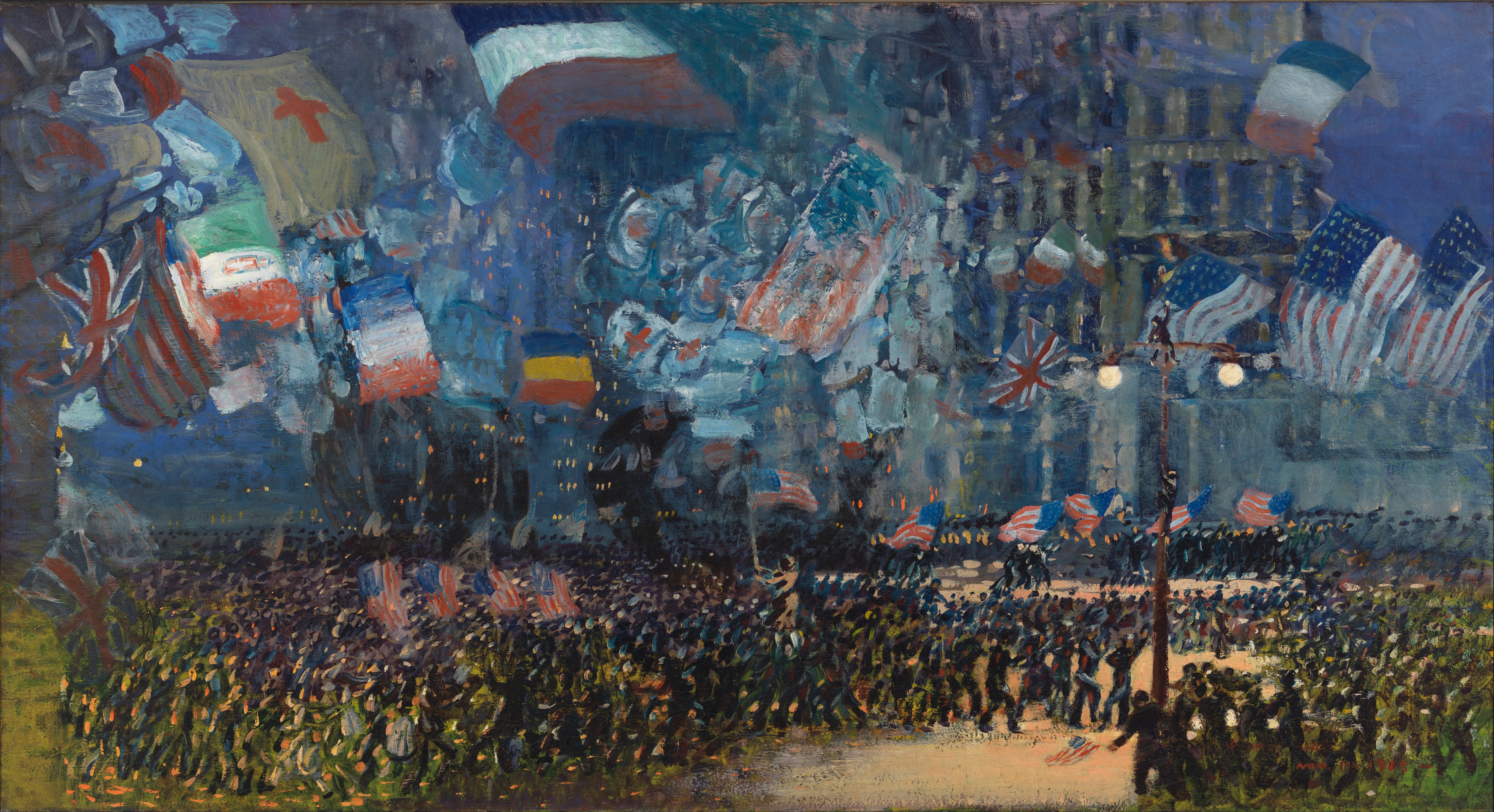
George Benjamin Luks, Armistice Night, 1918, oil on canvas, 37 × 68 ¾ in. Whitney Museum of American Art.

World War I and American Art is organized around eight themes: Prelude: The Threat of War; Hartley and Hassam: Tenuous Neutrality; Debating the War; Mobilization; Modernists and the War; Battlefields; The Wounded and the Healers; and Celebration and Mourning. Arranged to follow the narrative of the war itself, the exhibition will show how artists chronicled their experiences of the unfolding war as it crept closer to home and then involved them directly as soldiers, relief workers, political dissenters, and official war artists.


Gifford Beal, On The Hudson at Newburgh, 1918, oil on canvas, 36 x 58 ½ in. The Philips Collection, Estate of Gifford Beal, courtesy of Kraushaar Galleries, New York

“Exhibits such as this contribute to a deeper understanding of our nation’s history in a way that words could never convey,” said Chris Crane, president and CEO of Exelon, and chairman of the Exelon Foundation. “We’re proud to partner with the Pennsylvania Academy of the Fine Arts to tell the story of the war’s impact on our society and culture through the eyes of artists who bore witness.”

Steaming Ahead: Reginald Marsh Watercolors of Locomotives in the Permanent Collection of the William Benton Museum of Art


Known for his images of gritty New York from the beaches to burlesque halls, a new collection being shown at the University of Connecticut's William Benton Museum is spotlighting the rarely seen train-related work of artist Reginald Marsh.

On exhibition through Dec. 18, 2016, Steaming Ahead: Reginald Marsh Watercolors of Locomotives in the Permanent Collection of the William Benton Museum of Art showcases more than 25 of the painter's works including watercolors, lithographs and etchings.

Produced between 1927 and 1934, along with one piece from 1940, the pieces are from the permanent collection of the museum and are available for viewing in person at the museum or online via a virtual exhibition.

Primarily a watercolorist, Mash's earliest work was etchings. He was fascinated by the process, but worked almost exclusively in watercolor from the early 1920s until 1929.

"Steam locomotives by their nature are accessible to the senses," steam train expert Audrey Conrad says. "When you see one move, all of the parts are right out there in the open, you can see the rods moving and turning the wheels; you can feel the heat of the boiler and steam; you can smell the coal smoke and hot oil. At the time he was painting them, steam locomotives were not obsolete: they were the prevailing type of motive power in the U.S. and the world."

Because Marsh focused on steam locomotives, it is thought that the Erie Railroad terminal in Jersey City, New Jersey, was his favorite spot, given its proximity to his New York City studio.

Among the pieces are:


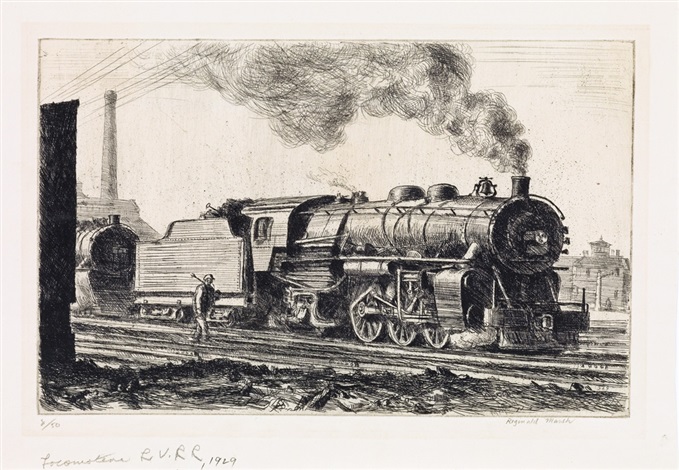
* Locomotive from 1929. Showing a lone locomotive without its tender, this view could have been provided from Marsh's access to unoccupied areas of the trainyards.


loco l.v.r.r. (locomotive lehigh valley) by reginald marsh

* Switch Engine LVRR from 1931. The etching depicts a Lehigh Valley Railroad Switch Engine class L-5 "camelback" locomotive built in 1916.


* The Parlor Car, painted in 1940, depicts one of Marsh's "sirens" - beautiful young women for which he is best known - along with the rotating chairs of the parlor car.


* The undated Railroad Engine and Passenger Car is a watercolor of the Central Railroad of New Jersey class J-1 2-6-2T type locomotive built in 1902 and used until the 1940s.

Wednesday, November 16, 2016

Bruegel: Defining a Dynasty


The Holburne Museum, Bath
11 February to 4 June 2017


The Holburne Museum has announced the UK’s first exhibition devoted to the Bruegel dynasty, including recent attributions for two paintings from the Museum’s own collection. Bruegel: Defining a Dynasty will unravel the complex Bruegel family tree, revealing the originality and diversity of Antwerp’s famous artistic dynasty across four generations through 35 works, including masterpieces from the National Gallery, Royal Collection Trust, the National Trust, the Fitzwilliam Museum, the Ashmolean Museum and the Barber Institute of Fine Arts.

Jennifer Scott, the Holburne’s Director and co-curator of the exhibition notes, ‘This exciting new exhibition not only shines a light on the quality of the Holburne Museum’s Flemish paintings, but also on the wealth of paintings by the Bruegel dynasty in the UK.’


A key work in the exhibition will be Wedding Dance in the Open Air, an oil painting from the Holburne’s own collection which, following conservation work and technical examination, can be attributed firmly to the hand of Pieter Brueghel the Younger. Previously thought to be the work of a copyist or follower of Brueghel, it now takes its place as the only version of this popular scene in a UK public museum.


Together with Robbing the Bird’s Nest


and the Visit to a Farmhouse, 

also featured in the exhibition, this new discovery makes the Holburne Museum the primary collection of Pieter Brueghel the Younger’s work in the UK.

The exhibition will also show the


David Teniers the Younger’s Boy Blowing Bubbles from the Holburne’s own collection. Previously ascribed to ‘Imitator of David Teniers the Younger’, recent research undertaken by the Holburne Museum has revealed a new attribution to Teniers himself.

Bruegel: Defining a Dynasty is curated by the Holburne’s Director, Jennifer Scott, and Dr Amy Orrock, independent art historian and Bruegel specialist, and will provide the opportunity to understand and reimagine the Bruegel familial relationships, investigating the developments of the artists’ individual styles and the way in which they asserted both their artistic heritage and their independence. Visitors can compare the development of ‘Bruegelian’ iconography over 150 years, through works by Pieter Bruegel the Elder, his sons Pieter Brueghel the Younger and Jan Brueghel the Elder, their direct descendants (Jan van Kessel the Elder) and artists that married into the family (David Teniers the Younger). In particular, the exhibition will highlight Pieter Brueghel the Younger’s artistic talents, reinstating him as an important artist in his own right.

A book to accompany the exhibition Bruegel: Defining a Dynasty is written by Amy Orrock and published by Philip Wilson.