Sunday, August 27, 2017

Masterpieces. From Degas to Hammershøi


Ordrupgaard
July 14th to August 27th 2017


In the exhibition: Masterpieces. From Degas to Hammershøi Ordrupgaard offers a wide selection of masterpieces from the museum’s French and Danish collection. In the exhibition you will be able to experience Ordrupgaard’s crown jewels by masters such as Edgar Degas, Claude Monet, Auguste Rodin, Paul Gauguin, Vilhelm Hammershøi and several others.

As something quite unique, you will also be able to see Ordrupgaard’s extensive collection of pastels – works that are rarely exhibited due to their highly light-sensitive and fragile nature.  These include Degas’ much loved, masterful depictions of ballerinas in the rehearsal room, together with portraits by Renoir and Manet of Parisians and life in the French metropolis in the late 1800s.

Degas the alchemist

From the 1880s on, pastel became Degas’ preferred medium, and towards the end of his working life he produced very few oil paintings. Degas went his own way; he tested and challenged the possibilities of the pastel technique, experimented with effects, and developed new, radical methods. While his colleagues were focusing on the effects of natural light, Degas was captivated by the powerful artificial lights of the theatre, opera and ballet. The soft, powder-like crayon was ideally suited to the artist’s momentary depictions of the ballet, where he gave vibrant form to structures and to the shimmering of light on surfaces. His interest in ballet intensified from 1870 on, and Degas was eventually to create no less than 1,500 works with dancers as the motif. Ordrupgaard’s collection contains a wide range of the famous pastels, which now, for the first time in three years, will be shown to the public.


.


1910 · Edgar Degas.

Revisiting Hammershøi

The Danish painter Vilhelm Hammershøi (1864-1916) is considered to be one of the most original talents of his day, and his works appeal greatly to the contemporary viewer. He is especially known for his poetic, highly evocative interiors. Following Ordrupgaard’s highly popular exhibition At Home with Hammershøi from 2016, the public will now have an opportunity to revisit a string of Hammershøi’s most iconic works, including the major work  


Dust Motes Dancing in Sunbeams, which Hammershøi painted in 1900. The exhibition also includes a wide range of Ordrupgaard’s own works by Hammershøi which were not shown in At Home with Hammershøi, as they were on loan to museums abroad at the time.


Masterpieces. From Degas to Hammershøi will be on view from  July 14th to August 27th 2017.

KLIMT & RODIN: An Artistic Encounter,


Fine Arts Museums of San Francisco

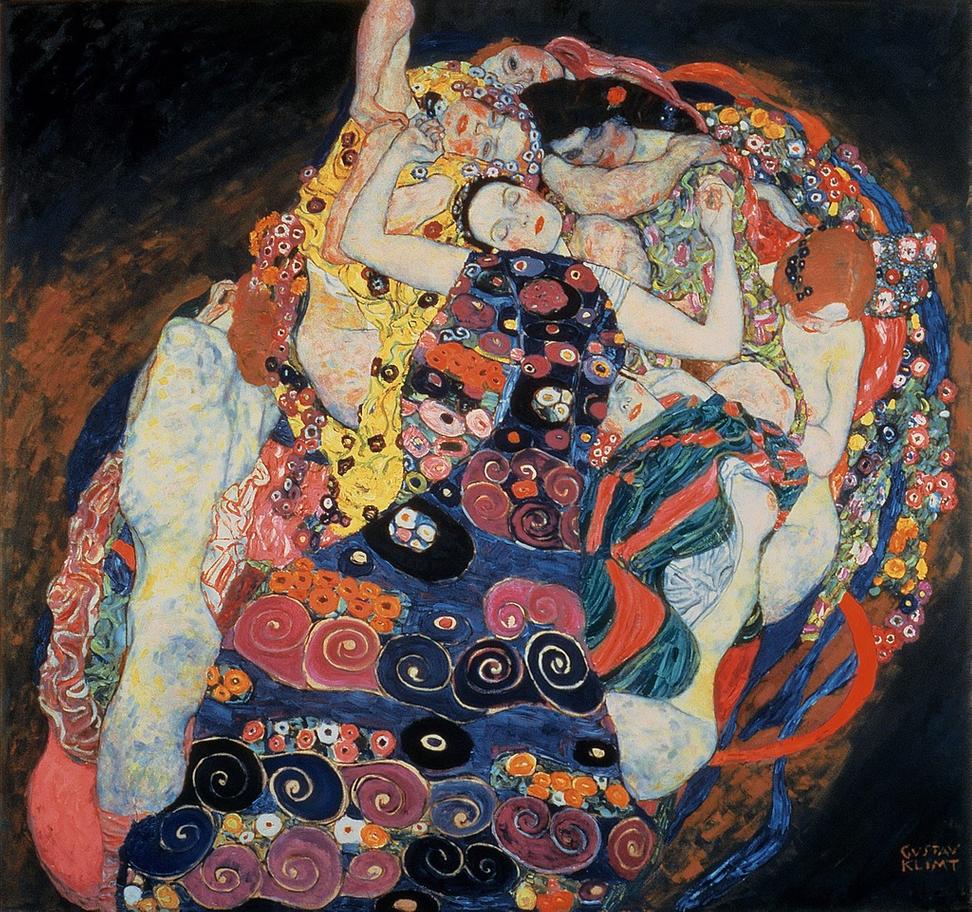
Gustav Klimt, "The Virgin," 1913.  Oil on canvas, 74 3/4 x 78 3/4 in.  (190 x 200 cm).  National Gallery Prague, Inv.  04512 © 2017 National Gallery in Prague
Gustav Klimt, "The Virgin," 1913. Oil on canvas, 74 3/4 x 78 3/4 in. (190 x 200 cm). National Gallery Prague, Inv. 04512 © 2017 National Gallery in Prague
(Image courtesy of the Fine Arts Museums of San Francisco)
  
The Fine Arts Museums of San Francisco will present KLIMT & RODIN: An Artistic Encounter, opening at the Legion of Honor in October, on the occasion of the 100th anniversary of the deaths of Auguste Rodin in November 1917 and Gustav Klimt in February 1918.

The exhibition will celebrate the legacies of these two pioneers, who each broke the reigning aesthetic boundaries of the time to find new vocabularies and create powerful agendas for modern painting and sculpture. Arranged in dialogue with the Legion of Honor’s acclaimed collection of Rodin works, KLIMT & RODIN will provide an incredibly rare opportunity for American audiences to see a range of signature works by the Austrian master Klimt, many of which will travel to the U.S. for the first time.

“This will be an exceptional and breathtaking opportunity to experience the art of Gustav Klimt in San Francisco,” says Max Hollein, Director and CEO of the Fine Arts Museums of San Francisco. “And as a native Viennese, I am especially proud that we are able to present the beloved works by Klimt at the Legion of Honor. With our important Rodin collection, we are perfectly situated to engage Klimt’s masterpieces in dialogue with Rodin’s oeuvre.”

This first major Klimt exhibition on the West Coast will survey the span of the artist’s practice. Among the 36 works by Klimt that will be exhibited are iconic paintings, such as


Nuda Veritas (1899), Klimt’s response to the conservative views of the art establishment, on loan from the Österreichisches Theatermuseum;


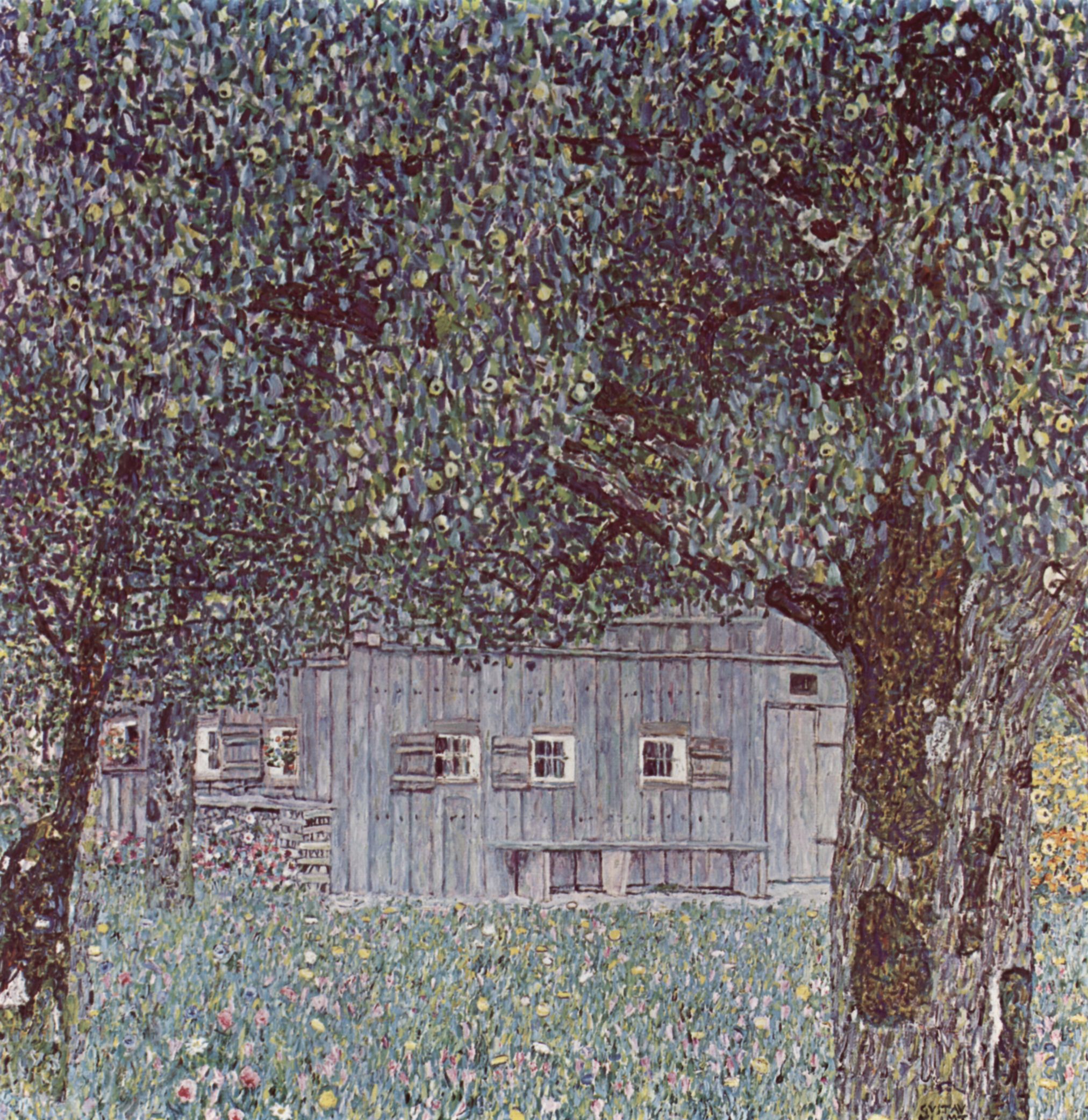
Upper Austrian Farmhouse (1911), in his landscape style, loaned by the Belvedere in Vienna;  


Portrait of Ria Munk III (1917) from the Lewis Collection;

and The Virgin (1913), (above) loaned from the National Gallery in Prague, in which Klimt’s use of color is on full display.

“This exhibition will provide an insight into leading art developments in Europe at the turn of the century through the lens of two of its most important artists,” adds curator Tobias G. Natter. “It marks the very first time a survey of Klimt’s works with some of his most outstanding masterpieces will be exhibited in California.”

Setting the context for the exhibition will be two seven-foot-tall panels reproduced from one of Klimt’s most celebrated works, the  


Beethoven Frieze (1902).

The exhibition copy of the frieze will give American audiences a special opportunity to experience the iconic work outside of Vienna. Widely regarded as the start of Klimt’s “golden period”, the frieze was painted for the 14th Vienna Secessionist exhibition in celebration of Beethoven’s Ninth Symphony and illustrates the human desire for happiness in a tempestuous world marked by suffering.

A key moment of the exhibition will be the meeting between Klimt and Rodin in 1902. While Klimt, the president of the Vienna Secession, was still developing his signature style, Rodin was at the peak of his international fame. Vienna was honored to welcome the sculptor, who had exhibited several key works at the Vienna Secession — one of the most innovative manifestations of Viennese Modernism — the year prior. Rodin visited the exhibition in person and was fascinated by its temple-like space and the groundbreaking Beethoven Frieze, which lead to a meeting between the two artists. KLIMT & RODIN will stage another encounter between the two artists for the first time in more than a century.

“Rodin’s work represents modernity in sculpture and the rejection of the academic tradition, and has inspired admirers and followers all over the world.” states Martin Chapman, curator in charge of European decorative arts and sculpture at the Fine Arts Museums. “It’s a great pleasure to be able to show our extraordinary holdings with a rich trove of paintings and sketches by Klimt from significant collections around the world.”

Approximately 25 sculptures and works on paper by Rodin from the Fine Arts Museums’ collection will provide visual dialogues with the works by Klimt. The exhibition is thematically arranged around the Vienna Secession, Rodin’s 1901 exhibition in Vienna, Rodin’s 1902 visit to Vienna, Klimt’s landscapes and Rodin’s surfaces, and the depiction of women  for both artists an eternal source of inspiration  exploring shared touch points and developments in the two artists’ practices throughout.

Klimt’s portrait style will be represented through his modern paintings of society women, such as  


Portrait of Sonja Knips (1898),


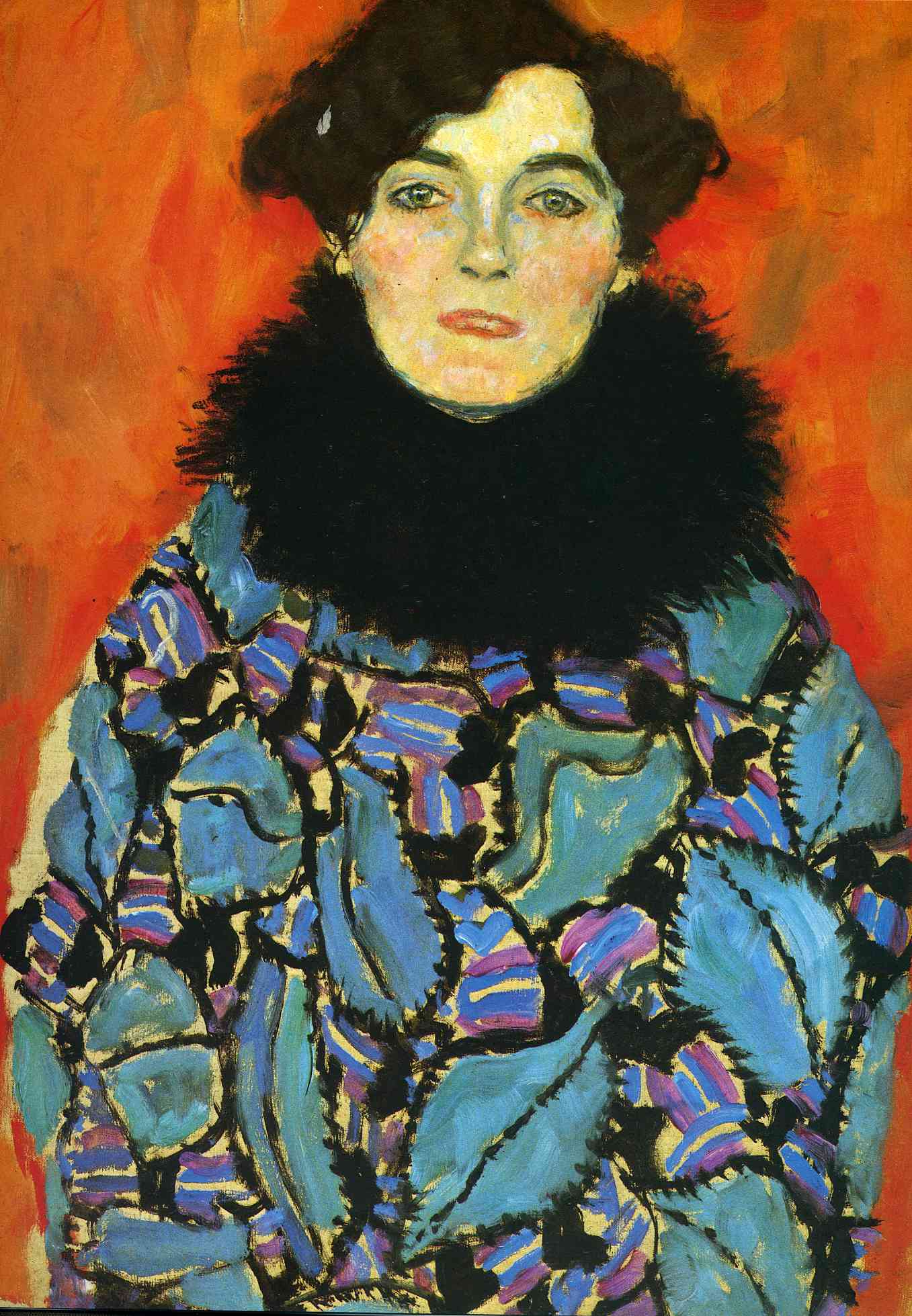
Johanna Staude (1917-18),


 and The Black Feathered Hat (1910),

 the latter from a period when the French influence in Klimt’s work was particularly strong.

Also on view will be a number of erotic drawings, highlighting his preoccupation with the female body. Klimt’s landscape paintings, revealing his independence of form, represent another significant genre in the exhibition; from the early impressionist  


On Lake Attersee (1900),


to the later Italian Garden Landscape (1913),

engaging more expressive brushwork and color.

The Legion of Honor is the sole venue for the exhibition, which will be on view from October 14, 2017 through January 28, 2018. The exhibition is guest curated by Dr. Tobias G. Natter; leading Klimt scholar, previous director of the Leopold Museum and former curator in chief at the Belvedere in Vienna, with contribution from Martin Chapman, curator in charge of European decorative arts and sculpture at the Fine Arts Museums of San Francisco.

  • Gustav Klimt, "Portrait of Ria Munk III (Bildnis Ria Munk III)," 1917 (unfinished).  Oil on canvas, 180 x 90 cm.  The Lewis Collection

    Gustav Klimt, "Portrait of Ria Munk III (Bildnis Ria Munk III)," 1917 (unfinished). Oil on canvas, 180 x 90 cm. The Lewis Collection
    Image courtesy of the Fine Arts Museums of San Francisco
  • Auguste Rodin, "The Kiss," 1881–1882 (reduced 1904 [no.  4], cast ca.  1914).  Bronze, 23 1/4 x 14 1/4 x 14 7/8 in.  (59.1 x 36.2 x 37.9 cm).  Inscribed: Rodin.  Fine Arts Museums of San Francisco, Gift of Alma de Bretteville Spreckels, 1941.34.8

    Auguste Rodin, "The Kiss," 1881–1882 (reduced 1904 [no. 4], cast ca. 1914). Bronze, 23 1/4 x 14 1/4 x 14 7/8 in. (59.1 x 36.2 x 37.9 cm). Inscribed: Rodin. Fine Arts Museums of San Francisco, Gift of Alma de Bretteville Spreckels, 1941.34.8
    Image courtesy of the Fine Arts Museums of San Francisco

Picasso / Lautrec at the Thyssen-Bornemisza Museum

Thyssen-Bornemisza Museum
17 October 2017 to 21 January 2018
The exhibition Picasso / Lautrec analyses the relationship between the early work of Pablo Picasso and that of the French artist Henri de Toulouse-Lautrec.


In 1899, the young Picasso first became associated with Els Quatre Gats, a group of avant-garde writers and artists in Barcelona who were close to modernism and the decadent movement and were influenced by Toulouse-Lautrec, among others. However, it was between 1900 and 1904, at the time when Picasso was living for periods in Paris prior to permanently moving there, that he made contact with the work of the Post-impressionists such as Lautrec.


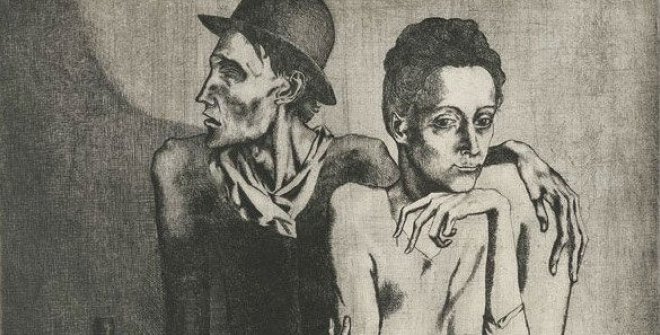
Pablo Picasso, The Frugal Meal, 1904.


During those years Picasso’s subject matter focused on the city’s low life and on the atmosphere of the night-time café-concerts. His painting was clearly influenced at this point by Lautrec’s, as this exhibition will reveal.

Curator: Francisco Calvo Serraller and Paloma Alarcó.

Chagall: Fantasies for the Stage

 The Los Angeles County Museum of Art
July 31, 2017-January 7 ,2018


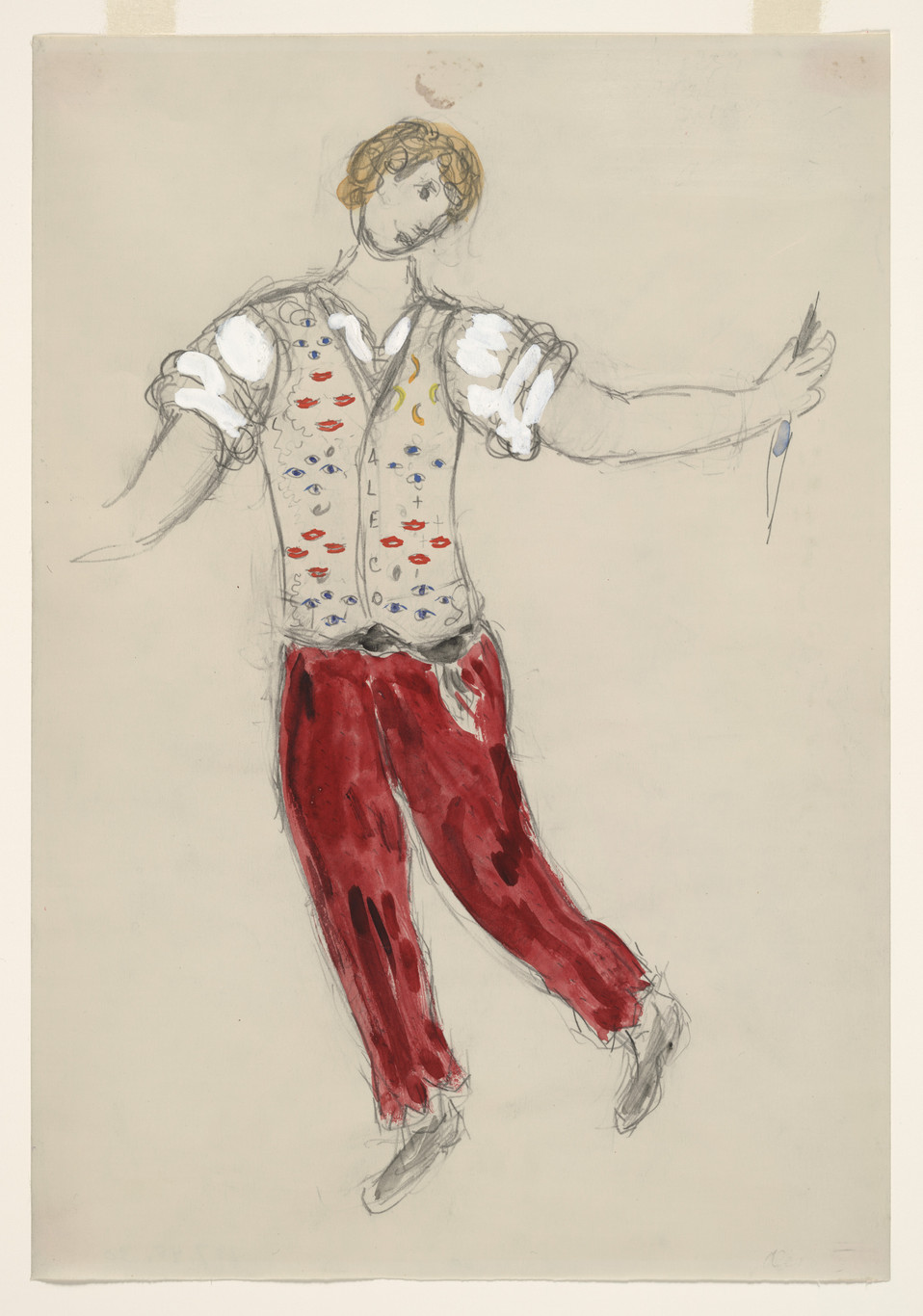
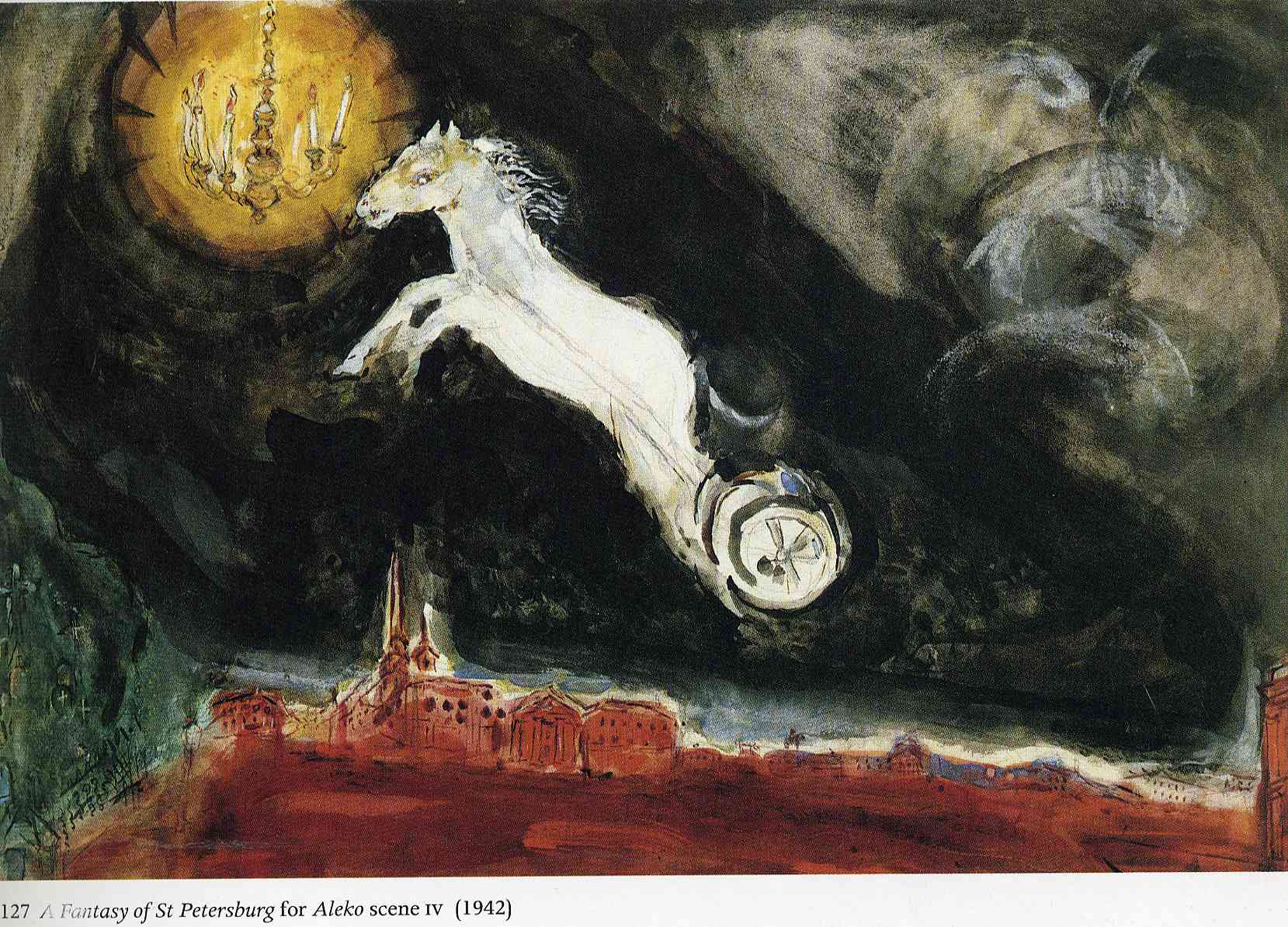
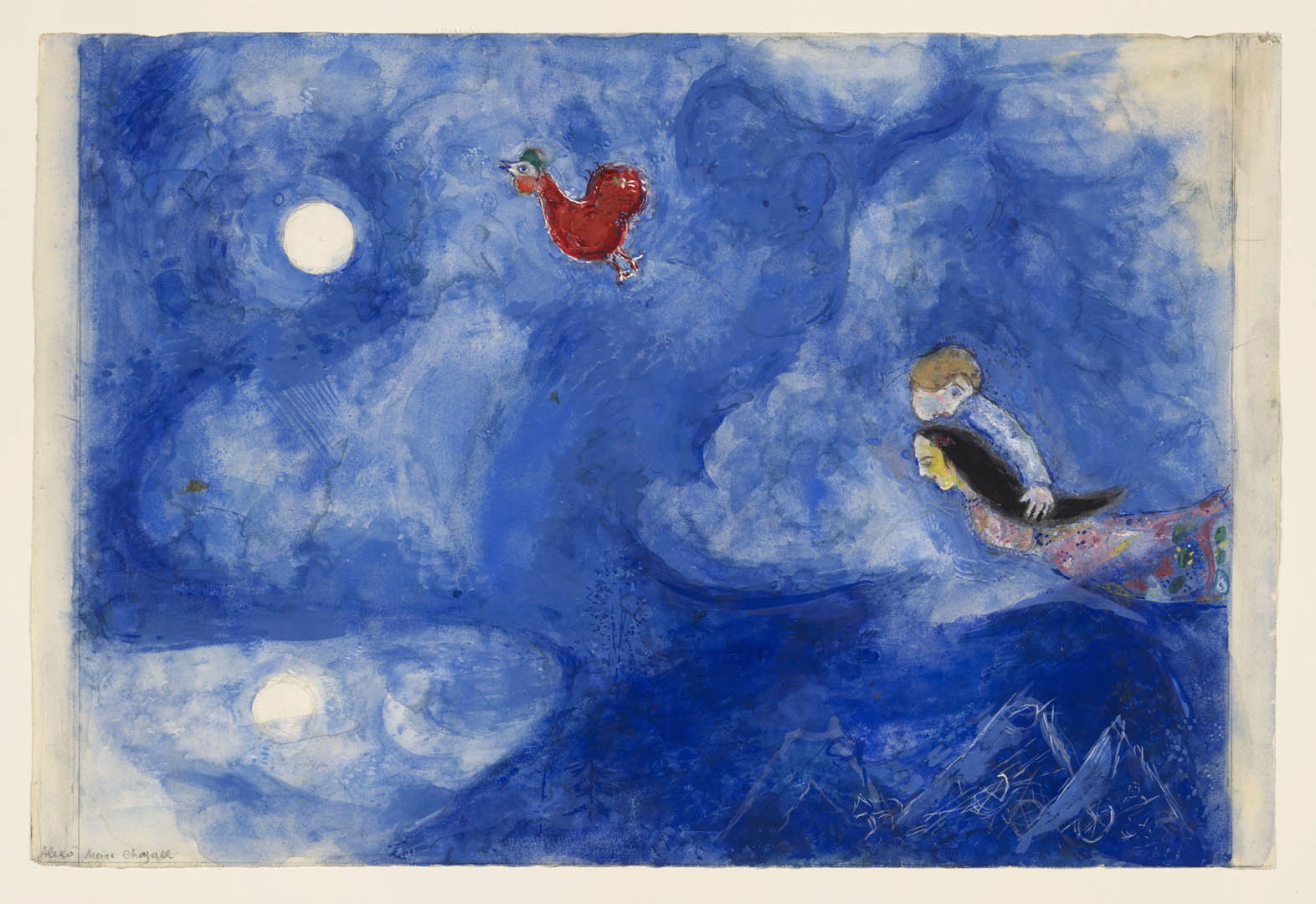
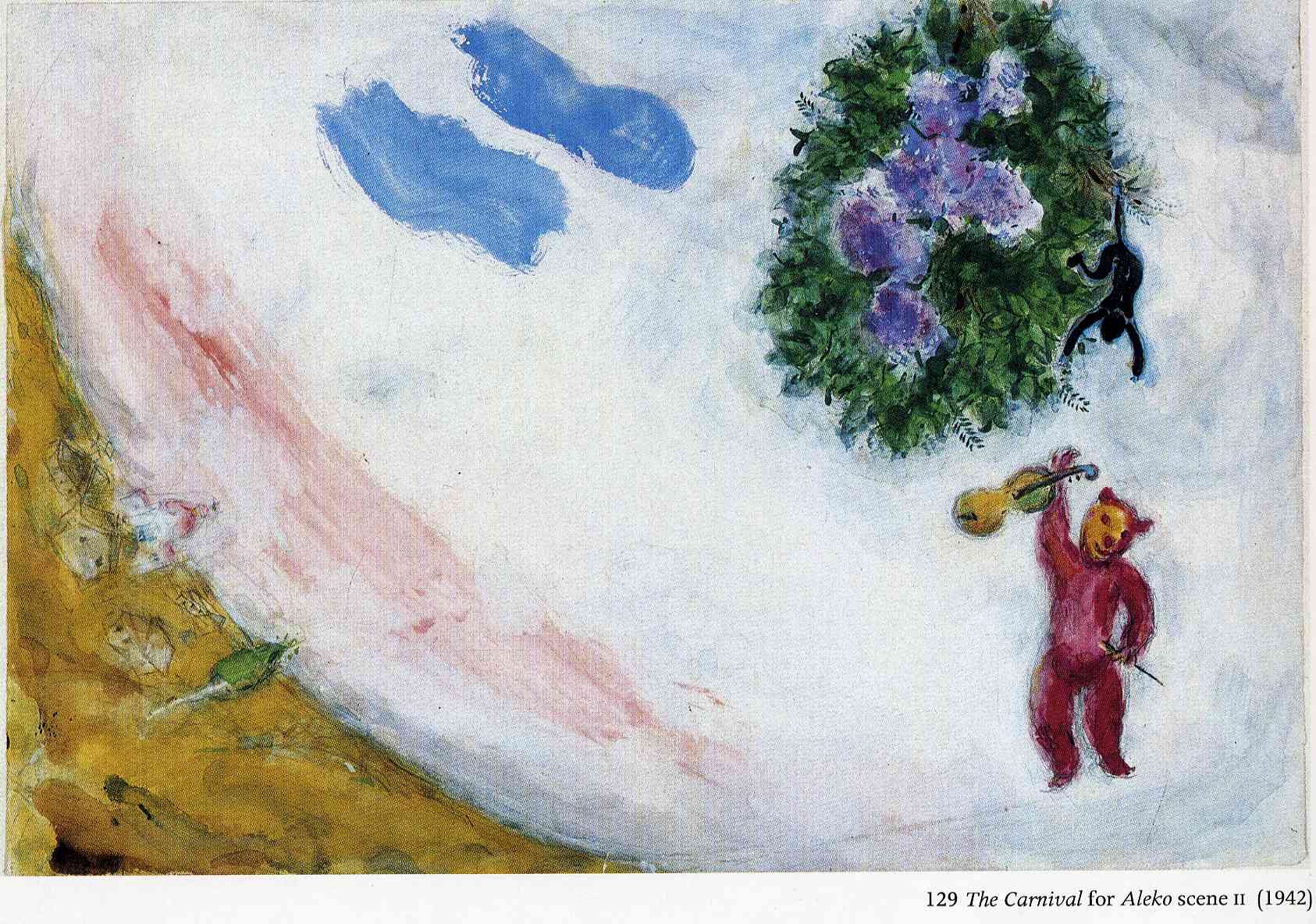
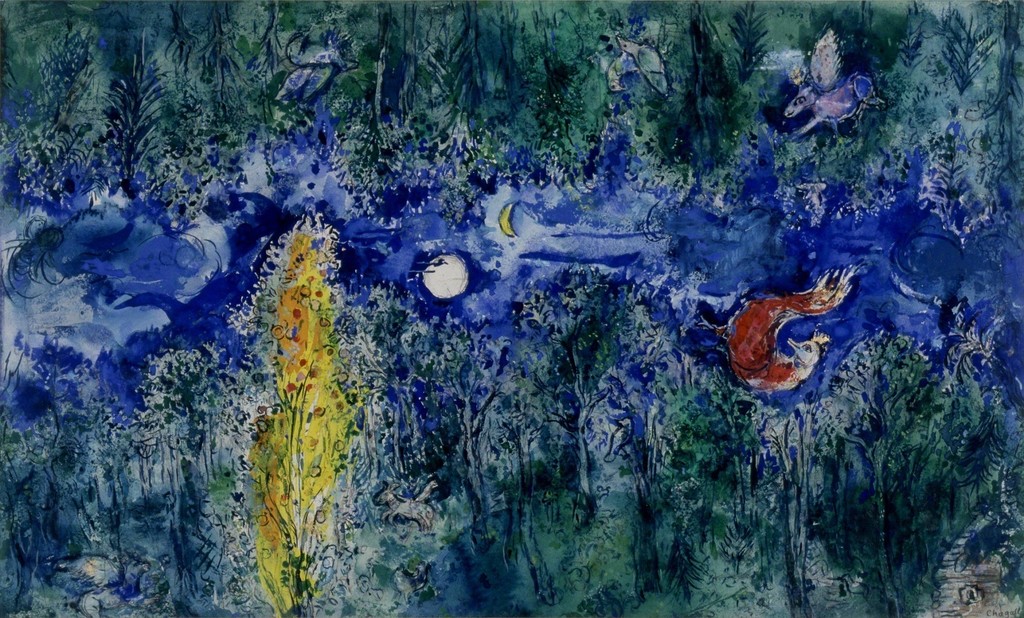
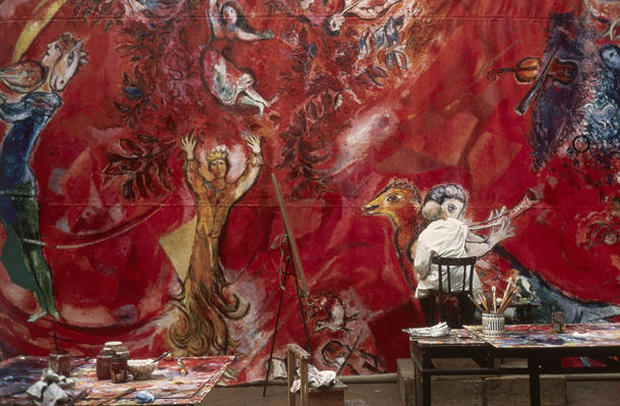
Chagall: Fantasies for the Stage highlights the principal role that music and dance played in Chagall’s artistic practice. The performing arts were a significant source of inspiration for Chagall throughout his long career: he depicted musicians in many of his paintings, collaborated on set designs for the Ballet Russes in 1911, created murals and theatrical productions for the Moscow State Jewish Theater in the 1920s, and designed costumes and monumental sets for ballet and opera in the 1940s, 1950s, and 1960s.

The exhibition concentrates on Chagall’s four productions for the stage—the ballets

Aleko, set to music by Pyotr Tchaikovsky (1942):


Marc Chagall

Aleko. Costume design for the ballet Aleko

(1942) 


Marc Chagall. Zemphira, costume design for Aleko (Scene IV). (1942


 Finale of the Ballet "Aleko", 1942 - Marc Chagall


Marc Chagall. Aleko and Zemphira by moonlight, 1942, gouache and pencil on paper

 
The Carnival, scene II of the Ballet "Aleko", 1942 - Marc Chagall


The Firebird by Igor Stravinsky (1945):


Chagall's study for The Firebird ballet curtain

Marc Chagall, 'Model for the curtain in the first act of "The Firebird"


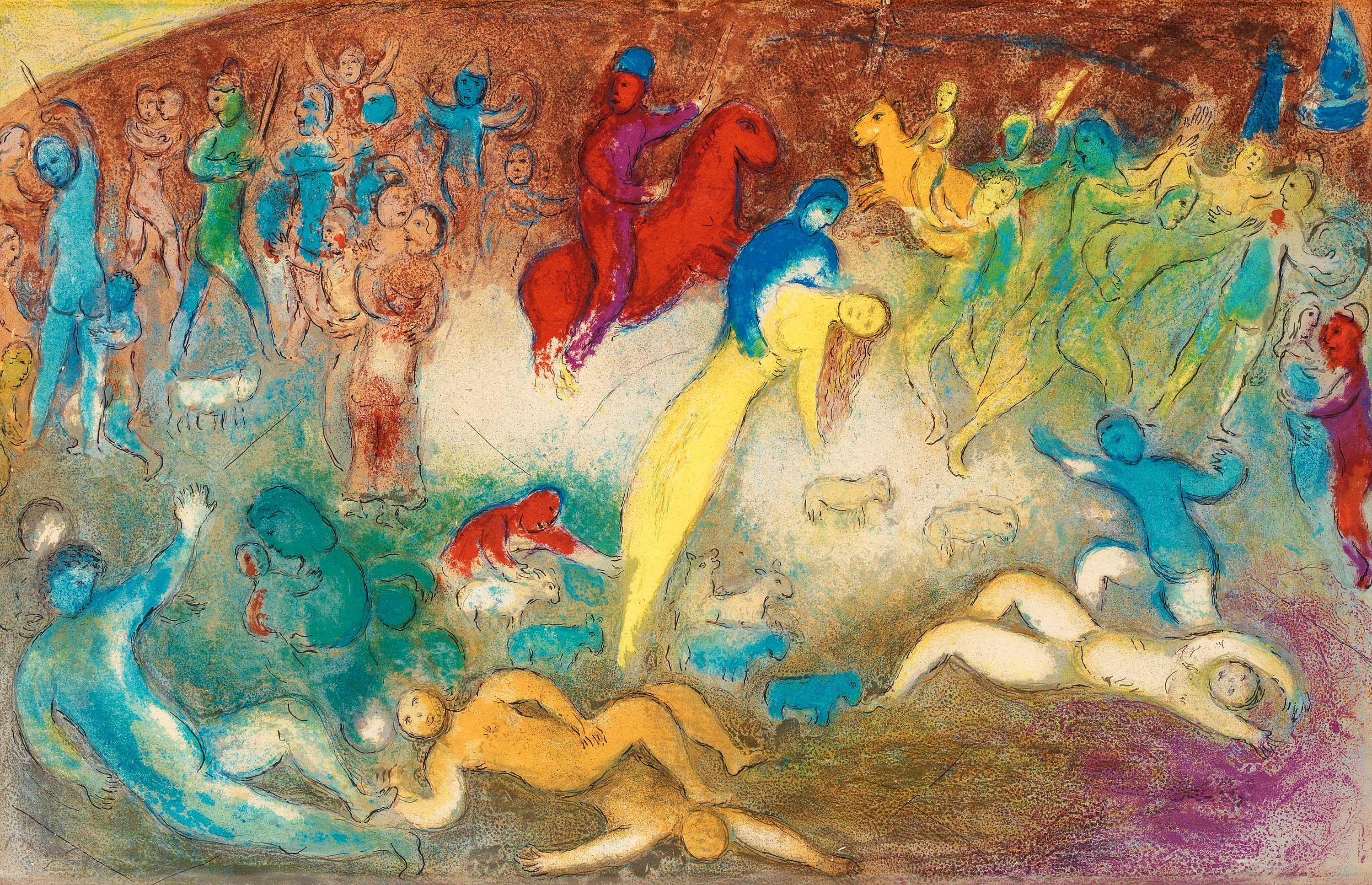
Daphnis and Chloé by Maurice Ravel (1958):


Marc Chagall The Nymphs' Cave, from Daphnis and Chloe

Marc Chagall, Daphnis and Lycenion, from Daphnis and Chloe


Marc Chagall,  "Chloe is carried off by the Methymneans", from "Daphnis and Chloe".

and Wolfgang Amadeus Mozart’s opera The Magic Flute (1967):


The exhibition features the artist’s vibrant costumes and set designs—some of which have never been exhibited since they appeared on stage—and also presents a selection of iconic paintings depicting musicians and lyrical scenes, numerous works on paper, and documentary footage of original performances.

In bringing these pieces together, Chagall: Fantasies for the Stage communicates the moving and celebratory power of music and art, and spotlights this important aspect of the artist’s career.

Organized by the Montreal Museum of Fine Arts in collaboration with the Los Angeles County Museum of Art.
Initiated by the Cité de la musique - Philharmonie de Paris, and La Piscine - Musée d'art et d'industrie André Diligent, Roubaix, with the support of the Chagall estate.

Saturday, August 26, 2017

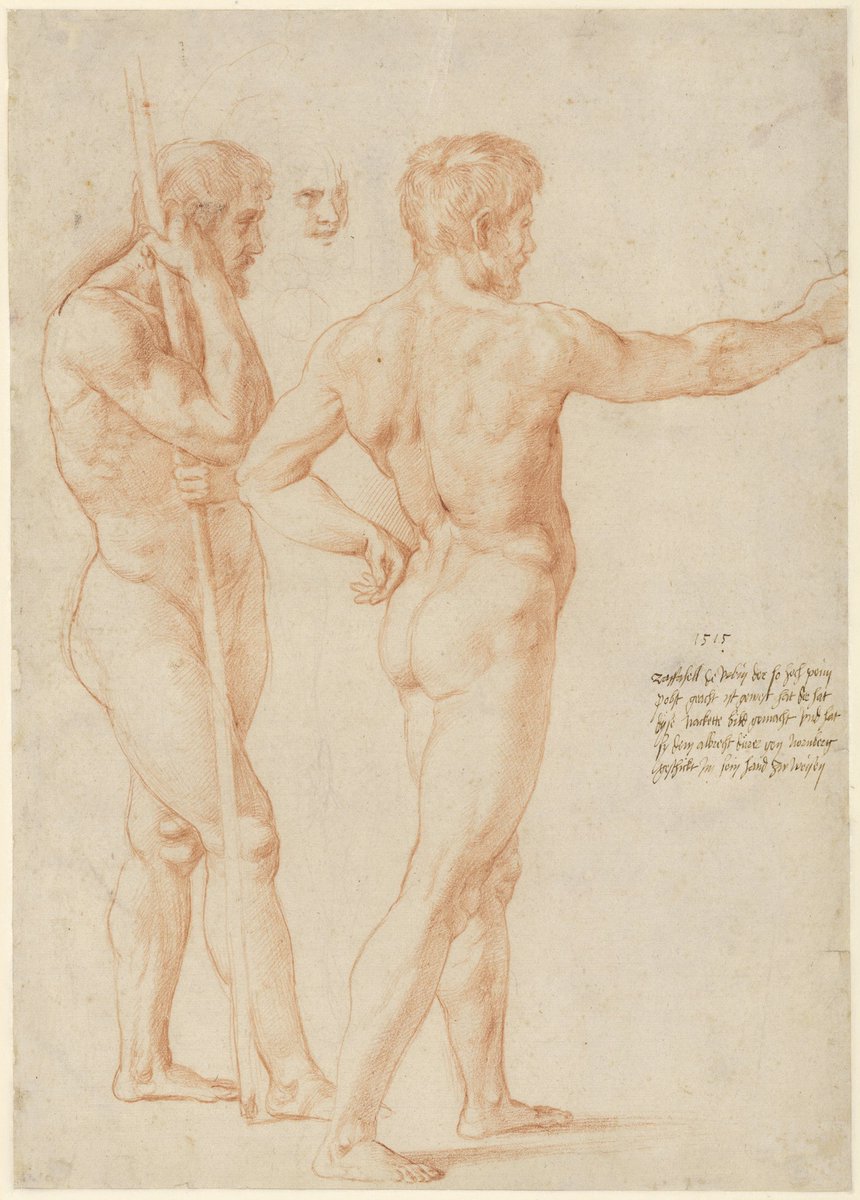
Raphael at the Albertina

       
ALBERTINA | VIENNA, AUSTRIA
29 SEPTEMBER 2017 – 7 JANUARY 2018


This autumn, the Albertina will pay homage to Raphael with a major exhibition of some 170 paintings and drawings representative of nearly all of the artist's important projects.

Developed in cooperation with the Ashmolean Museum in Oxford, Raphael will offer a fresh look at the Renaissance master’s thought and composition method, based on an exploration of his entire career: from the early Umbrian period (up to 1504) to the years in Florence (1504/1505–1508) and finally to his time in Rome (1508/1509–1520).

Raphael is based on the Albertina’s own significant holdings by the artist, accompanied by exceptional loans of famous works from prominent institutions such as Florence’s Uffizi Gallery, London’s Royal Collection and National Gallery, Oxford’s Ashmolean Museum, the Louvre Museum in Paris and the Vatican Museums.

Alongside Leonardo da Vinci and Michelangelo, Raphael completes the Renaissance’s great artistic triumvirate. What’s more, his world-famous drawings make this prematurely deceased master one of art history’s great draughtsmen, as well.

As a painter and architect who worked in Florence and Rome and for popes and princes, Raphael was a true universal genius of the High Renaissance who constantly sought to strike a balance between naturalist imitation and idealisation. 


Raphael, Portrait of Bindo Altoviti, ca. 1514–1515. National Gallery, London

Raphael, Madonna of the Meadow, 1511

 Raphael, The Esterhazy Madonna, 1508


 Raphael, The Garvagh Madonna, 1511

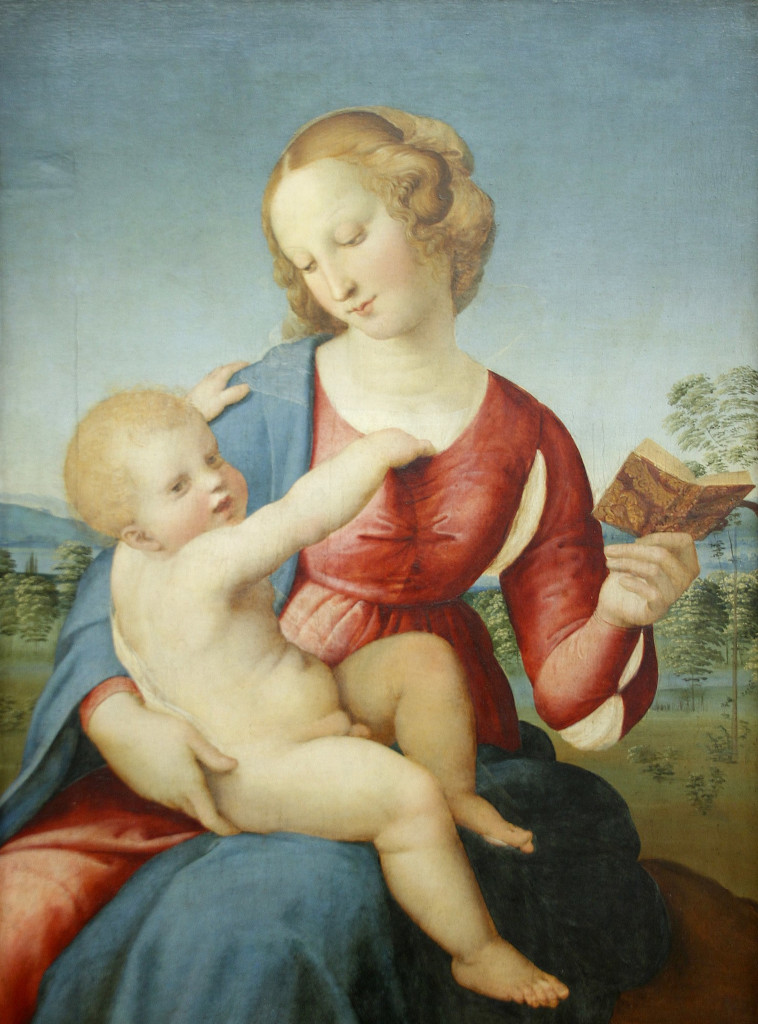
Raphael, Colonna Madonna, 1508


Friday, August 11, 2017

The Great Graphic Boom Art in America, 1960-1990


National Museum of Oslo
3 March - 28 May 2017
Staatsgalerie Stuttgart

14 July - 5 November 2017


In cooperation with the National Museum of Oslo, the Staatsgalerie Stuttgart is presenting exceptional works of American graphic art of the period from 1960 to 1990.


Roy Lichtenstein, Sweet Dreams, Baby!, 1965, Staatsgalerie Stuttgart, Graphische Sammlung © Estate of Roy Lichtenstein/ VG Bild-Kunst, Bonn 201


"M-Maybe," a 1965 pop art painting by Roy Lichtenstein


https://www.staatsgalerie.de/en/press/great-graphic-boom-engl/sgs.html

Printmaking had previously served primarily to make religious or political content accessible to a broad public and as an important means communication in other areas as well. In the early twentieth century it was above all the German Expressionists who devoted themselves to this technique quite extensively. Decades later, in the late 1950s, the U.S. then experienced a veritable “graphic boom”.
At this point in time, the most prominent artists of the American avant-garde – exponents of Abstract Expressionism, Hard Edge, Pop Art, Minimal Art and other currents – began experimenting and working with a wide variety of printmaking techniques.

Publishing companies specializing in printmaking – for example Universal Limited Art Editions (ULAE) in New York, founded by Tatyana Grosman in 1957, or GEMINI G.E.L (Graphic Editions Limited) in Los Angeles, established in 1966 – played a special role, owing above all to the high standards they set for graphic art. Individual sheets, portfolios and artists’ books were produced in great numbers. Especially the Pop artists used printmaking as a means of responding to industrial mass production and the advertising language of the media.

The majority of the artists had already made names for themselves as painters. At the same time – following in the footprints of the pioneers of modern graphic art such as Paul Gaugin, Edvard Munch and Pablo Picasso – they employed above all lithography and screen printing, but also other printmaking techniques, to arrive at individual artistic formulations.

The exhibition will feature some 170 sheets offering impressively broad insight into the styles and manifestations of American printmaking and its establishment as an independent art form.
Organized by the Staatsgalerie Stuttgart in collaboration with the Nasjonalmuseet Oslo.

Works by 23 artists, both well-known and less familiar, are on display. Featured attractions include


Barnett Newman 1905-1970
P01027-44 Eighteen Cantos 1963-4
Series of eighteen lithographs of various sizes
Presented by Mrs Annalee Newman 1972
Tate Gallery,

Barnett Newman's major Cantos series (1964)

and Agnes Martin's On a Clear Day (1973), as well as Robert Rauschenberg's use of found objects and Jasper Johns's reworking of mundane subject matter such as flags and letters. Lithography and silk-screen prints were the media of choice for many artists, while Helen Frankenthaler, Donald Judd, and Brice Marden explored older techniques such as woodcuts and etching.


Roy Lichtenstein's famous Brushstroke is a natural inclusion here, as are


 Staatsgalerie Stuttgart, Graphische Sammlung, Leihgabe 1968 Kultusministerium Baden-Württemberg, © 2017 The Andy Warhol Foundation for the Visual Arts,


Andy Warhol's portraits of Elizabeth Taylor and Jackie Kennedy. Other highlights include Warhol's Campbell's soup cans


and Louise Bourgeois's Ste Sebastienne.


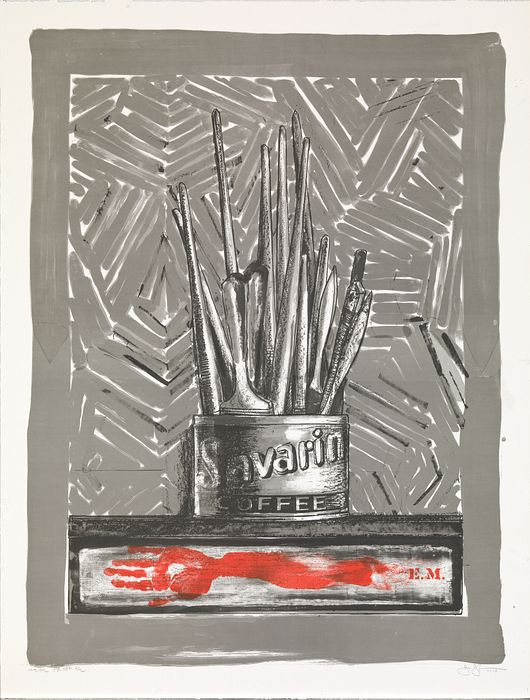
Savarin, 1981, Jasper Johns given as a gift to the National Museum as a honor to Her Majesty Queen Sonja. Foto: Børre Høstland/Nasjonalmuseet


Artists represented:

Willem de Kooning (1904–1997), Barnett Newman (1905–1970), Louise Bourgeois (1911–2010), Agnes Martin (1912–2004), Jackson Pollock (1912–1956), Robert Motherwell (1915–1991), Sam Francis (1923–1994), Ellsworth Kelly (1923–2015), Roy Lichtenstein (1923–1997), Robert Rauschenberg (1925–2008), Helen Frankenthaler (1928–2011), Robert Indiana (*1928), Donald Judd (1928–1994), Cy Twombly (1928–2011), Andy Warhol (1928–1987), Jasper Johns (*1930), Lee Bontecou (*1931), John Baldessari (* 1931), Frank Stella (*1936), Ed Ruscha (*1937), Richard Serra (*1939), Bruce Nauman (*1941)


Sam Francis, The White Line (Die weiße Linie), 1960, Farblithographie auf elfenbeinfarbenem Papier, 90,5 x 63 cm, Staatsgalerie Stuttgart,