Castello
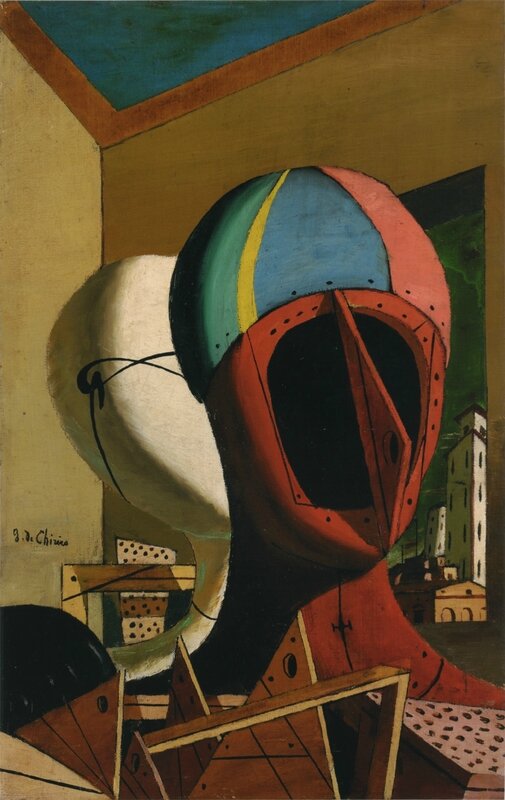
di Rivoli is presenting an important group of Giorgio de Chirico’s
paintings from the Francesco Federico Cerruti Collection for the very
first time. The exhibition will feature eight early paintings by the
Metaphysical artist, which until now have remained hidden in Villa
Cerruti in Rivoli, the home built by the Turin industrialist in the
1960s exclusively to house his private collection.
In keeping with
the spirit that characterizes the Cerruti Collection and its
encyclopaedic vision, which ranges from medieval paintings with gold
leaf backgrounds to contemporary art, the exhibition at Castello di
Rivoli proposes a brand new journey through time, establishing a link
between the works of de Chirico and key pieces of contemporary art in
the museum’s permanent collection. “The exhibition narrative,” writes
Marcella Beccaria, “presents visitors with a dizzying thematic blend of
similarities, references and contradictions, but also surprising links,
which cast new light on the meaning of de Chirico’s art and on his rich
cultural heritage.”
Giorgio de Chirico, La partenza degli argonauti.
Set within the baroque castle, where the past
continuously renews its encounter with the present, the exhibition
comprises a series of dialogs between paintings by de Chirico and the
works of contemporary artists such as Giulio Paolini, Michelangelo
Pistoletto and Maurizio Cattelan. Carolyn Christov-Bakargiev states: “In
de Chirico, the rediscovery of classical mythology does not unfold as
it did in the Renaissance in order to reconstruct a story of the past,
but instead to escape history, the same history that has led us from the
Renaissance to that dangerous and uncontrollable modern acceleration
that has continued right up to the present day. De Chirico is
Nietzschean, anti-modern and against historicism. By renewing the
concept of circular time, the artist looks back to mythology and the
pervasiveness of the concept of metamorphosis that characterizes it.”
Giorgio
de Chirico, Composizione metafisica (Muse metafisiche), 1918.
Collezione Fondazione Francesco Federico Cerruti per l’Arte. Long-term
loan. Castello di Rivoli Museo d’Arte Contemporanea, Rivoli-Torino.
Art Gallery of South Australia, SA
16 July – 30 September 2018
The National Gallery of Australia’s touring exhibition, Diane Arbus: American Portraits.
Diane
Arbus, Boy with a straw hat waiting to march in a pro-war parade,
N.Y.C., 1967 1967. Gelatin silver photograph. National Gallery of
Australia, Canberra. Purchased 1980.
The
photographs of Diane Arbus (1923–71) are among the most widely
recognised in the history of photography. Her images stand as powerful
allegories of post-war America, and once seen are rarely forgotten.
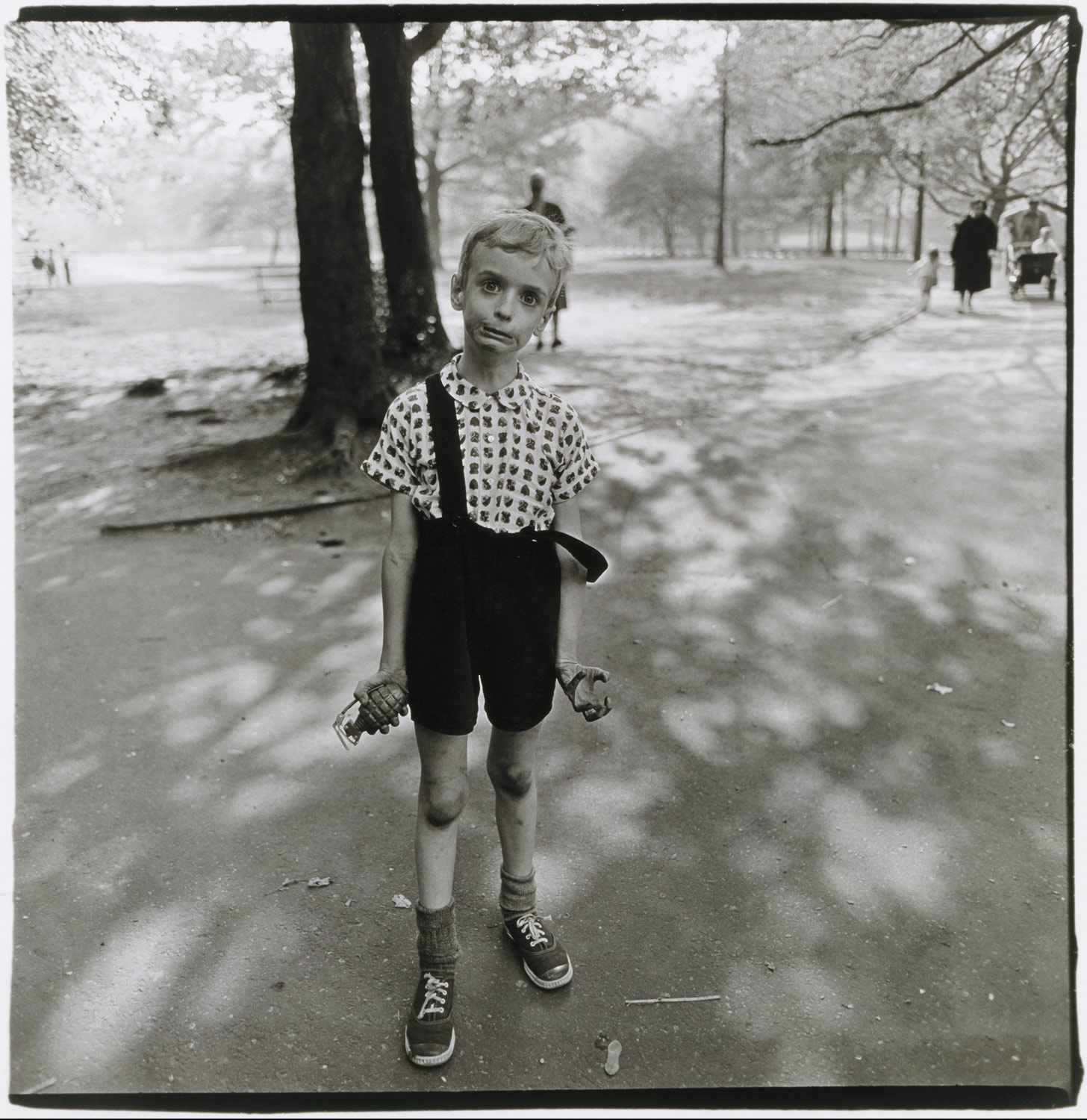
Works such as
Identical twins, Roselle, N.J., 1967
and Child with toy hand grenade, in Central Park, New York City
have been described as two of ‘the most celebrated images in the
history of the medium’.
Featuring 35 of Arbus’s most iconic and
confrontational images from 1961–71, this exhibition examines the last
decade of Arbus’s life and the period in which her style is in full
flight. Her work has polarised viewers who question whether she
exploited or empowered her subjects, who were often drawn from society’s
margins.
Diane Arbus, Mae West on bed 1965. Gelatin silver photograph. National Gallery of Australia, Canberra. Purchased 1981.
Diane Arbus. Patriotic young man with a flag, N.Y.C. 1967 gelatin silver photograph. National Gallery of Australia, Canberra. Purchased 1980.
Diane Arbus. Woman with a beehive hairdo 1965, gelatin silver photograph, National Gallery of Australia, Canberra . Purchased 1981.
Arbus’s photographs will be exhibited alongside a selection of works by other leading American photographers.
d manufacture, sell, or transport intoxicating beverages from 1920 until 1933. Spirited: Prohibition in America, a new exhibition opening at the Lyman Allyn Art Museum explores this tumultuous time in American history, when flappers and suffragists, bootleggers and temperance lobbyists, and legends, such as Al Capone and Carry Nation, took sides in this battle against the bottle.
Organized by the National Constitution Center, Philadelphia, PA, in partnership with Mid-America Arts Alliance, Kansas City, MO, Spirited: Prohibition in America explores the era of Prohibition, when America went “dry.” Visitors will learn about the complex issues that led America to adopt Prohibition through the 18th Amendment to the Constitution in 1919 until its repeal through the 21st Amendment in 1933. Through the exhibition, visitors will learn about the amendment process, the changing role of liquor in American culture, Prohibition’s impact on the roaring ‘20s, and the role of women, and how current liquor laws vary from state to state.
In 1830, the average American consumed 90 bottles—or about four shots a day—of 80-proof liquor each year. Saloons gained notoriety as the most destructive force in American culture, where men would drink away their families’ money. Following extensive campaigning and lobbying by the Anti-Saloon League, along with groups representing women’s suffrage and the Woman’s Christian Temperance Union, on January 16, 1919, the 18th Amendment to the Constitution was ratified, and beginning January 17, 1920, Americans could no longer manufacture, sell, or transport intoxicating beverages. However, the Volstead act, the law enforcing the amendment, made exceptions for sacramental, medicinal, and industrial purposes as well as allowing families to “preserve fruit” through fermentation.
In the years following, the country was split between “wets” and “drys,” speakeasies flourished, legal authorities gave chase to gangsters, and many created inventive ways to circumvent the law. Governmental agencies, including the Prohibition Bureau and the Justice Department, charged with enforcing the Volstead act were ill equipped to deal with the flood of illegal booze. Along with rampant law breaking, Prohibition brought unexpected cultural and societal shifts from the development of mixed-gendered speakeasies to the growth of organized crime syndicated into national enterprises.
The exhibition draws on the histories told from both sides of this divisive issue that riled passions and created volatile situations. In the end after a decade of wide-spread corruption, wavering public opinion, and the need to generate revenue from an alcohol tax, the 18th Amendment became the first ever repealed. With the passing of the 21st Amendment, Prohibition ended on December 5, 1933 to a very different America. Today, Prohibition’s legacy can be traced through state laws regulating alcohol, created to avoid the excesses before Prohibition and the corruption and lawlessness experienced during the roaring ‘20s.
Prohibition, Detroit, 1919. Courtesy Walter P. Reuther Library, Wayne State University
Spirited: Prohibition in America brings visitors back to
this period of flappers and suffragists, bootleggers and temperance
lobbyists, and real-life legends, such as Al Capone and Carry Nation.
Adapted from the National Constitution Center’s flagship exhibition, Spirited
explores the history of Prohibition, from the dawn of the temperance
movement to the unprecedented repeal of a constitutional amendment in
1933. What made the country go “dry” and how did America change during
this period in history? Visitors to Spirited will learn about
the amendment process, the role of liquor in American culture, the
cultural revolution of the roaring ’20s, and how liquor laws vary from
state to state today
.
The morality and illegalization of liquor split American opinion and
created a subculture of rampant criminality. Organized crime grew from
localized enterprises to a national network for manufacturing,
distribution, and sales of alcohol. The issue catalyzed a number of
federal regulations and the passing of the Volstead Act, but little
resources were provided for enforcement. Spirited draws on
histories told from both sides of the law. Through strong visual and
interactive elements, the exhibition demonstrates how America went from a
nation drowning in liquor in the 1800s, to campaigns of temperance, and
the upswing and downfall of outlawing prohibition.
The exhibition surveys the inventive and ingenious ways lawmakers and
the American public responded to Prohibition. Legal provisions for
sacramental wine, medicinal alcohol, and the preservation of fruit and
the efforts of breweries to stay in business led to popularization of
products such as “Dr. Welch’s Unfermented Wine,” “near beer,” and
Coca-Cola. Visitors will learn how transportation networks and clever
disguises were used to run liquor from state to state, how speakeasies
gave way to the popularization of jazz, and the Charleston dance craze.
Spirited features semi-immersive environments that encompass
the sights, sounds, and experiences of this fascinating period in
American history..
The 5,000 square foot exhibit features over 100 rare artifacts including:
A 1929 Buick Marquette. One of the bootleggers’ key innovations was
the “Whiskey Six,” six-cylinder cars, such as the Buick Marquette on
display, that bootleggers would modify extensively to accommodate
illegal cargo and evade authorities.
A hatchet used by the famous saloon buster, Carry Nation.
A telephone used Roy Olmstead to operate his bootlegging empire.
Olmstead, after leaving the Seattle police force, became the most
successful bootlegger in the Pacific Northwest. He was also the
plaintiff in Olmstead v. United States, one of the most important Fourth
Amendment cases to arise during Prohibition.
Original ratification copies of the 18th and 21st Amendments.
Al Capone’s guilty verdict, which convicted the crime boss of not paying taxes on money earned from his illegal operations.
A Prohibition Bureau Badge issued by the Department of Justice.
Prohibition agent Eliot Ness’ signed oath of office from 1926 in which he swore to “support and defend the Constitution.”
Flapper dresses, cocktail couture, and other women’s and men’s fashion accessories from the 1920s.
Original home manufacturing items used for making moonshine, homebrewed beer, and other illegal and highly potent liquor.
Museum of Fine Arts, Boston February 25 through May 28, 2018
Marking the centenary of the deaths of Gustav Klimt (1862–1918) and
Egon Schiele (1890–1918), the Museum of Fine Arts, Boston (MFA),
presents a special exhibition of drawings on loan from the Albertina
Museum in Vienna. Klimt and Schiele: Drawn,
on view from February 25 through May 28, 2018 in the Lois B. and
Michael K. Torf Gallery, examines the separate, yet parallel experiences
of the acclaimed Austrian modernists, as well as the compelling ways in
which their work relates—particularly in their provocative depictions
of the human body.
Organized thematically, the selection of 60 works on
paper extends from the artists’ early draftsmanship to explore how each
shifted away from traditional training to more incisive and
unconventional explorations of humanity over the course of their
careers. The MFA is one of three museums—and the only U.S. venue—hosting
exhibitions of the Albertina’s rarely loaned drawings by Klimt and
Schiele in 2018, joining the Pushkin Museum of Fine Arts, Moscow, and
Royal Academy of Arts, London, to mark the 100th anniversary of the
artists’ deaths.
Klimt and Schiele: Drawn is accompanied by an
illustrated volume, Klimt and Schiele: Drawings, produced by MFA
Publications.
The 60 important drawings exquisitely
reproduced in this large-format volume reach from each artist’s early
academic studies to more incisive and unconventional explorations of
nature, psychology, sexuality and spirituality. Striking and provocative
even today, these works led both artists into controversy (and even a
brief imprisonment for Schiele) during their creators’ lifetimes.
Klimt
advised, “Whoever wants to know something about me as an artist ought to
look carefully at my pictures and try to recognize in them what I am
and what I want.” This album of unforgettable drawings from the
collection of the Albertina Museum, Vienna, provides a direct connection
to the minds of two master draftsmen exploring the limits of
representation, as well as the shock of recognition at seeing our own
inner selves caught on paper.
About the Author
Katie Hanson is Assistant Curator, Paintings, Art of Europe, at the Museum of Fine Arts, Boston.
“Part of the satisfaction of being with Klimt’s and Schiele’s
drawings is that they get under your skin—they’re hard to forget once
you’ve seen them,” said Katie Hanson, Assistant Curator, Paintings, Art
of Europe. “You feel the presence of these artists through the freshness
and immediacy of their draftsmanship, the energy of which is still
palpable even after a hundred years.”
Nearly 30 years apart in age, Klimt and Schiele shared a mutual
respect and admiration for each other’s talent, although the work they
produced is decidedly different in appearance and effect. Klimt’s
drawings are often delicate, while Schiele’s are regularly bold. Klimt
often used his as preparatory designs for paintings, while Schiele
considered his own as finished, independent pictures and routinely sold
them. Despite these departures, their works are also related. With frank
naturalism and unsettling emotion, both Klimt and Schiele challenged
conventions and expectations in portraits, nudes and allegories.
Beginnings
The exhibition opens with early works that exemplify the artistic
training completed by both Klimt and Schiele. After a two-year
introductory course at Vienna’s Kunstgewerbeschule (School of Applied
Arts), which he began at age 14, Klimt received a scholarship to
continue at the Fachschule für Zeichnen und Malerei (Technical School
for Drawing and Painting), where he remained until 1883. This training
led him to important commissions to decorate buildings around Vienna.
Three studies for the ceiling decoration Shakespeare’s Theater
in the Burgtheater (1886–87) demonstrate Klimt’s deft handling of the
differentiation of textures—the softness of hair, the firmness of flesh
over bone and the stiffness or rumpled ease of fabric. Meanwhile,
Schiele’s precocious talent made him the youngest member of his class at
the Akademie der Bildenden Künste (Academy of Fine Arts) when he began
his coursework in 1906, at age 16.
In Portrait of a Bearded Man
(1907), the teenaged artist gave discrete attention to the flowing
beard, slightly bristlier mustache and carefully combed hair. These
examples of their early draftsmanship showcase the beautiful shading and
modeling that are hallmarks of academic training.
Inner Life Made Visible
Soon enough, both artists shifted away from academically grounded
works. Their drawings began to describe a sense of tension or energy in
addition to visible features. Their treatments of the human body became
less conventional and less conservative, permitting them to examine the
inner workings and urges of humanity.
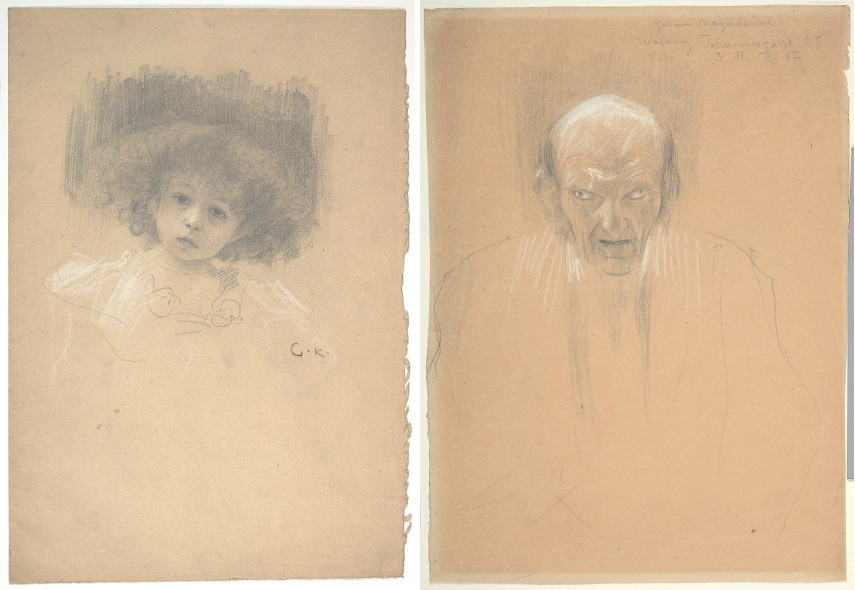
Klimt’s Portrait of a Bald Old Man (Study for Love)
(1895) (above right) is unsettling—the white illuminates the elderly man’s head and
provides an eerie glow to his unfocused eyes, contributing to the
haunting impression of the figure. This drawing and Portrait of a Child (Study for Love)
(1895), (above left) depicting a little girl, served as studies for an allegorical
painting on the theme of love—now in the collection of the Wien Museum
in Vienna—in which Klimt explores the duration and range of experiences a
lasting love might include.
Klimt provided something of an example to Schiele, who saw the older
artist defying conventions. While Klimt was not interested in
self-portraits, preferring above all to paint women, Schiele saw all
bodies, including his own, as subject to appraisal.
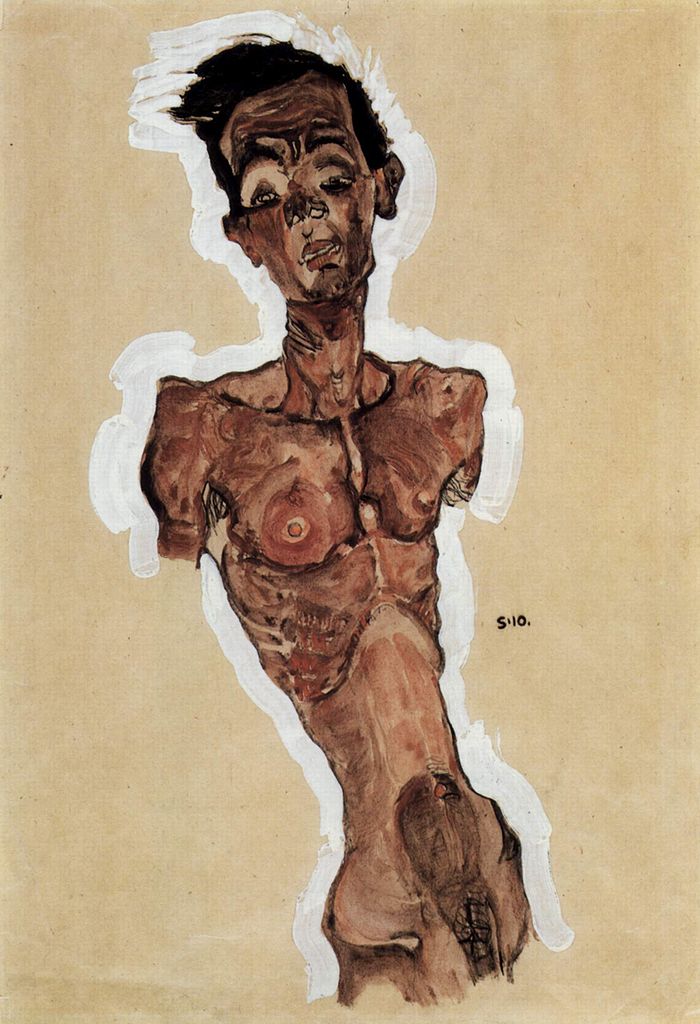
His convulsive
self-portraits, such as Nude Self-Portrait (1910), show a young
man grappling with himself. The drawing bristles with energy, depicting
his dark hair standing on end as if electrified. With one eye open and
the other closed, full pouty lips and furrowed brow, the facial
expression is dramatic but illegible. The skin is tinged purple and
blue, covering an emaciated body—far thinner than Schiele’s actual
physique—that juts at a dramatic angle into the sheet. It is surrounded
by a thick white band that evokes the inner glow—the radiant energy of
living beings that so fascinated Schiele.
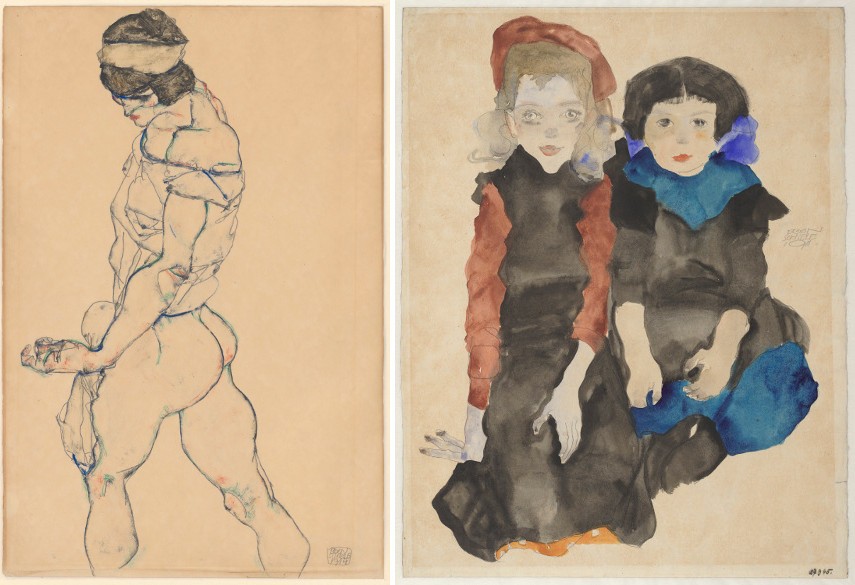
Schiele also applied this approach to portrayals of local
working-class children. Six of these drawings are displayed in the
exhibition, including
Left: Egon Schiele – The Pacer, 1914 / Right: Egon Schiele – Two Crouching Girls, 1911
Two Crouching Girls (1911), in which the
subjects appear at first glance to perch like dolls propped into
position. On closer inspection, however, the unnatural, unhealthy color
of the flesh—particularly in the icy tone of the blonde girl’s skin—and
the outsized hands contradict the initial charm and make them
more unsettling.
Nudes
Klimt and Schiele’s shared interests in human experience and inner
urges are perhaps most evident in their depictions of nudes. Despite the
twinge of voyeuristic unease that they may stir, the compositions are
hard to look away from. The bodies are unidealized, making them seem all
the more real, and often it is hard to tell what they are doing at
first glance. Without the aid of a title, it takes persistent effort to
identify what is depicted in
and, even helped by the title, the looping lines by the figure’s face in
Reclining Half Nude with Arms Entwined behind Her Head
(1916–17) do not readily coalesce into something recognizable. Both
women lounge seemingly in midair, unmoored from furnishings.
Schiele,
too, experimented with such unexpected omissions—The Pacer (1914) (above), for example, looks down at her tensely curled hand as if it holds something, but there is nothing there.
The Stuff of Scandal
Despite their successes and supporters, Klimt and Schiele were no
strangers to controversy. Klimt’s innovative approach to embodying ideas
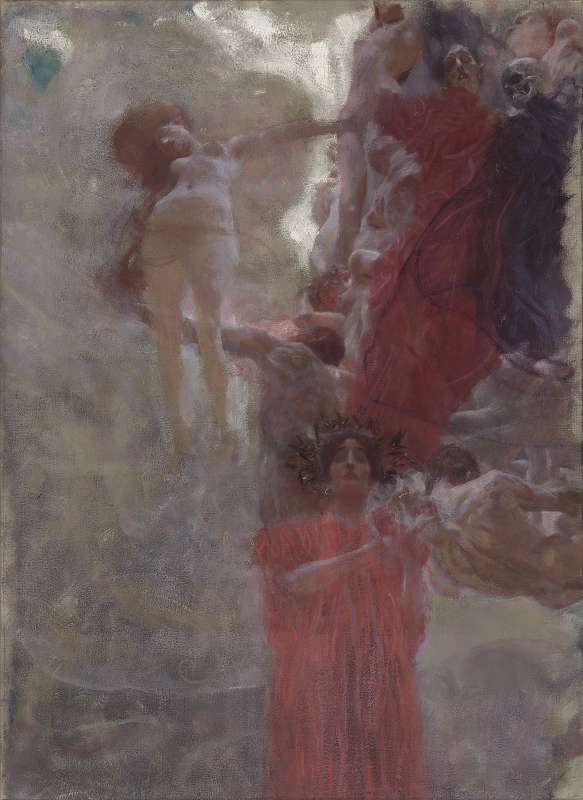
caused a scandal when he was asked to create large-scale works. In
1894, he and his early collaborator Franz Matsch were selected to design
ceiling paintings for the University of Vienna. Klimt showed his works,
depicting philosophy, medicine and jurisprudence, in process in 1900,
1901 and 1903 with the Vienna Secession, a group of artists who broke
away from the state-sponsored academy to exhibit independently. Although
the paintings were lost in a fire during World War II, related drawings
such as
Two Studies of a Skeleton (Studies for the Transfer Sketch for Medicine) (about 1900), Gustav Klimt. Courtesy of Albertina, Vienna and Museum of Fine Arts, Boston
and Two Studies of a Skeleton (Studies for the Transfer Sketch for Medicine)
(about 1900) convey the immediacy and unexpected naturalism that some
of Klimt’s contemporaries found so shocking.
Another firestorm of
controversy broke out over Klimt’s Beethoven Frieze, part of
the Secession’s 1902 exhibition, which celebrated the composer.
Standing Female Nude (Study for the Beethoven Frieze: “The Three Gorgons”) (1901), Gustav Klimt. Courtesy of Albertina, Vienna and Museum of Fine Arts, Boston
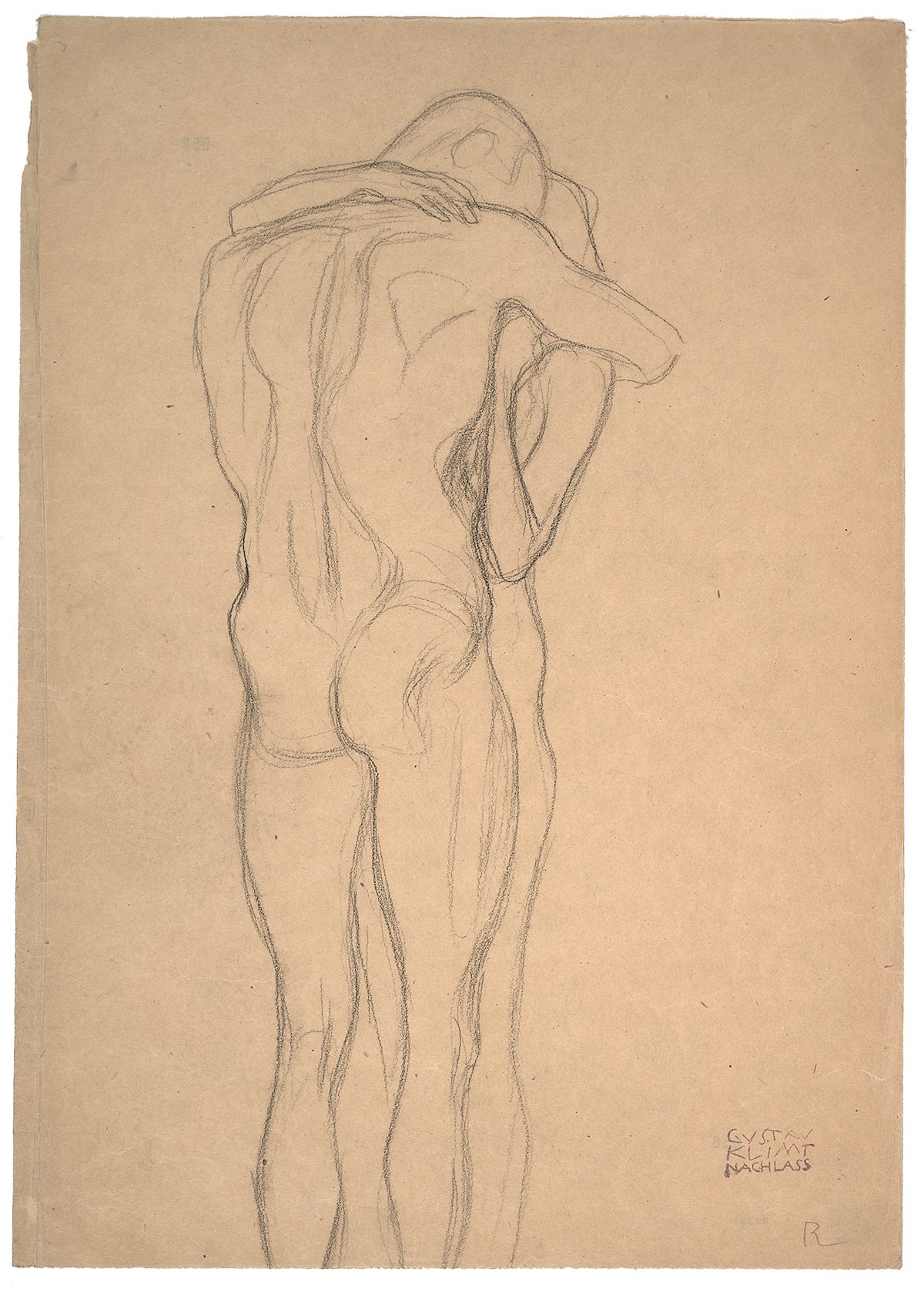
Gustav Klimt,Embracing Couple,1901.
(Study for ‘This Kiss to the Entire World; Beethoven Frieze’).
Black chalk. 45 x 30.8 cm. The Albertina Museum, Vienna.
The
frankly depicted, unidealized nude bodies that embody unseemly feelings
such as sexual desire earned the artist accusations of
pornographic obscenity.
Schiele, too, made art and lived a life that flouted polite
expectations. In 1912, a local adolescent who wished to run away from
home sought help from the artist and his girlfriend. Although the child
returned home unharmed, her parents accused Schiele of kidnapping, rape
and immorality—charges that could have meant up to 20 years in prison.
The artist was arrested on April 13 and a trial was held on April 30.
The first two charges were ultimately dropped as unfounded, but the
third held, as the police investigation turned up drawings in Schiele’s
studio that were deemed indecent for minors to see. The artist spent
just over three weeks in jail, before and after his court appearance,
and three drawings made during this time in prison—dated April 19, 23
and 24—are on view in the exhibition. Combining poetic and dramatic
titles with bold compositions, these drawings record Schiele’s
mounting despair.
Schiele found evocative, emotional resonances all around him—not only
in the bodies and faces of people, but also in nature. Two drawings by
the artist
—Red Chrysanthemum (1910)
and Yellow Chrysanthemum
(1910)—show flowers of the same species in two stages. The robust red
example, colored with broad strokes, opens to its maximum fullness,
while the frail yellow flower comes undone, with drooping leaves and the
spindly petals of a blossom past its prime. The same autumnal
melancholy also pervades Schiele’s depiction of
Old Houses in Český Krumlov (1914), Egon Schiele. Courtesy of Albertina, Vienna and Museum of Fine Arts, Boston
Old Houses in Český Krumlov
(1914) in the Czech Republic—the birthplace of his mother and where the
artist lived briefly in the summer of 1911, while seeking distance from
city life in Vienna.
Portraits
Portraiture provided both Klimt and Schiele with a way to make money
and connections—as well as a meeting place for their artistic visions
and the individual character of their sitters. Klimt maintained a
lucrative portrait practice among avant-garde patrons and collectors in
and around Vienna.
Two studies for
a portrait of his supporter Eugenia
Primavesi (1912 and 1913) show little detail in the figure’s face, yet convey a
strong sense of her character. Her raised chin, seen in both drawings,
confirms her commanding presence.
Klimt’s only
commissioned portrait of a child, now in the collection of the
Metropolitan Museum of Art. Additionally, three studies for a portrait
of Amalie Zuckerkandl—one of his last paintings, left unfinished—provide
a glimpse into the artist’s process. The sitter’s garment seems to
writhe with energy in each drawing, while her pose and demeanor shift as
Klimt searches for the definitive portrayal.
Klimt came to Schiele’s aid following his imprisonment in 1912, which
left the younger artist devastated and financially ruined. An
introduction to Klimt’s patrons August and Serena Lederer led to
Schiele’s friendship with their son Erich, who would become one of the
leading collectors of his work.
The artist’s portrayal of the teenaged Eric Lederer with Red Collar
(1913), seated in a jaunty pose, suggests the awkwardness of his youth.
Additional portrait drawings by Schiele on view depict others close to
the artist, including
his mother Edith
The Artist’s Mother, Sleeping (1911), Egon Schiele. Courtesy of Albertina, Vienna and Museum of Fine Arts, Boston
Portrait of the Artist’s Sister-in-law Adele Harms (1917), Egon Schiele. Courtesy of Albertina, Vienna and Museum of Fine Arts, Boston
and sister-in-law Adele Harms.
The skin of both women is rendered with blotchy discoloration—it appears
flushed, bruised and even seemingly decaying. Often seen in his
self-portraits, the effect makes the drawings more complicated to look
at and the reactions they induce more visceral.
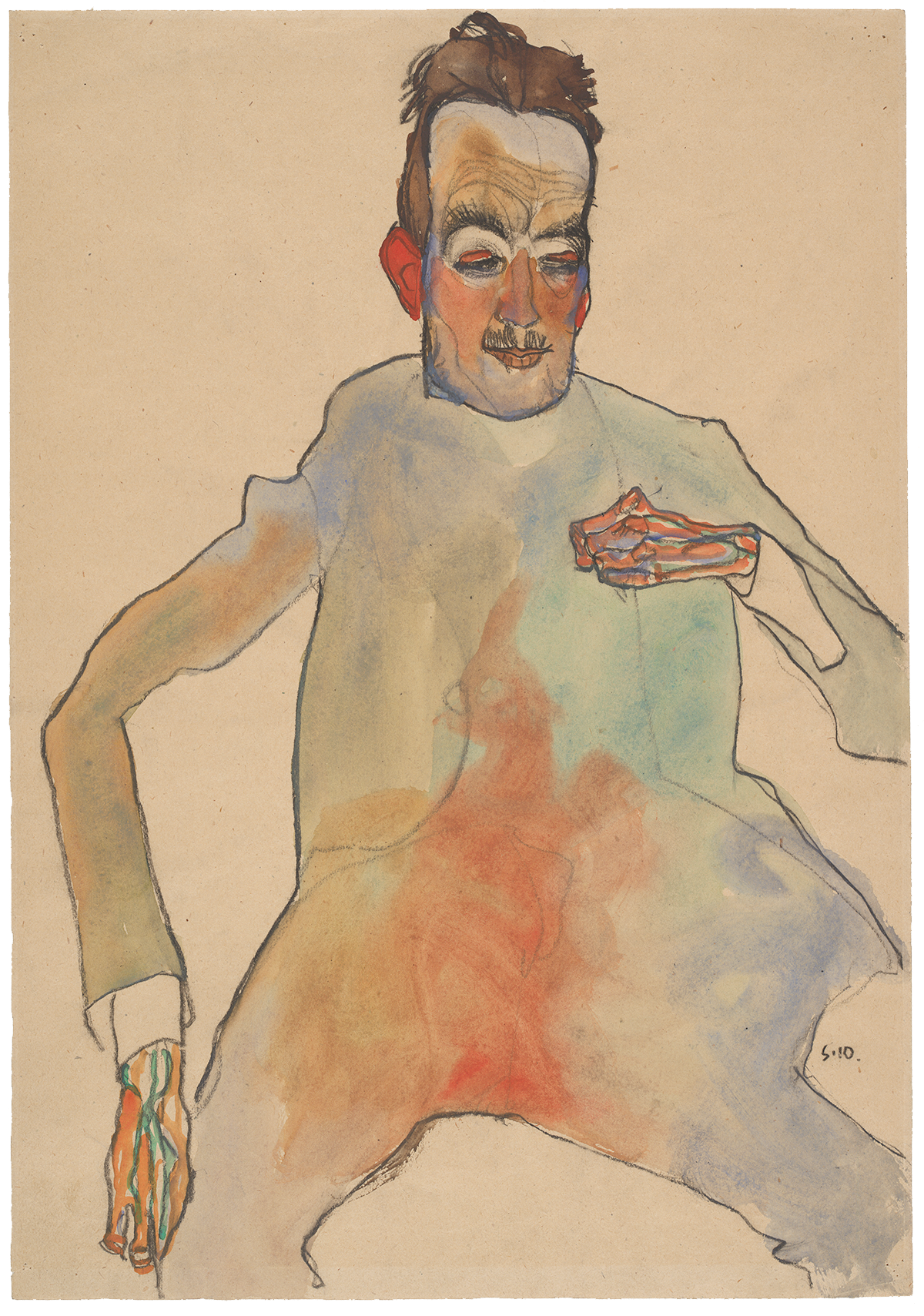
Egon Schiele,The Cello Player,1910.
Black chalk, watercolour on packing paper. 44.7 x 31.2 cm. The Albertina Museum, Vienna.
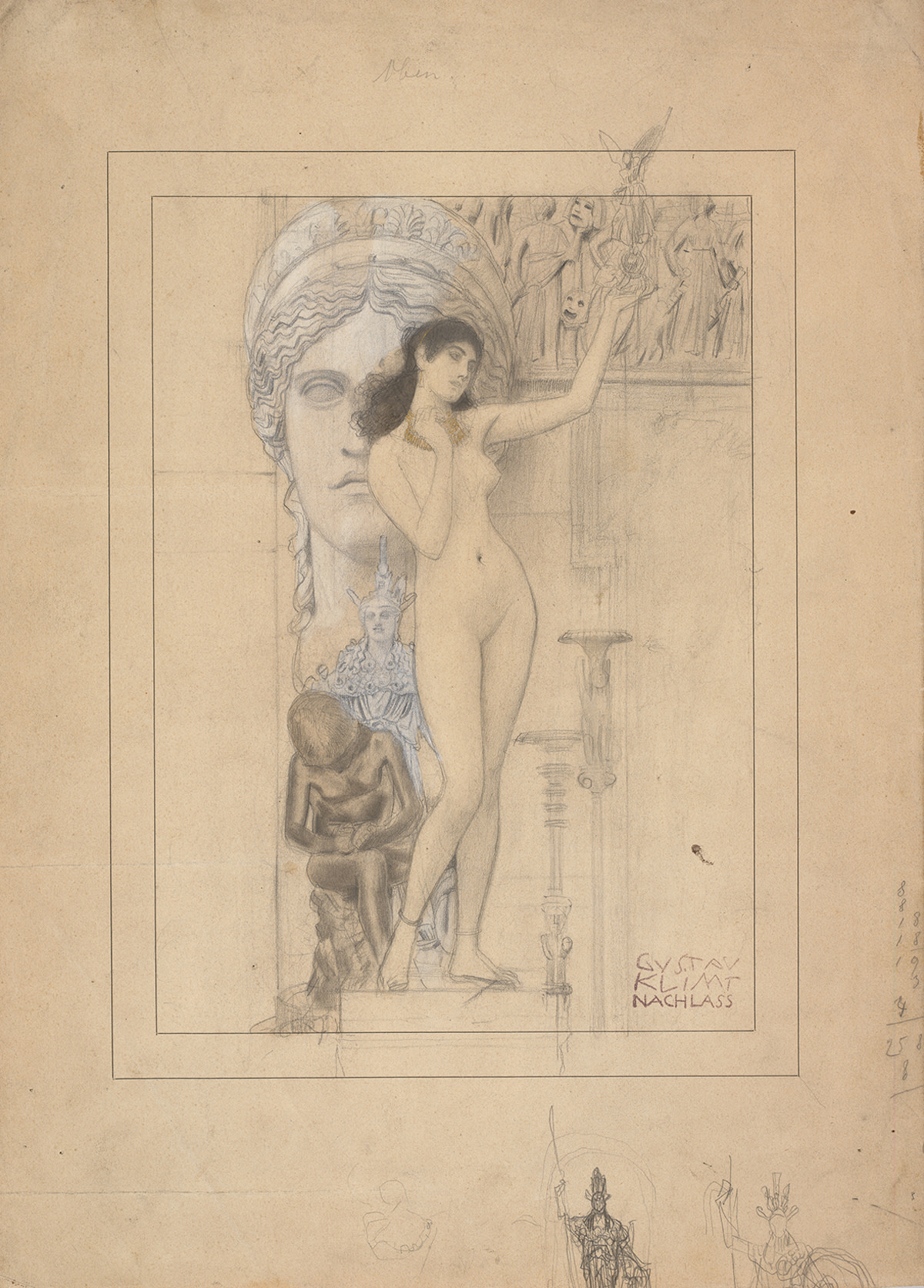
Gustav Klimt,Preliminary Drawing for 'Allegory of Sculpture',1889.
Graphite, blue pencil, heightened with gold. 44 x 30 cm. The Albertina Museum, Vienna.
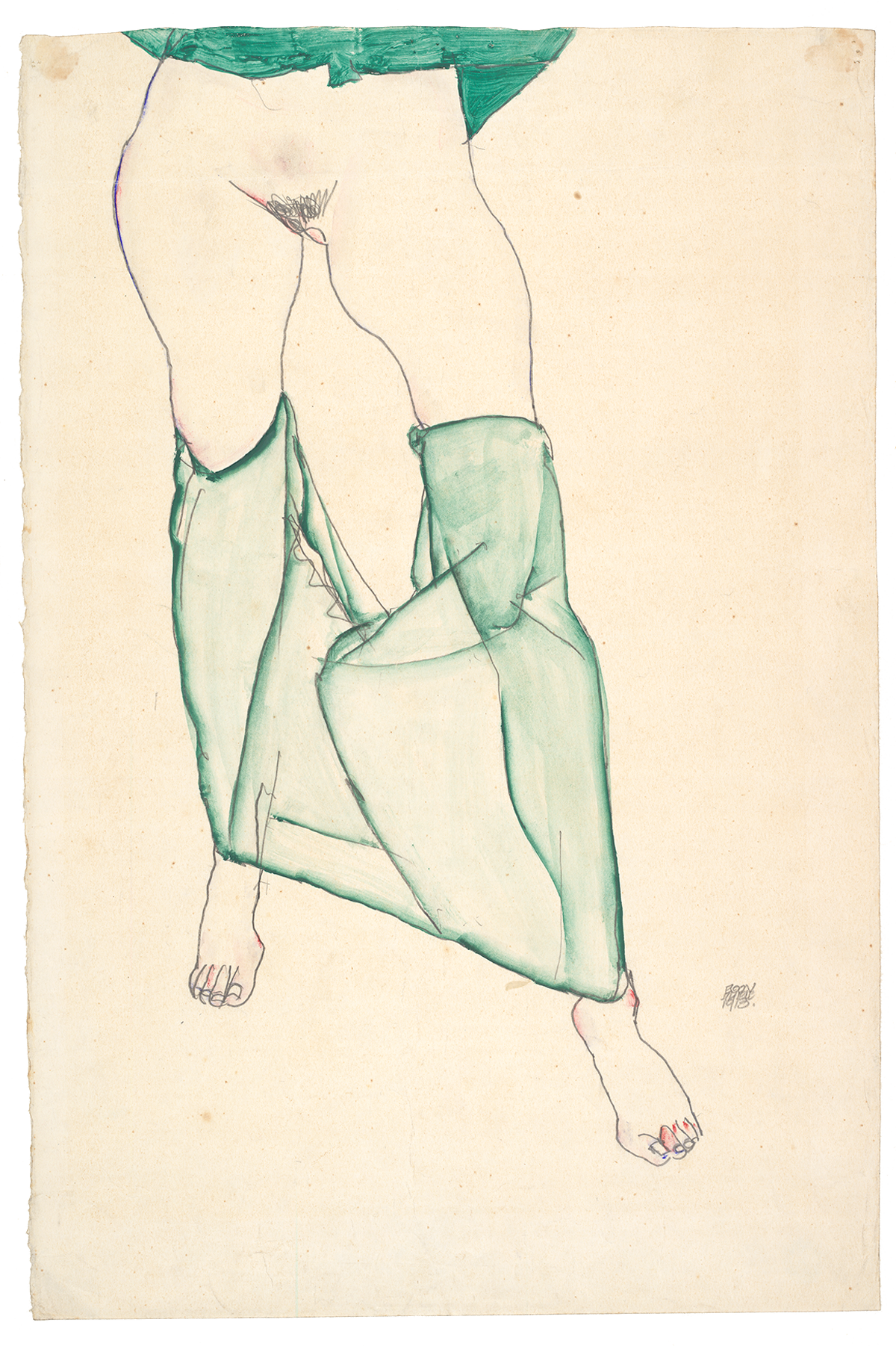
Egon Schiele,Standing Female Nude from the Waist Down with Green Garment,1913.
Pencil, watercolour, gouache on primed Japan paper. 48 x 31.5 cm. The Albertina Museum, Vienna.
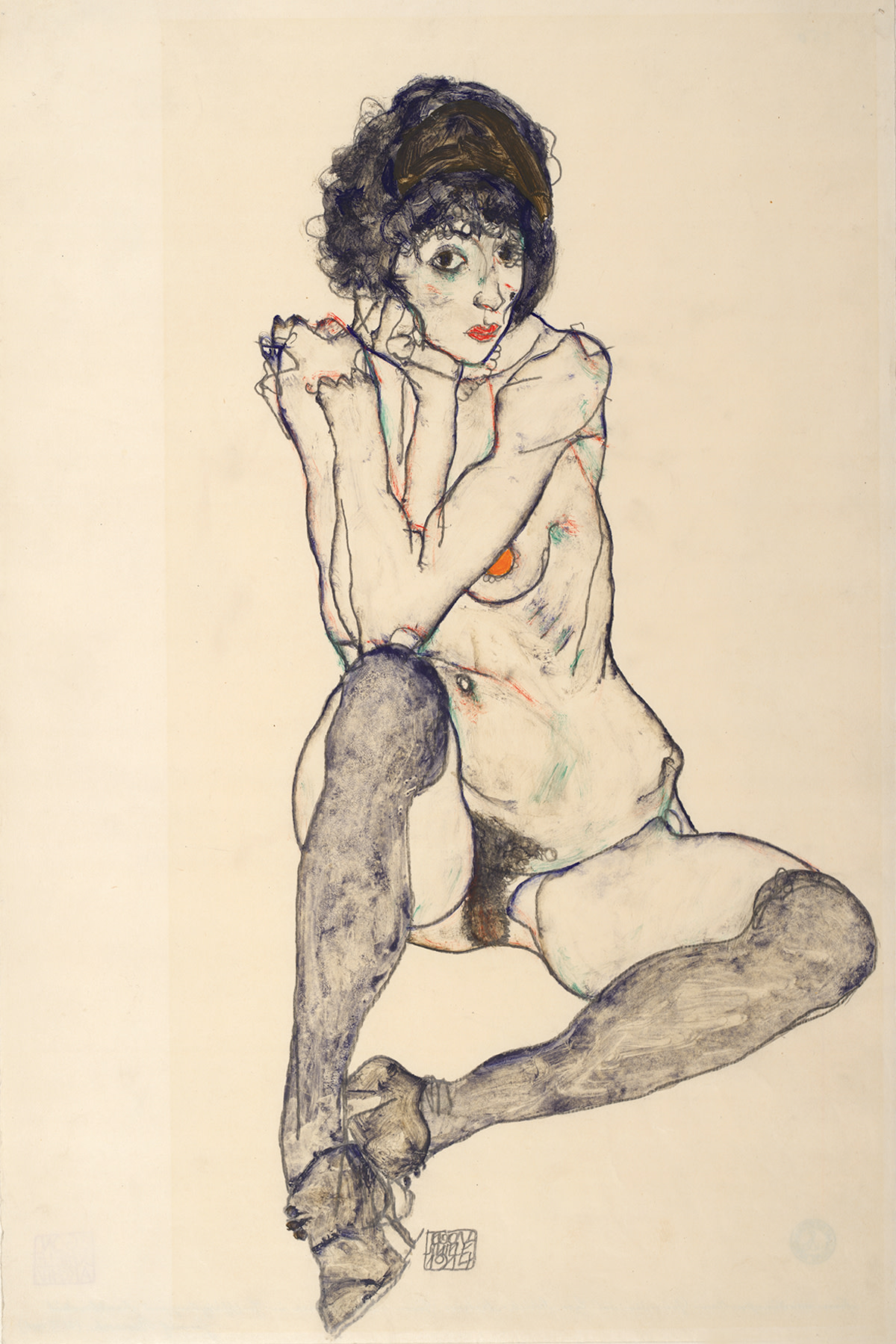
Egon Schiele,Seated Female Nude, Elbows Resting on Right Knee (detail),1914.
Pencil, gouache on Japan paper. 48 x 32 cm. The Albertina Museum, Vienna.
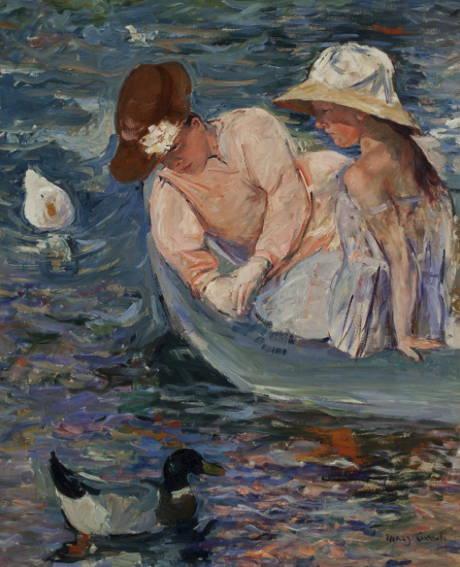
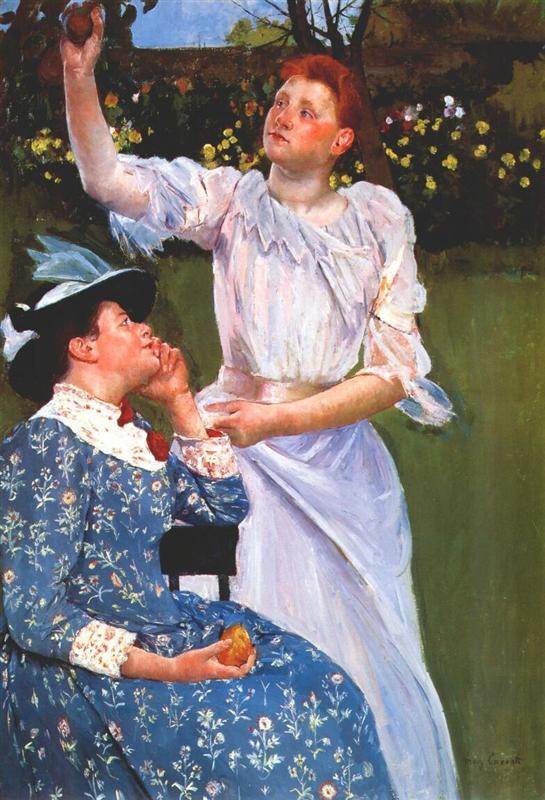
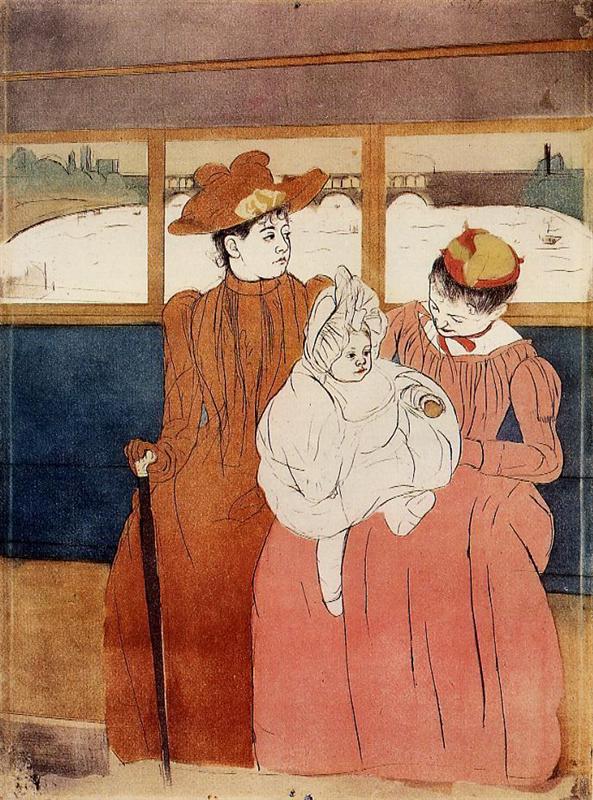
In the spring of 2018, Culturespaces and the
Musée Jacquemart-André will be holding a major retrospective devoted to
Mary Cassatt (1844–1926). Considered during her lifetime as the greatest
American artist, Cassatt lived in France for more than sixty years. She
was the only American painter to have exhibited her work with the
Impressionists in Paris.
The female representative of Impressionism
The
exhibition focuses on the only American female artist in the
Impressionist movement; she was spotted by Degas in the 1874 Salon, and
subsequently exhibited her works alongside those of the group. This
monographic exhibition will enable visitors to rediscover Mary Cassatt
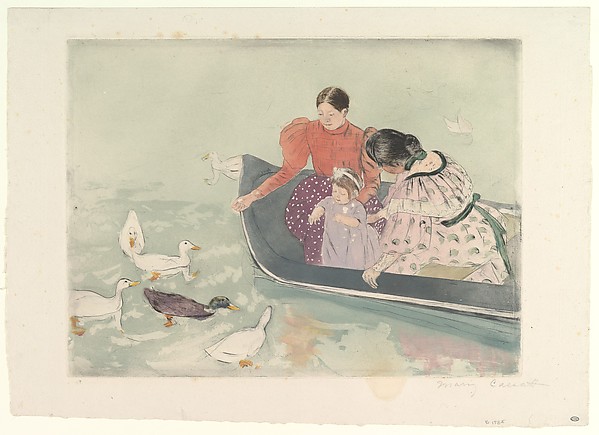
through fifty major works, comprising oils, pastels, drawings, and
engravings, which, complemented by various documentary sources, will
convey her modernist approach — that of an American woman in Paris.
A franco-american approach to painting
Born
into a wealthy family of American bankers with French origins, Mary
Cassatt spent a few years in France during her childhood, continuing her
studies at the Pennsylvania Fine Arts Academy, and eventually settled
in Paris. Therefore, she lived on both continents. This cultural duality
is evident in the distinctive style of the artist, who succeeded in
making her mark in the male world of French art and reconciling these
two worlds.
The originality of her vision
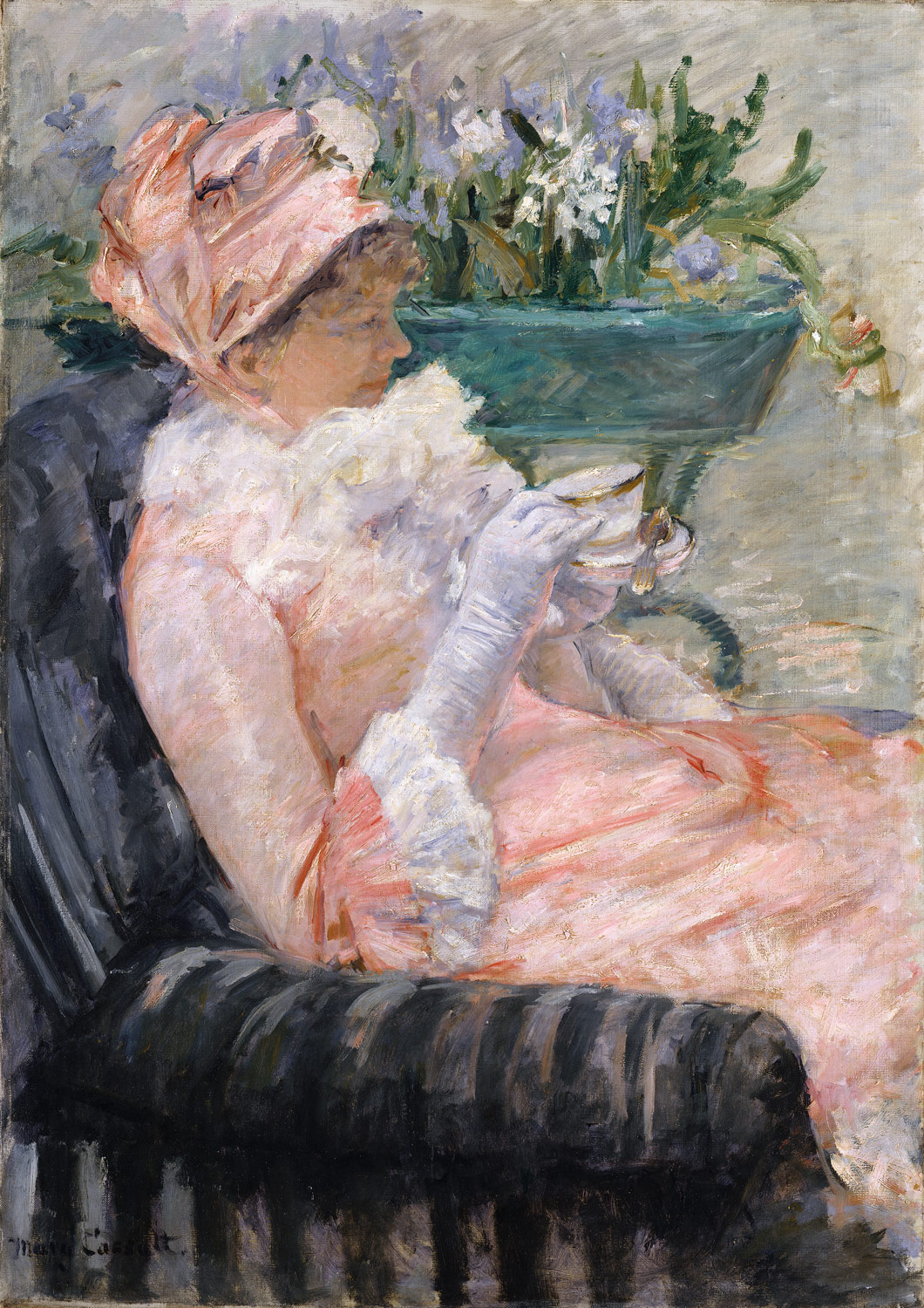
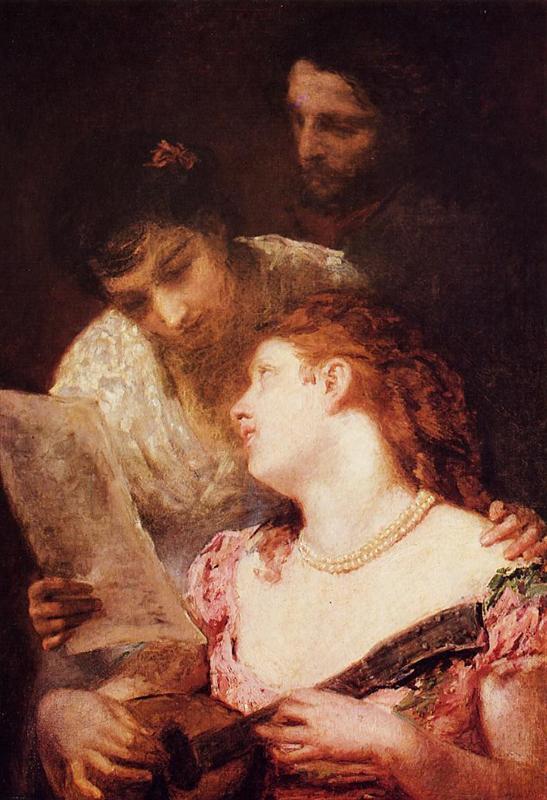
Just like Berthe
Morisot, Mary Cassatt excelled in the art of portraiture, to which she
adopted an experimental approach. Influenced by the Impressionist
movement and its painters who liked to depict daily life, Mary Cassatt’s
favourite theme was portraying the members of her family, whom she
represented in their intimate environment. Her unique vision and
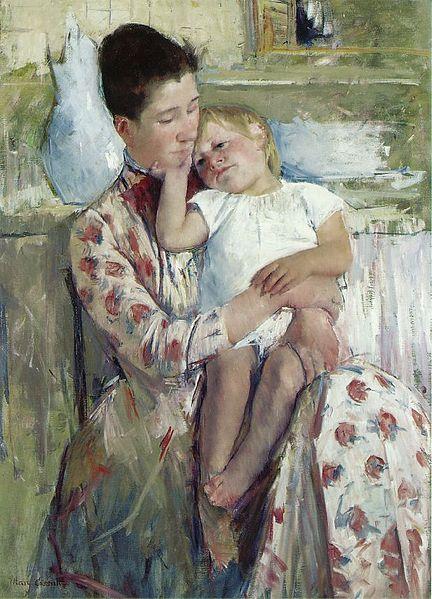
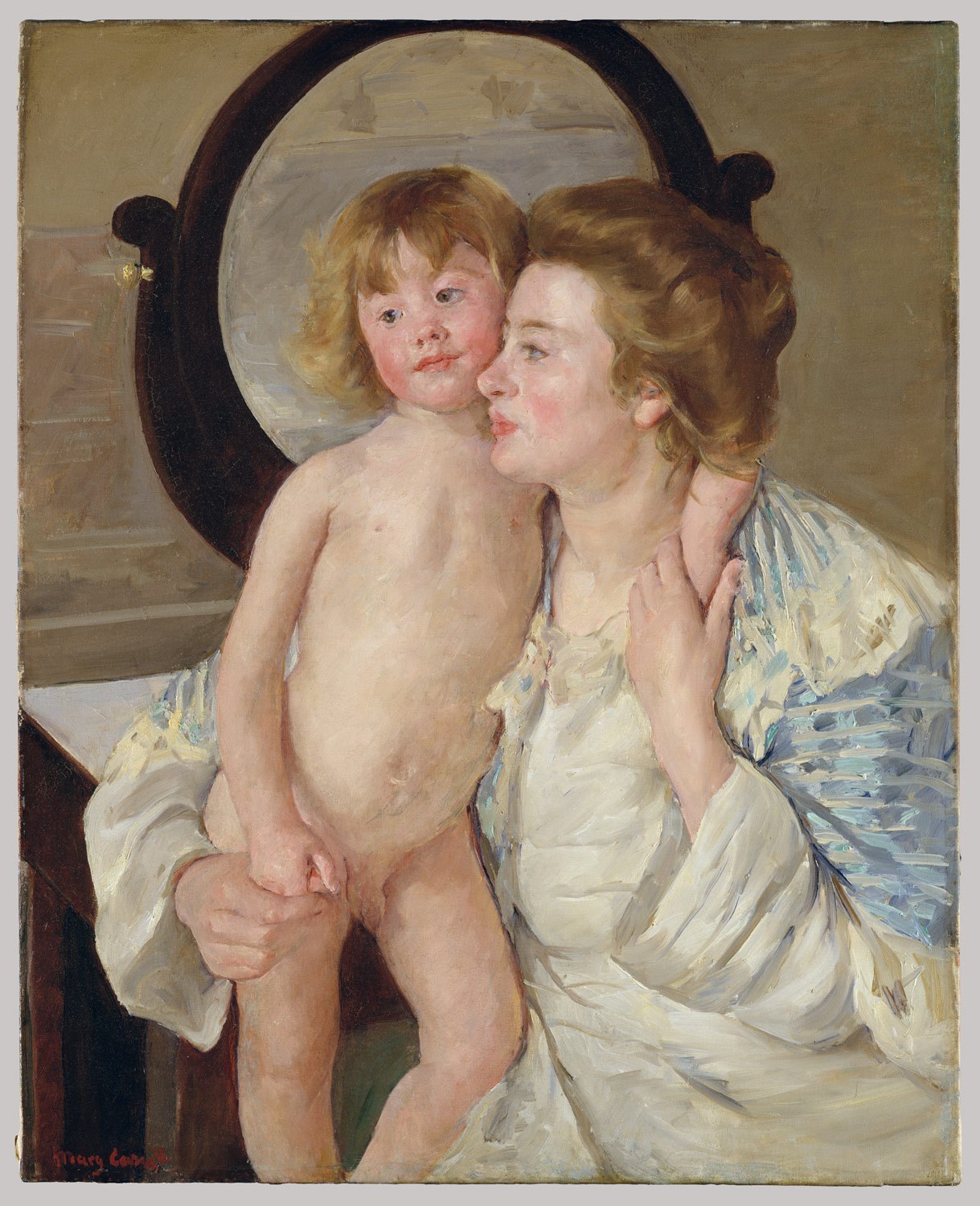
modernist interpretation of a traditional theme such as the mother and
child earned her international recognition. Through this subject, the
general public will discover many familiar aspects of French
Impressionism and Postimpressionism, along with new elements that
underscore Mary Cassatt’s decidedly American identity.
A prestigious selection
The
exhibition will bring together a selection of exceptional works loaned
from major American museums, such as Washington’s National Gallery of
Art, the Metropolitan Museum of Art in New York, the Museum of Fine Arts
in Boston, the Philadelphia Museum of Art, and the Terra Foundation in
Chicago; works will also be loaned by prestigious institutions in France
— the Musée d’Orsay, the Petit Palais, INHA, and the BnF (French
National Library) — and in Europe, such as the Bilbao Museum of Fine
Arts, the Calouste Gulbenkian Foundation in Lisbon, and the Bührle
Foundation in Zurich. There will also be many works from private
collections. Rarely exhibited, these masterpieces will be brought
together in the exhibition for the first time.
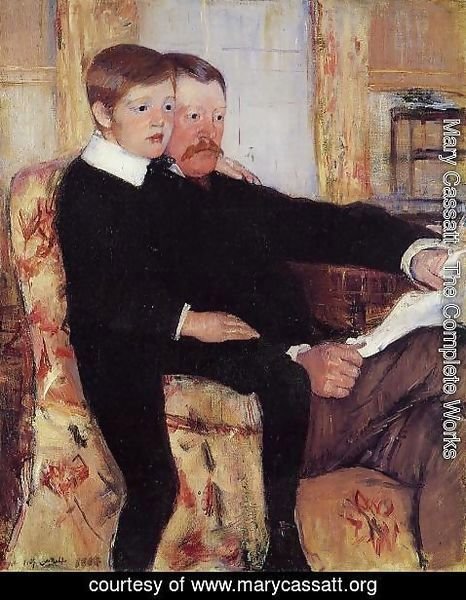
Mary
Cassatt,
Portrait
of Alexander J. Cassatt and His Son, Robert Kelso Cassatt,
1884,
oil on canvas, W1959-1-1, Courtesy of the Philadelphia