Wednesday, March 16, 2022

Raphael—The Power of Renaissance Imagery: The Dresden Tapestries

From 1515, Raphael (Raffaello Sanzio) was commissioned by Pope Leo X to create ten large-format cartoons; designs which were used in Brussels to weave the tapestries for the Sistine Chapel. Now found in the Vatican Museums, these were hung for the first time at Christmas in 1519. Raphael's cartoons, today in the collection of the Victoria and Albert Museum in London, were purchased in Genoa in 1623 by the future King Charles I of England, who sent them to the Mortlake tapestry workshop for use in weaving further series. The series of six wall hangings which came into the collection of Elector Friedrich August I of Saxony (Augustus the Strong) in 1728 were also made there. Three are dedicated to Saint Peter, the other three to Saint Paul. They depict Bible scenes, such as the Acts of the Apostles by the magician Elymas, who was struck blind when he tried to prevent the governor of Cyprus from believing in the words of the apostles Paul and Barnabas. The exhibition focuses on Raphael's tapestries and designs and their outstanding influence on subsequent artists up to the 19th century through a wealth of examples of their reception.
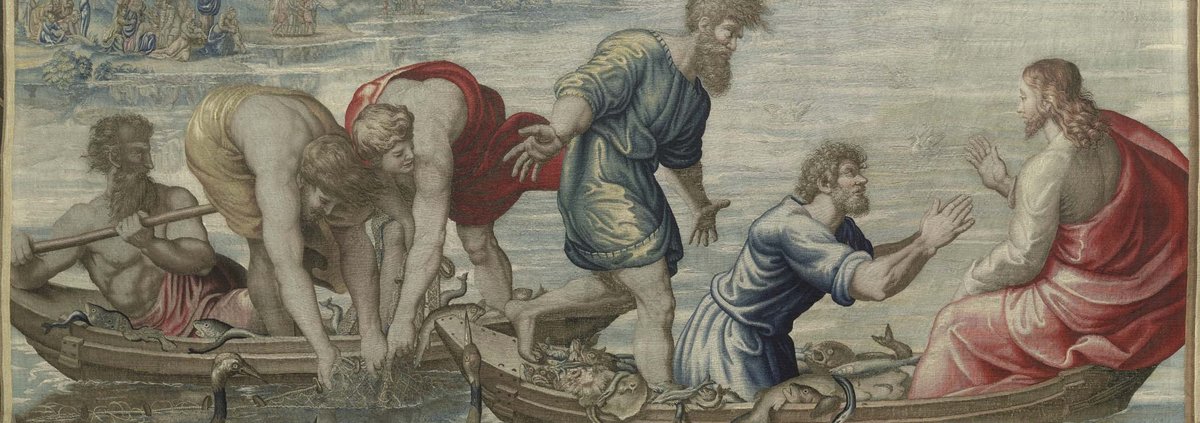
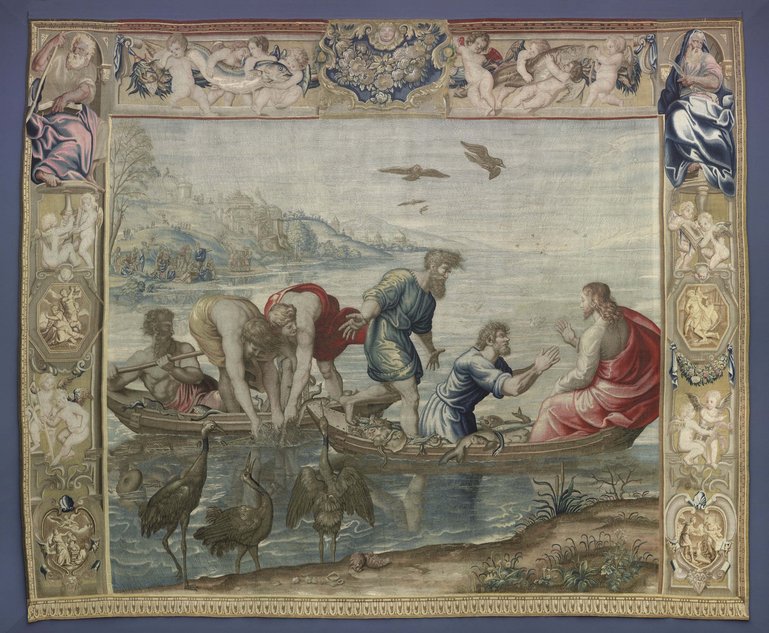
Jesus mit fünf Jüngern in Booten auf dem See Genezareth beim Fischen
© SKD, Foto: Herbert Boswank

From 1515, Raphael (

Jesus mit fünf Jüngern in Booten auf dem See Genezareth beim Fischen
© SKD, Foto: Herbert Boswank
Raffael (Raffaelo Santi), Der wunderbare FischzugBildteppich nach einem Karton von Raffael Teppich; 415 x 514 cm Gemäldegalerie Alte Meister[Translate to English:] tex


Anthony van Dyck, Charles I of England, c. 1637. Oil on canvas, Staatliche Kunstsammlungen Dresden, Gemäldegalerie Alte Meister, gal. no. 1038.


Mortlake Tapestry Manufactory (after designs by Raphael), The Miraculous Draft of Fishes, After 1625. Tapestry, Staatliche Kunstsammlungen Dresden, Gemäldegalerie Alte Meister, gal. no. B1.


Mortlake Tapestry Manufactory (after designs by Raphael), Feed My Sheep (Christ's Charge to Peter), After 1625. Tapestry, Staatliche Kunstsammlungen Dresden, Gemäldegalerie Alte Meister, gal. no. B2.


Mortlake Tapestry Manufactory (after designs by Raphael), St. Paul Preaching at Athens, After 1625. Tapestry, Staatliche Kunstsammlungen Dresden, Gemäldegalerie Alte Meister, gal. no.


[Translate to English:] Freifeld[Translate to English:] text 

       The Dresden works were woven in England in the 17th century at the noted Mortlake Tapestry manufactory. The production of the tapestries in England is a direct consequence of the acquisition of Raphael’s original cartoons (full-scale Renaissance preparatory drawings for a tapestry) by the Prince of Wales (later Charles I) for the British royal collection in 1623. Charles I subsequently commissioned sets to be woven in the Mortlake manufactory, England’s recently founded tapestry factory located just outside London. The tapestries were brought to Germany in the 18th century by Augustus the Strong (Elector of Saxony and King of Poland). The tapestries were restored in 1991-2003 by Gemäldegalerie Alte Meister and debuted at the opening of the exhibition at GAM in 2020. The Columbus presentation, which was delayed by the pandemic, marks the first time they have ever traveled to the United States.
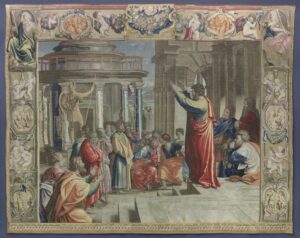

Mortlake Tapestry Manufactory (after designs by Raphael), St. Paul Preaching at Athens, After 1625. Tapestry. Staatliche Kunstsammlungen Dresden, Gemäldegalerie Alte Meister, gal. no. B5


       Commissioned by Pope Leo X, in part to reinforce the authority of the papacy, the tapestries and cartoons from which they are created depict episodes in the lives of Saints Peter and Paul. Raphael’s works consist of monumental figures set against backdrops of landscape or architecture. Considered by many to rank among the greatest paintings ever produced, these masterworks and the tapestries woven from them are renowned for their figures’ magisterial poses, elegant ensemble groupings, harmonious and dynamic compositions, and dramatic narratives presented with remarkable clarity and economy of means. Their importance to European tapestry design was also profound. The tapestries represent a major stylistic shift, from an aesthetic based on flattened space and decorative pattern – medieval in derivation – to the simulation of illusionistic, three-dimensional space populated by towering figures, bringing tapestry design in closer formal alignment with painting. Raphael’s cartoons are represented in the exhibition with two full-scale facsimiles, created specifically for Dresden and Columbus.


       In addition to the tapestries, exhibition highlights will include two drawings by Raphael that were studies for his cartoons; works by Renaissance and Baroque masters influenced by the tapestries, such as Albrecht Dürer, Nicolas Poussin and Peter Paul Rubens; 19th-century works that illustrate the tapestries’ continued impact; and portraits of the powerful individuals involved in producing and acquiring the Dresden tapestries, notably Charles I of England and Augustus the Strong.


       The exhibition marks the third collaboration between CMA and the Gemäldegalerie Alte Meister. In 1999 CMA presented the exhibition Ages of Splendor and Enlightenment: Eighteenth-Century Paintings from the Old Masters Picture Gallery, consisting of works from the GAM’s permanent collection. In 2018 the GAM lent the Columbus Museum of Art a Venetian masterpiece, which served as the centerpiece of the exhibition Titian’s Lady in White: A Renaissance Mystery. This monographic installation was dedicated to the iconography, restoration, provenance and cultural context of one of Titian’s greatest portraits.

 

Tuesday, March 15, 2022

Kollwitz Context - The work behind the masterpieces

 Käthe Kollwitz Museum, Cologne, Germany

through June 19, 2022) 

“I want to have an effect during this age in which people are so perplexed and in need of help.” - Käthe Kollwitz, diary entry from 1922

Käthe Kollwitz (1867–1945), considered one of the most important German artists of the first half of the 20th century, famously addressed themes of war, poverty and death in her empathetic works. Her world-renowned drawings, prints and sculptures also conveyed love, security and the struggle for peace. 

Her over 50-year career spanned the tumultuous era from the German Empire to the First World War, from the Weimar Republic to National Socialism and up to the Second World War. Trained in the academic tradition, her work touches on the isms of modernity, yet Kollwitz developed her own unmistakable style. Evoking emotions from loss and sorrow to tenderness and motherly care, her haunting visual language still resonates today, borderless and timely in feeling just as devastating images emerge in recent days from Russia's brutal war on Ukraine.

A new monograph, Käthe Kollwitz: A Survey of Her Works 1888-1942 (upcoming from Hirmer Verlag), presents an overview of her artistic oeuvre. With more than 200 illustrations in chapters arranged by topic and an introduction about her life, the catalog shows the artist's primary works as well as selected drawings and rare state prints.

Coinciding with the monograph's release, the Käthe Kollwitz Museum in Cologne, Germany, is now showing (through June 19, 2022) select works in Kollwitz Context - The work behind the masterpieces. In this exhibition, Hannelore Fischer opens the archive drawers of the world's largest Kollwitz collection for her last show as long-time director of the museum. Together with her team, she arranged an exhibition of more or less double scope: while the artist's classics can be seen as excellent illustrations in the catalog on hand, lesser-known and rarely or never before shown treasures from the inventory complement the 14 book chapters on the wall. Sketches and preliminary drawings, studies and prints can be used to understand the creation of the artist's primary works in a variety of new contexts. The backs of well-known drawings also appear for the very first time and tell previously hidden stories.

While she documented the lives of the poor, working-class, and war-stricken, Kollwitz's own story informed her art, including the killing of her son Peter in the First World War, followed by the loss of her grandson, his namesake, in World War Two. She was the first modern woman to be elected to the Prussian Academy of Art as a full member, becoming a professor, only to have the appointment taken away with the rise of the National Socialists in 1933. Even while her pacifist and anti-fascist views kept her in fear of the Nazis, Kollwitz managed, at intervals, to produce art nearly up until her death in 1945, just days before the end of World War Two.

Kollwitz noted, "It is my duty to voice the sufferings of humankind, the never-ending sufferings heaped mountain high. This is my task, but it is not an easy one to fulfill."

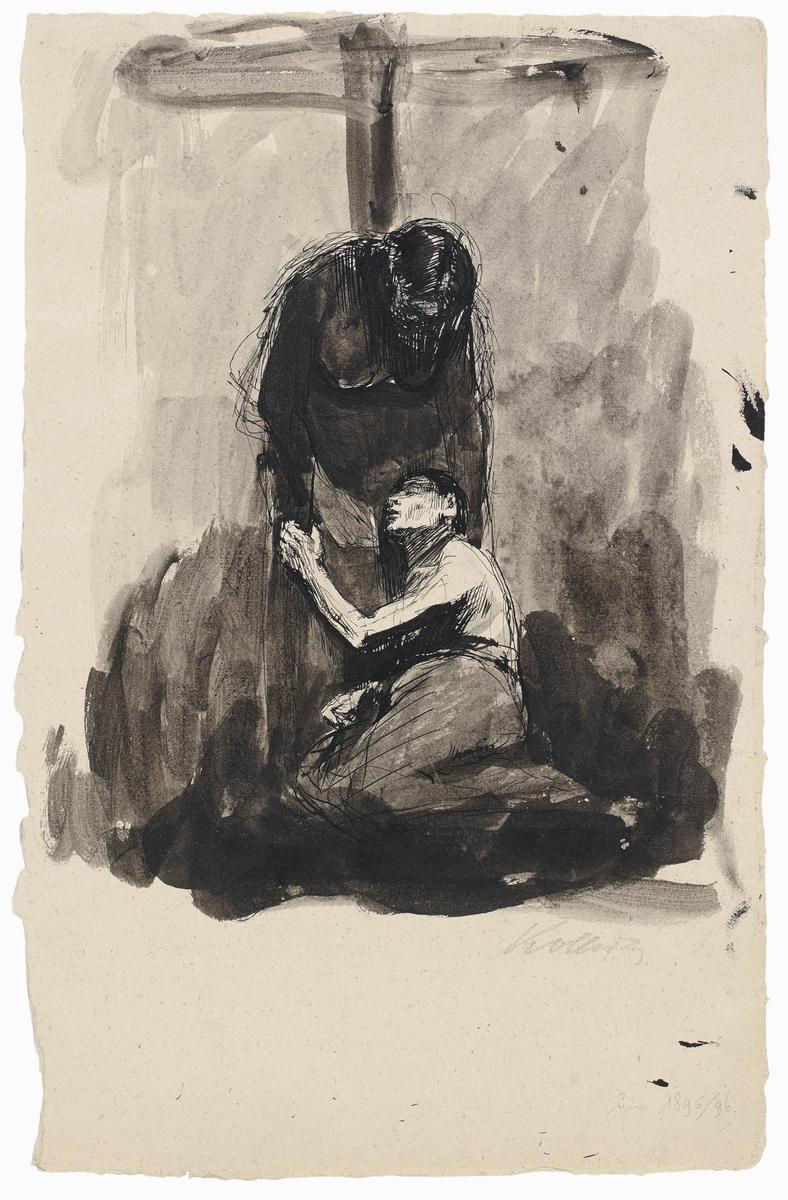
Käthe Kollwitz, Destiny of Women (Martyrdom of Women), c. 1889, pen and brush with ink, washed, on laid paper, NT (17a) © Käthe Kollwitz Museum Köln
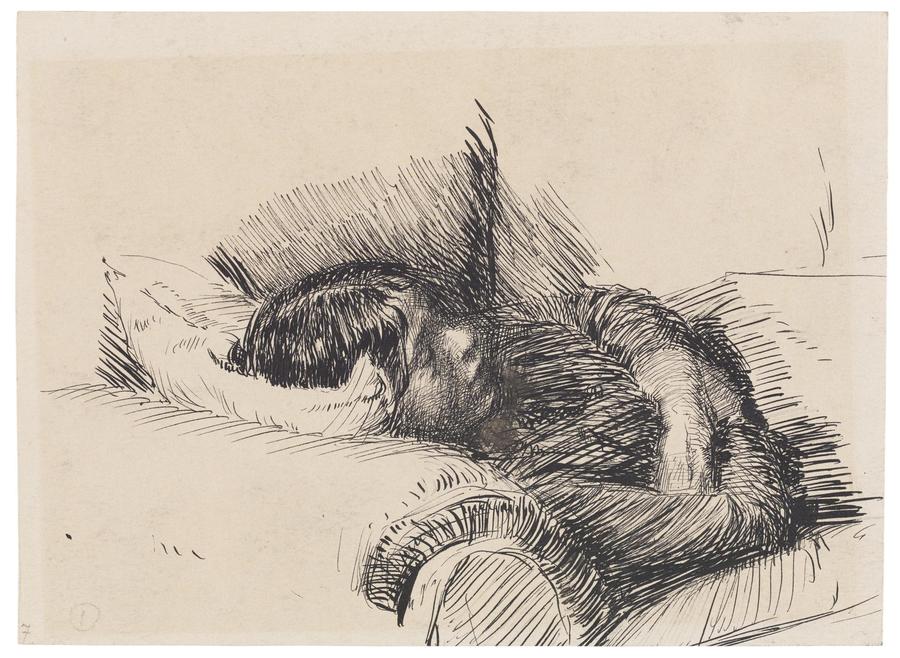
Käthe Kollwitz, Lise sleeping on a sofa, around 1890, pen and brush and ink on yellowish drawing board, NT 22 © Käthe Kollwitz Museum Köln
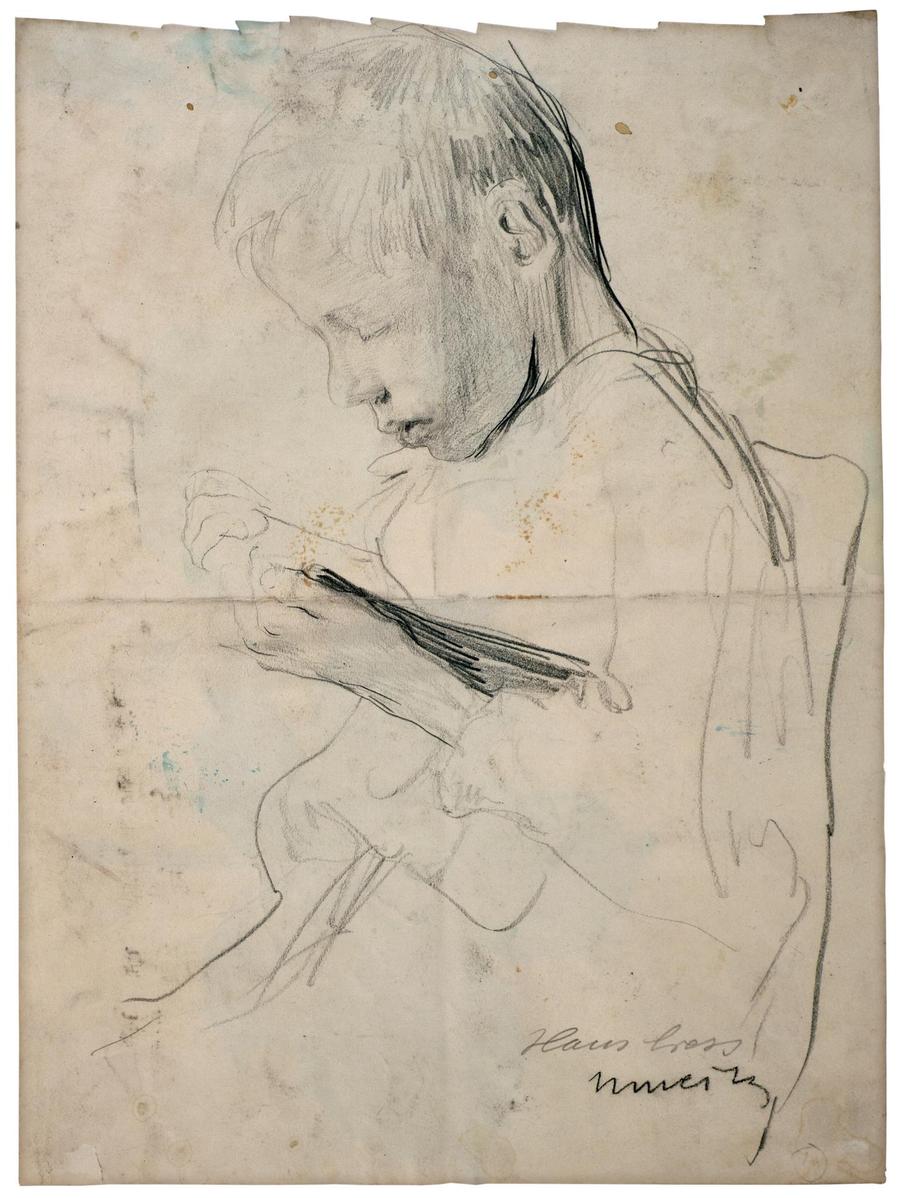
Käthe Kollwitz, Hans Kollwitz reading, in profile to the left, around 1903/04. Pencil on brownish drawing paper, NT 269 © Käthe Kollwitz Museum Köln
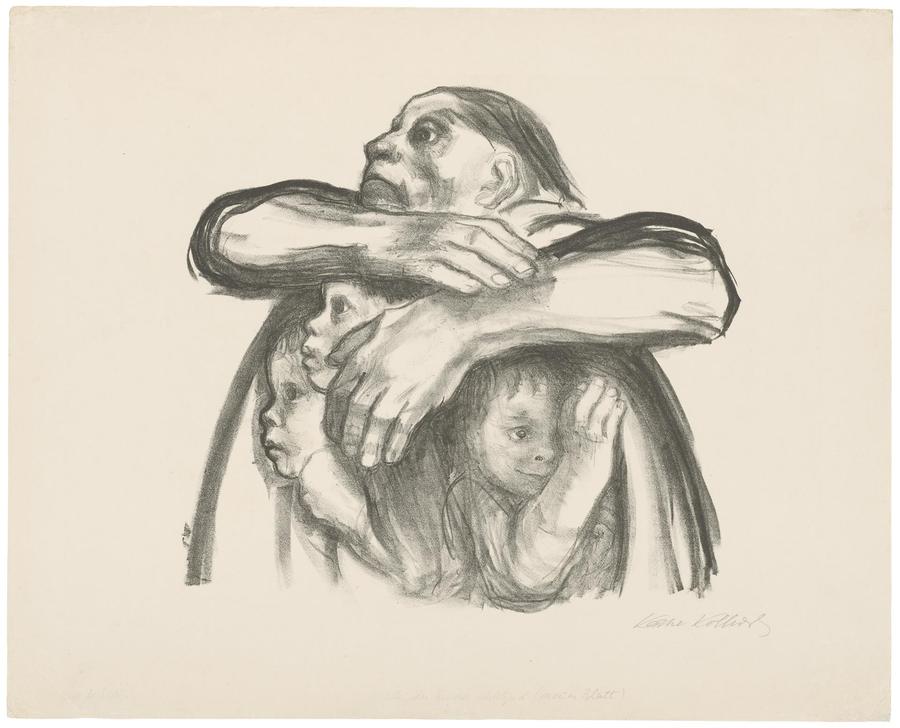
Käthe Kollwitz, Seeds should not be ground, December 1941, chalk lithograph, Kn 274 © Käthe Kollwitz Museum Köln
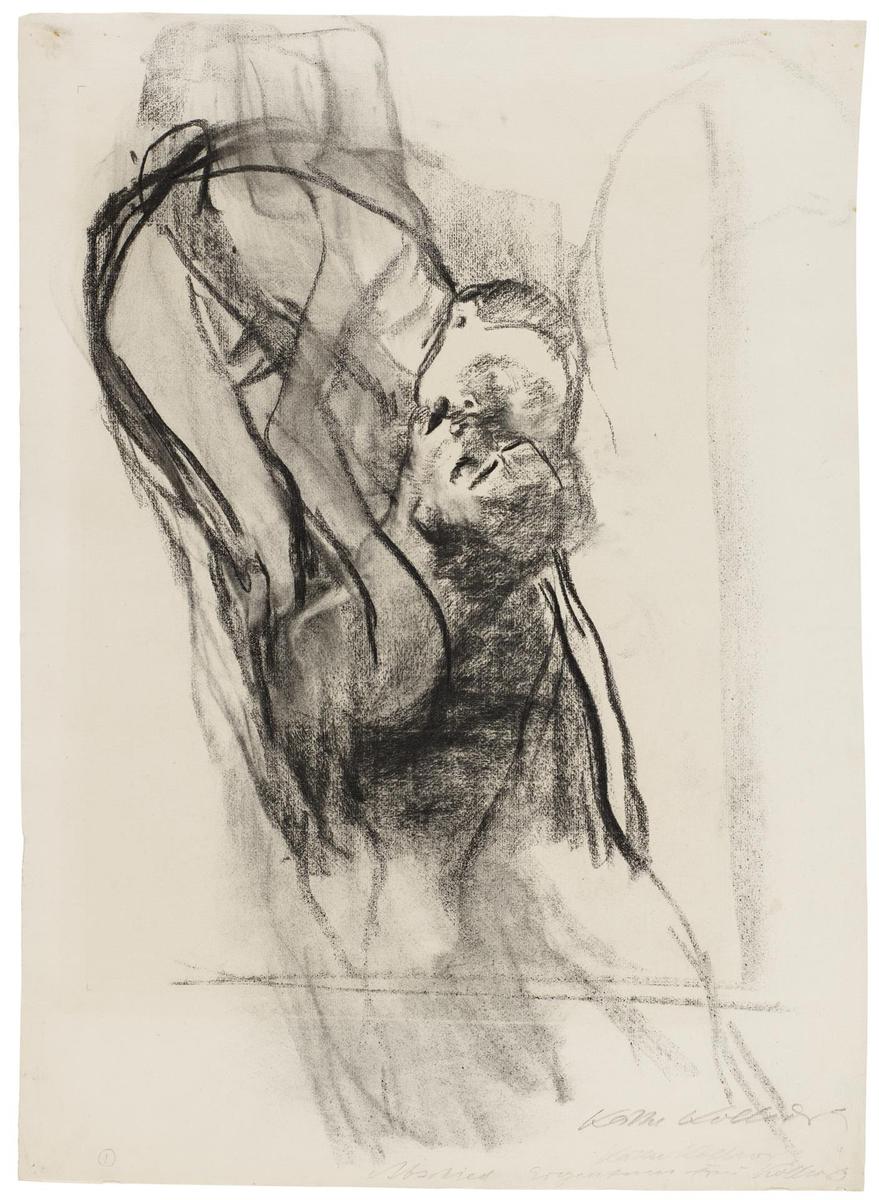
Käthe Kollwitz, Farewell, 1910, charcoal, wiped, on Inges laid paper, NT 616 © Käthe Kollwitz Museum Köln
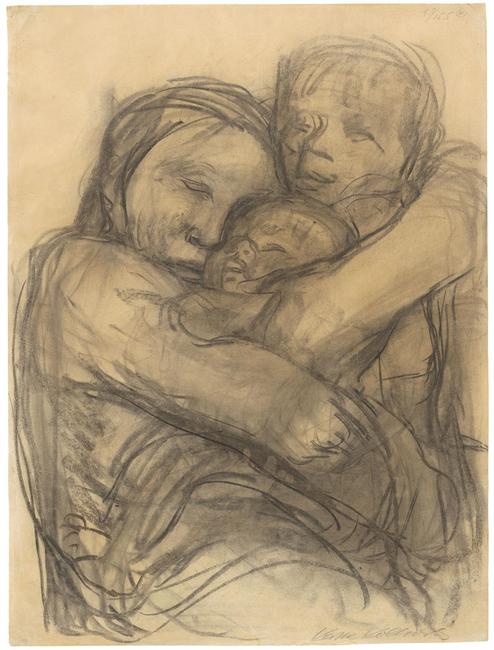
Käthe Kollwitz, Mother hugging two children, ca. 1932, charcoal, NT 1232 © Käthe Kollwitz Museum Köln
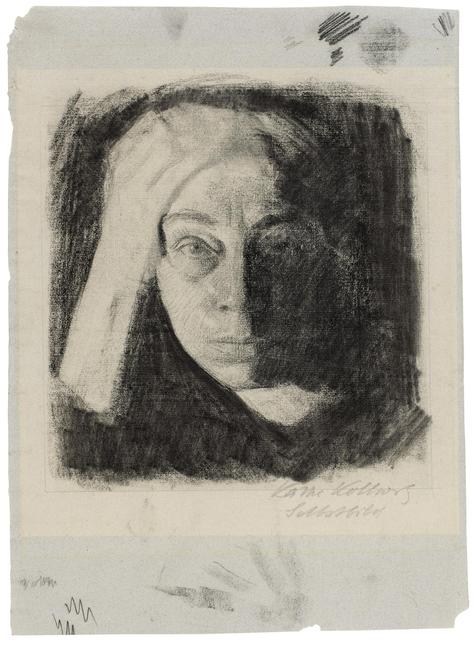
Käthe Kollwitz, Self-portrait en face, around 1910, charcoal on grey-blue Ingres paper, NT 688 © Käthe Kollwitz Museum Köln
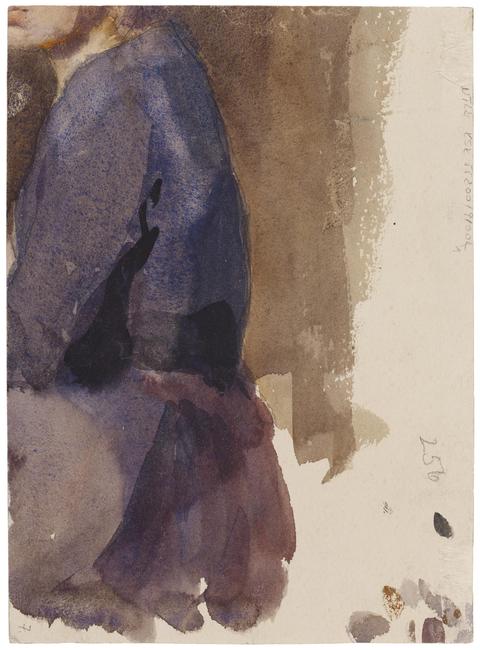
Käthe Kollwitz, Seated woman in profile from the left, cut, around 1890, watercolor on yellowish drawing cardboard, reverse of NT 22 © Käthe Kollwitz Museum Köln
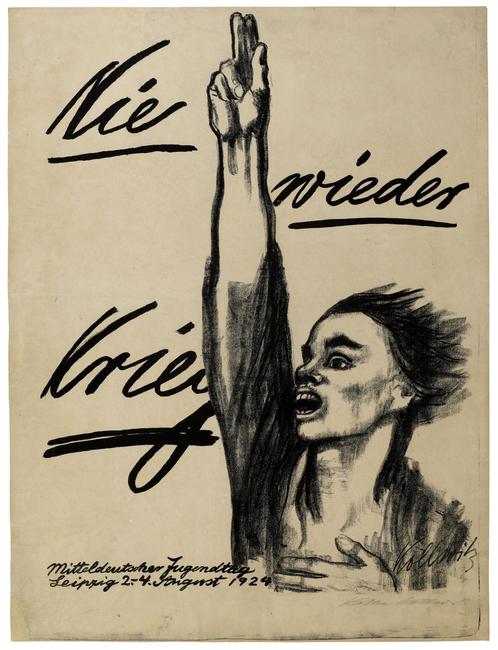
Among Käthe Kollwitz's more famous works is Never Again War, 1924, chalk and brush lithograph, Kn 205 © Käthe Kollwitz Museum Köln

Monday, March 14, 2022

Christie's 20th Century Art Evening Sale in May: Pablo Picasso’s Tête de femme (Fernande)

 Christie’s has announced 


Pablo Picasso’s Tête de femme (Fernande), the first major sculpture of the artist’s career as a leading highlight of the 20th Century Art Evening Sale taking place this May at Rockefeller Center in New York City (estimate on request; in the region of $30,000,000). One of two casts of the work owned by The Metropolitan Museum of Art, Tête de femme (Fernande) has been deaccessioned by the Museum; proceeds from the sale will be solely dedicated to future acquisitions for the Museum’s collection.

Marc Porter, Chairman, Christie’s Americas, remarks: “It is a true privilege for us to partner with The Metropolitan Museum of Art on the sale of Picasso’s seminal sculpture Tête de femme(Fernande) to benefit future acquisitions for the Museum’s collection. Created in 1909, this three-dimensional bronze bust, inspired by the artist’s first muse Fernande Olivier, is a rare example, representing an absolutely crucial moment in the development of Picasso’s artistic practice, Cubism, and the art historical canon at large. We are honored to offer this work in our 20th Century Evening Sale this spring.” 

Max Carter, Head of Christie’s Impressionist and Modern Art Department, remarks: Tête de femme (Fernande) is Cubism’s definitive early sculpture. Its revolutionary architectural faceting, which Picasso sliced and sharpened after modeling in clay, suggests Vesalius as much as it does Frank Gehry. To offer this extraordinarily rich, beautiful cast on behalf of The Metropolitan Museum of Art is the ultimate honor.”

Tête de femme (Fernande) stands as an icon of twentieth-century art. Executed in clay in 1909, the sculpture marks the culmination of an important series of painted studies of Fernande Olivier, the artist’s first great love. The work represents a pivotal moment in the development of Cubism, the radical movement that overturned centuries-old traditions of artmaking, entirely reshaping the development of modern art. With Tête de femme (Fernande), Picasso’s intense explorations into the nature of pictorial representation were synthesized into three-dimensional form. This concept opened the door to a host of new possibilities not just in the medium of sculpture, but of art itself, paving the way for many of the developments that would follow throughout the twentieth century.

Taking the distinctive features of his muse, in Tête de femme (Fernande) Picasso reimagined her head and face with a new language of faceted forms. Constructed with a combination of fragmented geometric and organically-shaped planes, the work is filled with a sense of rhythmic dynamism. Harnessing immaterial concepts of light and space, Picasso created a work that is both a figurative portrayal of a woman’s head, while at the same time, an almost abstract configuration of forms that reflect the light with a constant evanescence.

Tête de femme (Fernande) was born from an intense period of creative production that Picasso enjoyed over the summer of 1909. Together with Fernande, the artist traveled to the rural Catalonian village Horta de Ebro (now known as Horta de Sant Joan) in June, embarking on a period now recognized to be critical in the evolution of his art and Cubism as a whole. Worlds apart from Paris, Horta and its topography played a role in inspiring and informing the development of a new revolutionary formal language.

There are around 20 known casts of Picasso’s Tête de femme (Fernande), the majority of which are in public institutions including the Musée National Picasso, Paris; National Gallery, Prague; The Art Institute of Chicago; The Metropolitan Museum of Art, New York; Norton Museum of Art, Palm Beach; Museum of Modern Art, New York; Kunsthaus Zürich; Museum of Fine Arts, Boston; Moderna Museet, Stockholm; National Gallery of Art, Washington, D.C.; Art Gallery of Ontario, Toronto; Albright-Knox Art Gallery, Buffalo, New York and Portland Art Museum, Oregon. Five of the nine casts from the later edition are also located in public institutions, including the Hirshhorn Museum and Sculpture Garden, Smithsonian Institution, Washington, D.C.; Los Angeles Museum of Art; Norton Simon Art Foundation, Pasadena; Stiftung Kulturbesitz, Berlin and Museo Nacional Centro de Arte Reina Sofia, Madrid. The plasters are at the Nasher Sculpture Center, Dallas and on long-term loan at the Tate, London.

Tête de femme (Fernande) will be on view along with selected highlights from the 20th Century / 21st Century Evening Sales in Hong Kong and London before returning to New York, where it will be on exhibition at Christie’s New York ahead of the sale in May.

One Each: Still Lifes by Cézanne, Pissarro and Friends


 Cincinnati Art Museum 

March 11–May 8, 2022


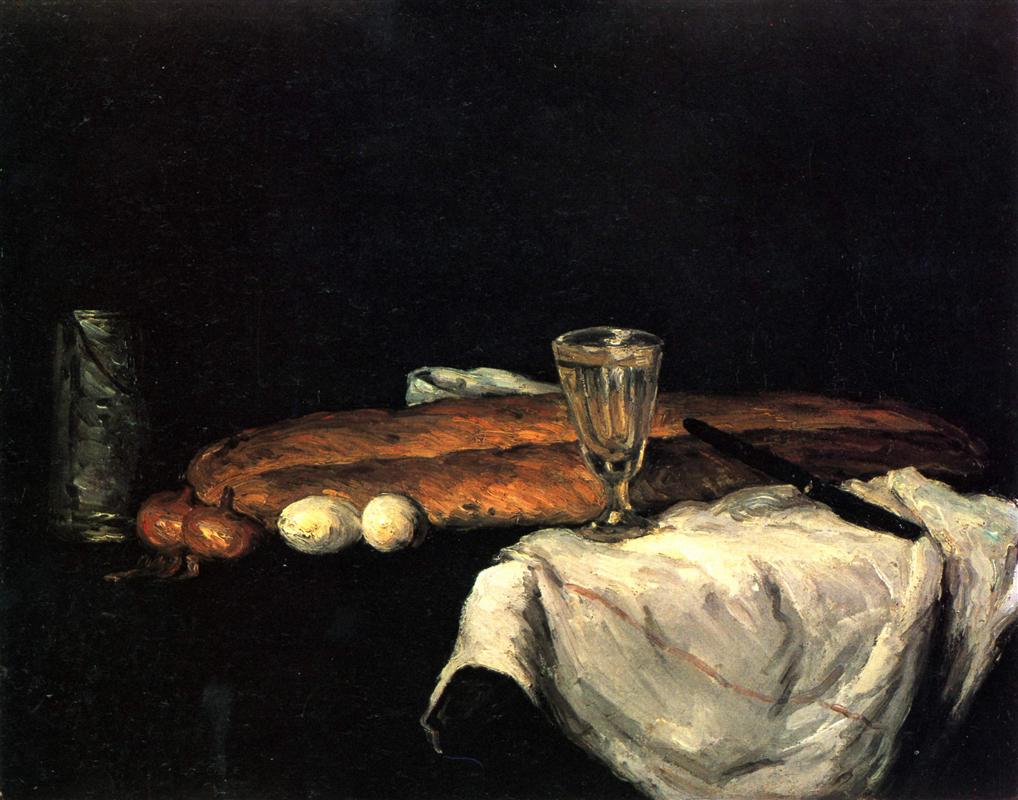
One Each: Still Lifes by Cézanne, Pissarro and Friends focuses on still life paintings by five French painters, all created in the mid-1860s, the formative years of Impressionism. This single-gallery special exhibition is organized in partnership with the Toledo Museum of Art.


Cincinnati Art Museum’s Still Life with Bread and Eggs, a masterpiece by Paul Cézanne, and Toledo Museum of Art’s equally significant 

Camille Pissarro (1830–1903), France, Still Life, 1867, oil on canvas, Toledo Museum of Art; Purchased with funds from the Libbey Endowment, Gift of Edward Drummond Libbey, 1949.6.

Still Life by Camille Pissarro—cornerstones of two of Ohio’s great public art collections—form the basis of the exhibition. They are on view with a starkly confrontational still life of freshly caught fish and crustaceans from the hand of Édouard Manet, regarded as the father of modern painting, 


Jean-Frederic Bazille (1841–1870), France, Still Life with Fish, 1866 (detail), oil on canvas, Detroit Institute of Arts; Founders Society Purchase, Robert H. Tannahill Foundation Fund, 1988.9.

and another by the underappreciated artist Frédéric Bazille, paintings from the Art Institute of Chicago and the Detroit Institute of Arts, respectively. A rare early still life by Claude Monet from the National Gallery of Art rounds out the grouping.

“The paintings in this exhibition, one each by five members of the Impressionist avant-garde, display their artists’ mastery of technique and upending of artistic convention at a precise moment in the mid-1860s. These innovations would have long-reaching effects on the conception and practice of art, making the paintings textbook examples and their makers household names,” says Dr. Peter Jonathan Bell, Cincinnati Art Museum’s Curator of European Paintings, Sculpture and Drawings. Bell organized the exhibition along with Lawrence W. Nichols, Toledo Museum of Art’s William Hutton Senior Curator, European and American Painting and Sculpture before 1900.

Two works from the Cincinnati Art Museum’s permanent collection add historical context to the Impressionist paintings: a work by Pieter Claesz, a seventeenth-century Dutch painter renowned for his realistic still lifes, and a Cubist work by French painter Georges Braque, which reflects the Impressionists resounding influence in the twentieth century.

“The exhibition’s core works from the 1860s are thematically tight: arrangements of food and tableware. These extraordinary works reflect their artist’s obsession with the instantaneous quality of observing the world around us—light, movement—and translating that into paint on canvas. They achieve this in astounding and unprecedented ways,” said Bell.


Sunday, March 13, 2022

From Hassam to Wyeth: Gifts from Doris and Shouky Shaheen

 Norton Museum of Art

THROUGH MAY 1, 2022 

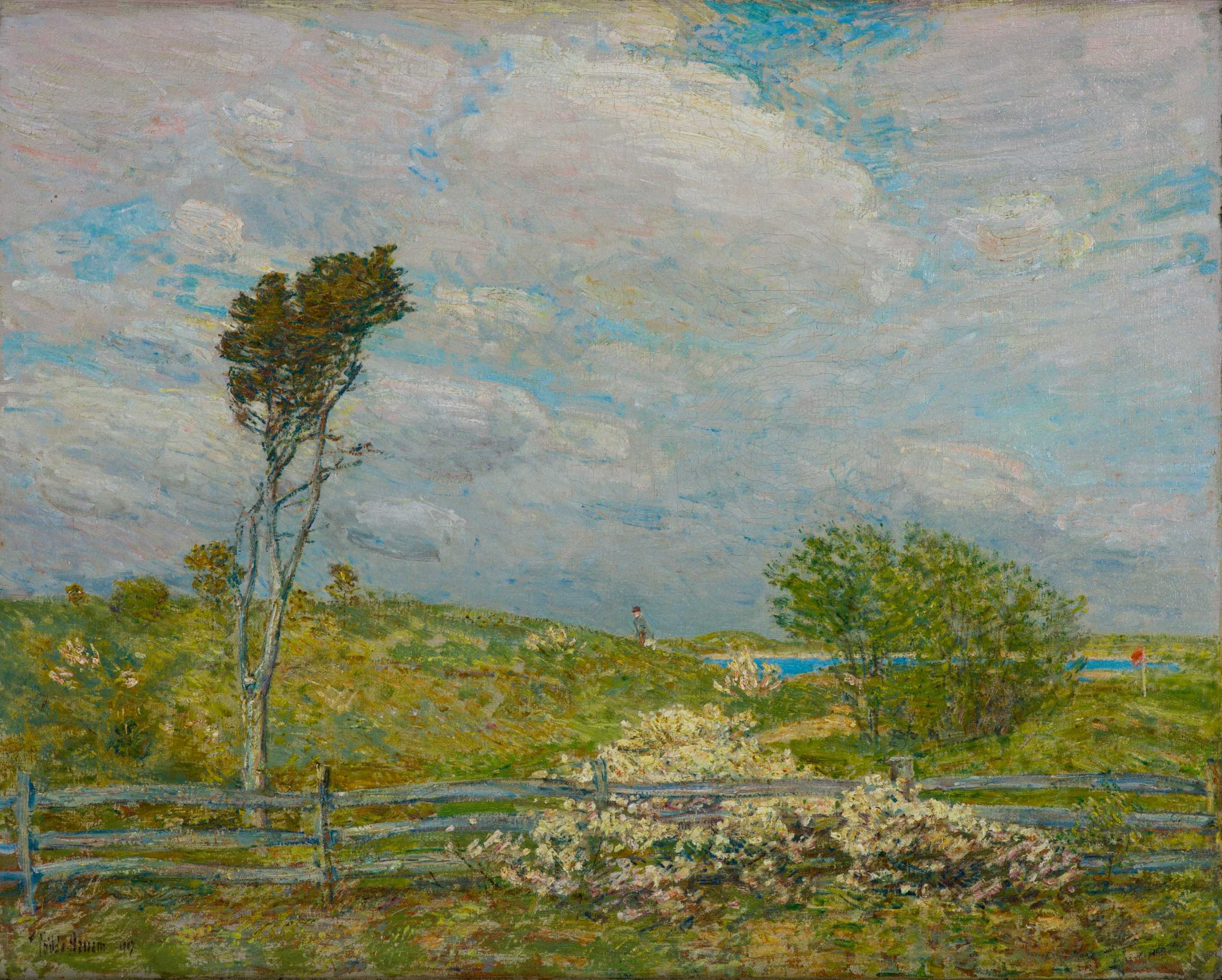
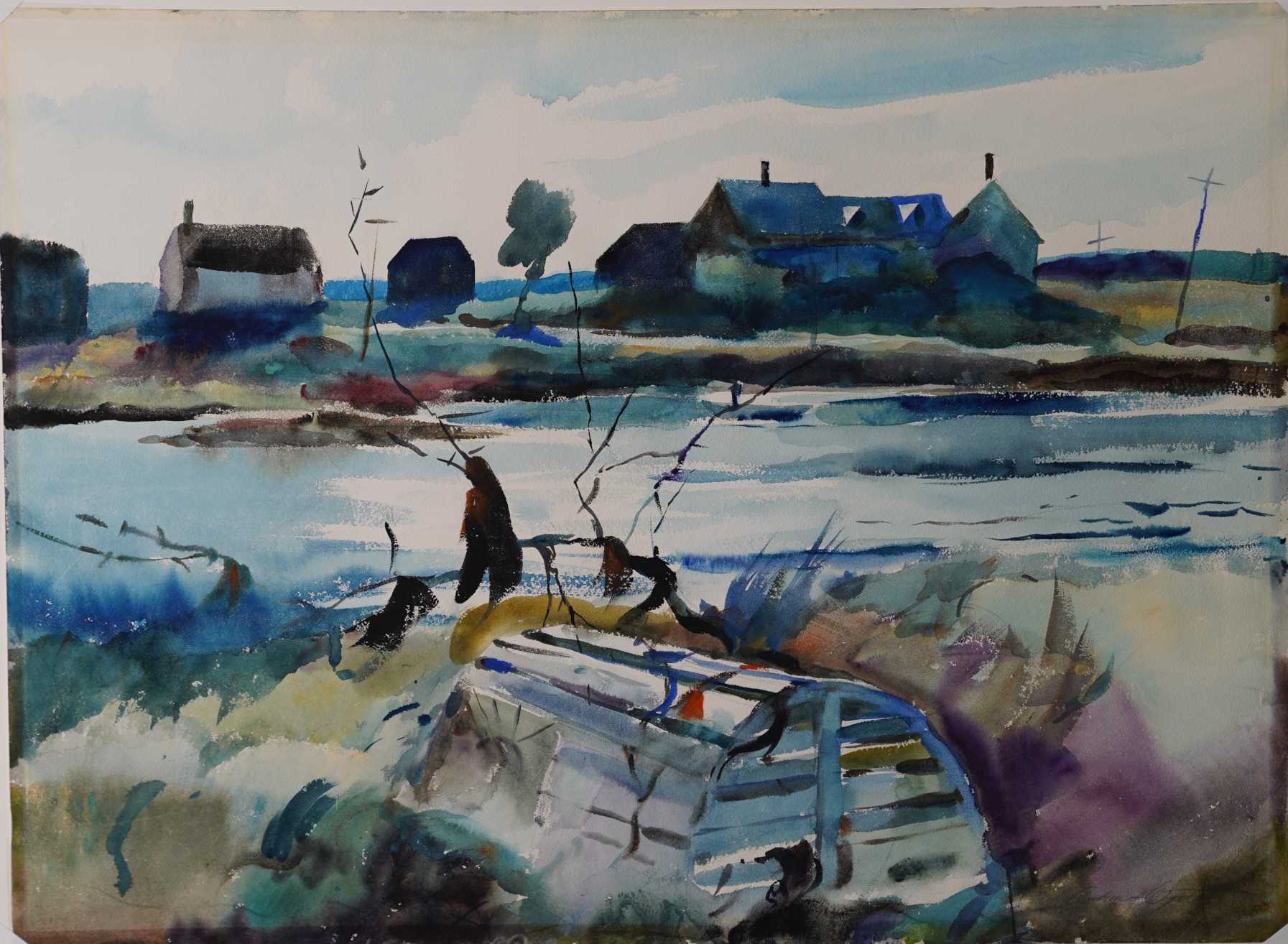
This exhibition celebrates Doris and Shouky Shaheen's recent gift of twelve American oils and watercolors to the Norton Museum of Art. Ranging in style from Impressionism to Realism, the works demonstrate how American painters continued to depict the nation's distinctive and evolving landscape from the late 19th into the 20th centuries. In addition to Childe Hassam and Andrew Wyeth, artists represented include William Glackens, Jane Peterson, Edward Henry Potthast, John Henry Twachtman, Guy Wiggins, and Wyeth's son, Jamie.  

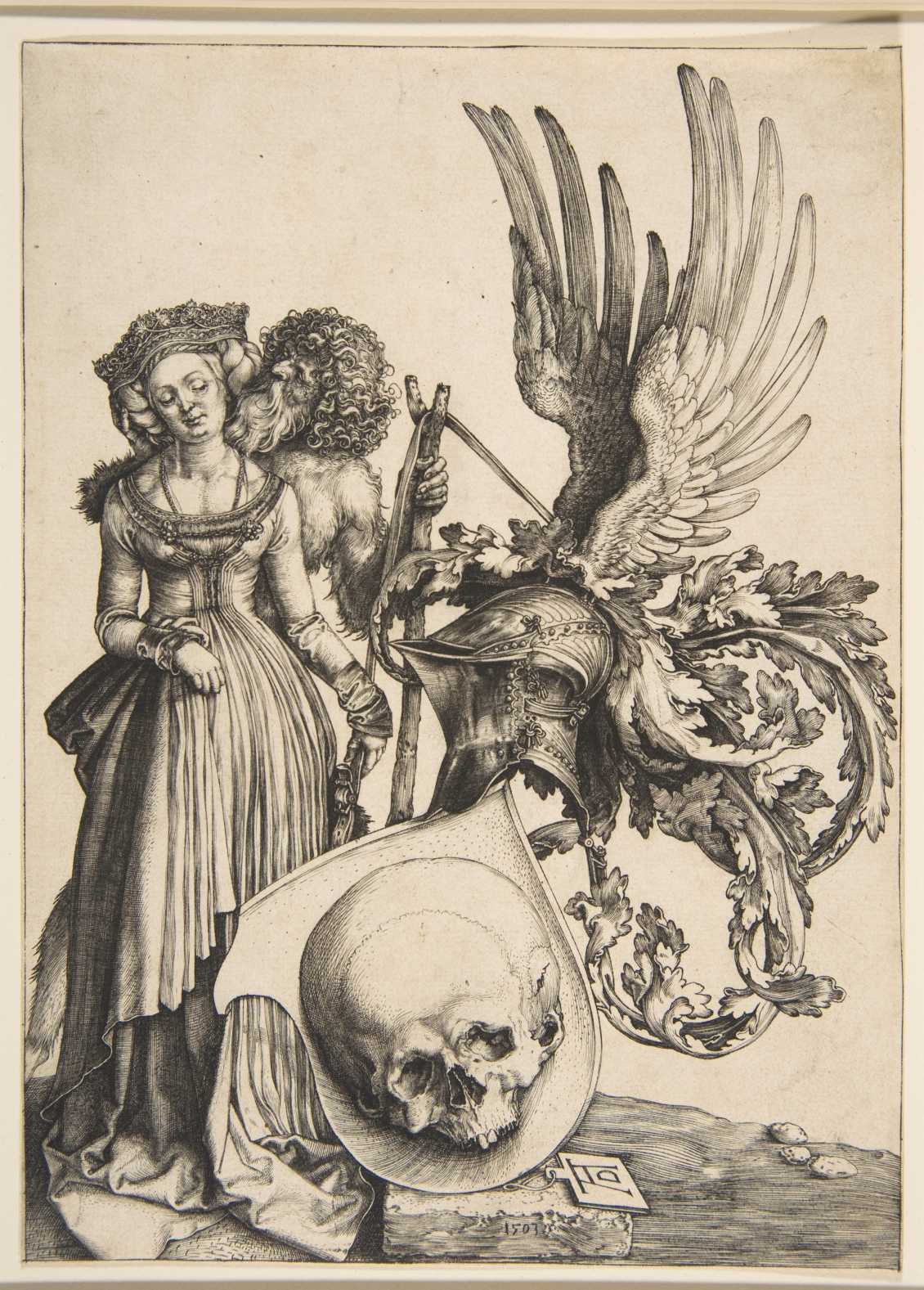
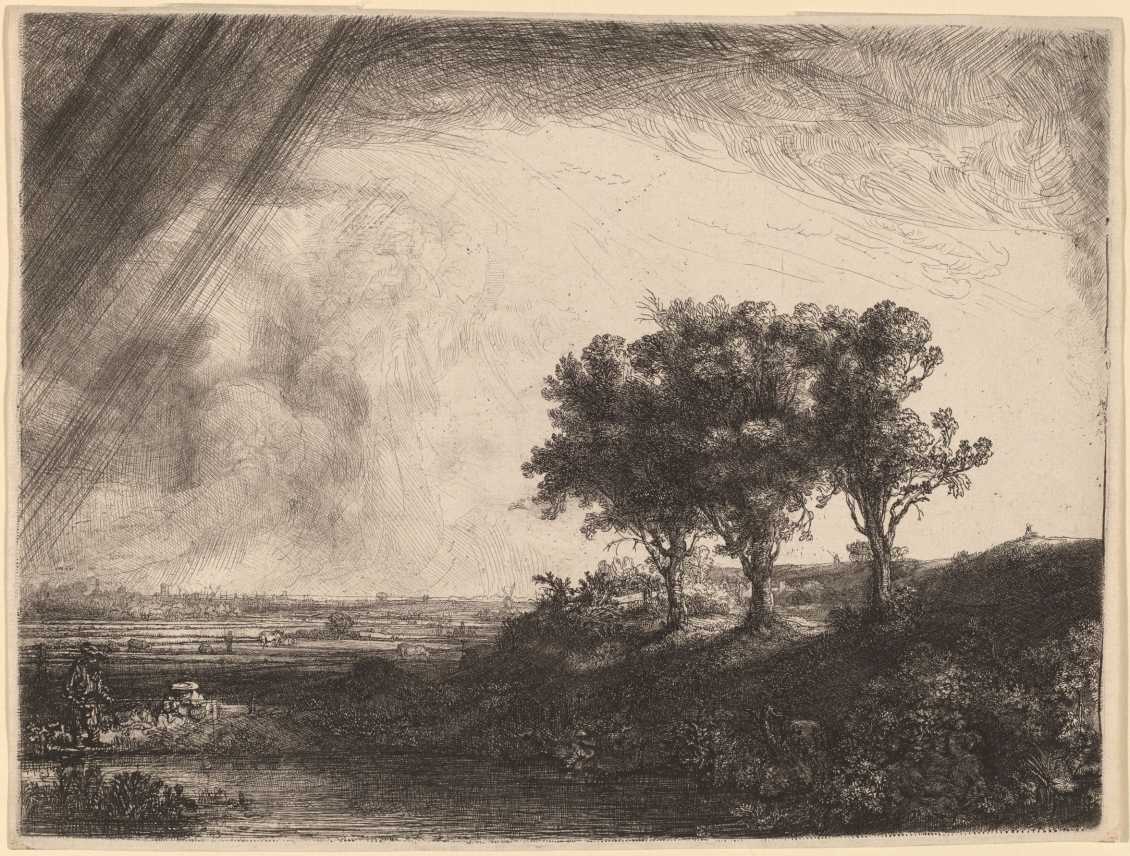
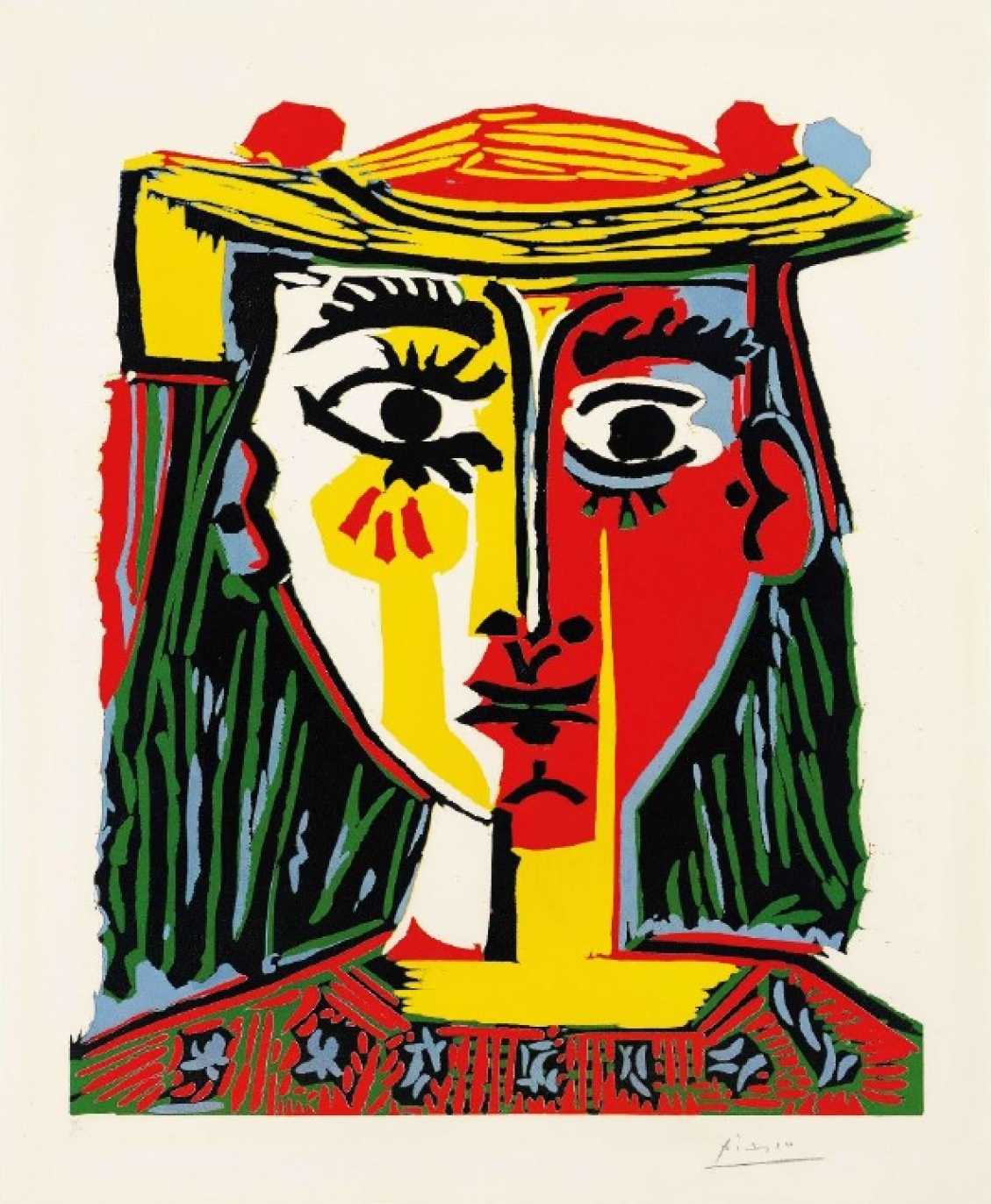
Dürer, Rembrandt and Picasso: Three Masters of the Print


This exhibition is intended to be like a music program that juxtaposes two of the greatest traditional composers with one of the most important of the moderns. 


Albrecht Dürer (German, 1471-1528), Coat of Arms with Skull, 1503


In his day, the German painter Albrecht Dürer accomplished the astonishing feat of bringing both the woodcut and the engraving to a level of achievement that arguably has never been equaled. 


Rembrandt Van Rijn (Dutch, 1606-1669), The Three Trees, 1643


In a similar fashion, Rembrandt transformed etching, with its superior responsiveness to the artist’s hand, into a powerful expressive medium that effectively displaced engraving as the preferred technique for the printing of images. 

Pablo Picasso, Bust of a Woman with a Hat (Buste de femme au Chapeau), 1962. Linocut on Arches paper, artist’s proof. Image: 24 ¾ x 21 in. (62.9 x 53.3 cm) Frame: 38 ½ x 33 ¾ in. (97.8 x 85.7 cm) Promised Gift, Private Collection © 2022 Estate of Pablo Picasso / Artists Rights Society (ARS), New York.


Finally, the printed work of Picasso is a repository of both traditional and modern techniques like etching, aquatint, lithography, and linocut in a way that reflects both the changing autobiographical nature of his art and his restless experimentation with new means of expression. 


This exhibition contains approximately thirty works from a private collection promised to the Norton that have been selected for their historical importance and outstanding quality. Viewers will have the rare opportunity to see not only excellent examples from the history of printmaking but will also be able to observe the way in which three of the greatest Western artists brought their transformative skill to bear on the printed image.


Monet to Picasso The Batliner Collection

The ALBERTINA is home to one of Europe’s largest and most outstanding collections of classical modernist paintings: The Batliner Collection. It was turned over to the ALBERTINA by Rita and Herbert Batliner in 2007, opening a new chapter in the museum’s history. From French Impressionism, Pointillism and Fauvism (including works by Monet, Renoir, Degas, Cézanne, Toulouse-Lautrec, Braque, and Matisse) to masterpieces of the expressionist artists’ groups Die Brücke and Der Blaue Reiter (including paintings by Kirchner, Kandinsky, and Nolde) and on to the Russian avant-garde and numerous works by Pablo Picasso, this permanent exhibition presents all of modernism’s revolutionary ideas. 

The 2007 decision by Herbert and Rita Batliner to turn their collection over to the public, along with their choice of the ALBERTINA Museum as a partner, enriched the museum landscape in a lasting way for contemporary art, too. Beginning at the turn of the millennium onward the Batliners began collecting the diverse painted output of the present era: Georg Baselitz, Anselm Kiefer, Alex Katz, Imi Knoebel, and Arnulf Rainer.

Claude Monet
The Water Lily Pond, 1917-1919
Oil on canvas
The ALBERTINA Museum, Vienna – The Batliner Collection


Marc Chagall
The Kite, 1926
© Bildrecht, Vienna 2021 | The ALBERTINA Museum, Vienna – The Batliner Collection


Pablo Picasso
Woman in a green hat, 1947
Oil on canvas
The ALBERTINA Museum, Vienna – The Batliner Collection © Succession Picasso / Bildrecht, Vienna 2021


Oskar Kokoschka
Im Garten II, 1934
Öl auf Leinwand
The ALBERTINA Museum, Vienna – The Batliner Collection © Fondation Oskar Kokoschka/Bildrecht, Vienna 2021


Oskar Kokoschka
London, kleine Themse-Landschaft, 1926
The ALBERTINA Museum, Vienna – The Batliner Collection © Fondation Oskar Kokoschka/Bildrecht, Vienna, 2021

Oskar Kokoschka
Ansicht von Vernet-les-Bains, 1925
The ALBERTINA Museum, Vienna – The Batliner Collection


Emil Nolde
Moonlit Night, 1914
Oil on Canvas
The ALBERTINA Museum, Vienna – The Batliner Collection
© Nolde Foundation Seebüll

Maurice de Vlaminck
Still Life with Fruit Bowl, 1905-1906
Oil on canvas
The ALBERTINA Museum, Vienna – The Batliner Collection


Alexej von Jawlensky
Young Girl in a Flowered Hat, 1910
Oil on cardboard
The ALBERTINA Museum, Vienna – The Batliner Collection


Amedeo Modigliani
Weiblicher Halbakt, 1918
Oil on Canvas
The ALBERTINA Museum, Vienna – The Batliner Collection


Edgar Degas
Two Dancers, 1905
Pastell auf Papier
The ALBERTINA Museum, Vienna – The Batliner Collection


Francis Bacon
Seated Figure, 1960
The ALBERTINA Museum, Vienna – The Batliner Collection © Francis Bacon: Estate of Francis Bacon/ Bildrecht, Vienna, 2021


Joan Miró
Birds and Insects, 1938
Öl auf Leinwand
The ALBERTINA Museum, Vienna – The Batliner Collection © Bildrecht, Vienna, 2021


Max Beckmann
Woman with Cat, 1942
Öl auf Leinwand
The ALBERTINA Museum, Vienna – The Batliner Collection © Bildrecht, Vienna, 2021


Edvard Munch
Winter Landscape, 
Öl auf Leinwand
The ALBERTINA Museum, Vienna – The Batliner Collection © Edvard Munch/The Munch Museum/The Munch Ellingsen Group


Paul Signac
Venice, the Pink Cloud, 1909
The ALBERTINA Museum, Vienna – The Batliner Collection


Marc Chagall
Schläferin mit Blumen, 1972
Öl auf Leinwand
The ALBERTINA Museum, Vienna – The Batliner Collection


Kazimir Malewitsch
Mann in suprematistischer Landschaft, ca 1930 - 31
Öl auf Leinwand
The ALBERTINA Museum, Vienna – The Batliner Collection