Saturday, July 11, 2026

Georgia O’Keeffe: Architecture

Detroit Institute of Arts

September 11, 2026 – January 3, 2027

Georgia O'Keeffe: Architecture is a groundbreaking exhibition that showcases approximately 35 architectural paintings created from the 1920s –1960s. O'Keeffe, a pioneer of modern art, celebrated the beauty and complexity of the built environments she inhabited through these remarkable works. 

Throughout her long career, the artist found inspiration through close observations of her surroundings, both natural and manmade. She returned many times to architectural subjects with the same powerful, abstract style used for her well-known depictions of flowers and desert landscapes. 

IMAGES


Georgia O'Keeffe, Brooklyn Bridge, 1949. Brooklyn Museum, Bequest of Mary Childs Draper

© 2026 The Georgia O’Keeffe Foundation/Artists Rights Society (ARS), New York 


Georgia O’Keeffe, Black Door with Red, 1954. Chrysler Museum of Art, Norfolk, Bequest of Walter P. Chrysler, Jr.

© 2026 The Georgia O’Keeffe Foundation/Artists Rights Society (ARS), New York 


Georgia O'Keeffe, Wall with Green Door, 1953. National Gallery of Art, Washington, DC, Corcoran Collection (Gift of the Woodward Foundation)  

© 2026 The Georgia O’Keeffe Foundation/Artists Rights Society (ARS), New York 


Georgia O'Keeffe, In the Patio III, 1948. Georgia O'Keeffe Museum, Santa Fe, Gift of The Georgia O'Keeffe Foundation

© 2026 The Georgia O’Keeffe Foundation/Artists Rights Society (ARS), New York


Georgia O'Keeffe, New York Street with Moon, 1925. Carmen Thyssen Collection, Madrid

© 2026 The Georgia O’Keeffe Foundation/Artists Rights Society (ARS), New York


Georgia O'Keeffe, East River from the 30th Story of the Shelton Hotel, 1928. New Britain Museum of American Art, Stephen B. Lawrence Fund

© 2026 The Georgia O’Keeffe Foundation/Artists Rights Society (ARS), New York


Georgia O'Keeffe, Taos Pueblo, 1929/1934. Collection of the Eiteljorg Museum of American Indians and Western Art, Indianapolis

© 2026 The Georgia O’Keeffe Foundation/Artists Rights Society (ARS), New York


Georgia O'Keeffe, Ranchos Church, No. II, NM, 1929. 
The Philips Collections, Washington, DC, Acquired 1930

© 2026 The Georgia O’Keeffe Foundation/Artists Rights Society (ARS), New York 


Georgia O'Keeffe, Spring, 1923–24. The Art Institute of Chicago, Bequest of Paul and Gabriella Rosenbaum 

© 2026 The Georgia O’Keeffe Foundation/Artists Rights Society (ARS), New York 


Georgia O'Keeffe, My Shanty, Lake George, 1922. The Philips Collections, Washington, DC, Acquired 1926

© 2026 The Georgia O’Keeffe Foundation/Artists Rights Society (ARS), New York


Georgia O'Keeffe, Stables, 1932. Detroit Institute of Arts, Gift of Robert Tannahill, 45.454

© 2026 The Georgia O’Keeffe Foundation/Artists Rights Society (ARS), New York
Launch of the Gustav Klimt collection online catalog

The Belvedere has set a new milestone in collection research with the publication of a comprehensive online catalog of works by Gustav Klimt in its holdings. This makes the results of years of research accessible to the public and strengthens the museum’s position as an international center of expertise on Gustav Klimt.

General Director Stella Rollig: The online catalog of the Gustav Klimt collection sets a new standard in the scholarly documentation of museum collections. This is the first time that an Austrian federal museum has offered access to its collection with this level of depth. We have combin ed art history, conservation, provenance research, and digital communication to create a comprehensive knowledge base, enhancing the visibility of our Klimt holdings with lasting effect. Since 2022 an interdisciplinary team from the Belvedere has been working on a detailed research project about the twenty -four works by Gustav Klimt in its collection.

This online catalog goes far beyond the scope of a printed catalog raisonné. In addition to in-depth art -historical essays on each work, it contains the documentation of conservation investigations, sources from the Belvedere Archive, complete exhibition histories, extensive bibliographies, and links to online resources. A particular focus is placed on provenance research with each work presented with a detailed provenance chain including additional source references and commentaries on ownership history. 

The catalog has been designed as a dynamic database that will be constantly expanded. This digital format allows the immediate addition of new research and can also be used in the long term for other artists in the collection. The database is available in German. 

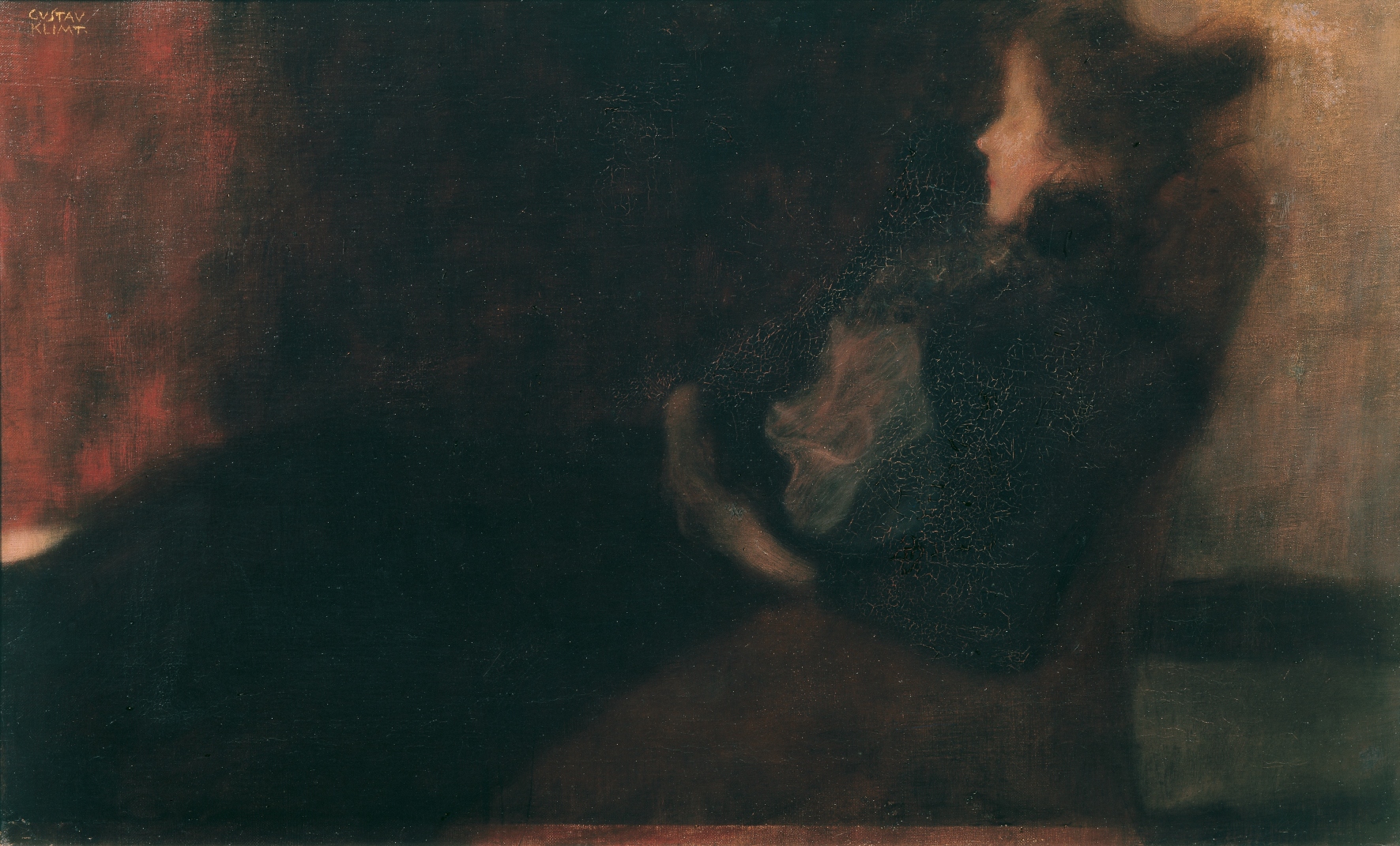
Significant new discoveries include the identification of Klimt’s painting Lady at the Fireplace as the picture Dusk , which was previously believed lost. The clue was provided by an Italian customs label on the picture’s reverse; the work representing Gustav Klimt at the third Venice Biennale in 1899 was thus rediscovered. 

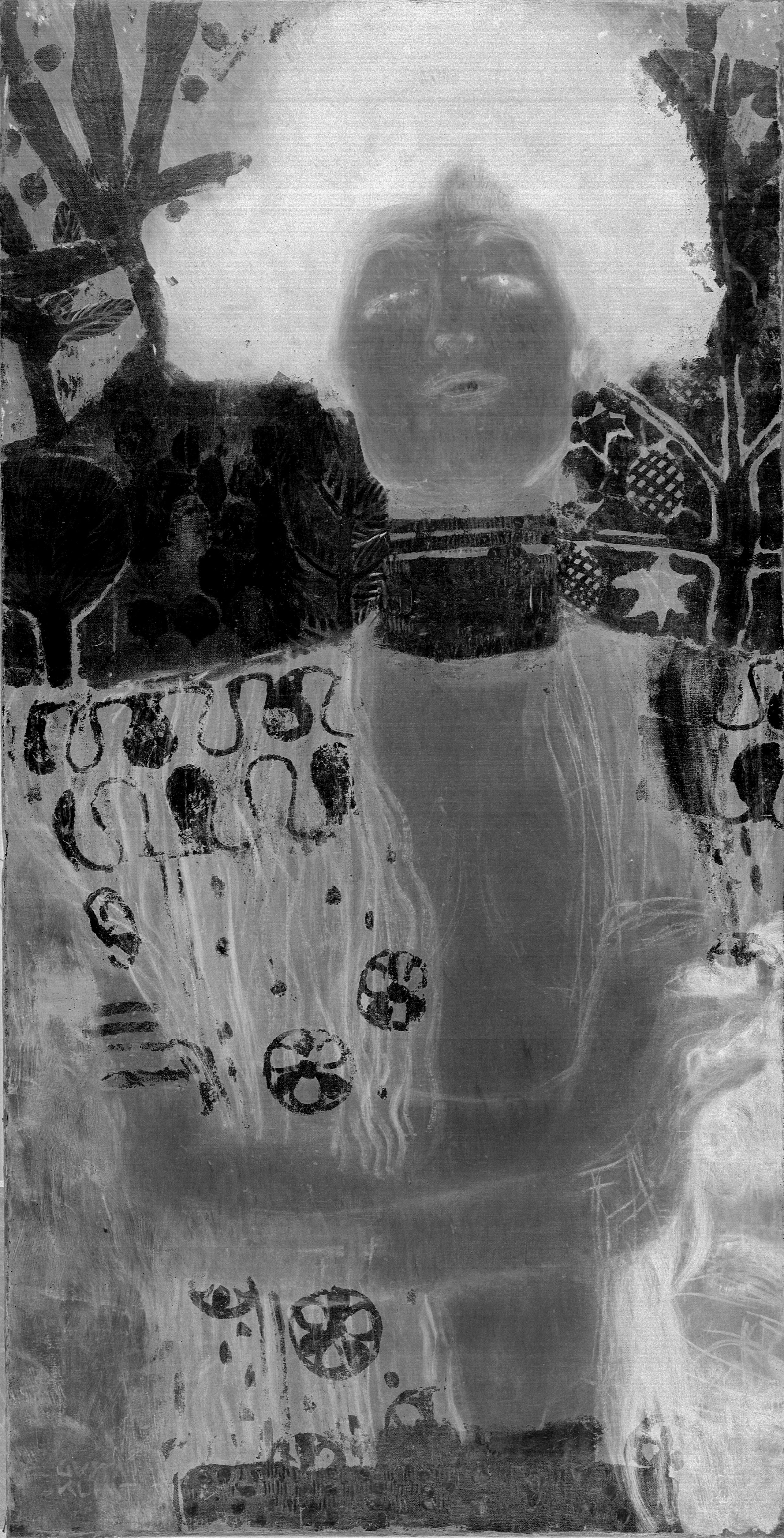
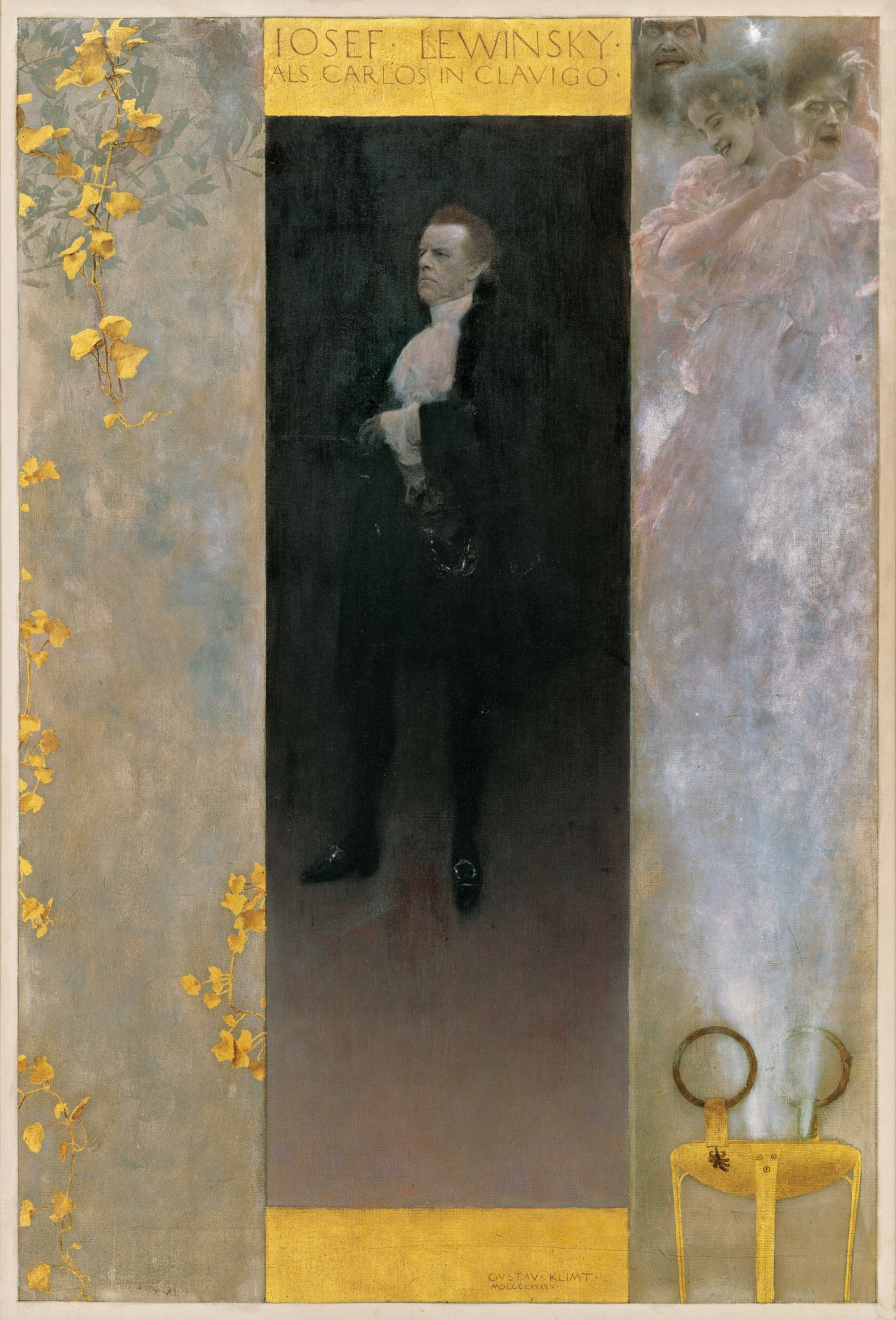
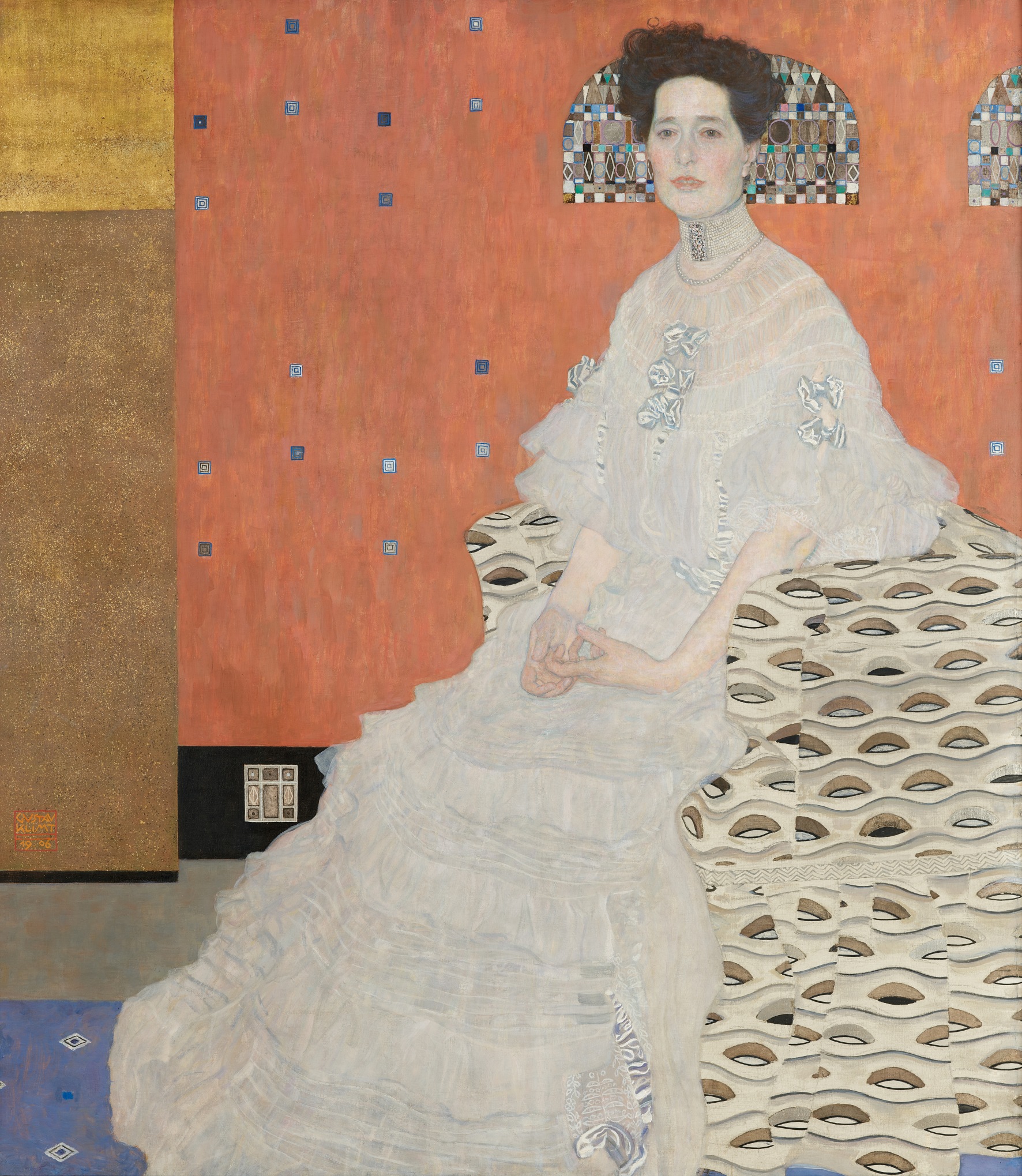
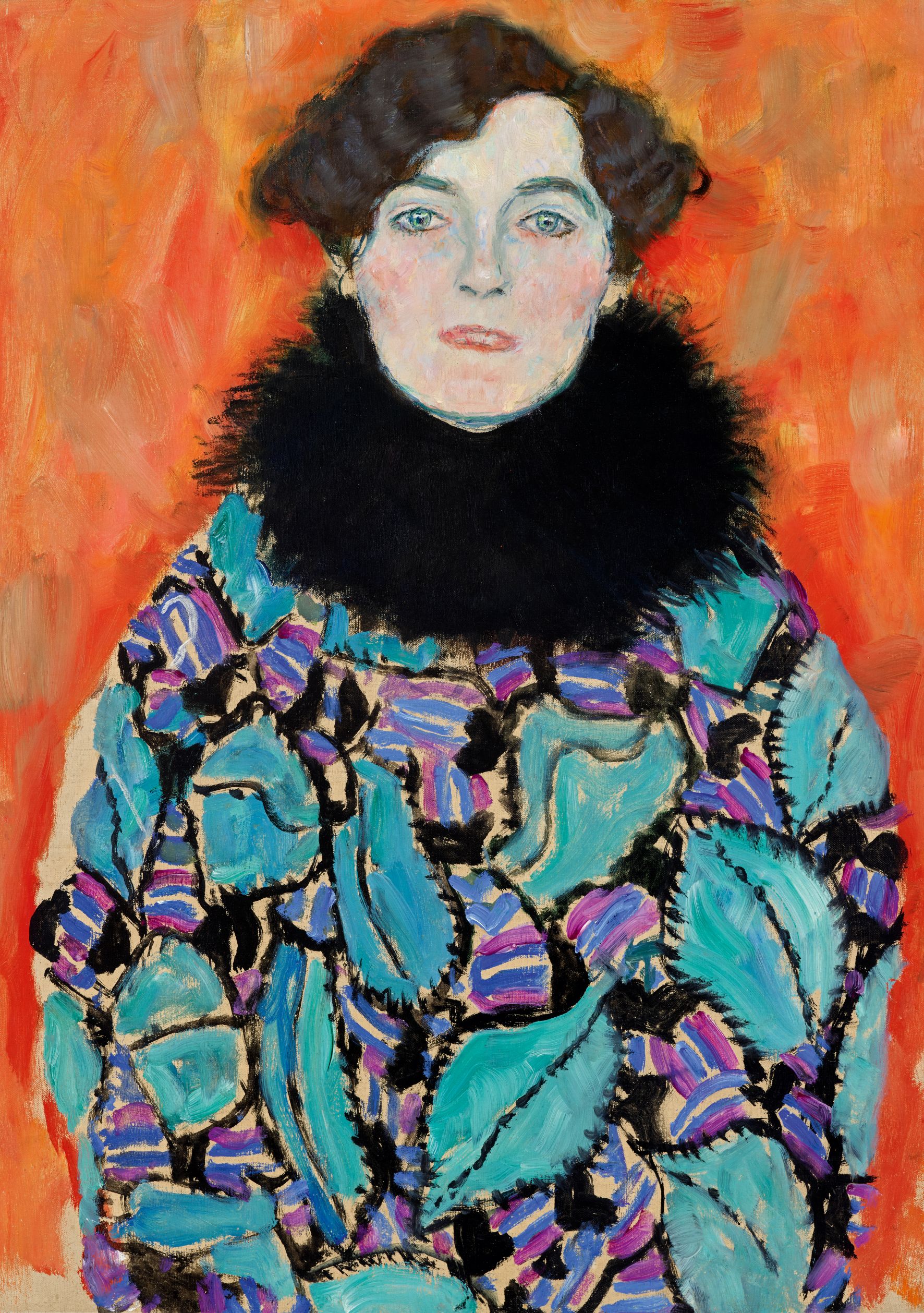
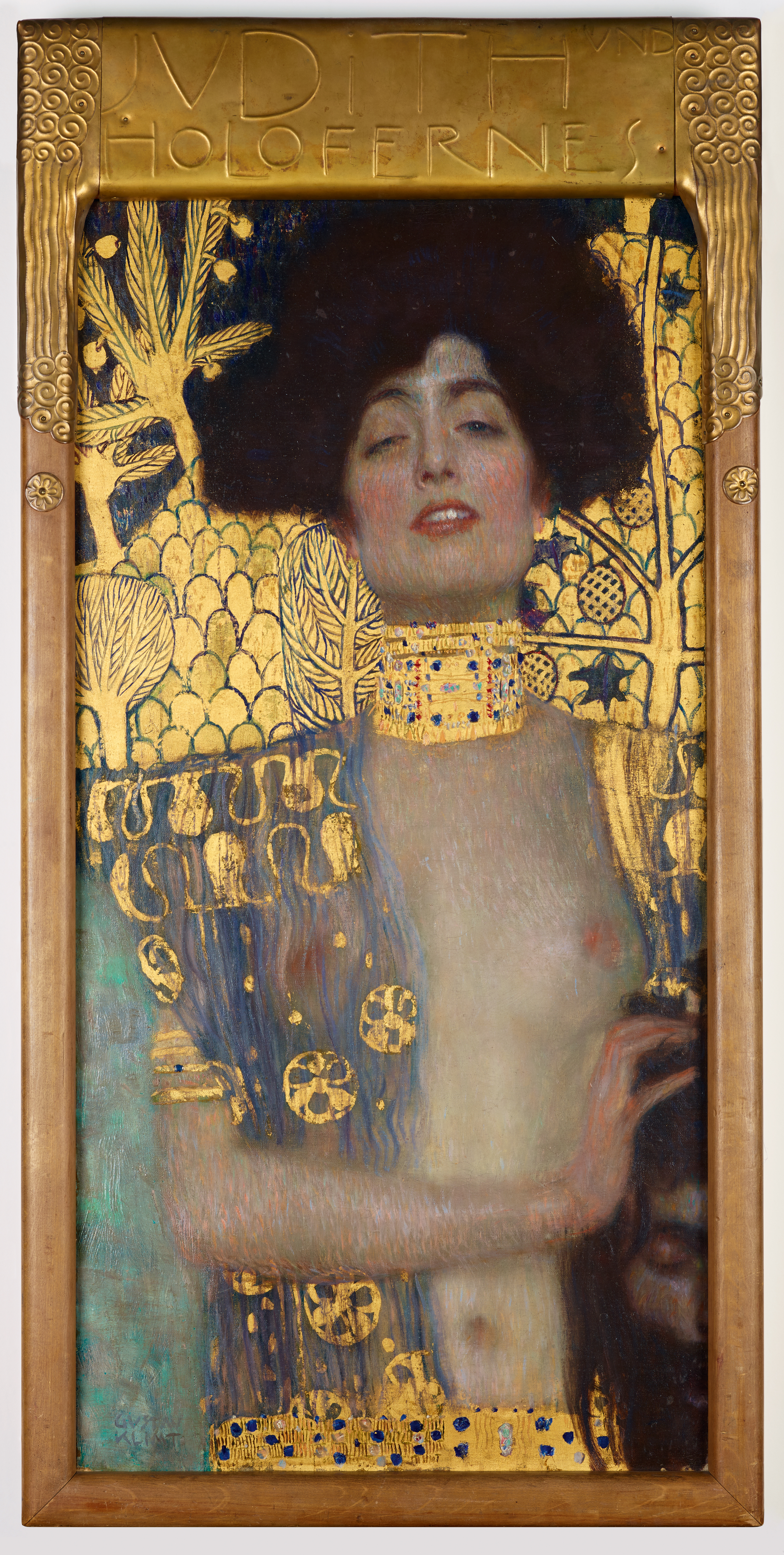
New light is also shed on Judith : Comparisons with depictions of the muse Melpomene present this work in the context of theater iconography for the first time. Further additions to the en tries include new biographical research on Johanna Staude and Fritza Riedler. Furthermore, previously unknown letters from Gustav Klimt regarding the commissioned portrait Josef Lewinsky as Carlos in Clavigo were found in the Vienna Municipal and Provincial Archives. 

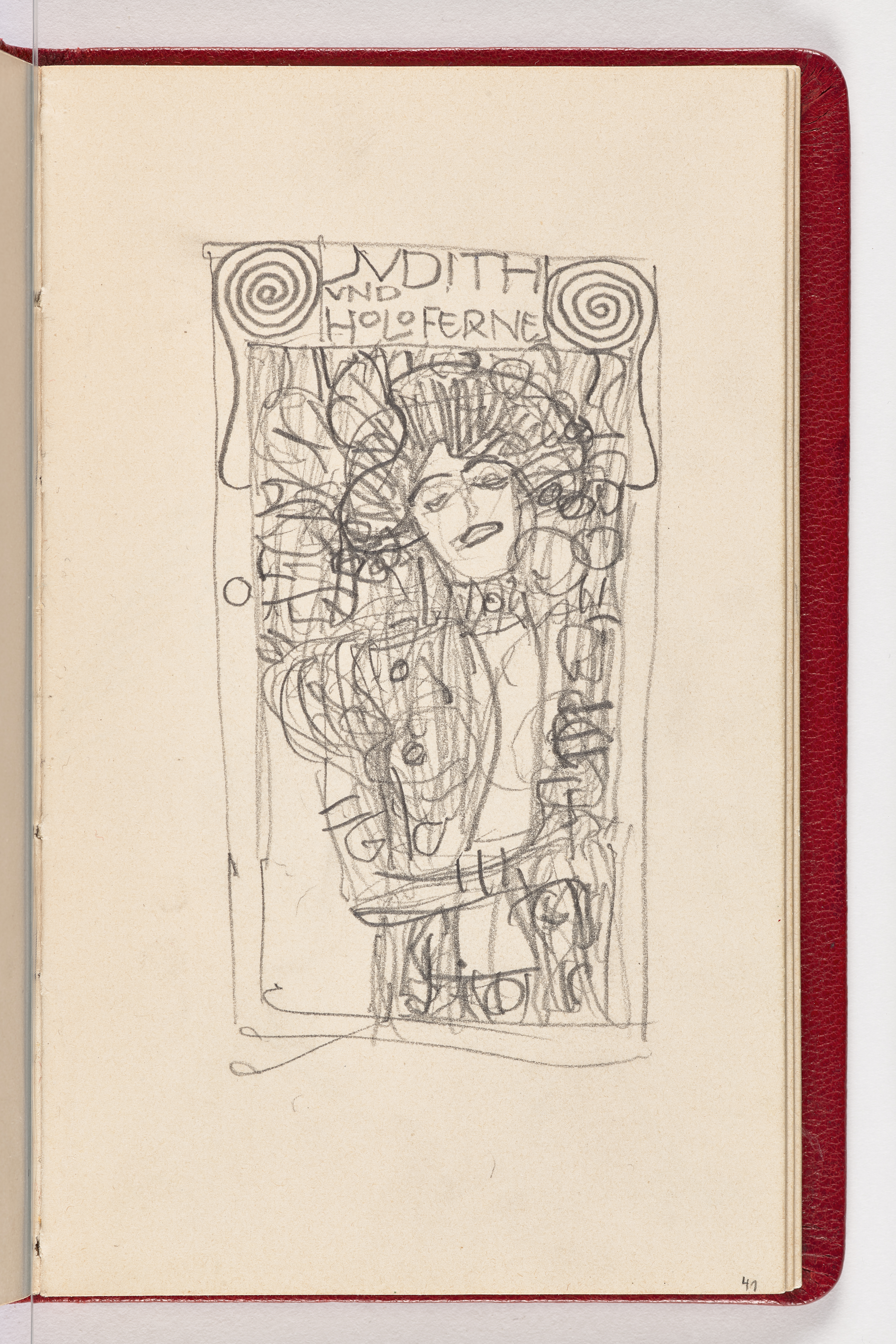
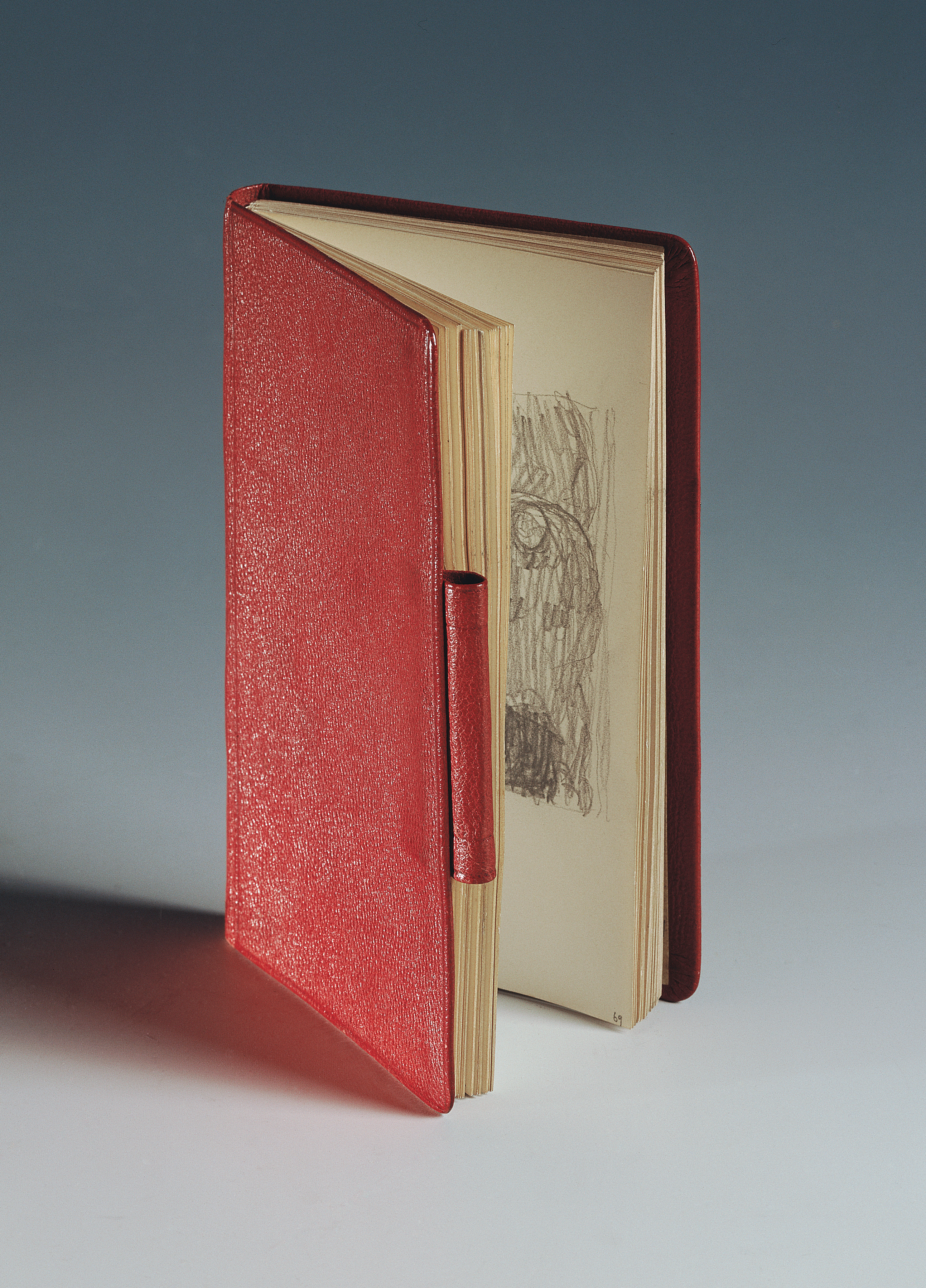
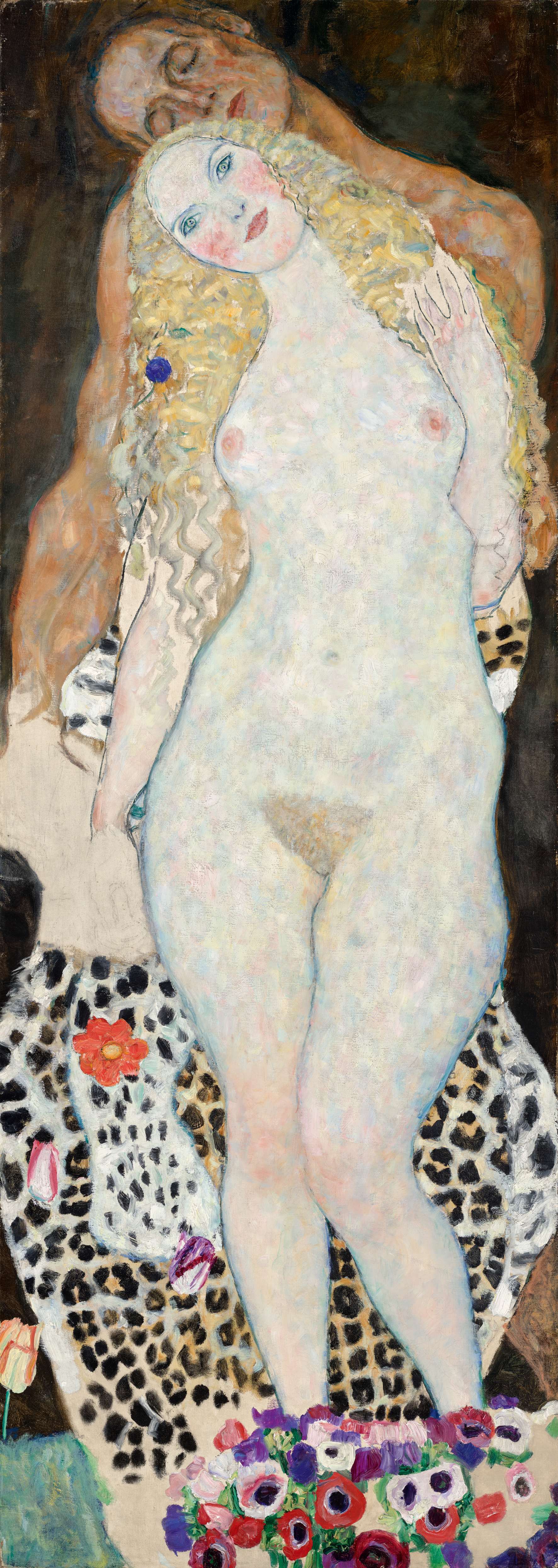
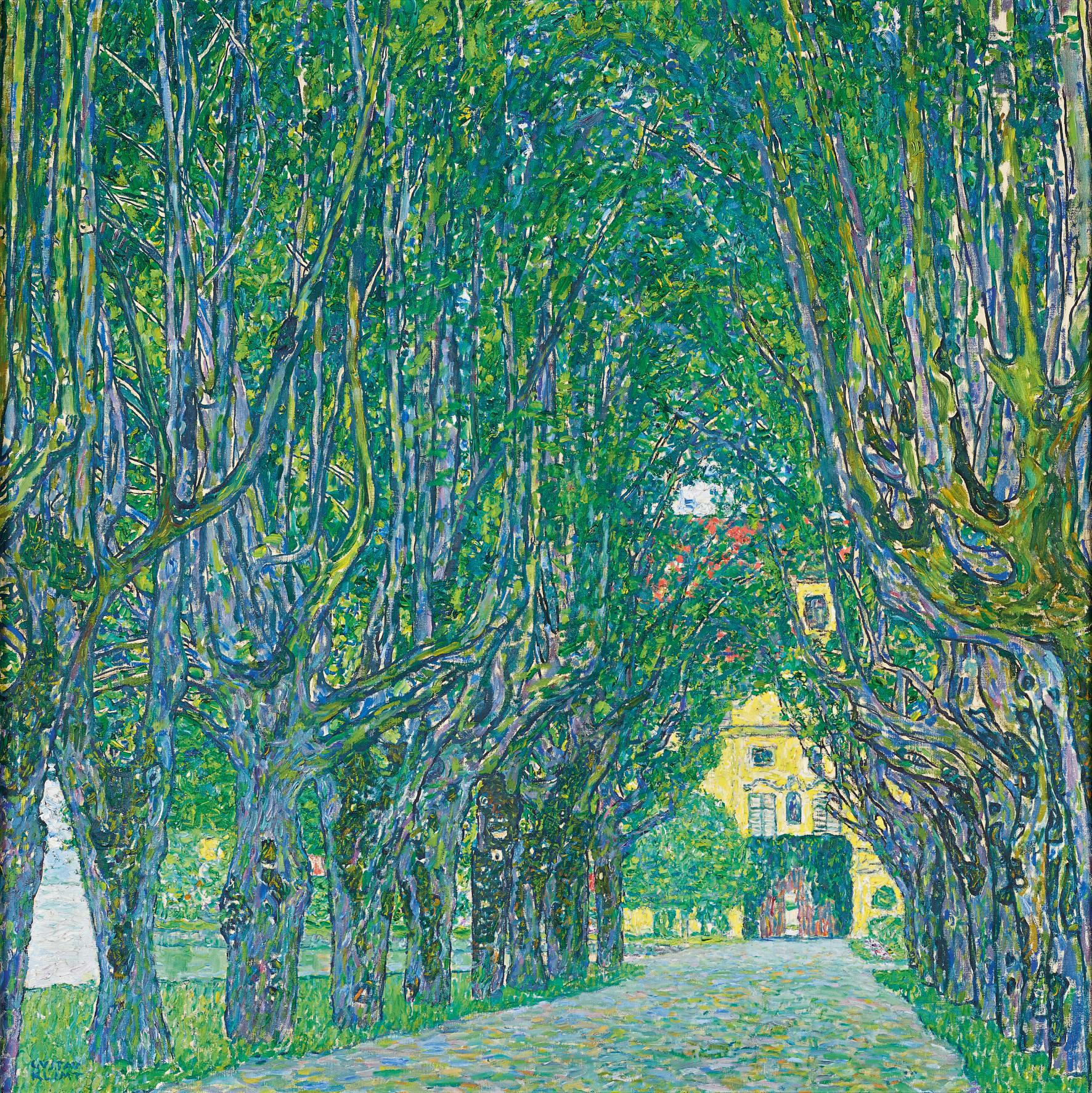
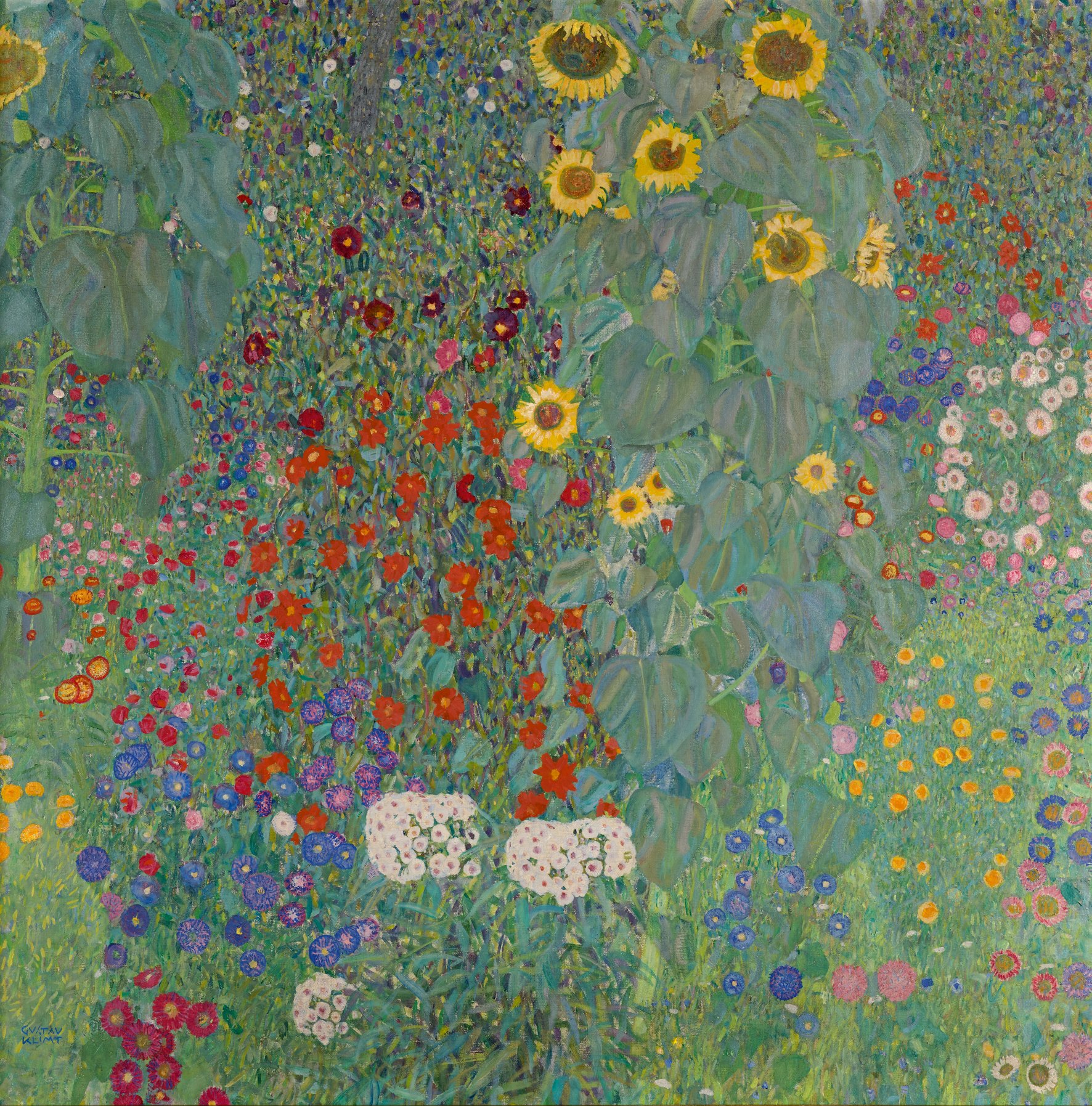
The intensive research over the past years also led to the redating of several works, including Cottage Garden with Sunflowers , Adam and Eve , Schloss Kammer on the Attersee III , and the red sketchbook. Gustav Klimt in der Sammlung des Belvedere (Gustav Klimt in the Belvedere’s Collection) 

Editors: Stella Rollig, Christian Huemer, Luisa Ziaja Managing Editor: Markus Fellinger Authors: Stephanie Auer, Markus Fellinger, Stefanie Jahn, Alexander Klee, Monika Mayer, Franz Smola Archival research: Stefan Lehner Copyediting: Regina Wenninger Project management: Eva Lahnsteiner Picture desk: Stefanie Hasenauer, Maja Kristufek, Eva Lahnsteiner, Michele Musso Online editing: Sophie Rosenberger -Zottl Language: German The project team would like to thank all institutions and individuals who assisted with the research for this collection catalog. 

LINK to the online collection catalog 

IMAGES

Gustav Klimt, Judith, 1901

Photo: Johannes Stoll / Belvedere, Vienna

Infrared reflectography with inverted contrasts

Photo: Conservation / Belvedere, Vienna

Sketch for Judith, Gustav Klimt, Red Sketchbook, 1898

Photo: Johannes Stoll / Belvedere, Vienna

Gustav Klimt, Red Sketchbook, 1898

Belvedere, Vienna

Gustav Klimt, Josef Lewinsky as Carlos in Clavigo, 1895

Belvedere, Vienna

Gustav Klimt, Fritza Riedler, 1906

Photo: Johannes Stoll / Belvedere, Vienna

Gustav Klimt, Adam and Eve, 1916-1918

Photo: Johannes Stoll / Belvedere, Vienna

Gustav Klimt, Alley Leading to Schloss Kammer, around 1911/1912

Photo: Johannes Stoll / Belvedere, Vienna

Gustav Klimt, Cottage Garden with Sunflowers, 1906

Photo: Johannes Stoll / Belvedere, Vienna

Gustav Klimt, Dusk (Lady at the Fireplace), 1897/1898

Belvedere, Vienna

Gustav Klimt, Johanna Staude, 1917/1918

Photo: Johannes Stoll / Belvedere, Vienna


Friday, July 10, 2026

The Renaissance Engraver at Work


Cleveland Museum of Art 

July 5, through November 1, 2026


The Renaissance Engraver at Work, the Cleveland Museum of Art’s (CMA) newest exhibition, offers visitors a glimpse into the beauty, complexity, and technical innovation of engraving, a printmaking process that emerged in mid-1400s Europe. Drawn exclusively from the CMA’s collection, which includes some of the world’s oldest and rarest engravings, the exhibition explores the origins of a medium that transformed the way images were created and duplicated. 

“In Renaissance Europe, engraving was a new technology,” said Emily J. Peters, curator of prints and drawings. “Long the domain of goldsmiths, engraved lines appeared as prints on paper—possibly to record metalwork designs—in the mid-1400s. The potential of printed engravings quickly became clear: They provided the opportunity to reproduce artworks in other media with unprecedented refinement and to disseminate artistic compositions far and wide.” 

Yet, the first 50 years of engraving in Europe, between 1450 and 1500, remain only partially understood. Scholars and curators are unsure of what tools early engravers used to cut their plates, how they prepared their plates and inks, or even, in some cases, precisely how they printed their engravings.  

To gain new insight into the early engravings on display and the engraving process itself and to advance scholarship on these rare works, paper conservator Moyna Stanton and Peters invited Andrew Raftery, master engraver and printmaking professor at the Rhode Island School of Design, to the CMA. Together, the team examined engravings with the paper lab’s stereomicroscope and a variety of light sources and magnification, revealing material and technical details not visible to the naked eye. Close examination provided insight into the challenges artists faced in adopting this new technology, tracing moments of experimentation, refinement, and ambition. 

Exhibition highlights include the following: 

  • The only known first state of Antonio del Pollaiuolo’s Battle of the Nudes  
  • A unique impression by Master of the Nuremberg Passion 
  • Works by Master of the E-Series Tarocchi 
  • Madonna Enthroned with Eight Angels by Master ES 
  • Venus Reclining in a Landscape by Venetian engraver Giulio Campagnola 

Pairing extraordinary works of art and new technical research, The Renaissance Engraver at Work illuminates the pivotal role of engraving, which has a significant effect on our day-to-day lives.  

“From US currency and wedding invitations to jewelry, awards, and diplomas, engraving remains part of daily life in ways many people don’t even notice,” Peters said. “This exhibition invites visitors to look closely at the process and appreciate its origins.” 


Battle of the Nudes, 1470s–80s. Antonio del Pollaiuolo (Italian, 1431/32–1498). Engraving; image: 42 x 60.4 cm; sheet: 42.4 x 60.9 cm. The Cleveland Museum of Art, Purchase from the J. H. Wade Fund, 1967.127


Christ Carrying the Cross, 1475–90. Martin Schongauer (German, c. 1450–1491). Engraving; sheet: 29 x 43.6 cm. The Cleveland Museum of Art, Dudley P. Allen Fund, 1941.389


The Large Horse, 1505. Albrecht Dürer (German, 1471–1528). Engraving; sheet: 16.6 x 11.9 cm. The Cleveland Museum of Art, Bequest of Leonard C. Hanna Jr., 1958.113


The Massacre of the Innocents (Without the Fir Tree), c. 1511–12. Marcantonio Raimondi (Italian, 1470/82–1527/34), after Raphael (Italian, 1483–1520). Engraving; sheet: 28 x 42.6 cm. The Cleveland Museum of Art, Gift of the Print Club of Cleveland, 1964.23


The Farnesian Hercules, from Three Famous Antique Roman Statues, 1592. Hendrick Goltzius (Dutch, 1558–1617). Engraving; image: 40.4 x 29.4 cm; sheet: 42.5 x 30.2 cm. The Cleveland Museum of Art, Severance and Greta Millikin Purchase Fund, 2022.137