The Belvedere has set a new milestone in collection research with the publication of a comprehensive online catalog of works by Gustav Klimt in its holdings. This makes the results of years of research accessible to the public and strengthens the museum’s position as an international center of expertise on Gustav Klimt.
General Director Stella Rollig: The online catalog of the Gustav Klimt collection sets a new standard in the scholarly documentation of museum collections. This is the first time that an Austrian federal museum has offered access to its collection with this level of depth. We have combin ed art history, conservation, provenance research, and digital communication to create a comprehensive knowledge base, enhancing the visibility of our Klimt holdings with lasting effect. Since 2022 an interdisciplinary team from the Belvedere has been working on a detailed research project about the twenty -four works by Gustav Klimt in its collection.
This online catalog goes far beyond the scope of a printed catalog raisonné. In addition to in-depth art -historical essays on each work, it contains the documentation of conservation investigations, sources from the Belvedere Archive, complete exhibition histories, extensive bibliographies, and links to online resources. A particular focus is placed on provenance research with each work presented with a detailed provenance chain including additional source references and commentaries on ownership history.
The catalog has been designed as a dynamic database that will be constantly expanded. This digital format allows the immediate addition of new research and can also be used in the long term for other artists in the collection. The database is available in German.
Significant new discoveries include the identification of Klimt’s painting Lady at the Fireplace as the picture Dusk , which was previously believed lost. The clue was provided by an Italian customs label on the picture’s reverse; the work representing Gustav Klimt at the third Venice Biennale in 1899 was thus rediscovered.
New light is also shed on Judith : Comparisons with depictions of the muse Melpomene present this work in the context of theater iconography for the first time. Further additions to the en tries include new biographical research on Johanna Staude and Fritza Riedler. Furthermore, previously unknown letters from Gustav Klimt regarding the commissioned portrait Josef Lewinsky as Carlos in Clavigo were found in the Vienna Municipal and Provincial Archives.
The intensive research over the past years also led to the redating of several works, including Cottage Garden with Sunflowers , Adam and Eve , Schloss Kammer on the Attersee III , and the red sketchbook. Gustav Klimt in der Sammlung des Belvedere (Gustav Klimt in the Belvedere’s Collection)
Editors: Stella Rollig, Christian Huemer, Luisa Ziaja Managing Editor: Markus Fellinger Authors: Stephanie Auer, Markus Fellinger, Stefanie Jahn, Alexander Klee, Monika Mayer, Franz Smola Archival research: Stefan Lehner Copyediting: Regina Wenninger Project management: Eva Lahnsteiner Picture desk: Stefanie Hasenauer, Maja Kristufek, Eva Lahnsteiner, Michele Musso Online editing: Sophie Rosenberger -Zottl Language: German The project team would like to thank all institutions and individuals who assisted with the research for this collection catalog.
LINK to the online collection catalog
IMAGES
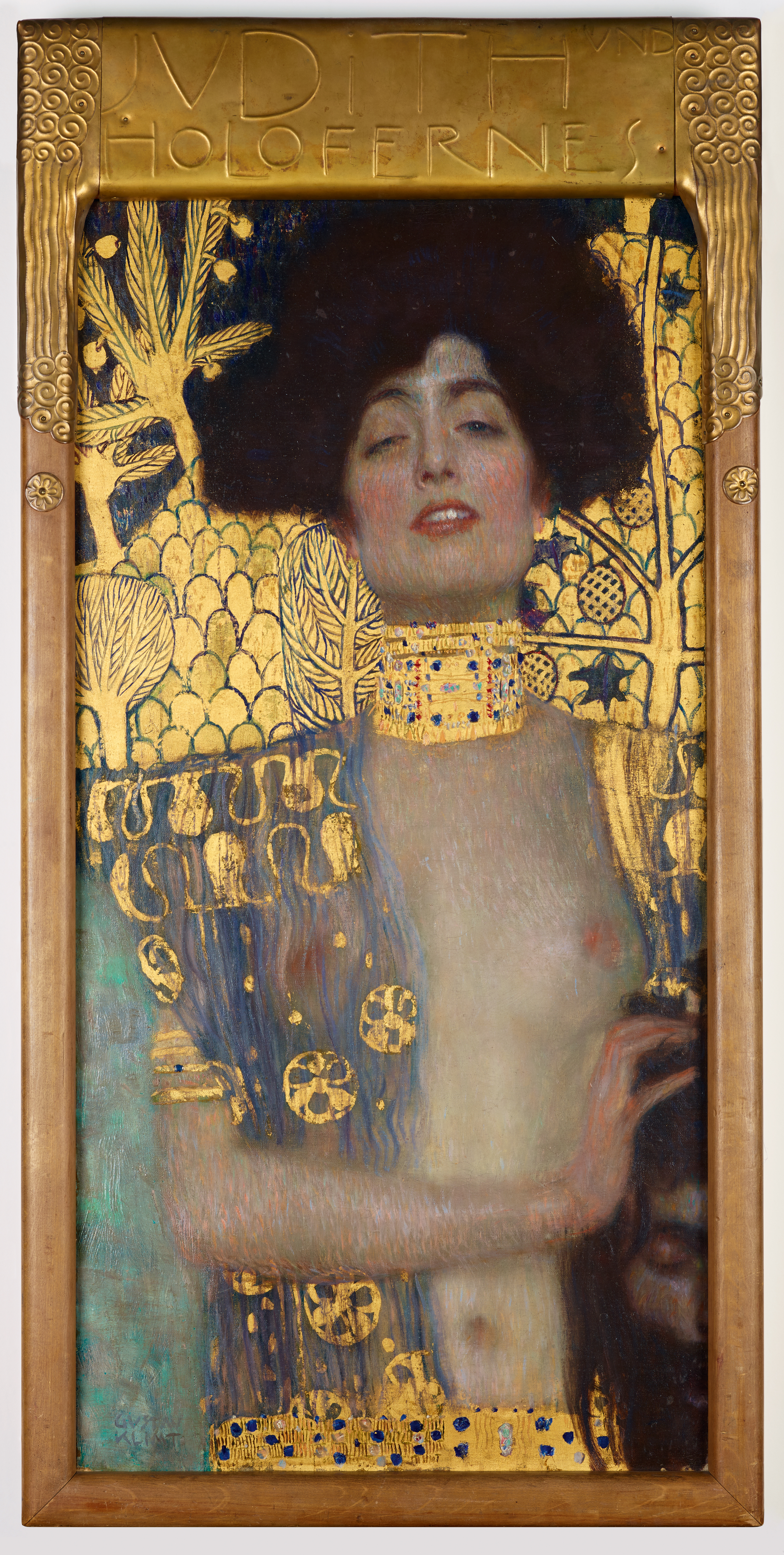
Gustav Klimt, Judith, 1901
Photo: Johannes Stoll / Belvedere, Vienna
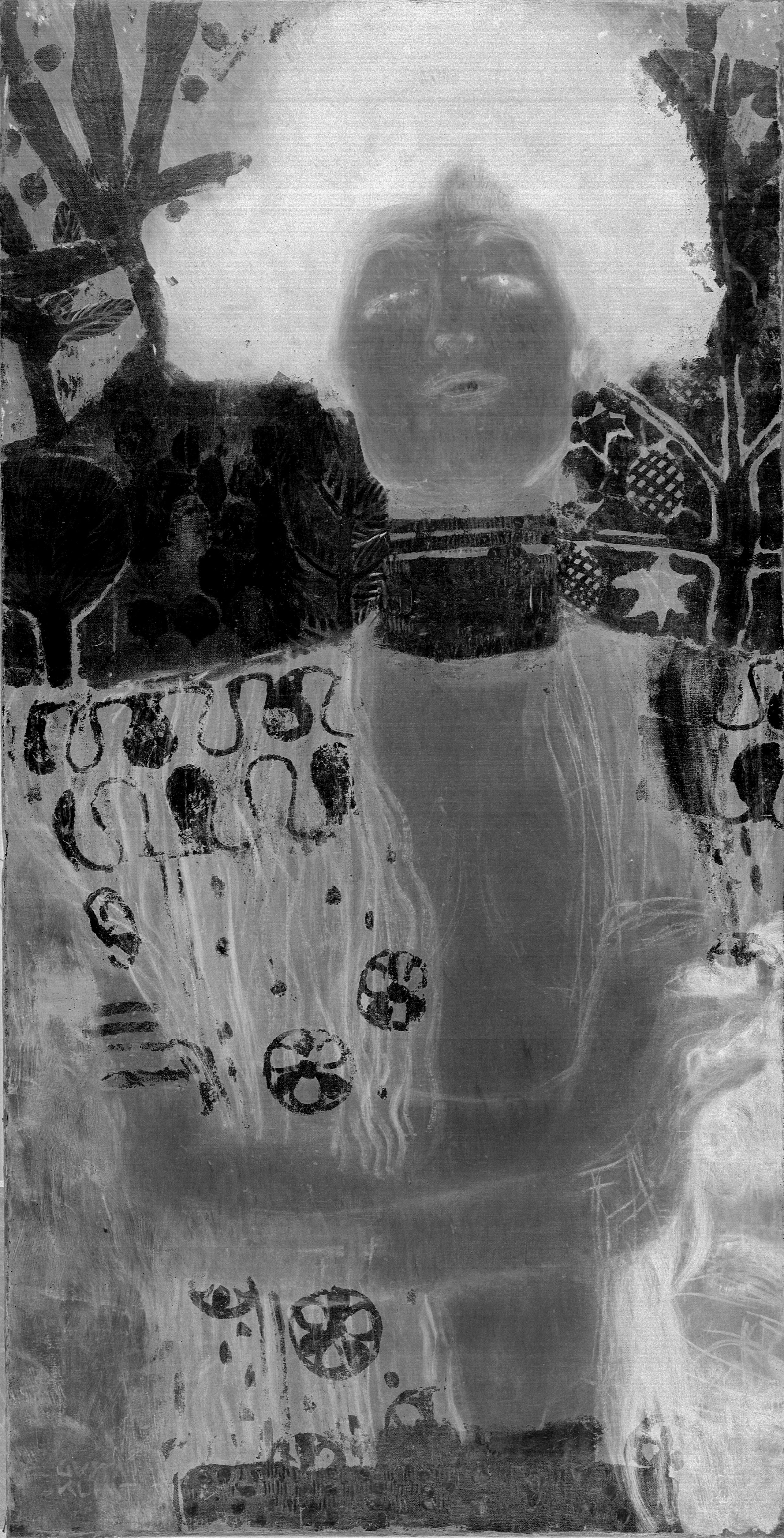
Infrared reflectography with inverted contrasts
Photo: Conservation / Belvedere, Vienna
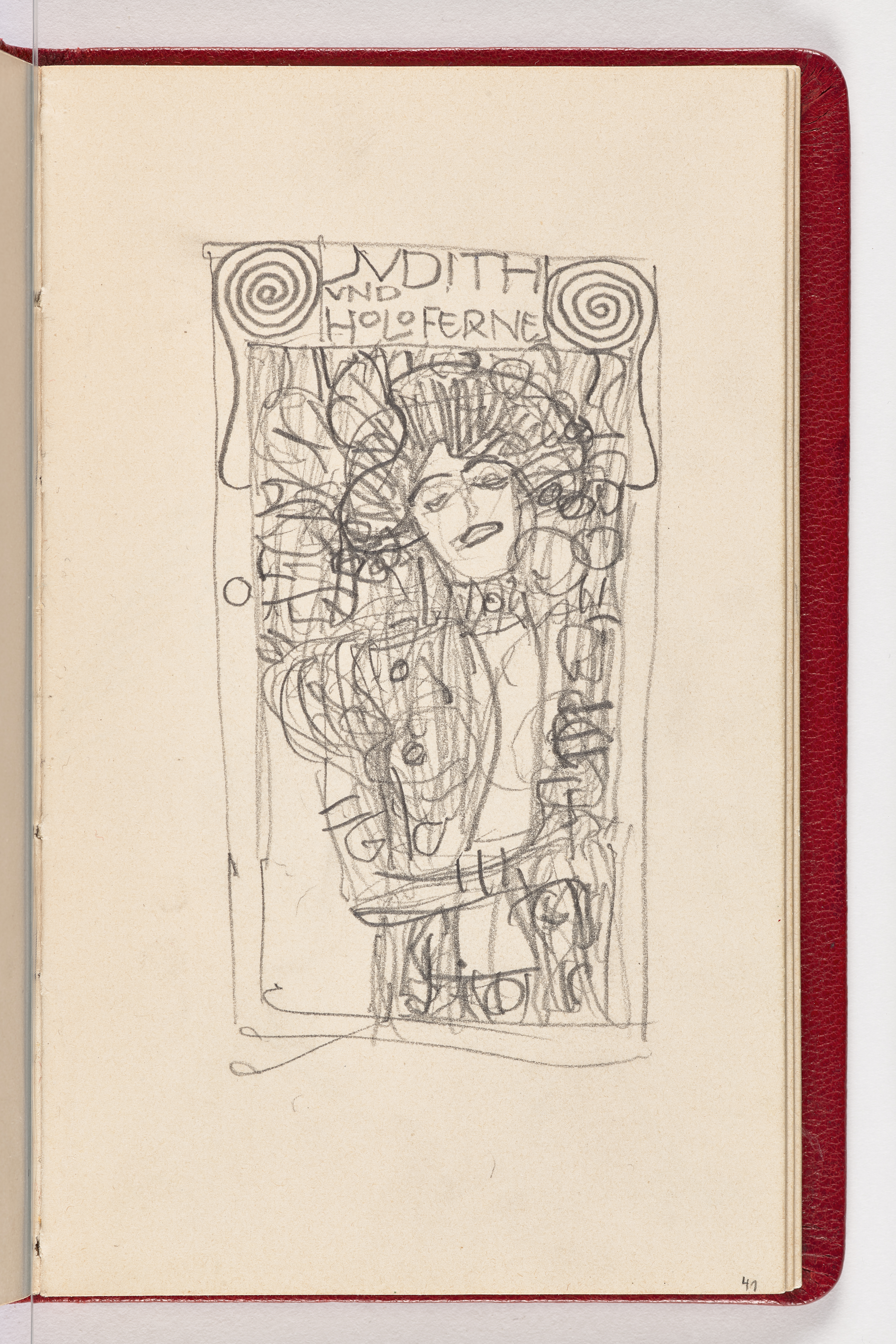
Sketch for Judith, Gustav Klimt, Red Sketchbook, 1898
Photo: Johannes Stoll / Belvedere, Vienna
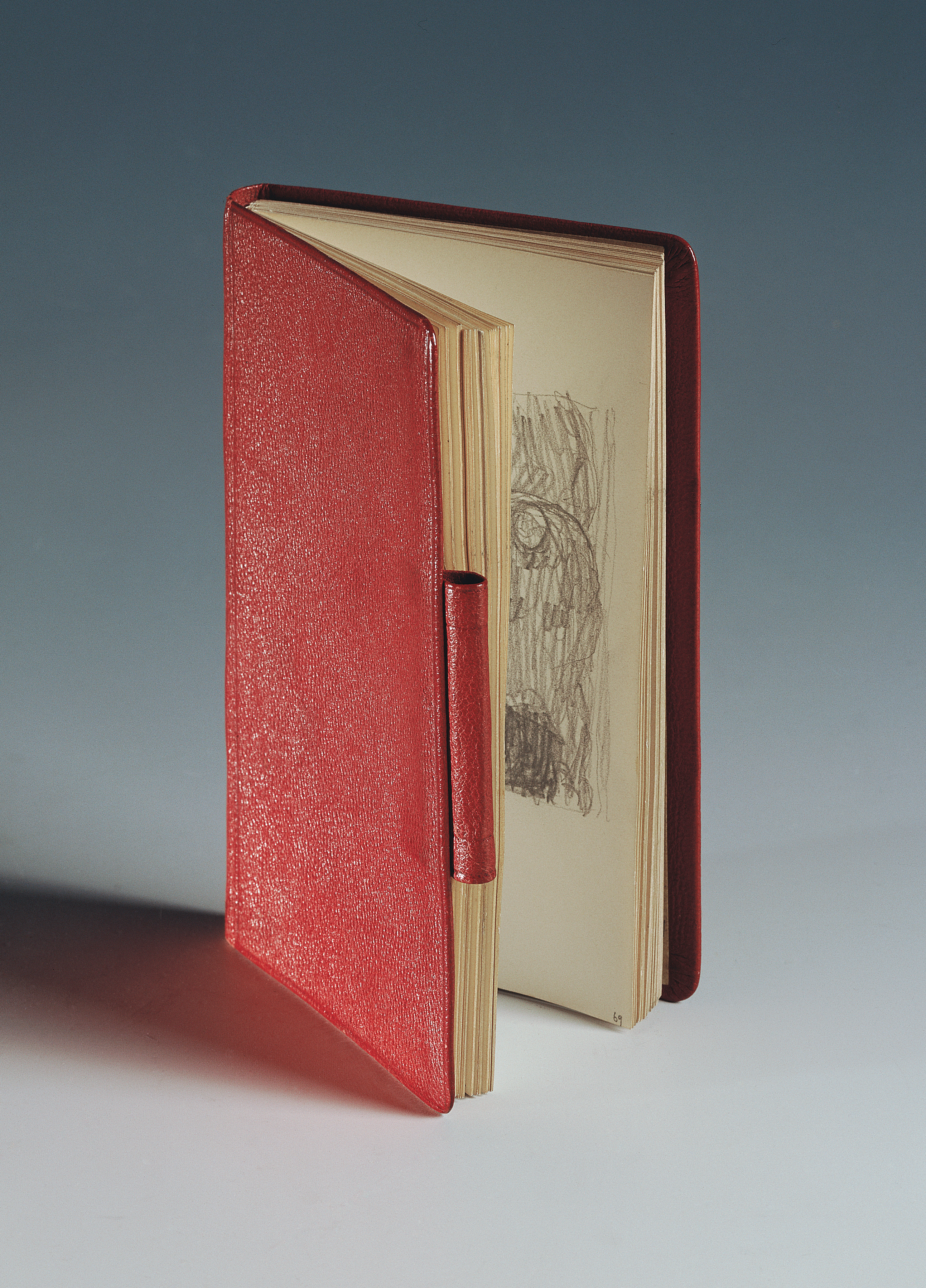
Gustav Klimt, Red Sketchbook, 1898
Belvedere, Vienna
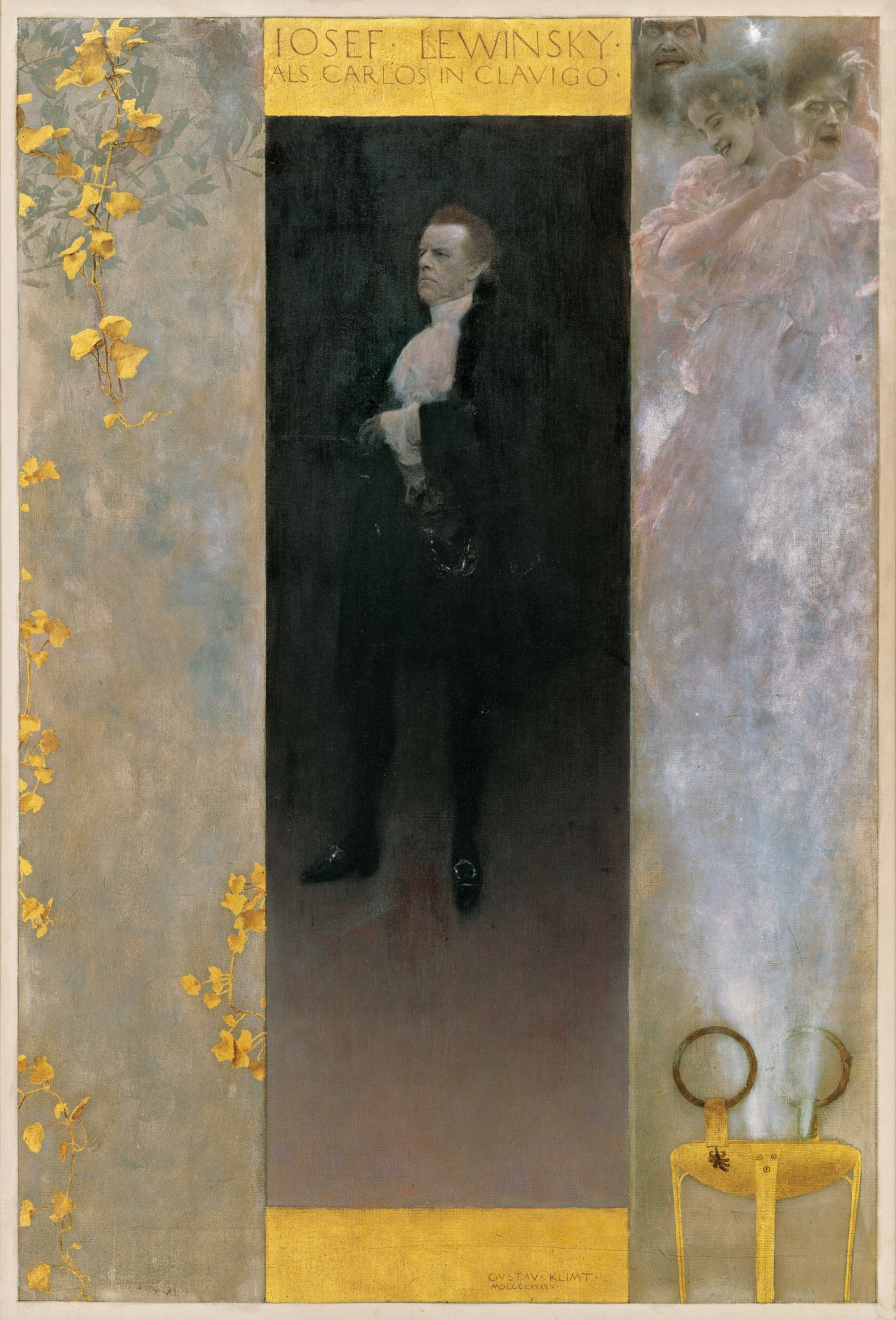
Gustav Klimt, Josef Lewinsky as Carlos in Clavigo, 1895
Belvedere, Vienna
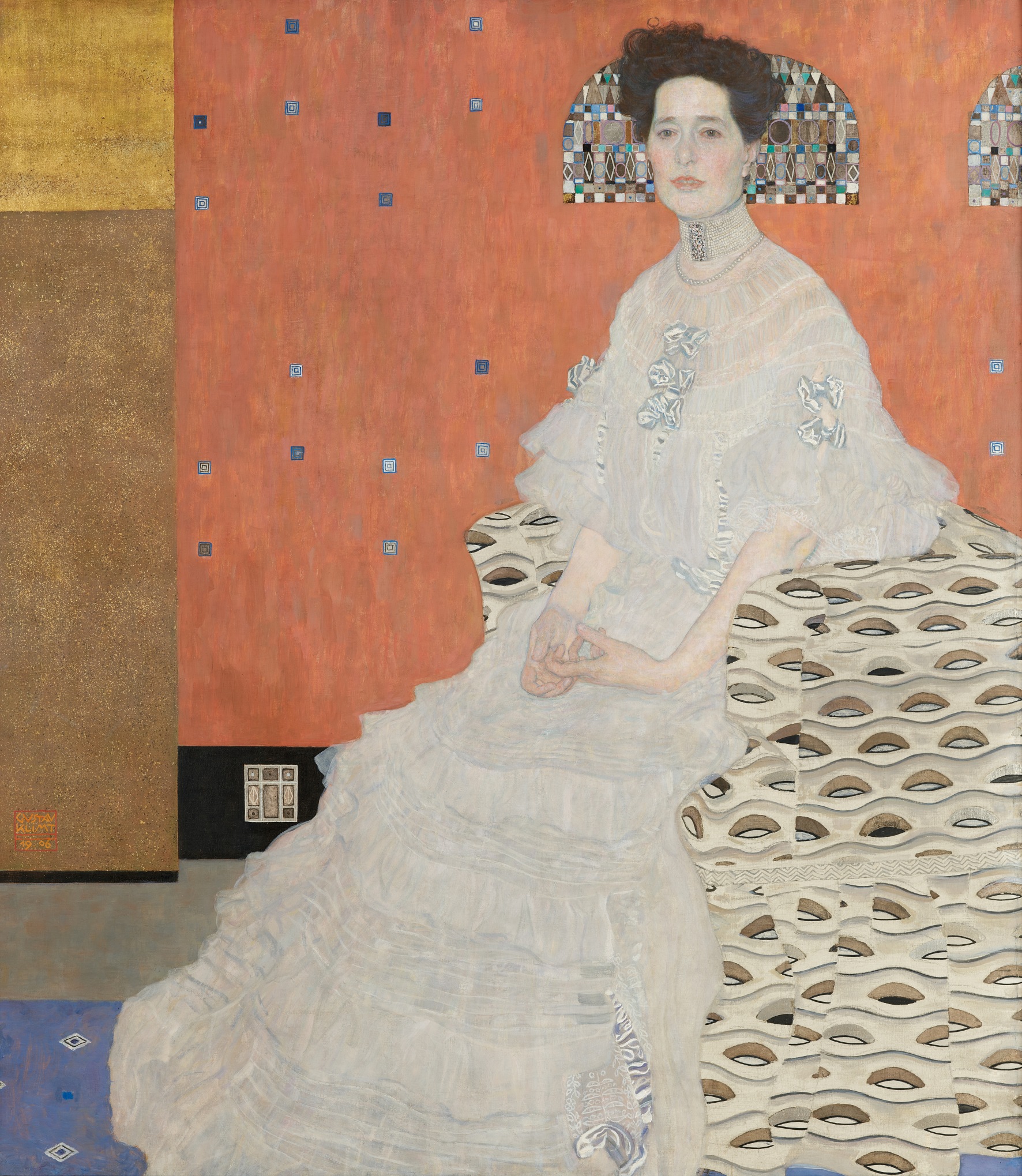
Gustav Klimt, Fritza Riedler, 1906
Photo: Johannes Stoll / Belvedere, Vienna
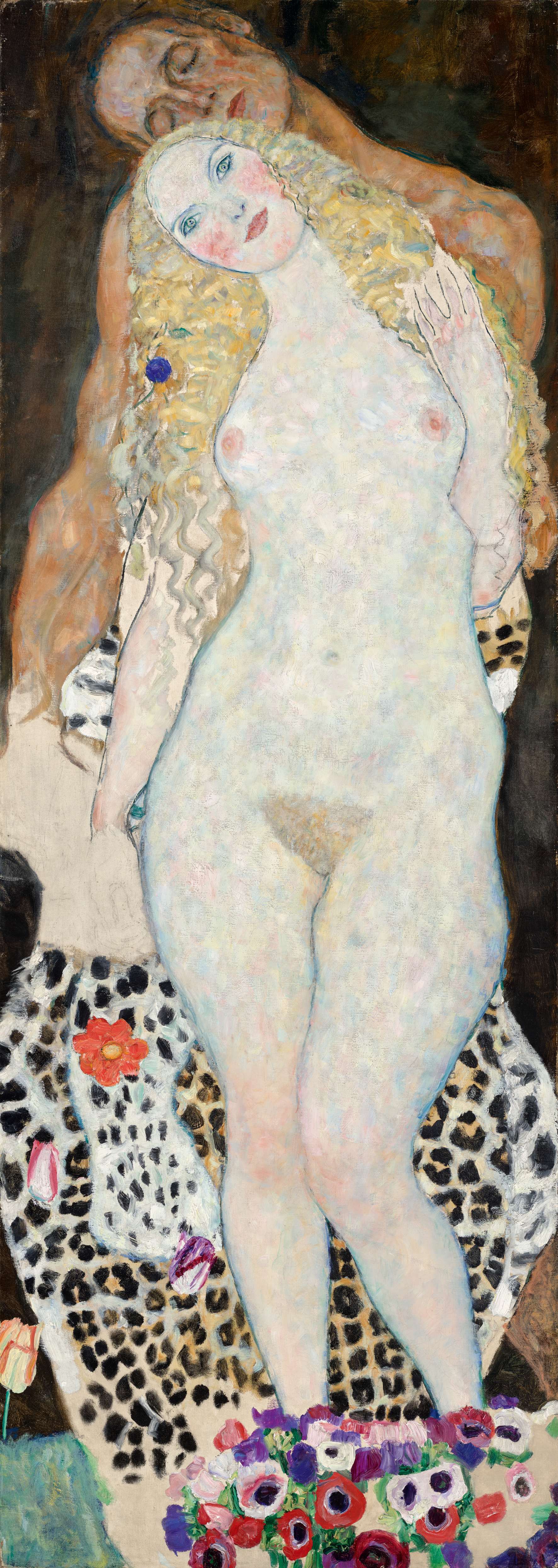
Gustav Klimt, Adam and Eve, 1916-1918
Photo: Johannes Stoll / Belvedere, Vienna
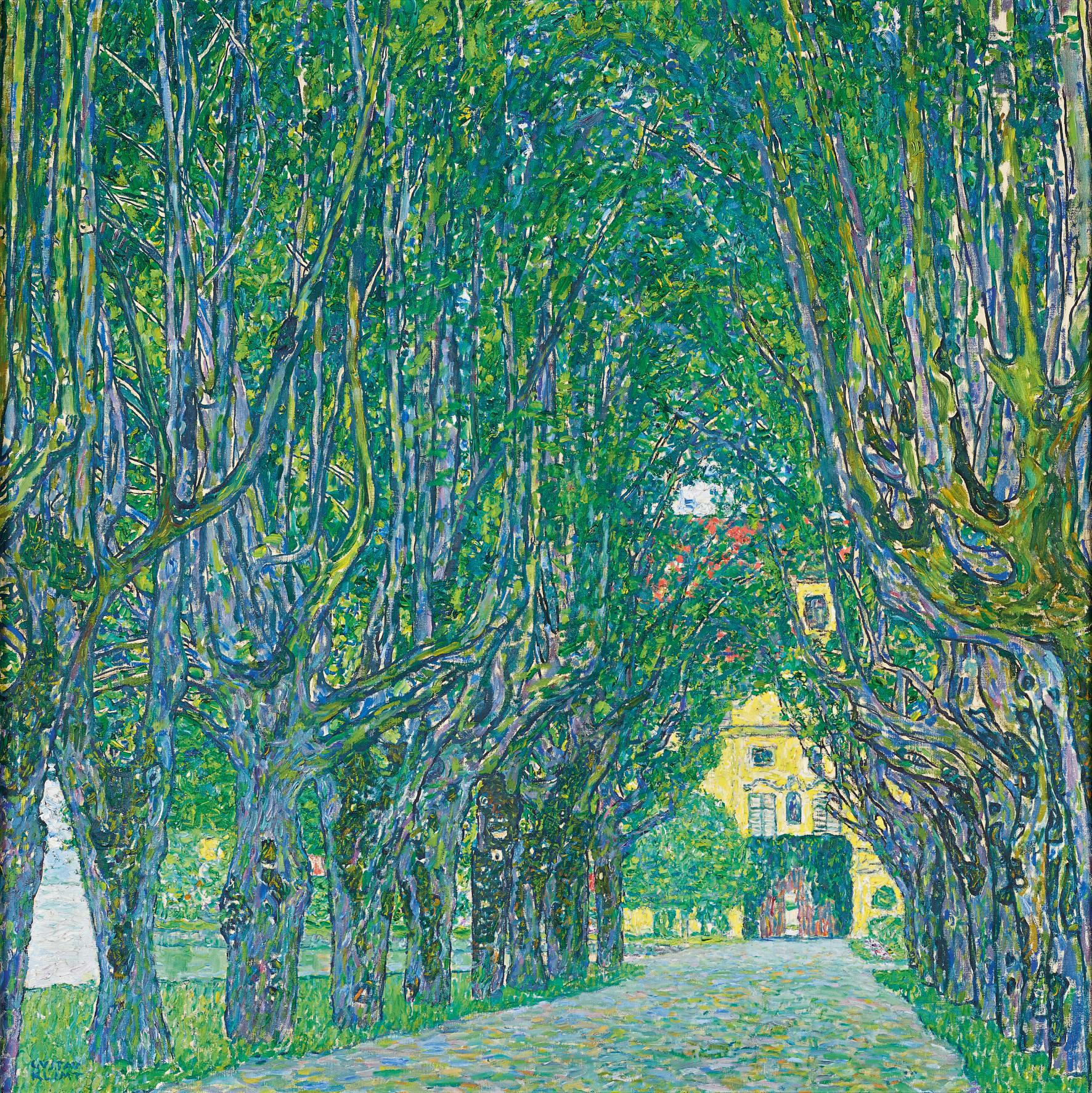
Gustav Klimt, Alley Leading to Schloss Kammer, around 1911/1912
Photo: Johannes Stoll / Belvedere, Vienna
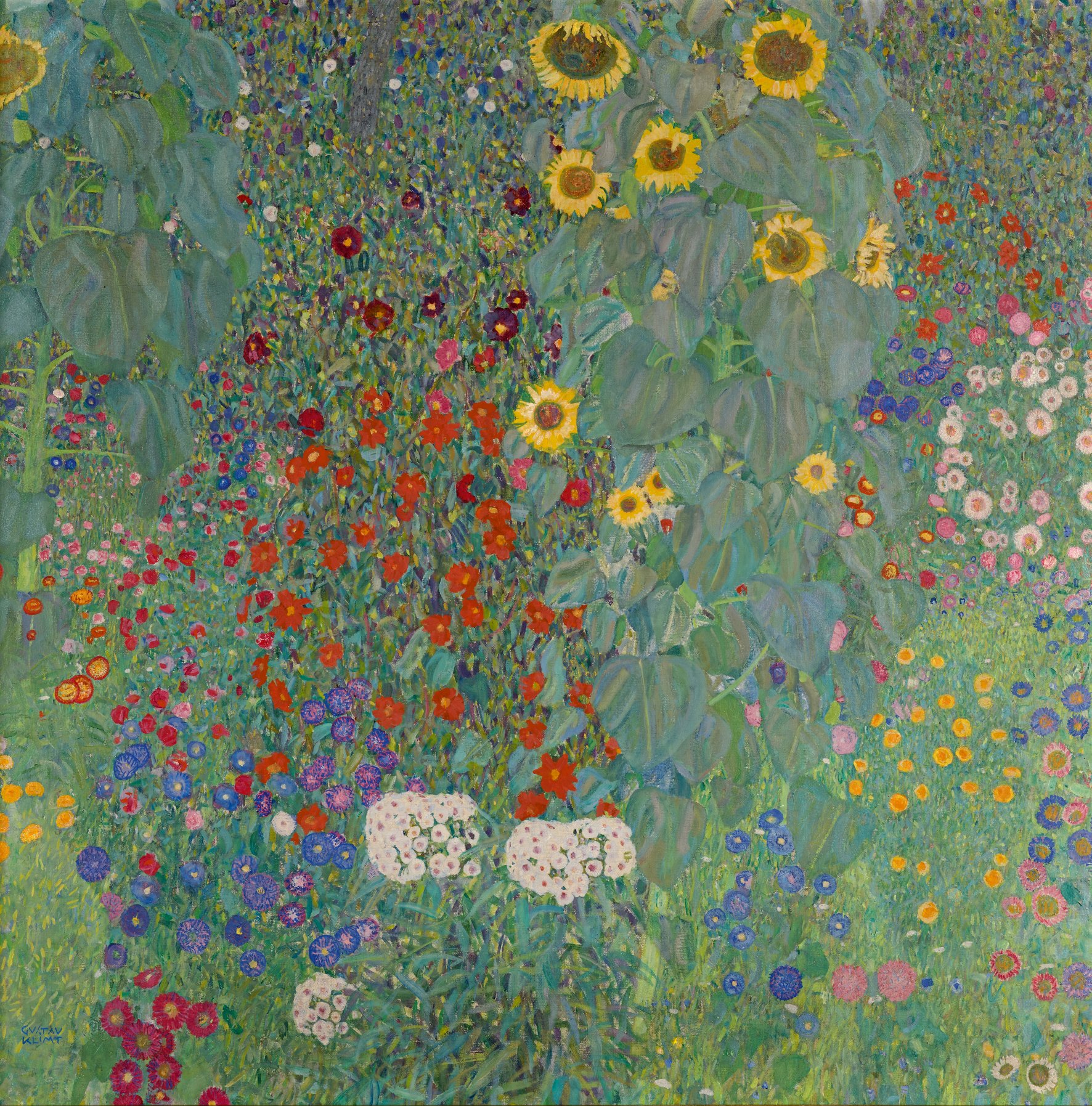
Gustav Klimt, Cottage Garden with Sunflowers, 1906
Photo: Johannes Stoll / Belvedere, Vienna
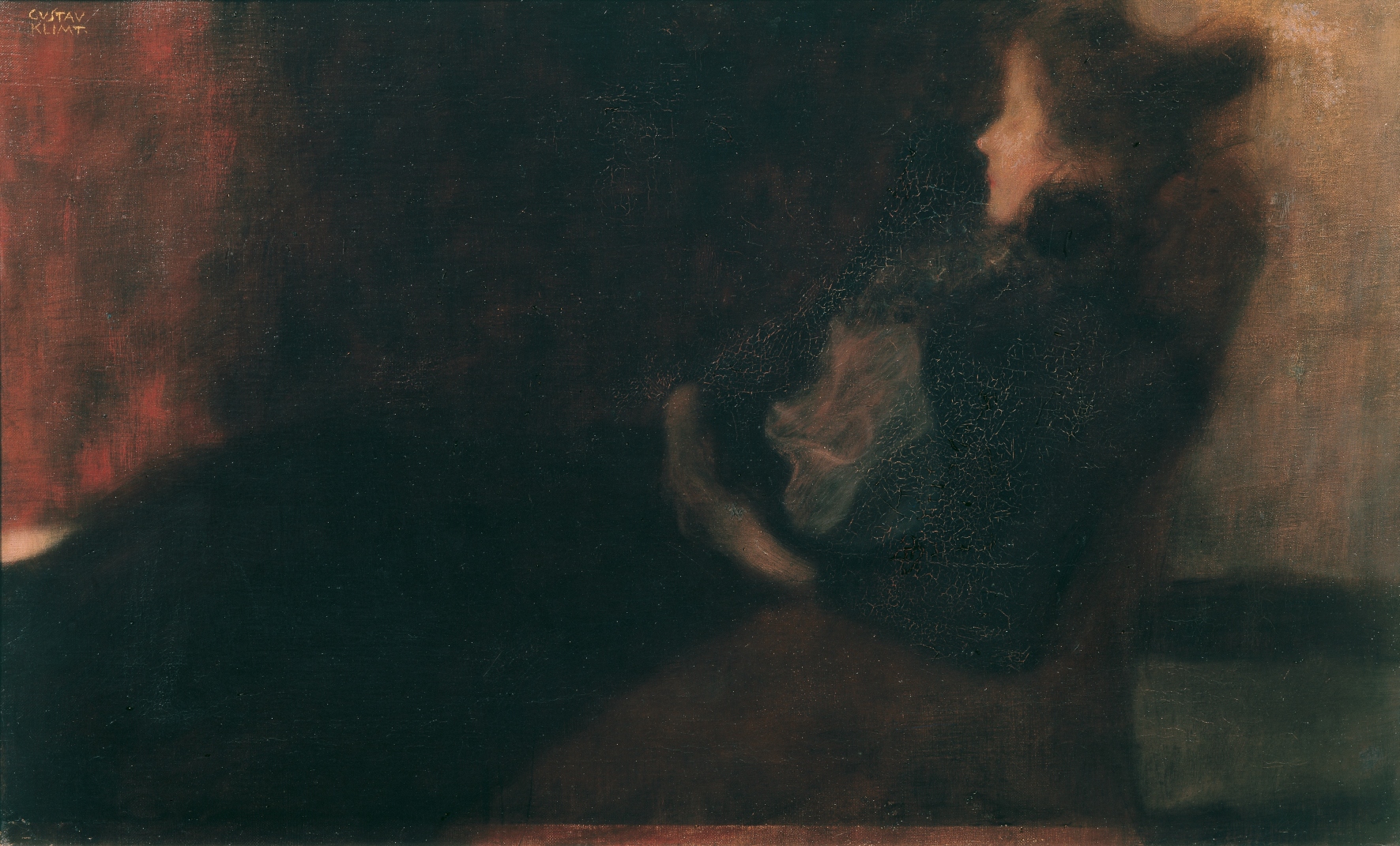
Gustav Klimt, Dusk (Lady at the Fireplace), 1897/1898
Belvedere, Vienna
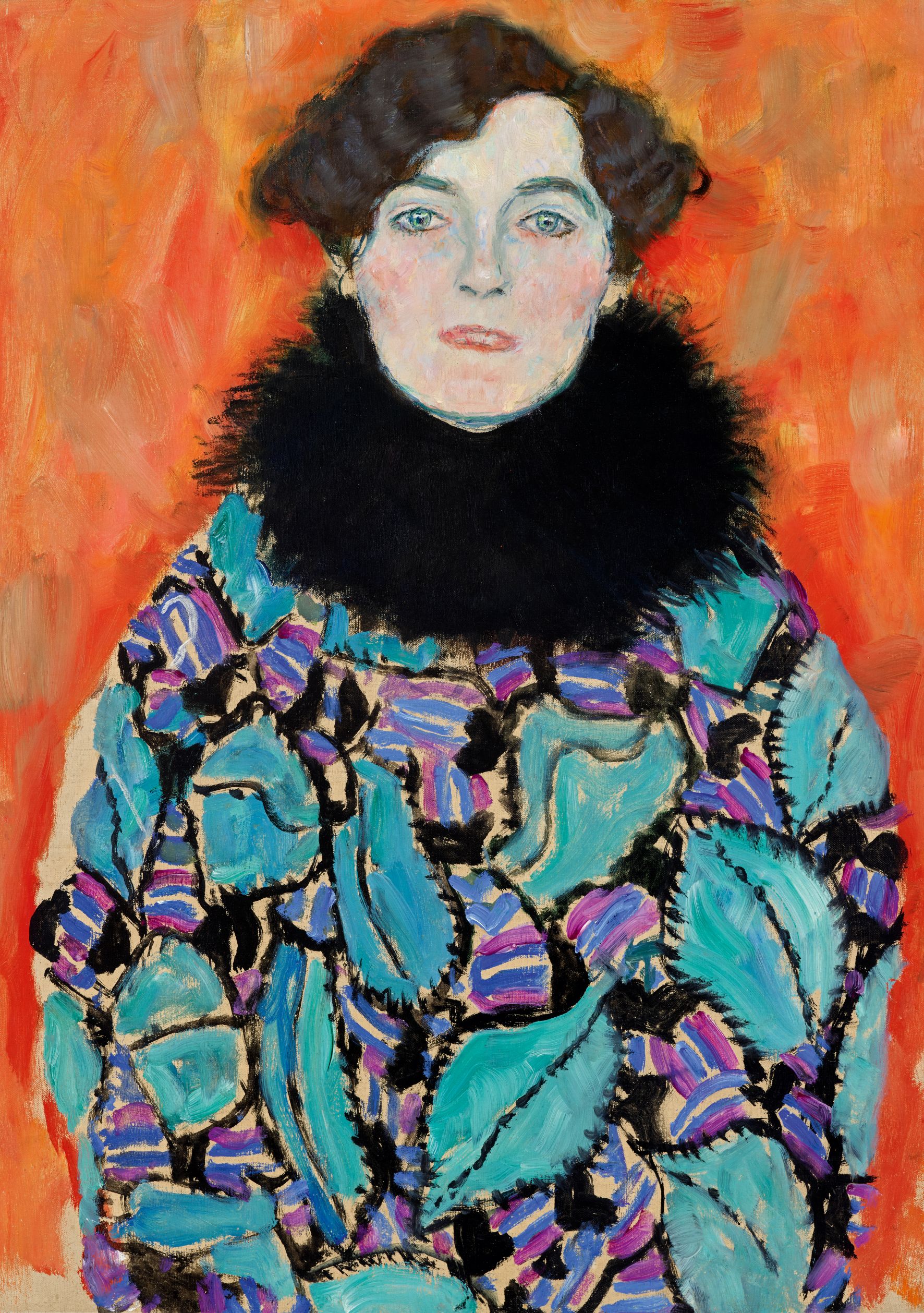
Gustav Klimt, Johanna Staude, 1917/1918
Photo: Johannes Stoll / Belvedere, Vienna


