October 2, 2018 to January 13, 2019

Pieter Bruegel the Elder (c. 1525/30 Breugel or Antwerp? – 1569 Brussels) View of the Bay of Naples c. 1563?, panel, 42.2 × 71.2 cm Rome, Galleria Doria Pamphilj © Rome, Galleria Doria Pamphilj
From October 2 to January 13, 2019, the Kunsthistorisches
Museum in Vienna presents the first-ever major monograph show dedicated
to the greatest Netherlandish painter of the sixteenth century:
Pieter Bruegel the Elder (c. 1525/30‒1569). The exhibition commemorates
the 450th anniversary of his death.
During his lifetime, Pieter Bruegel the Elder was already among the period’s most sought-after artists, with his works achieving exceptionally high prices. Only about forty paintings and sixty prints by him are all that has come down to the present day. The twelve panels in the Kunsthistorisches Museum are by far the largest collection of Bruegels in the world, a fact owed to 16th century Habsburg connoisseurs who already appreciated the exceptional quality of his works and strove to acquire these prestigious paintings.
Bruegel revolutionised landscape and genre painting, and his compositions continue to elicit varied and controversial interpretations. The depth and breadth of his pictorial world and
the perceptive powers of observation he employs in his depictions of quotidian life continue to fascinate all who encounter his works.
Museums and private collectors count Bruegel’s works among their most precious and fragile possessions. Most of the panels have never been loaned for an exhibition. By bringing together over 90 works by the master, the exhibition in Vienna has assembled for the very first time a comprehensive overview of Bruegel’s oeuvre: comprising around 30 panel paintings (i.e. three quarters of extant paintings) and almost half of his preserved drawings and prints, the show offers visitors a once-in-a-lifetime opportunity to immerse themselves in the artist’s complex pictorial world, to study his stylistic development and his creative process, and to get to know his method of work, his pictorial humour and his unique narrative powers.
The highlights in the exhibition include, for example,
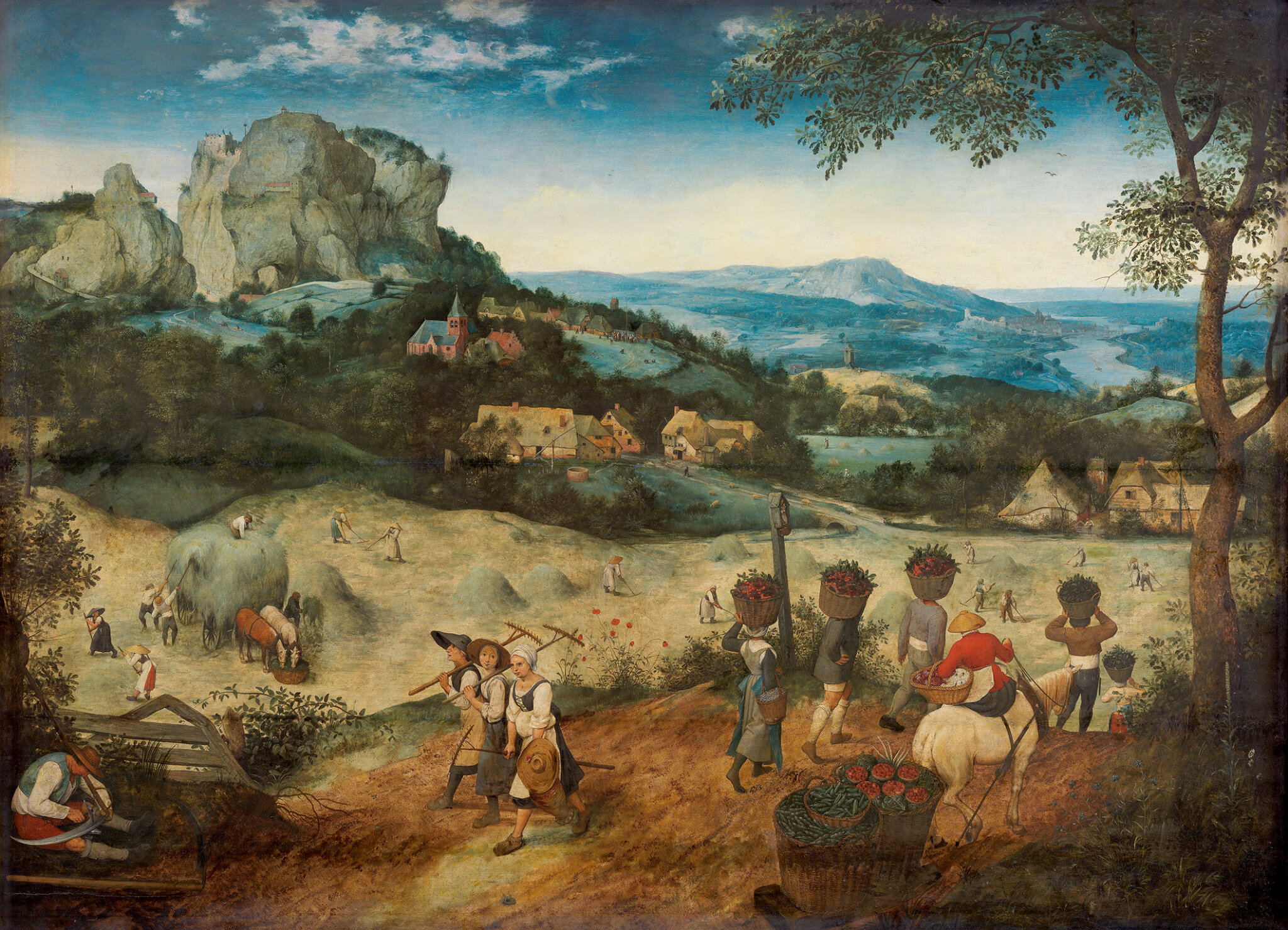
Pieter Bruegel the Elder (c. 1525/30 Breugel or Antwerp? – 1569 Brussels)
The Haymaking
1565, oak panel, 114 × 158 cm
Prague, The Lobkowicz Collections, Lobkowicz Palace, Prague Castle
© The Lobkowicz Collections
The Haymaking from the Lobkowicz Collections, Prague,
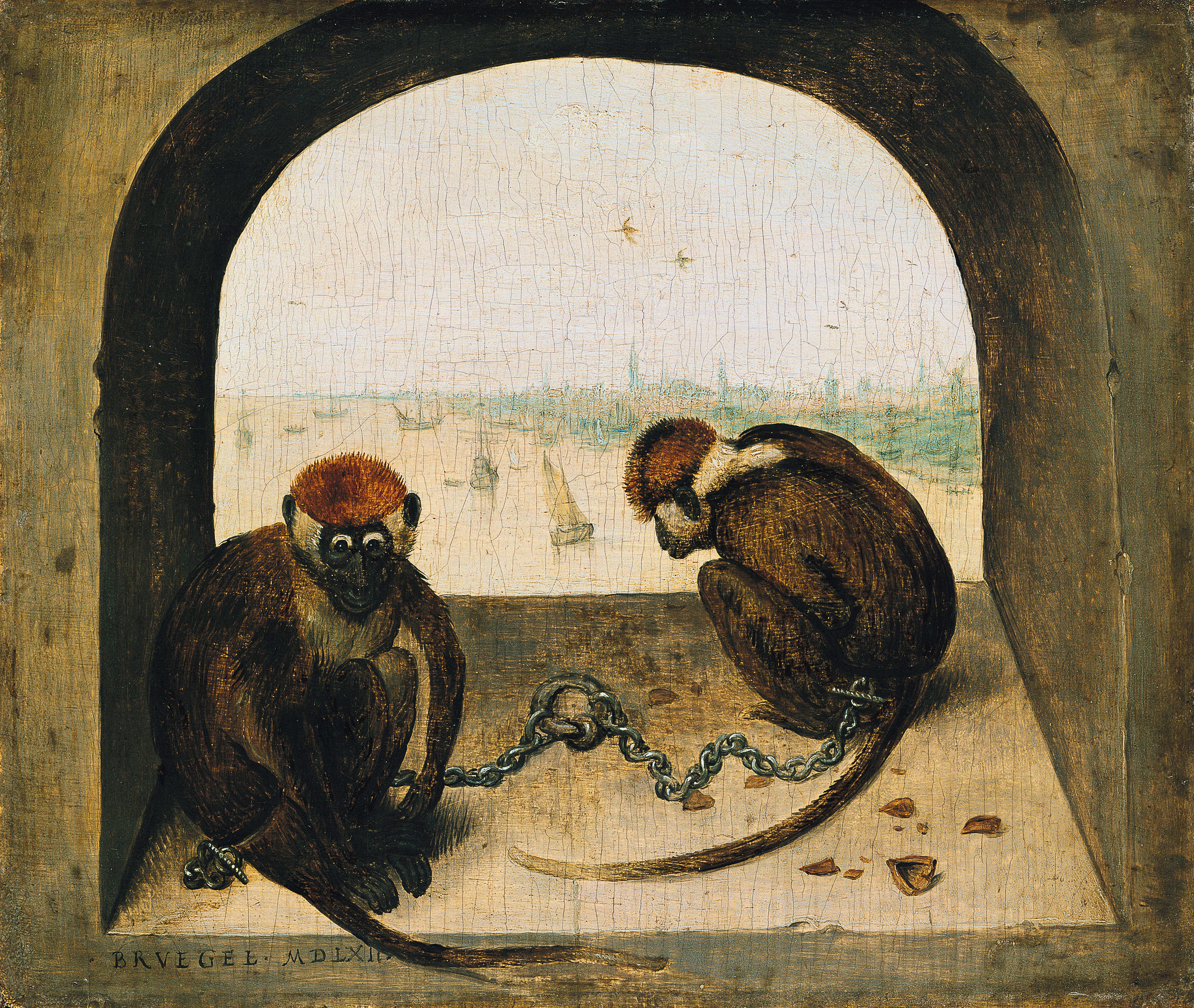
Pieter Bruegel the Elder (c. 1525/30 Breugel or Antwerp? – 1569 Brussels)
Two Monkeys
1562, oak, 19.8 × 23.3 cm
Staatliche Museen zu Berlin, Gemäldegalerie
© Staatliche Museen zu Berlin, Gemäldegalerie / Christoph Schmidt
Two Monkeys from the Staatliche Museen zu Berlin,

Pieter Bruegel the Elder (c. 1525/30 Breugel or Antwerp? – 1569 Brussels)
The Triumph of Death
Probably after 1562, wood 117 × 162 cm
Madrid, Museo Nacional del Prado
© Museo Nacional del Prado
The Triumph of Death from the Prado in Madrid,
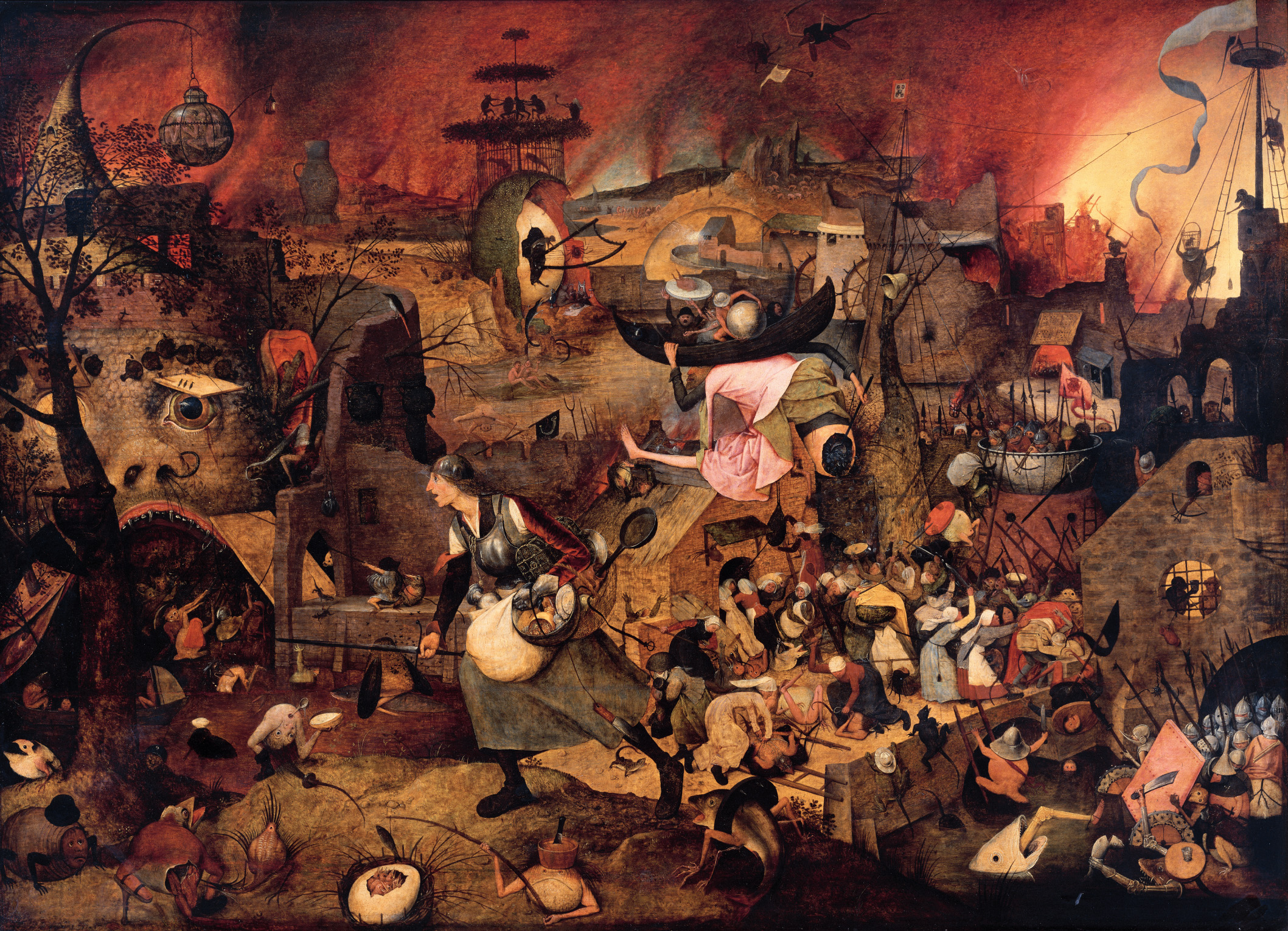
Pieter Bruegel the Elder (c. 1525/30 Breugel or Antwerp? – 1569 Brussels)
Dulle Griet
1563, panel, 117.4 × 162 cm
Antwerp, Museum Mayer van den Bergh
© Museum Mayer van den Bergh
Dulle Griet from the Museum Mayer van de Berg in Antwerp,
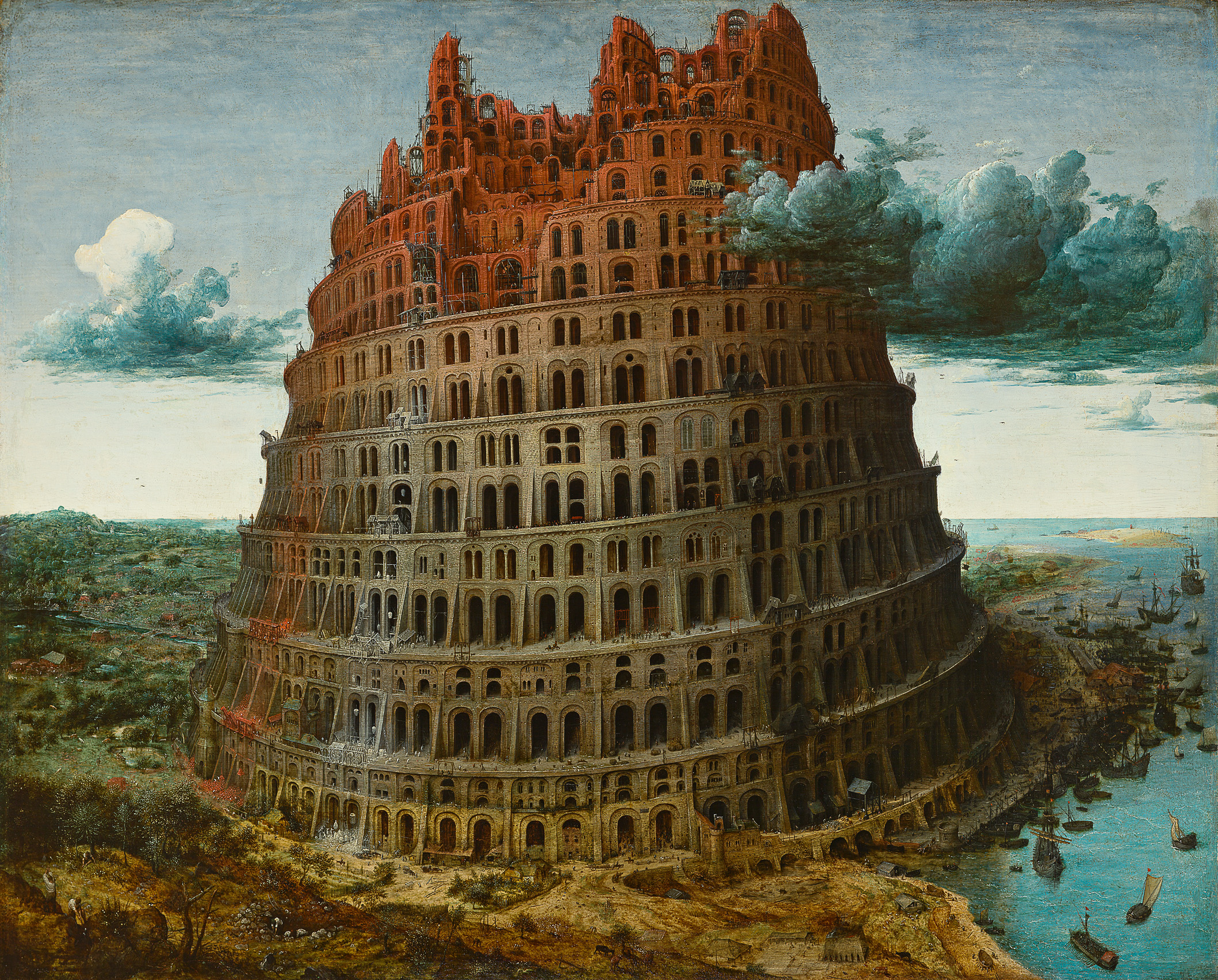
Pieter Bruegel the Elder (c. 1525/30 Breugel or Antwerp? – 1569 Brussels)The Tower of Babel from the Museum Boijmans Van Beuningen in Rotterdam,
The Tower of Babel
after 1563?, oak panel, 59,9 × 74,6 cm
Rotterdam, Museum Boijmans Van Beuningen
© Museum Boijmans Van Beuningen, Photograph: Studio Tromp, Rotterdam

Pieter Bruegel the Elder (c. 1525/30 Breugel or Antwerp? – 1569 Brussels)
The Adoration of the Magi in the Snow
1563, wood, 35 × 55 cm
Swiss Confederation, Federal Office for Culture, Collection
Oskar Reinhart ‘Am Römerholz’, Winterthur
© Collection Oskar Reinhart ʻAm Römerholzʼ, Winterthur
The Adoration of the Magi in the Snow from the Collection Oskar Reinhard 'Am Römerholz' in Winterthur,

Pieter Bruegel the Elder (c. 1525/30 Breugel or Antwerp? – 1569 Brussels)
The Adoration of the Kings
1564
oak, 112,1 × 83,9 cm
National Gallery, London, U.K.
© The National Gallery, London 2018
The Adoration of the Magi from the National Gallery in London,
the drawings The Beekeepers from the Staatliche Museen zu Berlin, (below)
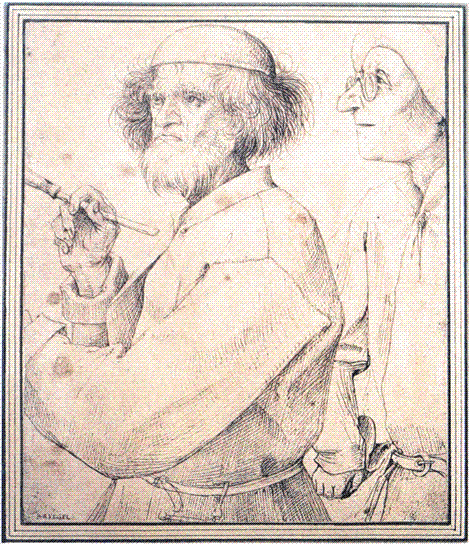
Pieter Bruegel the Elder (c. 1525/30 Breugel or Antwerp? – 1569 Brussels)
The Painter and the Connoisseur
c. 1566, pen and brown ink, 203 × 309 mm
Vienna, Albertina
© The Albertina Museum Vienna
and The Painter and the Connoisseur from the Albertina in Vienna.
Bruegel’s works will be arranged both chronologically and by theme, allowing visitors to study and appreciate his stylistic development and the impressive variety of his oeuvre. The galleries will showcase both his masterpieces and series and groups reunited for the first time in centuries; in the smaller adjoining rooms we present the findings of recent comprehensive technological analyses, offering profound insights into the works’ evolution. We look at both Bruegel’s artistic beginnings as a draughtsman and graphic artist, and his innovations and vital contributions to the evolution of landscape painting.
One section of the show will focus on his religious works, bringing together numerous masterpieces including The Triumph of Death and Dulle Griet, (both above) both especially restored for this exhibition.
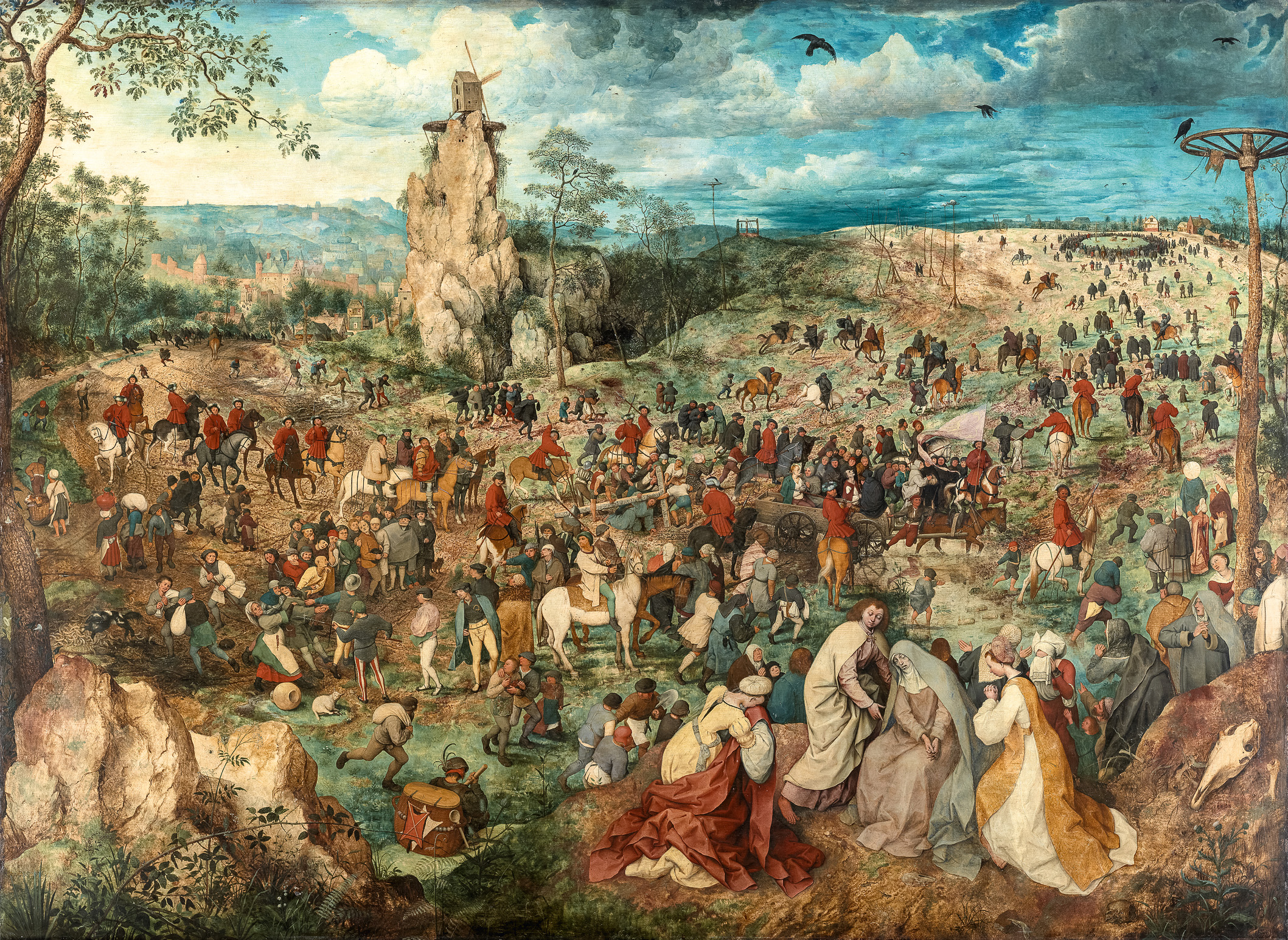
Pieter Bruegel the Elder (c. 1525/30 Breugel or Antwerp? – 1569 Brussels)
Christ Carrying the Cross
1564, oak panel, 124 × 170 cm
Kunsthistorisches Museum Vienna, Picture Gallery
© KHM-Museumsverband
For the first time, Christ carrying the Cross, his largest panel and one that has also retained its original format, will be on show unframed and displayed so that both its back and front are visible – as though visitors were looking over the painter’s shoulder, seeing and appreciating the fragility of the wooden support and how it was constructed, and the outstanding quality of handling and paint layer, their perfection being one of the reasons Bruegel’s paintings have survived four and a half centuries.

Pieter Bruegel the Elder (c. 1525/30 Breugel or Antwerp? – 1569 Brussels)
The Suicide of Saul
1562, oak panel, 33.5 × 55 cm
Kunsthistorisches Museum Vienna, Picture Gallery
© KHM-Museumsverband
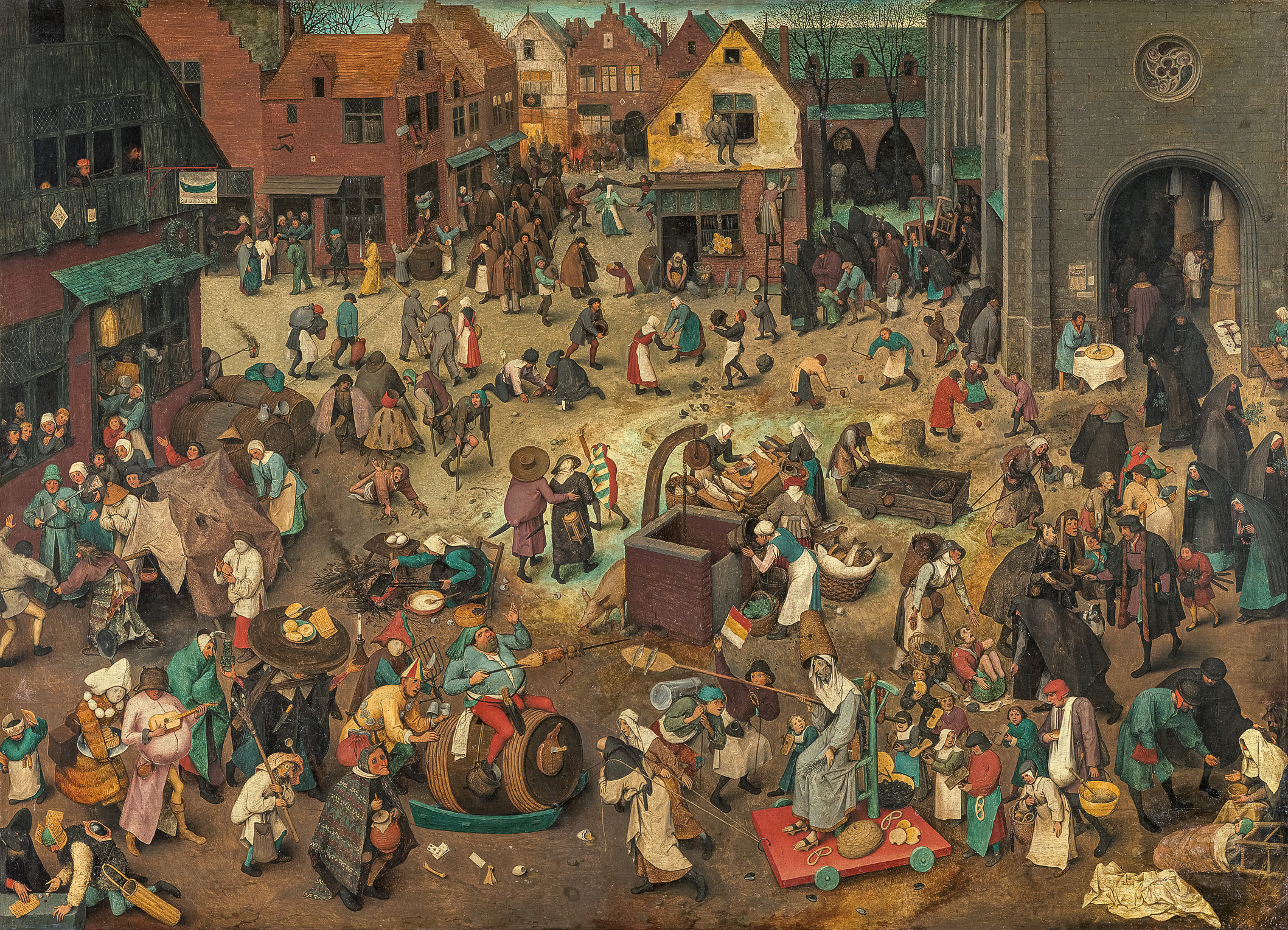
Pieter Bruegel the Elder (c. 1525/30 Breugel or Antwerp? – 1569 Brussels)
The Battle between Carnival and Lent
1559, oak panel, 118 × 164,5 cm
Kunsthistorisches Museum Vienna, Picture Gallery
© KHM-Museumsverband
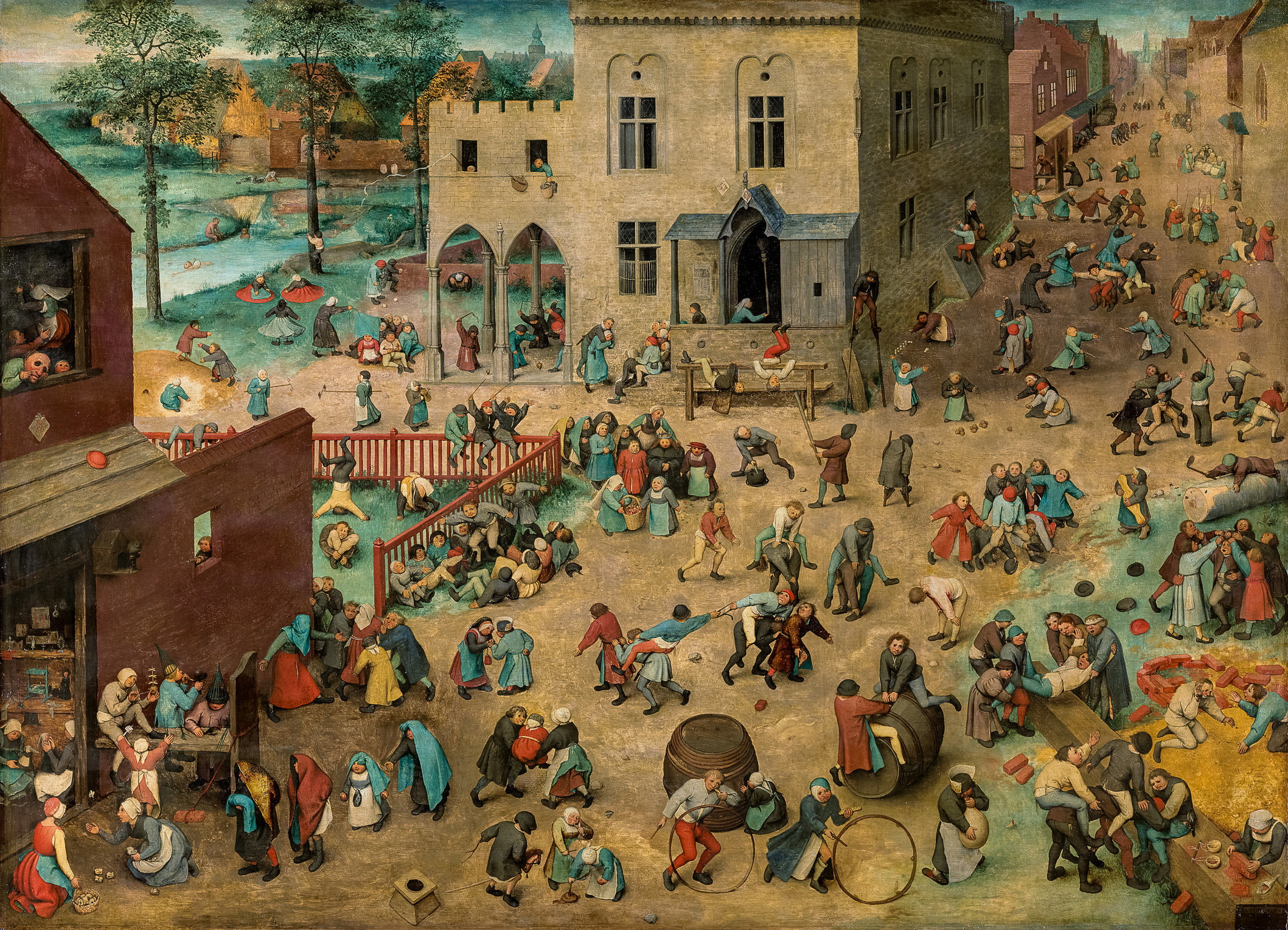
Pieter Bruegel the Elder (c. 1525/30 Breugel or Antwerp? – 1569 Brussels)
Children’s Games
1560, oak panel, 118 × 161 cm
Kunsthistorisches Museum Vienna, Picture Gallery
© KHM-Museumsverband

Pieter Bruegel the Elder (c. 1525/30 Breugel or Antwerp? – 1569 Brussels)
The Gloomy Day
1565, oak panel, 118 × 163 cm
Kunsthistorisches Museum Vienna, Picture Gallery
© KHM-Museumsverband \
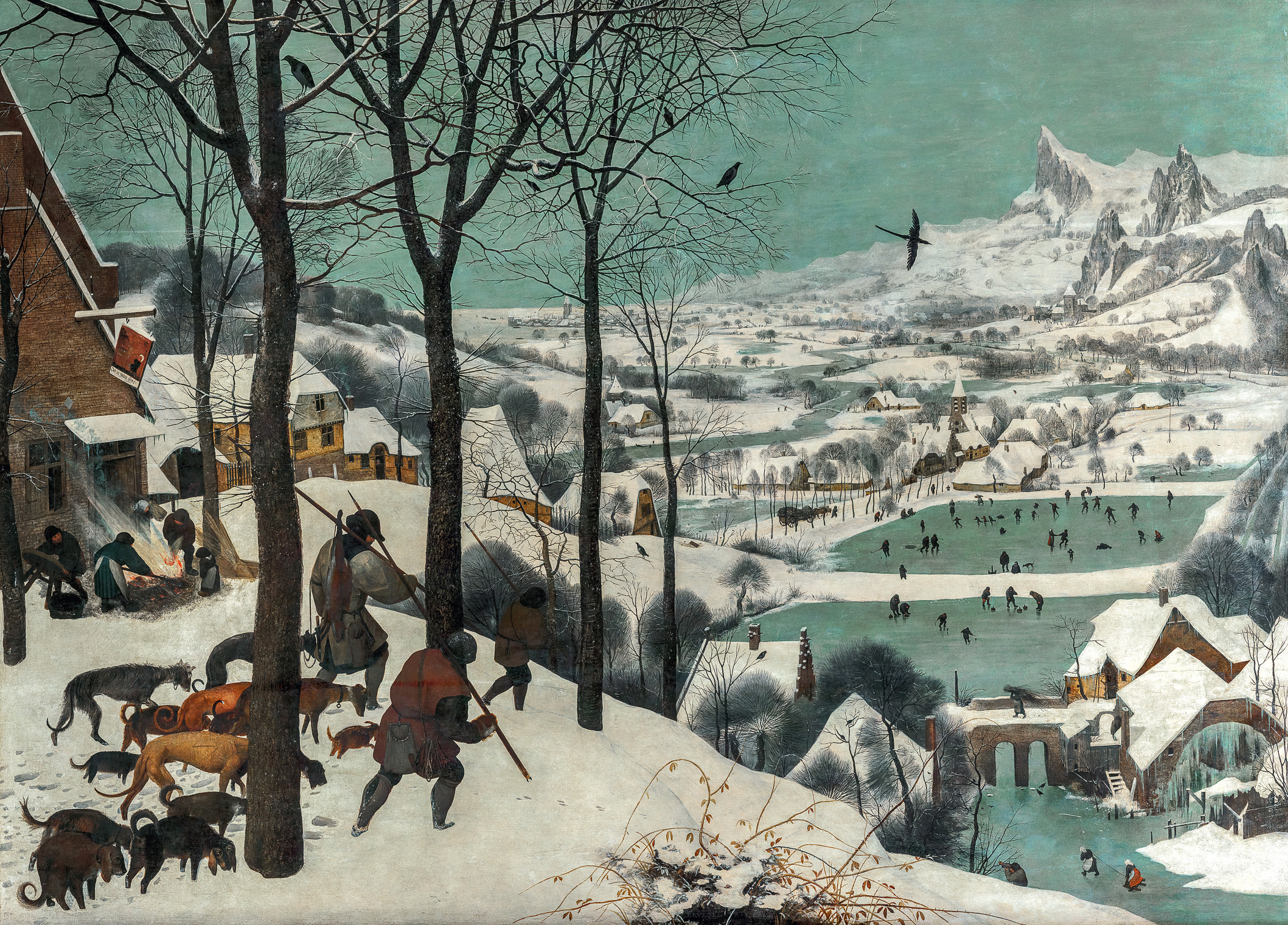
Pieter Bruegel the Elder (c. 1525/30 Breugel or Antwerp? – 1569 Brussels)
Hunters in the Snow
1565, oak panel, 117 × 162 cm
Kunsthistorisches Museum Vienna, Picture Gallery
© KHM-Museumsverband

The Gloomy Day
1565, oak panel, 118 × 163 cm
Kunsthistorisches Museum Vienna, Picture Gallery
© KHM-Museumsverband \
Pieter Bruegel the Elder (c. 1525/30 Breugel or Antwerp? – 1569 Brussels)
Hunters in the Snow
1565, oak panel, 117 × 162 cm
Kunsthistorisches Museum Vienna, Picture Gallery
© KHM-Museumsverband
\
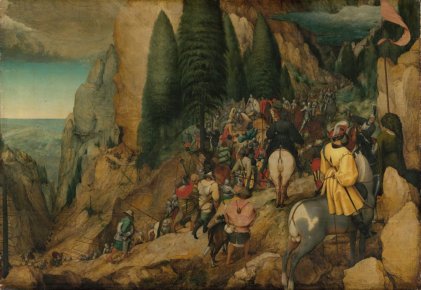
Pieter Bruegel the Elder (c. 1525/30 Breugel or Antwerp? – 1569 Brussels)
The Conversion of Saul
1567, oak, 108 x 156 cm
Kunsthistorisches Museum Vienna, Picture Gallery
© KHM-Museumsverband
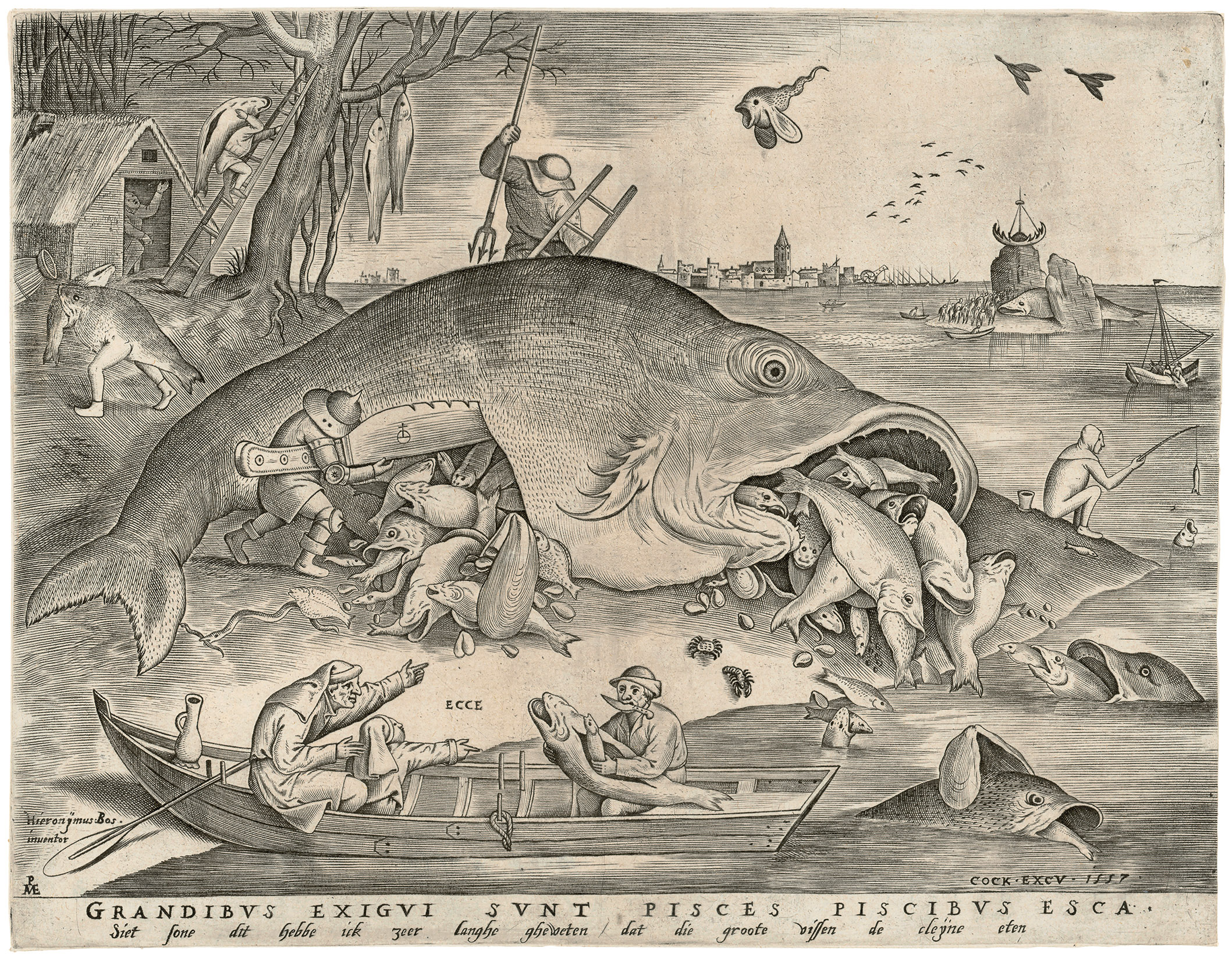
Pieter van der Heyden after Pieter Bruegel the Elder
Big Fish Eat Little Fish
1557
Engraving, 230 × 296 mm, first state of four
Vienna, Albertina
© Albertina, Wien
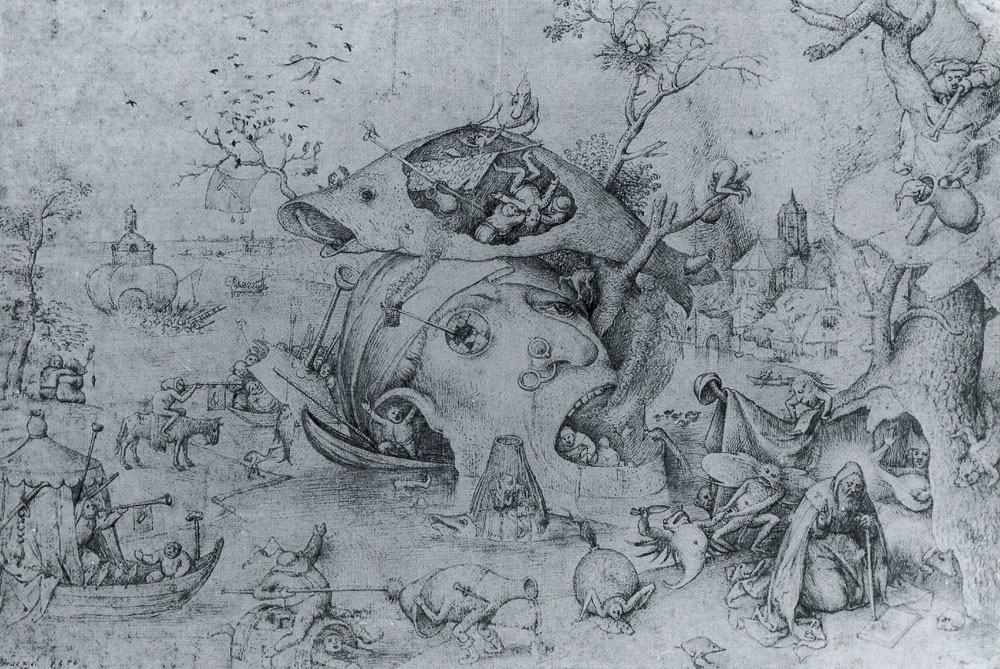
Pieter Bruegel the Elder (c. 1525/30 Breugel or Antwerp? – 1569 Brussels)
The Temptation of Saint Anthony
c. 1556
Pen and brush and brown and greybrown ink
215 (right) / 216 (left) × 326 mm
Oxford, The Ashmolean Museum, Bequeathed by Frances Douce, 1834
© Ashmolean Museum, University of Oxford

Pieter Bruegel the Elder (c. 1525/30 Breugel or Antwerp? – 1569 Brussels)
View of the Ripa Grande in Rome
c. 1555/56
Pen and red-brown and dark brown ink, 207 × 283 mm
© Devonshire Collection, Chatsworth
Reproduced by permission of Chatsworth Settlement Trustees
A selection of contemporary artefacts depicted in Battle between Carnival and Lent invites visitors to appreciate the wealth of details included in these compositions, to comprehend the meaning of the individual scenes, and to appreciate Bruegel’s unrivalled skill in capturing the material quality of depicted objects. We also question the painting’s traditional moralistic interpretation and showcase Bruegel’s perceptiveness as a social critic.
Using

Winter Landscape with a Bird Trap

and Massacre of the Innocents
as the starting point, the show looks at Bruegel and his workshop.
The final gallery presents Bruegel’s late works, offering a nuanced look at the artist long called 'Peasant Bruegel'.
In addition to
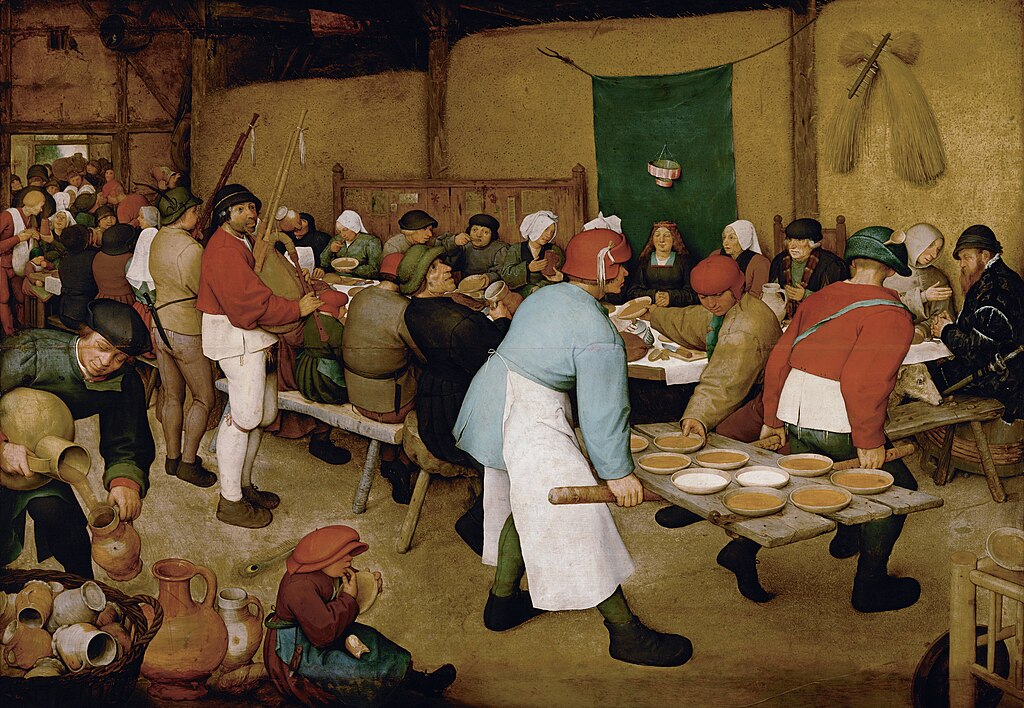
Pieter Bruegel the Elder (c. 1525/30 Breugel or Antwerp? – 1569 Brussels) The Peasant Wedding c. 1567, oak, 114 x 164 cm Kunsthistorisches Museum Vienna, Picture Gallery © KHM-Museumsverband
Peasant Wedding

Pieter Bruegel the Elder (c. 1525/30 Breugel or Antwerp? – 1569 Brussels)
Peasant Dance
c. 1568, oak panel, 114 × 164 cm
Kunsthistorisches Museum Vienna, Picture Gallery
© KHM-Museumsverband
and Peasant Dance,

the show includes his 'legacy-painting' The Magpie on the Gallows.

Pieter Bruegel the Elder (c. 1525/30 Breugel or Antwerp? – 1569 Brussels)
The Birdnester
1568, oak, 59,3 x 68,3 cm
Kunsthistorisches Museum Vienna, Picture Gallery
© KHM-Museumsverband
The show’s final highlight is the first-ever juxtaposition of The Birdnester

Pieter Bruegel the Elder (c. 1525/30 Breugel or Antwerp? – 1569 Brussels)
The Beekeepers
c. 1568
Pen and brown ink, 203 × 309 mm
© Foto: Kupferstichkabinett der Staatlichen Museen zu Berlin - Preußischer
Kulturbesitz Fotograf/in: Jörg P. Anders
and the monumental drawing The Beekeepers.
Even after the exhibition ends, a free website www.insidebruegel.net will for the first time offer profound insights into the paintings of Pieter Bruegel the Elder based on the most recent technological analyses of his works. Here visitors can interact with the master’s pictures using state-of-the-art technology, navigate the collection and study Bruegel’s complex pictorial world in unrivalled detail.
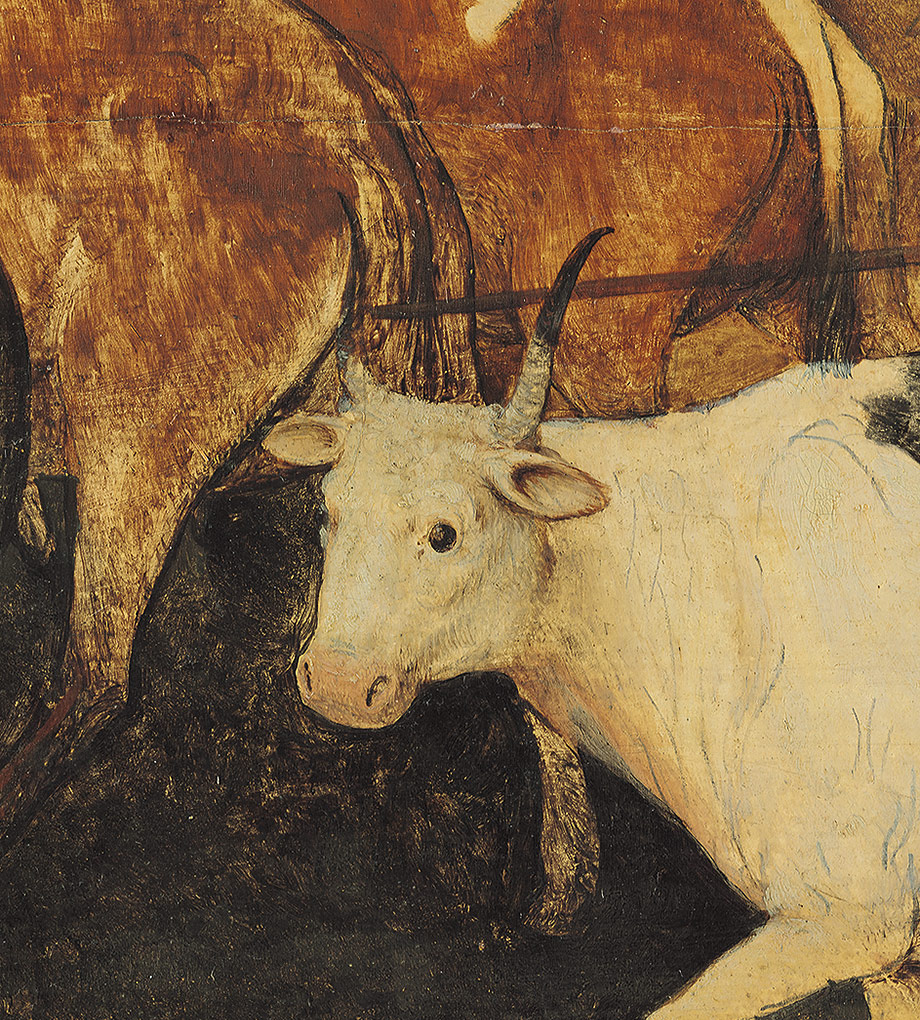

Pieter Bruegel the Elder
The Return of the Herd ( Detail )
1565 // oak panel, 117 × 159.7 cm // Vienna, Kunsthistorisches Museum, Picture Gallery, inv. no. 1018
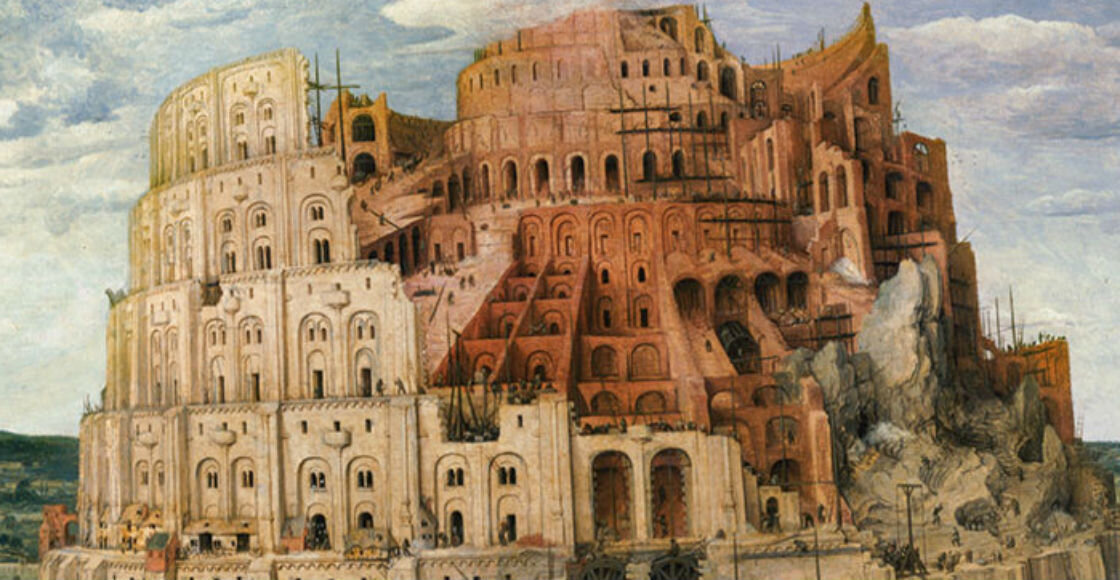
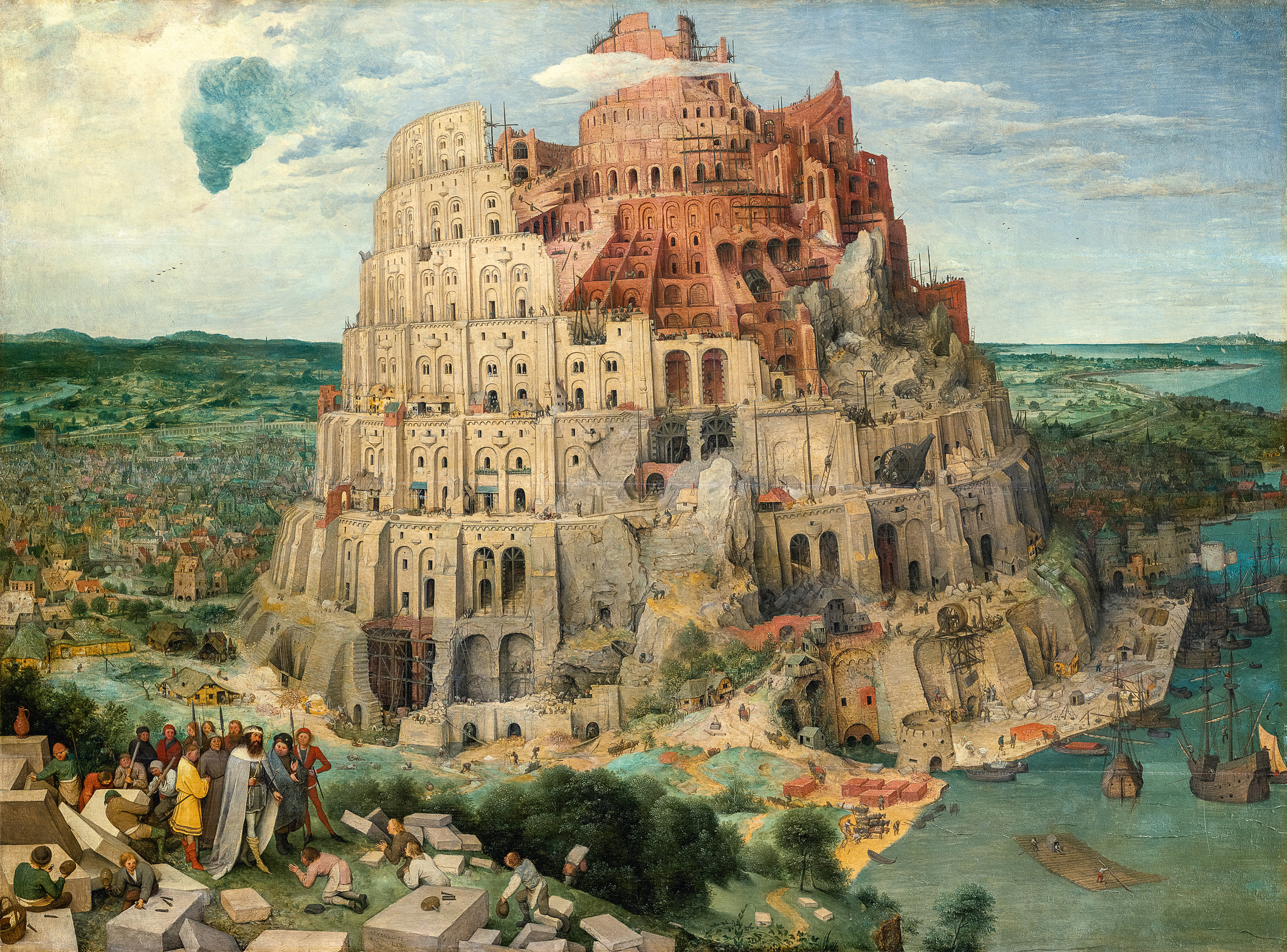
Pieter Bruegel the Elder (c. 1525/30 Breugel or Antwerp? – 1569 Brussels) The Tower of Babel 1563, oak panel, 114 × 155 cm Kunsthistorisches Museum Vienna, Picture Gallery © KHM-Museumsverband