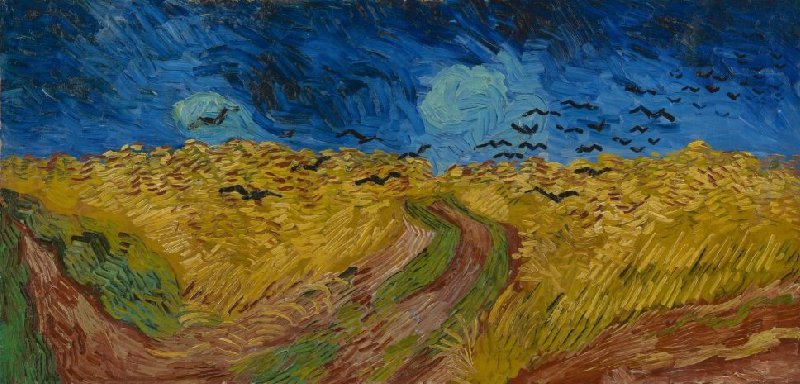
Around 200 works by 75 artists illustrate the (amazing) variety of Modernist and contemporary art production in the most comprehensive exhibition of the Würth Collection to date in Austria
The Würth Collection is among the largest private collections in Europe and one of the most eminent art collections worldwide. The collector Prof. Reinhold Würth gave the Leopold Museum’s Director Hans-Peter Wipplinger carte blanche to choose around 200 masterpieces from the collection’s approximately 19,000 works for the exhibition AMAZING. The Würth Collection at the Leopold Museum.
The presentation invites visitors to embark on a unique journey through more than 100 years of art history. One emphasis within the presentation of the collection is on Classical Modernism, showcasing highlight works by Edvard Munch, Pablo Picasso, Max Liebermann, Gabriele Münter, Max Beckmann, Max Pechstein and Hans Arp. Another focus is on contemporary art, represented with works by Fernando Botero, Per Kirkeby, the married artist couple Christo and Jeanne Claude, Gerhard Richter, Georg Baselitz and Anselm Kiefer, as well as by outstanding Austrian artists, including Fritz Wotruba, Maria Lassnig, Arnulf Rainer and Erwin Wurm.
“In a nod to the museum’s founder and passionate collector Prof. Rudolf Leopold, the Leopold Museum continuously shines the spotlight on other important private collections of international renown through presentations of these compilations’ highlights. I am certain that the multi-faceted collection presentation Amazing. The Würth Collection offers not only a fascinating overview of the triumphant path of Modernism but, in our times of multiple crises, will also nourish visitors’ minds and emotions, allowing for a sensual adventure as well as a cognitive experience.”
Hans-Peter Wipplinger, Director of the Leopold Museum and curator of the exhibition
For this exhibition, the Leopold Museum has decided to dedicate two museum floors to a temporary exhibition for the first time. The largely chronological presentation shines the spotlight on various stylistic movements and individual emphases. The works presented in the exhibition range from Impressionism, Expressionism and Cubism, all the way to Surrealism and different forms of abstract art. Art after 1945 features with important works by Georg Baselitz, Fernando Botero, Christo and Jeanne-Claude, Anselm Kiefer, Per Kirkeby and Gerhard Richter.
Images Below
CLASSICAL MODERNISM FROM THE WÜRTH COLLECTION
Impressionism
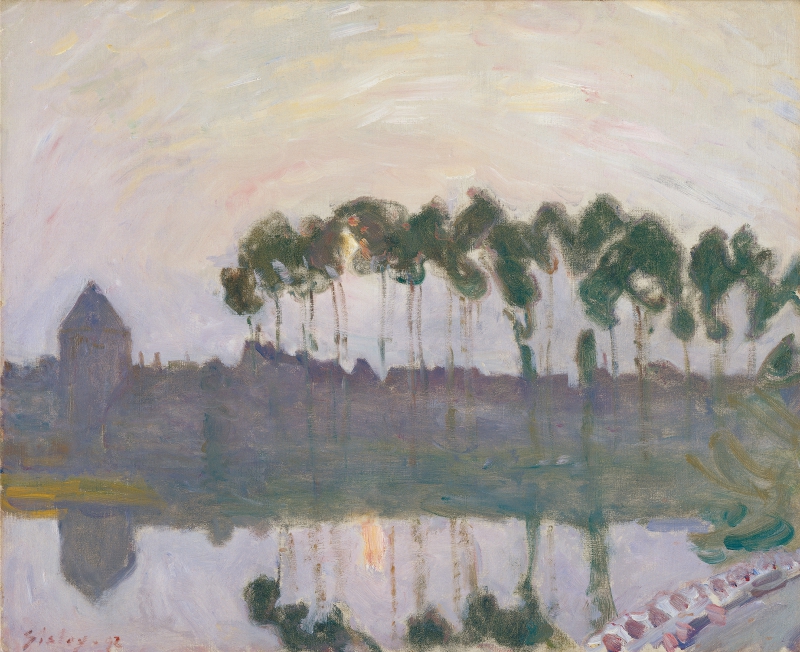
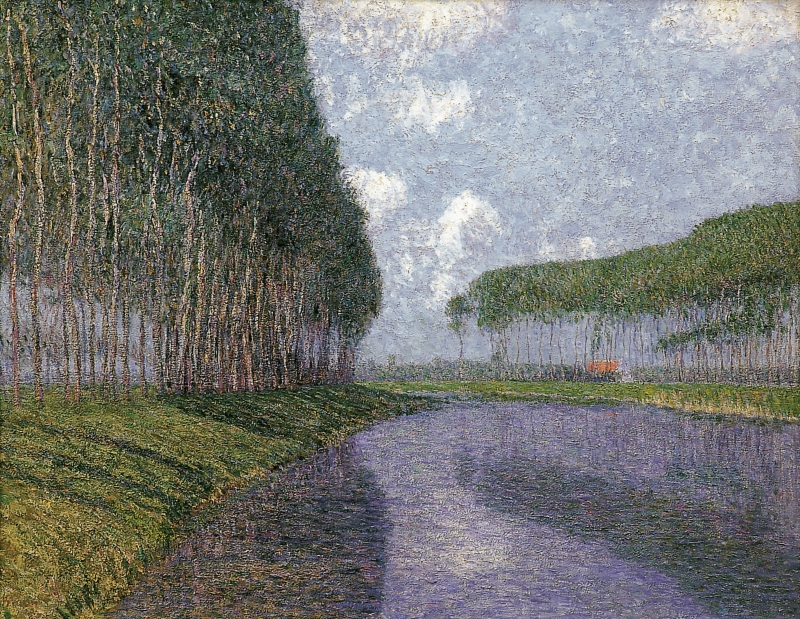
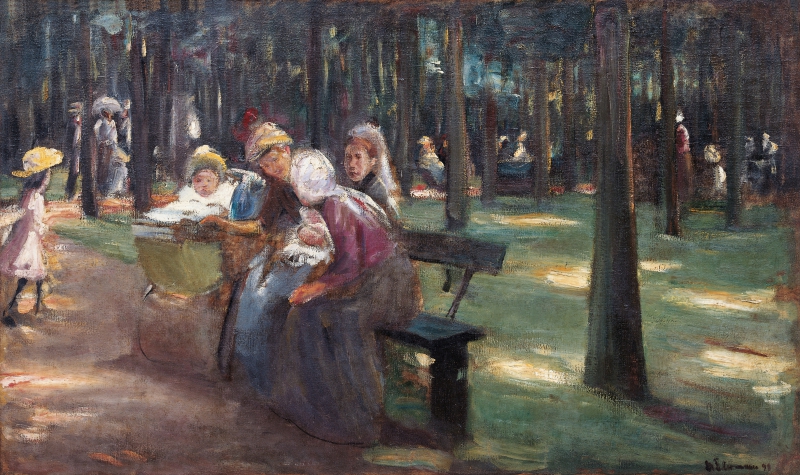
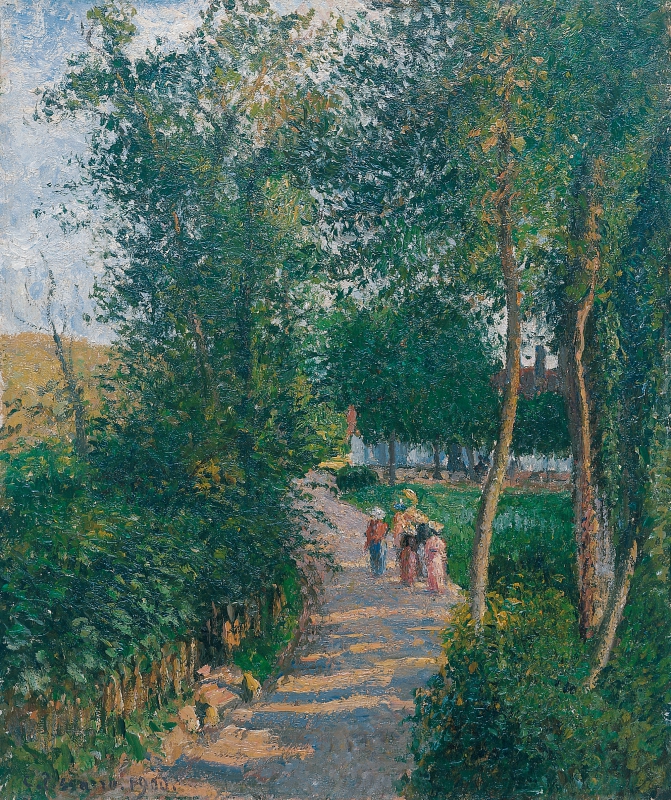
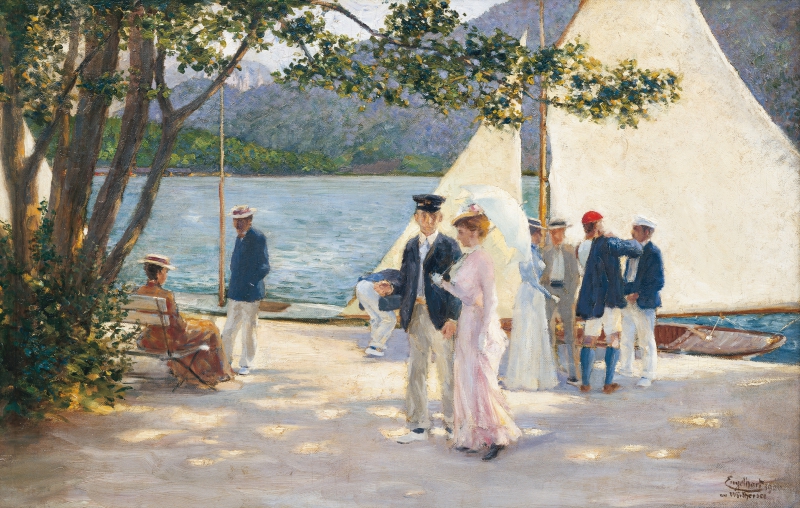
The exhibition kicks off with the pioneer of Modernism Max Liebermann, who was one of the main exponents of German Impressionism. The co-founder of the Berlin Secession initially depicted scenes from rural and industrial work environments, which prompted critics to disrespectfully call him a socialist. Around 1900, he shifted his focus to depictions of the lives of the bourgeoisie. With his love of experimentation, the artist united Impressionist elements with an expressive style and influenced subsequent generations of artists. The works by French Impressionists, including Alfred Sisley and Camille Pissarro, chosen for this exhibition are characterized by depictions of fleeting moments, such as atmospheric lighting. The Impressionists painted quickly, intuitively, subjectively and often directly in nature. From the 1880s, Impressionism spread throughout Europe, with exponents including Paul Baum in Germany, and one of the co-founders of the Vienna Secession, Josef Engelhart, in Austria.
Expressionism
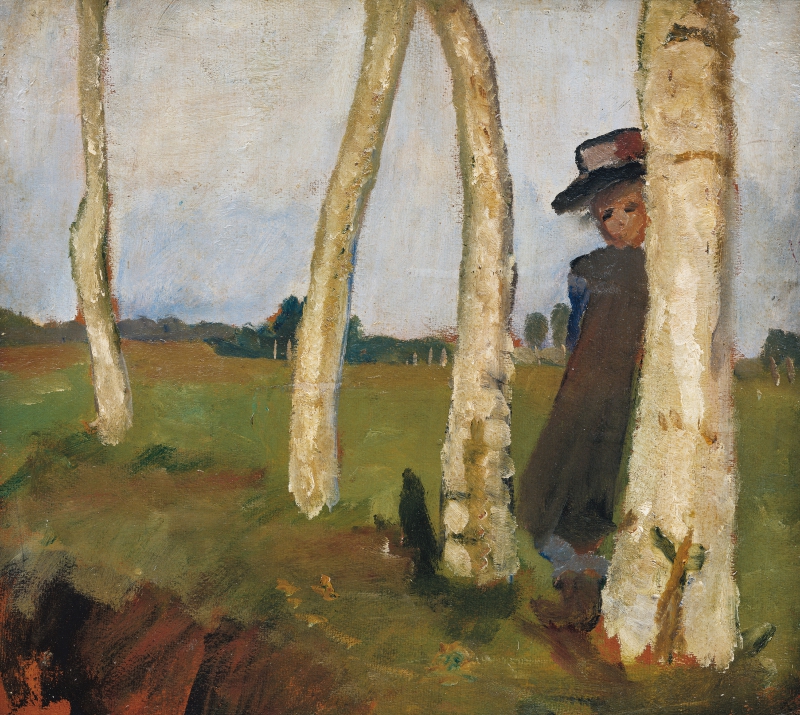
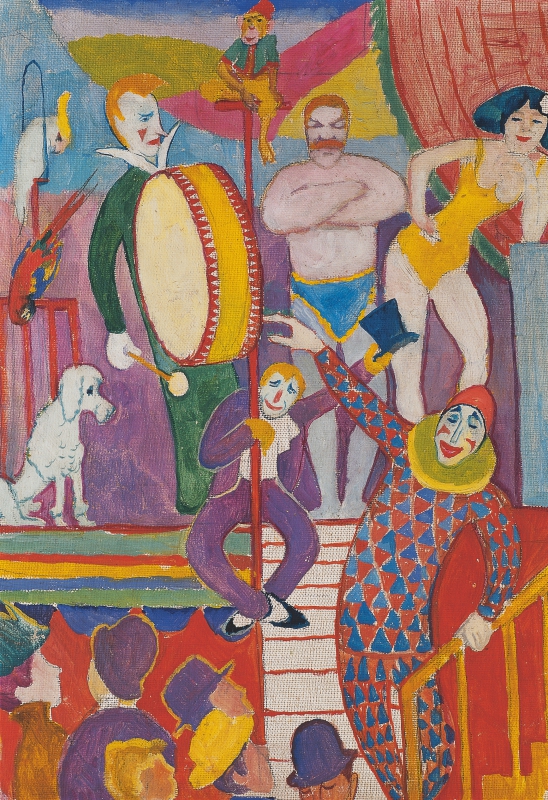
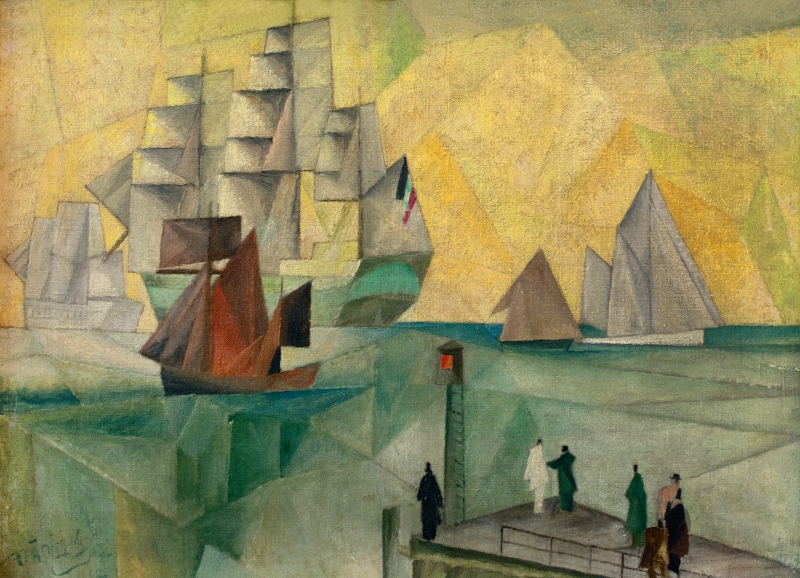
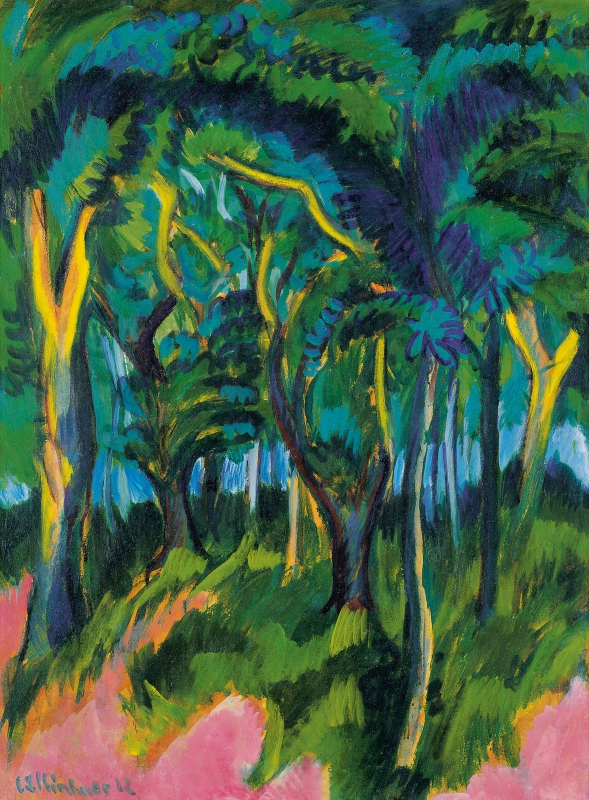
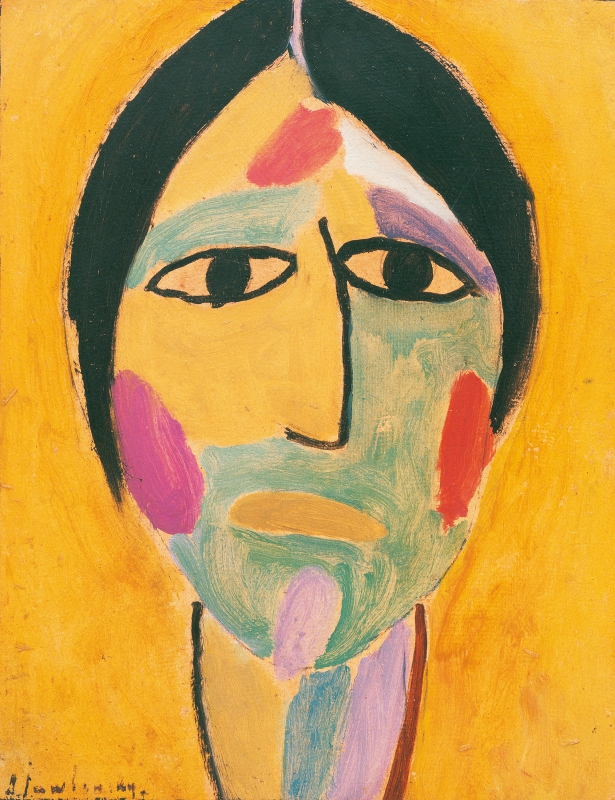
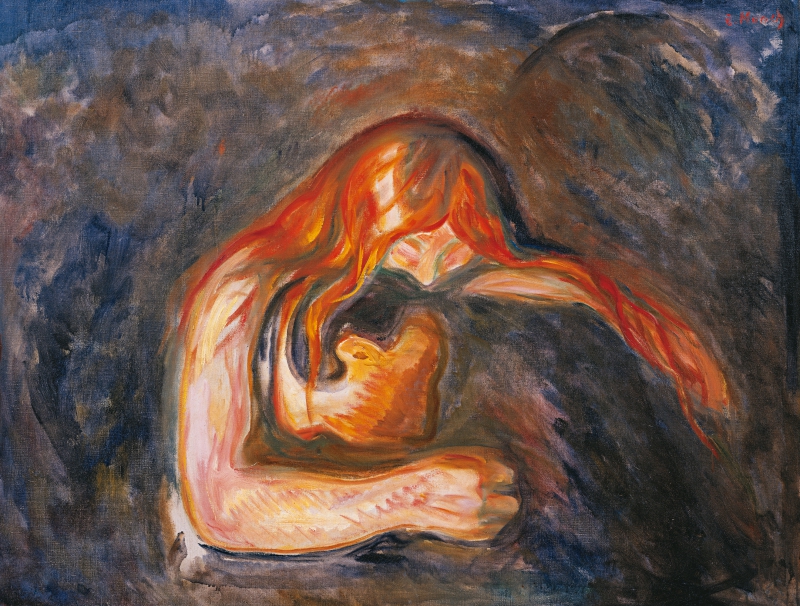
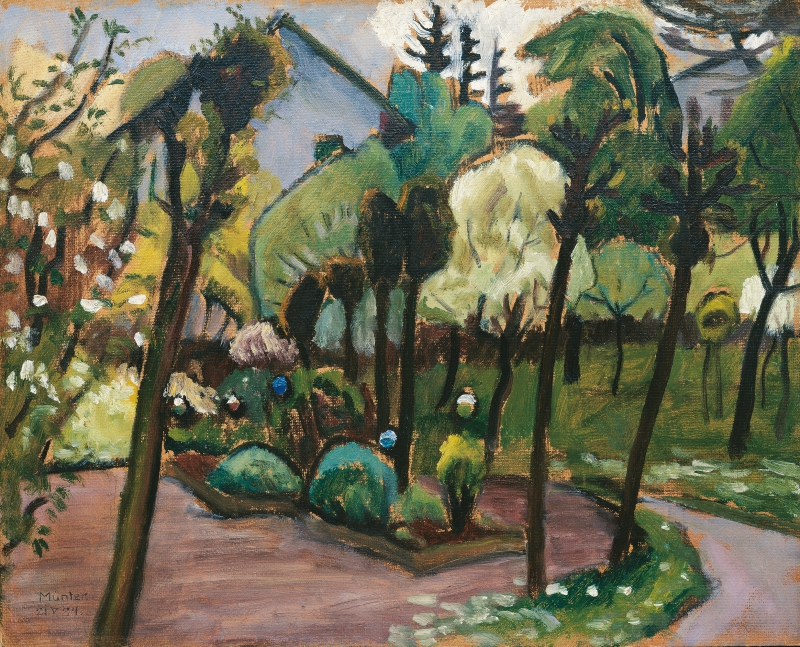
Another emphasis within the exhibition is dedicated to Expressionism. The selection ranges from pioneers of Expressionism, such as Edvard Munch and Ferdinand Hodler, via the early Expressionist Paula Modersohn-Becker to examples from the artists’ association Die Brücke, whose members, including Ernst Ludwig Kirchner and Erich Heckel, aspired to a life reform in tune with nature in protest against industrial society. The artists surrounding the editors of the Munich almanac Der Blaue Reiter, Wassily Kandinsky and Franz Marc, – such as August Macke and Lyonel Feininger, created highly expressive works. Kandinsky and Gabriele Münter, to whom the Leopold Museum is dedicating a retrospective exhibition in the autumn, as well as Alexej von Jawlensky and Marianne von Werefkin, created Expressionist works of intense colors together from 1908.
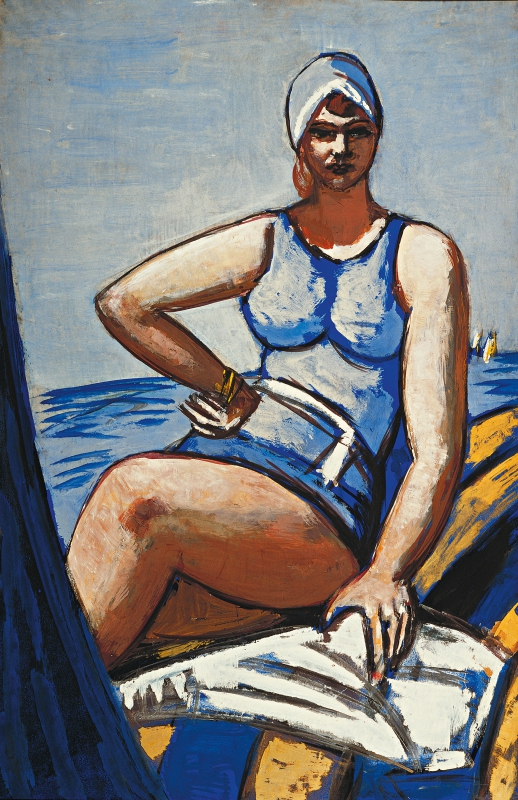
Max Beckmann and Pablo Picasso
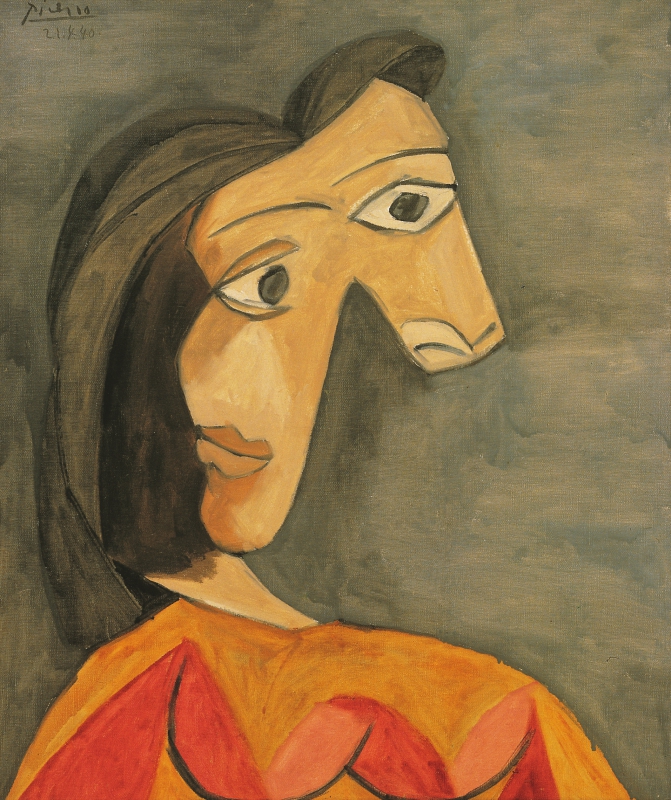
Two adjacent rooms showcase works by Max Beckmann and the Cubist painter Pablo Picasso. Though they never met, they closely followed each other’s progress. Beckmann, who described himself as an artistic loner, refused to be swept up by the avant-garde movements of his time. Convinced that art had to arrive at a “transcendental objectivity”, he explored the existential dependencies that individuals are exposed to. Picasso’s work, by contrast, is dominated by a zest for life and sensual pleasure. The universally talented artist was unsurpassed in terms of creative power, stylistic range and innovations in various media.
Constructivist Tendencies of Abstraction
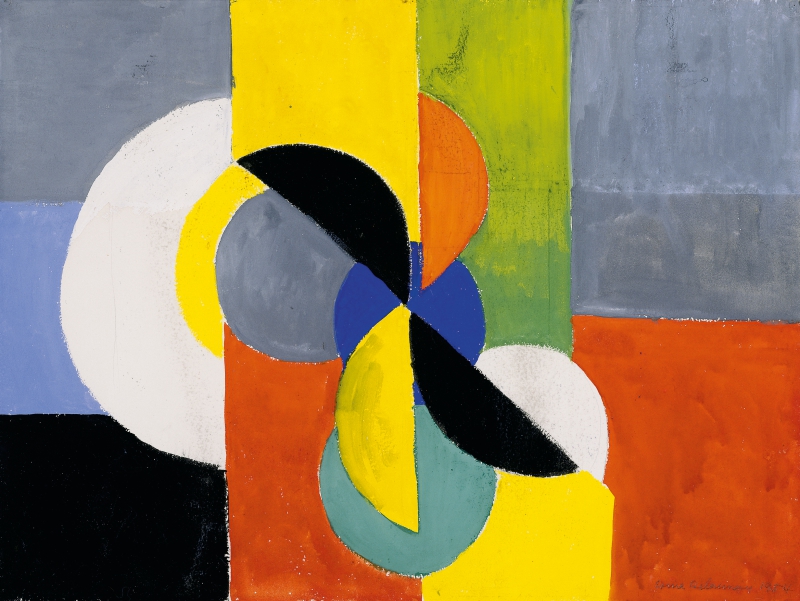
The exhibition presents numerous works by Hans Arp, who was a key figure on the art scene of his time. With his biomorphous works, the protagonist of Organic Abstraction created a counter world to the rationalism of a technologized and reason-oriented society. The artists’ association Abstraction-Création, founded in Paris in 1931, united different approaches to the theme of abstraction, among them concrete, constructivist and geometric tendencies. This melting pot of artists also included Sonia Delaunay-Terk.
Surrealist Oneiric Worlds
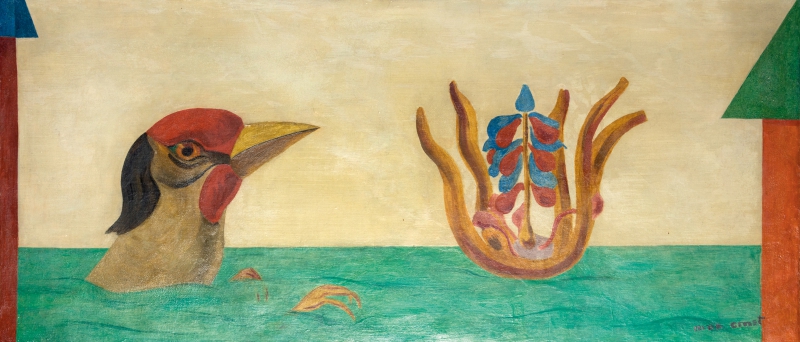
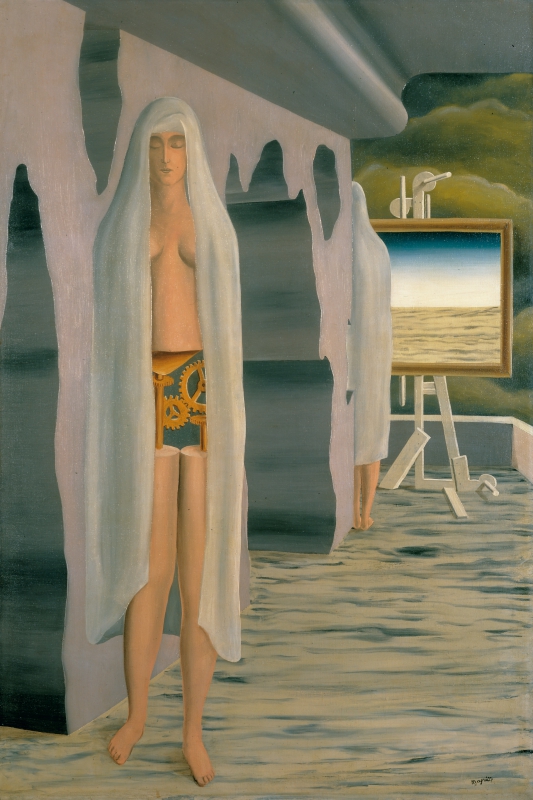
Max Ernst’s contacts within Dada centers in Zurich and Berlin encouraged him to found the Cologne Dada Group together with Arp after World War I. In 1922, he moved to Paris, where he became a protagonist of the Surrealist movement. His interest in experiments and coincidence led to innovative collages and assemblages, and to his discovery of the frottage technique. With his fantastical pictorial inventions, he created mysterious oneiric worlds. René Magritte, the most important exponent of Belgian Surrealism, combined naturalistic objects within unusually ambivalent depictions and questioned the illusory nature of reality.
Adventure of Abstraction
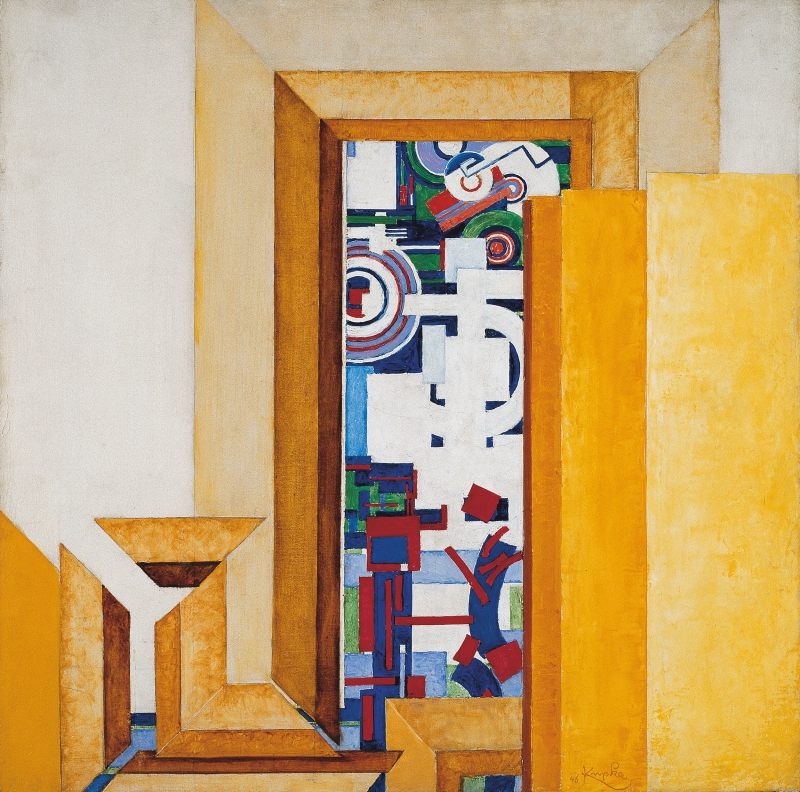
Two rooms are devoted to the adventure of abstraction, i.e. to the rejection of representational painting in its various forms. Works by artists including František Kupka, Johannes Itten, Max Bill and Sonia Delaunay-Terk illustrate the variety of design principles, which range from post-Cubist variations, geometrical variants and abstract color lyricism, all the way to Modernist tendencies inspired by the Bauhaus School.
Contemporary Art from the Würth Collection
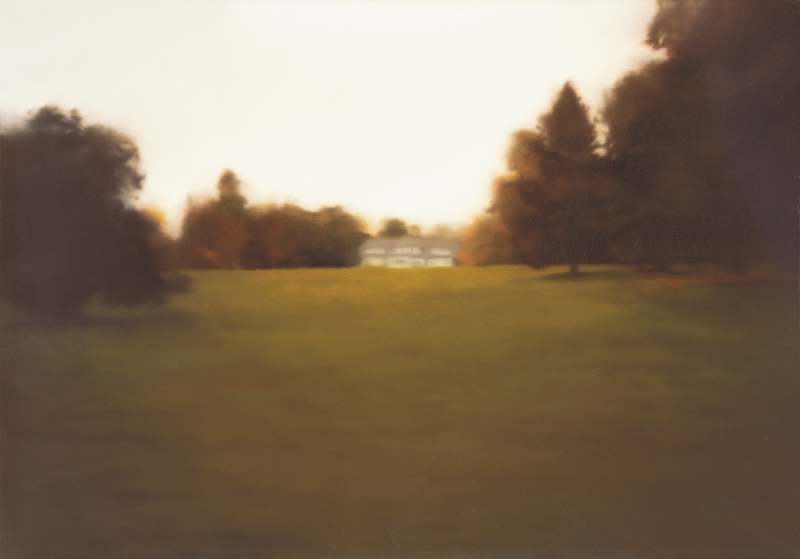
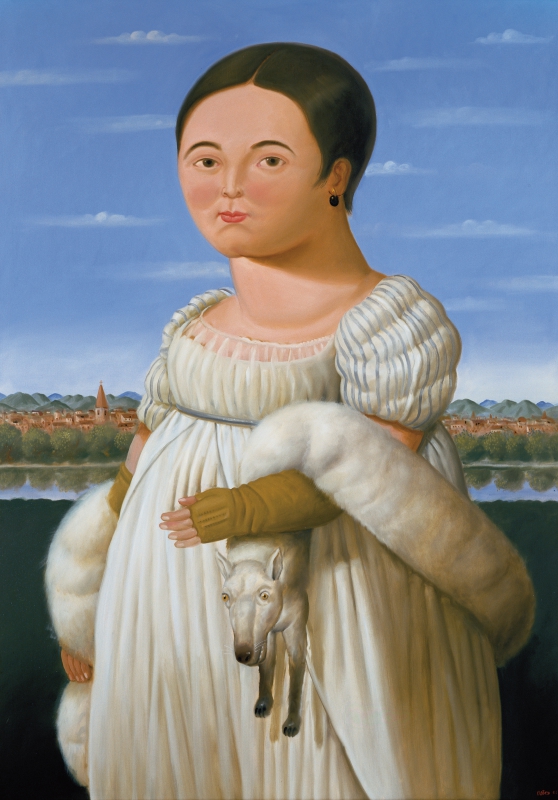
The second part of this exhibition level showcases the Würth Collection’s compilation of contemporary art from the 20th and 21st centuries. Prof. Reinhold Würth owns a work complex of some 100 works from all the periods of the artists’ oeuvre by Christo and Jeanne-Claude, which Christo himself called the largest and most eminent compilation of their works worldwide. Making things and landscapes perceptible in a new way was the common theme of all their wrapped objects. The following room is dedicated to the paintings and chalk drawings by the Columbian artist Fernando Botero, who is renowned for his grotesque and voluminous human depictions. Next, we encounter the neo-expressive landscape visions of the Danish artist Per Kirkeby. A powerful contrast to these exhibits is provided by the works, characterized by a great diversity of themes, of Gerhard Richter, who is considered one of the most influential international artists today.
Austrian Positions in the Würth Collection
Particularly remarkable is the Würth Collection’s special emphasis, comprising more than 1,300 works, on Austrian art after 1945. This largest compilation of Austrian art outside of Austria is presented with select examples over two exhibition rooms. The tightly packed display starts with Maria Lassnig, Arnulf Rainer, the Actionists Hermann Nitsch and Günter Brus, and leads via Christian Ludwig Attersee, the abstract painter Jürgen Messensee and Kurt Kocherscheidt, a member of the artists’ group Wirklichkeiten [“Realities”], to exponents of the Neue Wilde [New Fauves] movement, including Hubert Scheibl, Herbert Brandl and Gunter Damisch, who from the 1980s depicted their subjective emotions in an expressive and abstracting manner.
International Sculpture in the Würth Collection
A central part of the Würth Collection is made up of examples of international sculpture, which feature in the exhibition with works by Anish Kapoor and Tony Cragg. Renowned Austrian sculptors shown in the presentation include Fritz Wotruba, who strove towards reduction and harmony, as well as the political realist Alfred Hrdlicka.
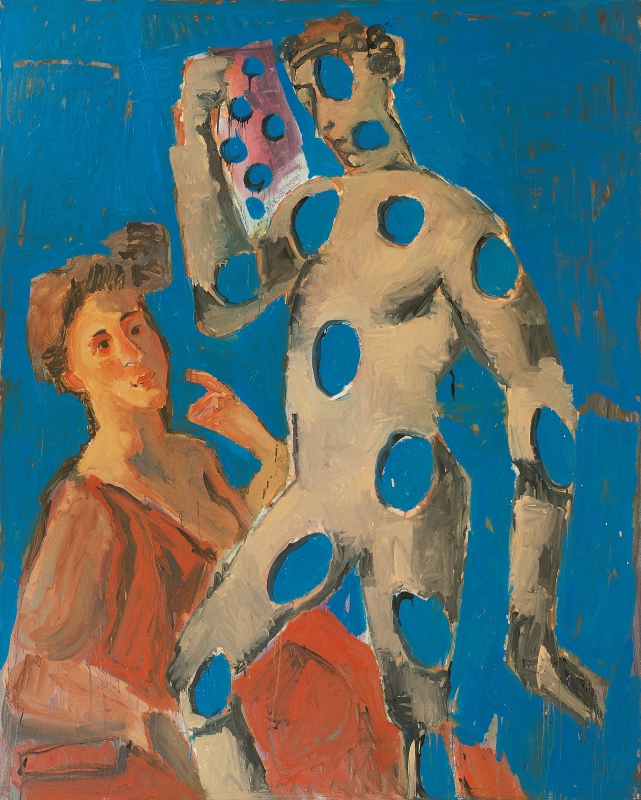
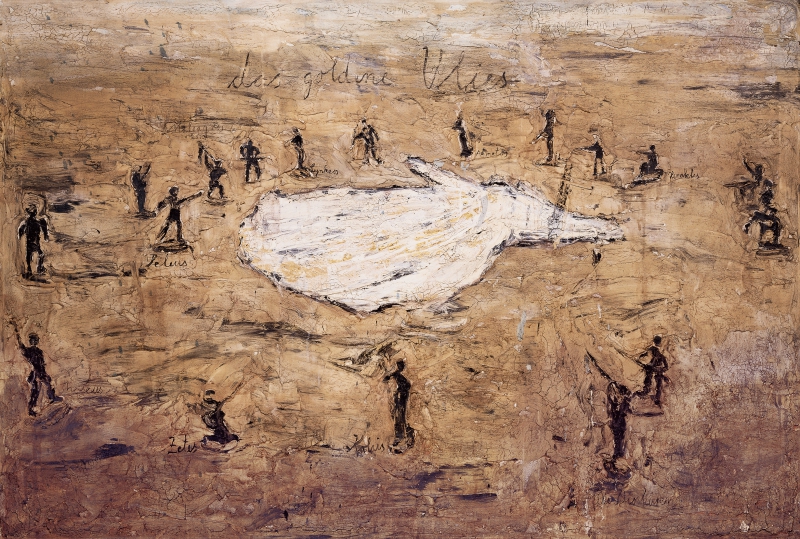
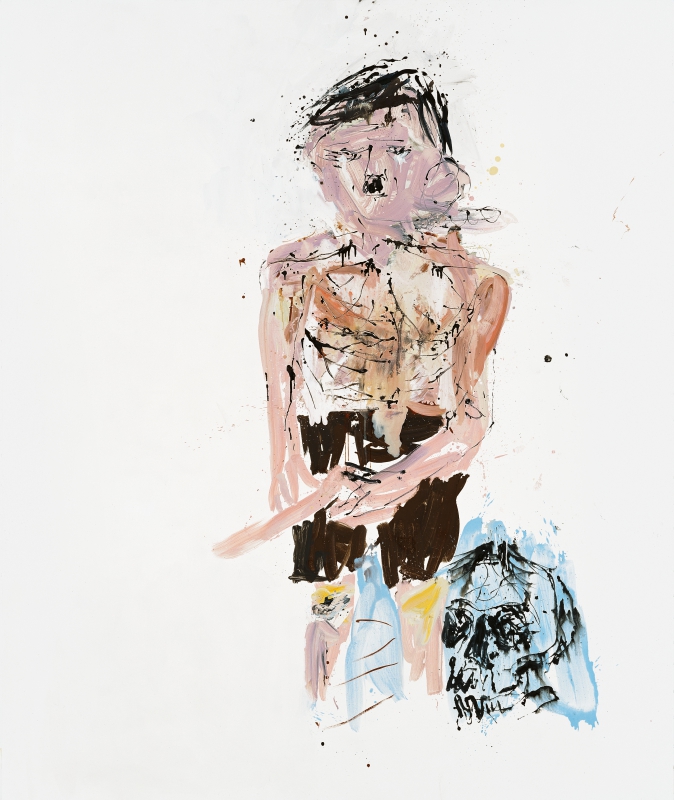
Further exhibition rooms are dedicated to Markus Lüpertz, Georg Baselitz and Anselm Kiefer. Lüpertz’s oeuvre focuses on the re-interpretation of contemporary and art history from Antiquity to Modernism. Baselitz achieved international renown in the 1970s and 80s with his neo-expressive motifs, which he painted upside down. The exhibition at the Leopold Museum includes a sculpture by Baselitz, measuring more than three meters tall, as well as exhibits from his series Remixes, started in 2005. The exhibition Amazing closes with a room dedicated to Anselm Kiefer. In his often monumental works, the painter and sculptor reflects history, explores remembrance and leads his viewers into the darkest recesses of human existence and actions.
Images
ALFRED SISLEY 1839–1899
Sunset at Moret, 1892
Oil on canvas | 50.5 × 61.4 cm
Würth Collection
Photo: Philipp Schönborn, Munich
PAUL BAUM 1859–1932
View of Zeeland, c.1895
Oil on canvas | 61.8 × 78.1 cm
Würth Collection
Photo: Archives Museum Würth
MAX LIEBERMANN 1847–1935
Nannies in the Tiergarten, 1898
Oil on canvas | 64 × 108 cm
Würth Collection
Photo: Ivan Baschang, Munich/Paris
CAMILLE PISSARRO 1830–1903
Road to Berneval-le-Petit (House Thierain), 1900
Oil on canvas | 64.8 × 54.6 cm
Würth Collection
Photo: Philipp Schönborn, Munich
JOSEF ENGELHART 1864–1941
At the Wörthersee, 1900
Oil on canvas | 46 × 71.5 cm
Würth Collection
Photo: Volker Naumann, Schönaich
PAULA MODERSOHN-BECKER 1876–1907
Girl with Hat between Birch Trunks, c. 1902
Oil on painting folder | 47.1 × 51.8 cm
Würth Collection
Photo: Volker Naumann, Schönaich
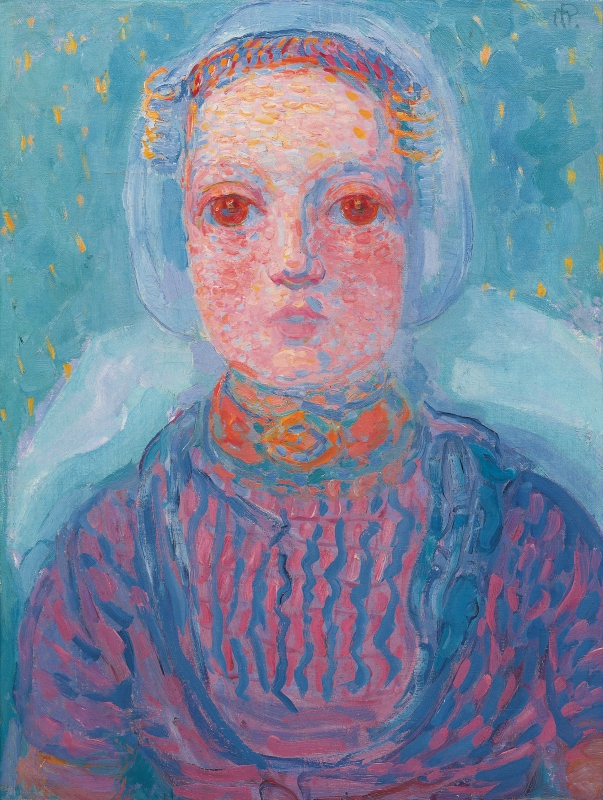
PIET MONDRIAN 1872–1944
Zeeland Girl, 1909
Oil on canvas | 63 × 48.5 cm
Würth Collection
Photo: Ivan Baschang, Munich/Paris
AUGUST MACKE 1887–1914
Circus World II: Pair of Athletes, Clown and Monkey, 1911
Oil on canvas | 54 × 39.5 cm
Würth Collection
Photo: Archives Museum Würth
LYONEL FEININGER 1871–1956
Landing Stage, 1912
Oil on canvas | 45 × 61 cm
Würth Collection
Photo: Foto Schmelz – Jakob Jägli
© Bildrecht, Wien 2023
ERNST LUDWIG KIRCHNER 1880–1938
Forest Interior with Pink Foreground, 1912/30
Oil on canvas | 121 × 91.5 cm
Würth Collection
Photo: Volker Naumann, Schönaich
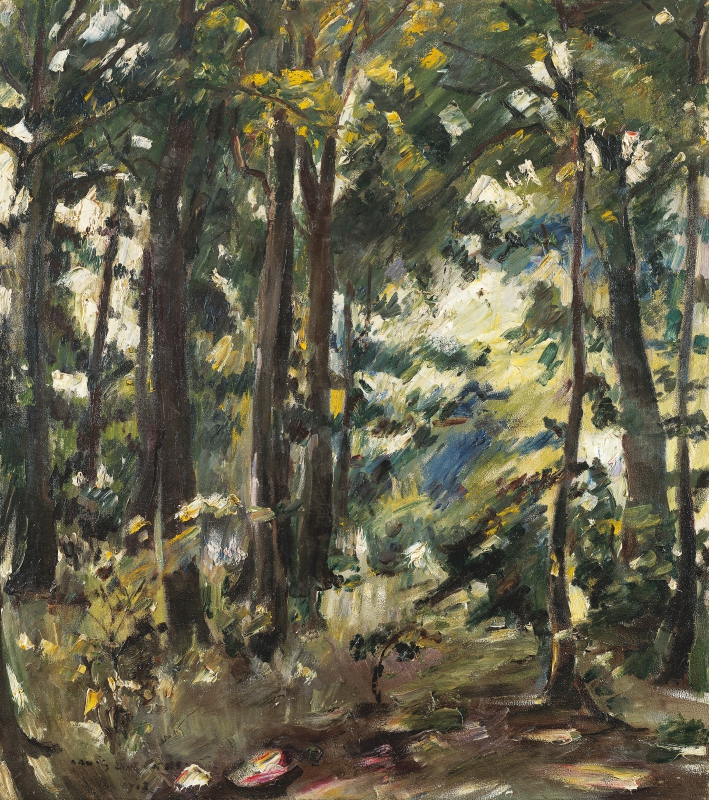
LOVIS CORINTH 1858–1925
Sun in a Beech Forest, 1917
Oil on canvas | 90.5 × 80.3 cm
Würth Collection
Photo: Archives Museum Würth
ALEXEJ VON JAWLENSKY 1864–1941
Mystical Head: Raven’s Wings I (Lotte Bara), 1917
Oil on cardboard | 40 × 31 cm
Würth Collection
Photo: Philipp Schönborn, Munich
EDVARD MUNCH 1863–1944
Vampire, 1917
Oil on canvas | 85 × 110 cm
Würth Collection
Photo: Archives Museum Würth
MAX ERNST 1891–1976
The Birds Cannot Disappear, 1923
Oil on plaster on canvas | 43 × 96 cm
Würth Collection Photo: Foto Schmelz
© Bildrecht, Wien 2023
GABRIELE MÜNTER 1877–1962
Garden with Acacia, 1924
Oil on cardboard | 32.9 × 40.8 cm
Würth Collection
Photo: Volker Naumann, Schönaich
© Bildrecht, Wien 2023
RENÉ MAGRITTE 1898–1967
The Age of Miracles, 1926
Oil on canvas | 120.6 × 80 cm
Würth Collection
Photo: Walter Klein, Düsseldorf
© Bildrecht, Wien 2023
MAX BECKMANN 1884–1950
Quappi in Blue in a Boat, 1926/50
Gouache and oil on paper on canvas | 88.5 × 58 cm
Würth Collection
Photo: Volker Naumann, Schönaich
|
FRANTIŠEK KUPKA 1871–1957
Series C V (V34), 1938/46
Oil on canvas | 65.5 × 65.5 cm
Würth Collection
Photo: Ivan Baschang, Munich/Paris
© Bildrecht, Wien 2023
PABLO PICASSO 1881–1973
The Orange-Colored Blouse – Dora Maar, 1940
Oil on canvas | 73 × 60 cm
Würth Collection
Photo: Philipp Schönborn, Munich
© Succession Picasso/Bildrecht, Wien 2023
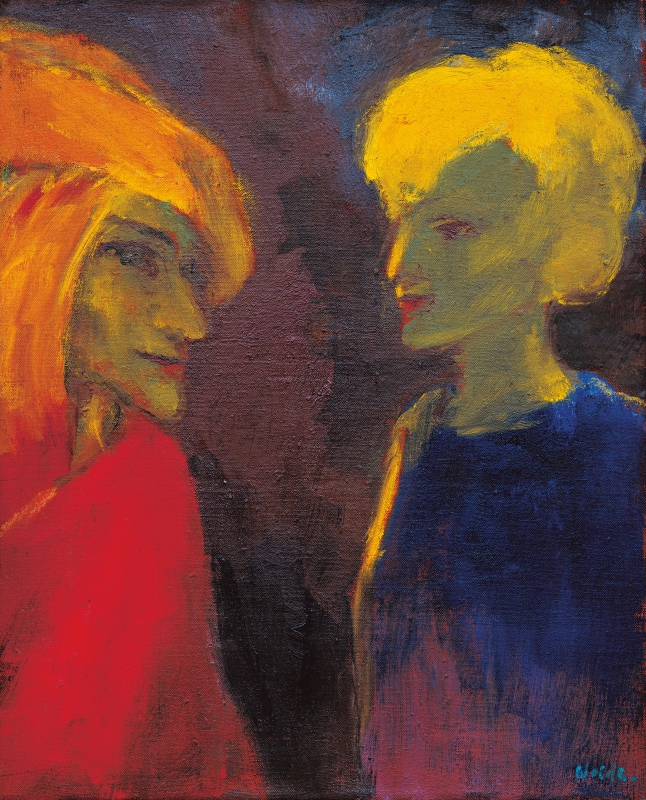
EMIL NOLDE 1867–1956
Light Magic, 1947
Oil on canvas | 69.5 × 56 cm
Würth Collection
Photo: Volker Naumann, Schönaich
© Nolde Stiftung Seebüll
SONIA DELAUNAY-TERK 1885–1979
Color Rhythm, Paris, 1954
Gouache on paper | 57 × 76 cm
Würth Collection
Photo: Volker Naumann, Schönaich
© Pracusa S.A.
MAX BILL 1908–1994
Concentration towards Light, 1964
Oil on canvas | 113 × 113 cm
Würth Collection
Photo: Ivan Baschang, Munich/Paris
© Bildrecht, Wien 2023
GERHARD RICHTER *1932
Villa S. – House Sohl, 1972
Oil on canvas | 70 × 100 cm
Würth Collection
Photo: Archives Museum Würth
© Gerhard Richter 2023 (17012023)
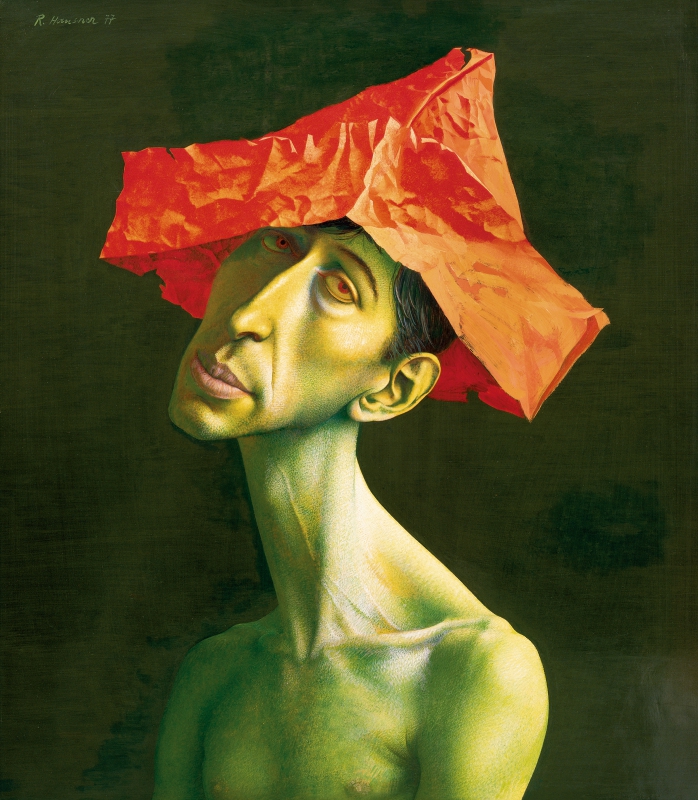
RUDOLF HAUSNER 1914–1995
Sad European, 1977
Acrylic and resin oil glazes on hardboard | 70 × 60 cm
Würth Collection
Photo: Philipp Schönborn, Munich
© Anne Hausner
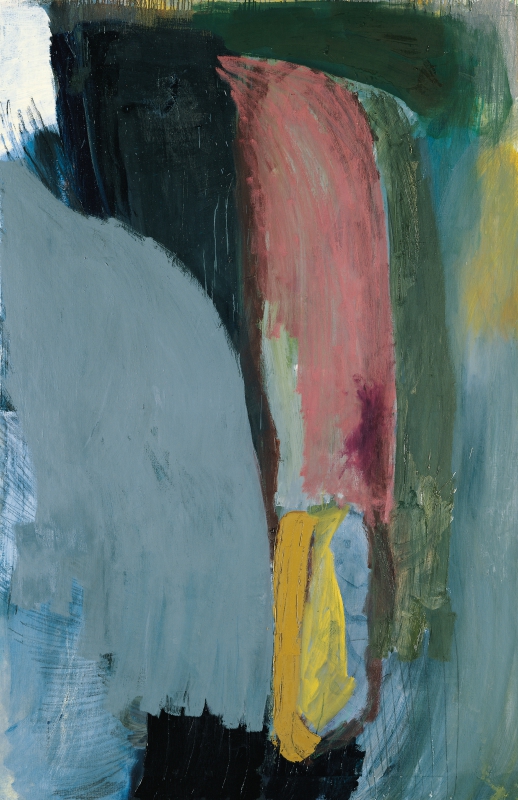
PER KIRKEBY 1938–2018
Winter II, 1985
Oil on canvas | 200 × 130 cm
Würth Collection
Photo: Archives Museum Würth
© The Estate of Per Kirkeby
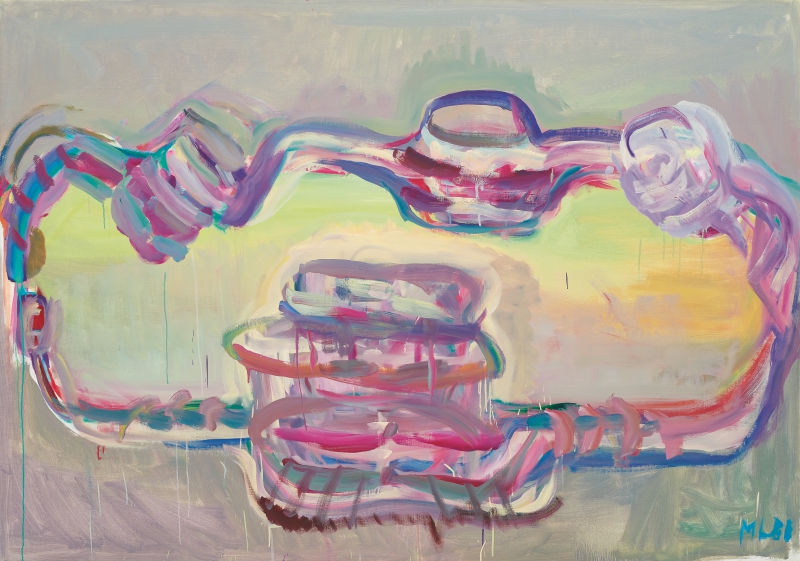
MARIA LASSNIG 1919–2014
Dinner Party II, 1986
Oil on canvas | 140 × 200 cm
Würth Collection
Photo: Volker Naumann, Schönaich
© Maria Lassnig Stiftung/Bildrecht, Wien 2023
MARKUS LÜPERTZ *1941
Poussin – Apollo II, 1990
Oil on canvas | 250 × 200 cm
Würth Collection
Photo: Philipp Schönborn, Munich
© Bildrecht, Wien 2023
ANSELM KIEFER *1945
The Golden Fleece, 1993/94
Mixed media on canvas | 190 × 280 cm
Würth Collection
Photo: Ivan Baschang, Munich/Paris
© Anselm Kiefer
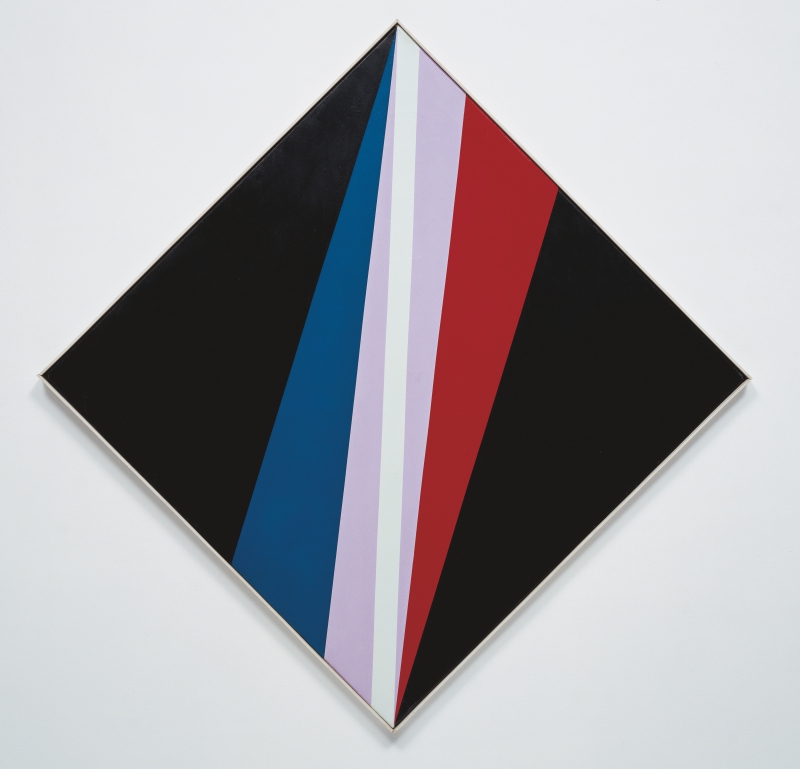
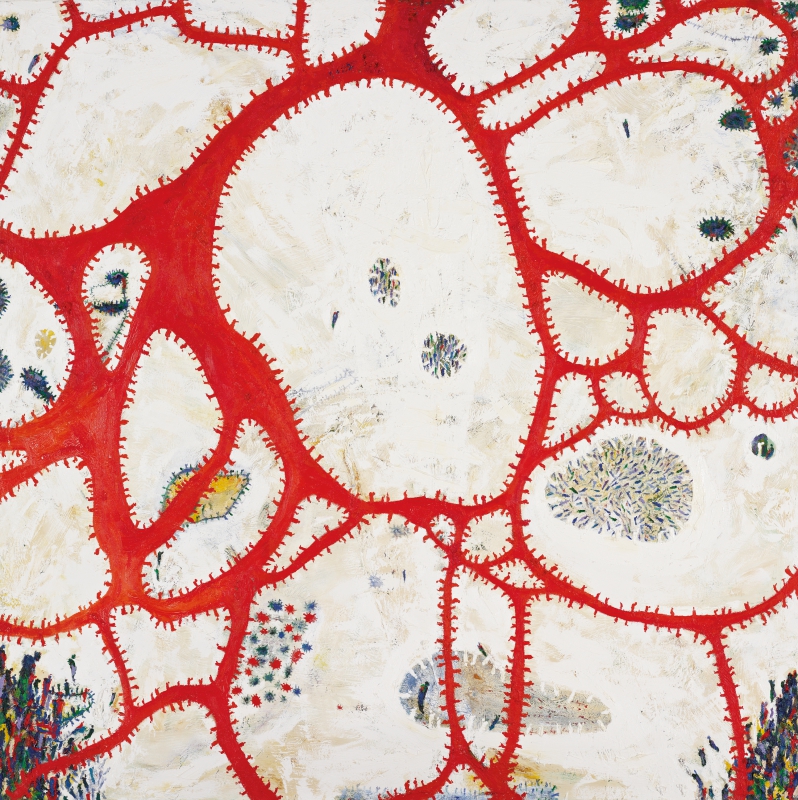
GUNTER DAMISCH 1958–2016
Red Path White Field, 2004/05
Oil on canvas | 210 × 210 × 4 cm
Würth Collection
Photo: Ralph Feiner, Malans
© Gunter Damisch
FERNANDO BOTERO *1932
Mademoiselle Rivière, after Ingres, 2005
Oil on canvas | 205 × 144 cm
Würth Collection
Photo: Archives Museum Würth
© Fernando Botero
GEORG BASELITZ *1938
The Big Night of that Time (Remix), 2008
Oil on canvas | 300 × 250 cm
Würth Collection
Photo: J. Littkemann, Berlin
© Georg Baselitz 2023
REINHOLD WÜRTH AND HIS COLLECTION
Establishing the Würth Group
The entrepreneur and patron of the arts, Prof. Reinhold Würth (*1935), began collecting art in the 1960s. Over the following six decades, he compiled thousands of exquisite artworks from the fields of painting, sculpture and graphic art from the late 14th century to the present. Prof. Reinhold Würth took over the company of his father in 1954, at the age of only 19, after the father’s untimely death, and, over the following four decades, turned the two-man enterprise into a globally successful business group and international market leader in the field of fastening and assembly technology.
Art at Würth
In Künzelsau, the company’s headquarters, Würth opened the Museum Würth in 1991 as the first in a series of museums. In 2020, the latest cultural institution, the Museum Würth 2, was integrated into the arts and congress center Carmen Würth Forum designed by David Chipperfield Architects. It is the 15th in a string of museums and art forums operated by the company all over Europe as an expression of lived corporate culture. Prof. Reinhold Würth and his wife Carmen are confident that art, as well as literature and music, is able to overcome cultural, social and language barriers, and to promote universal commonalities.å