Focusing on the ‘big questions of life,’ works by Paula Modersohn-Becker (1876–1907) and Edvard Munch (1863–1944) are being shown in dialogue for the first time. The exhibition marks the 150th birthday of Paula Modersohn- Becker, who was born in Dresden. In their now world-famous paintings, both artists reflected on fundamental questions of life. Becoming, being, and perishing – life, love, and death – were press ing themes in philosophy and art around 1900. The concept of ‘life’ was omnipresent, standing for naturalness and youth, and opposing convention and stagnation.
As part of its partnership with the Dresden State Art Collections (SKD), which began in 2006, A. Lange & Söhne is supporting the exhibition “Paula Modersohn-Becker and Edvard Munch. The Big Questions of Life”. In collaboration with the Munchmuseet Oslo and to celebrate the 150th birthday of Dresden-born Paula Modersohn-Becker, this is the first major joint presentation of the works of both artists, whose relevance remains undiminished to this day.
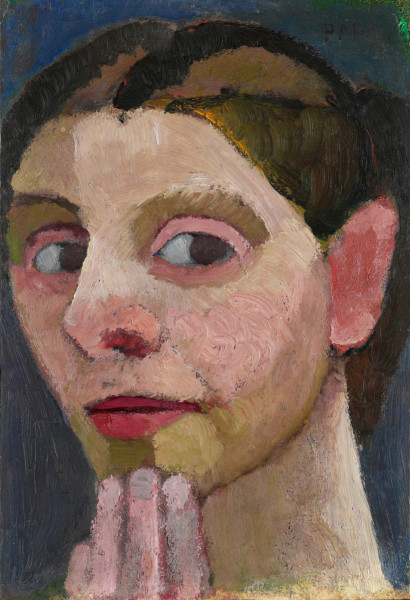
Paula Modersohn-Becker, Self-Portrait with Hand on Chin, 1906/07 © Landesmuseum Hannover/ARTOTHEK
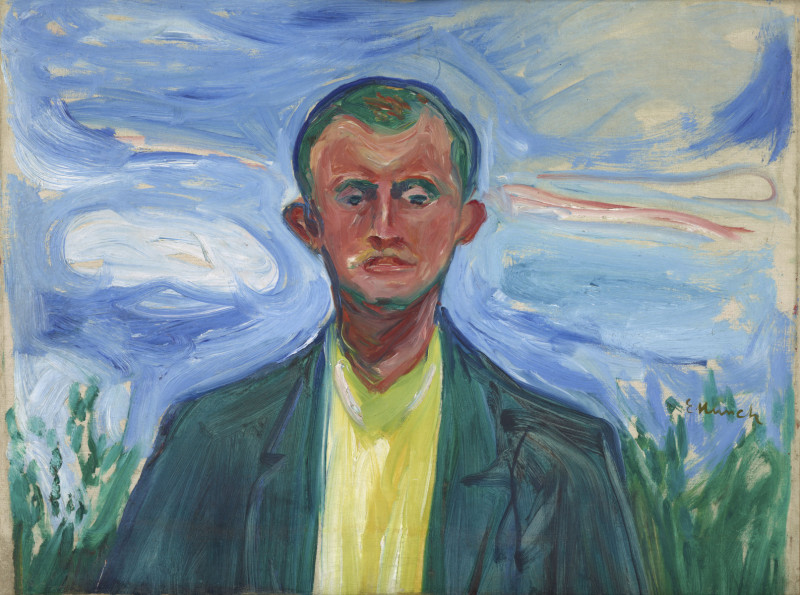
Edvard Munch, Self-Portrait Against a Blue Sky, 1908 © Munchmuseet, Oslo
From 8 February to 31 May 2026, the special exhibition “Paula Modersohn-Becker and Edvard Munch. The Big Questions of Life” will showcase an unprecedented large-scale comparison of the works of both artists, who are considered pioneers of Expressionist Modernism and whose art remains highly relevant to this day.
Paula Modersohn-Becker was born on 8 February 1876 in Dresden, one year after Ferdinand Adolph Lange, the founder of Saxon precision watchmaking, passed away. Within a short period of time – she was only 31 when she died – she made rapid artistic progress and developed a completely unique visual language. The same can be said of Edvard Munch, who was born in Norway in 1863 and is also considered one of the most important artists of the 20th century. Over the course of six decades, he created a vast body of work that includes numerous seminal modernist pieces.
Two expressionists in dialogue
The exhibition illustrates how Modersohn-Becker and Munch found innovative artistic answers to the existential questions of their era – ranging from birth to death – in their expressive paintings. From the 1890s until Modersohn-Becker’s premature death in 1907 and Edvard Munch's return to Norway from Germany in 1908, these answers were presented in numerous works.
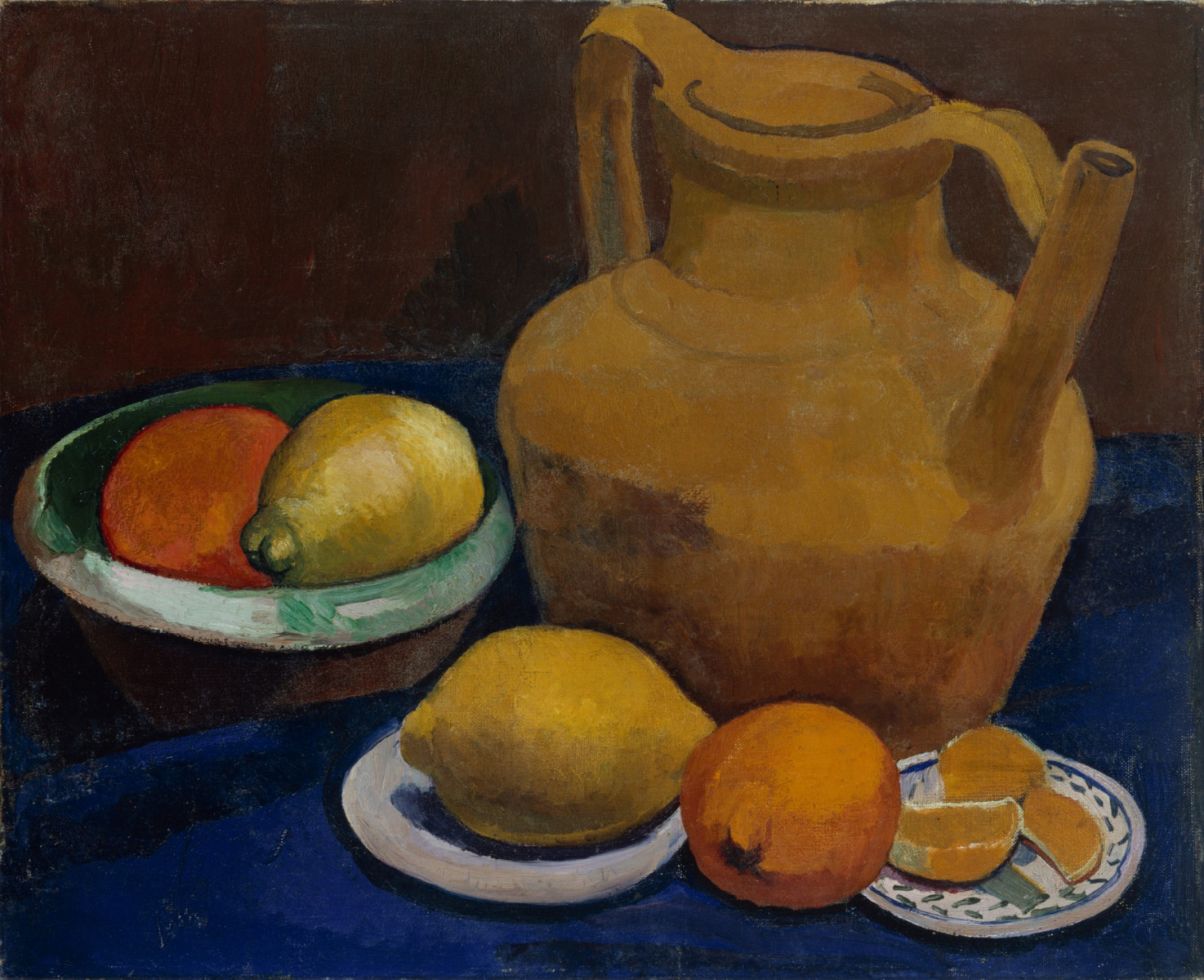
Paula Modersohn-Becker, Still Life with Clay Jug, Lemons and Oranges, 1906 © Albertinum | GNM, Dresden State Art Collections, Photo: Hans-Peter Klut
Around 1900, the term “life” experienced a period of great popular interest, emerging as a counterpoint to convention, stagnation and meaninglessness. The word evoked a sense of dynamic immediacy, renewal and youth. Modersohn-Becker and Munch became seismographs of their generation. Their paintings bring together two worlds, different temperaments and perspectives, which nevertheless have much in common.
“Questions about the meaning and cycle of life are timeless. The universal imagery that Modersohn-Becker and Munch found for this purpose is still relevant today. Our partner A. Lange & Söhne also stands for a timeless language of form and design. We are extremely grateful for the support of this special project and the long-standing commitment to Saxony's cultural heritage,” said SKD Director General Dr. Bernd Ebert.
“This exhibition showcases the unique artistic journeys of two individuals who consistently pushed the boundaries,” says Wilhelm Schmid, CEO of A. Lange & Söhne. “This aspiration also underpins our own identity as a manufacture. Through their exhibitions, the SKD demonstrate how art can connect people across time and space.”