Palazzo Ducale, Doge's Apartment and Chapel
20 Mar 2026 — 19 Jul 2026
The journey of a Genius from Antwerp to Genoa and London
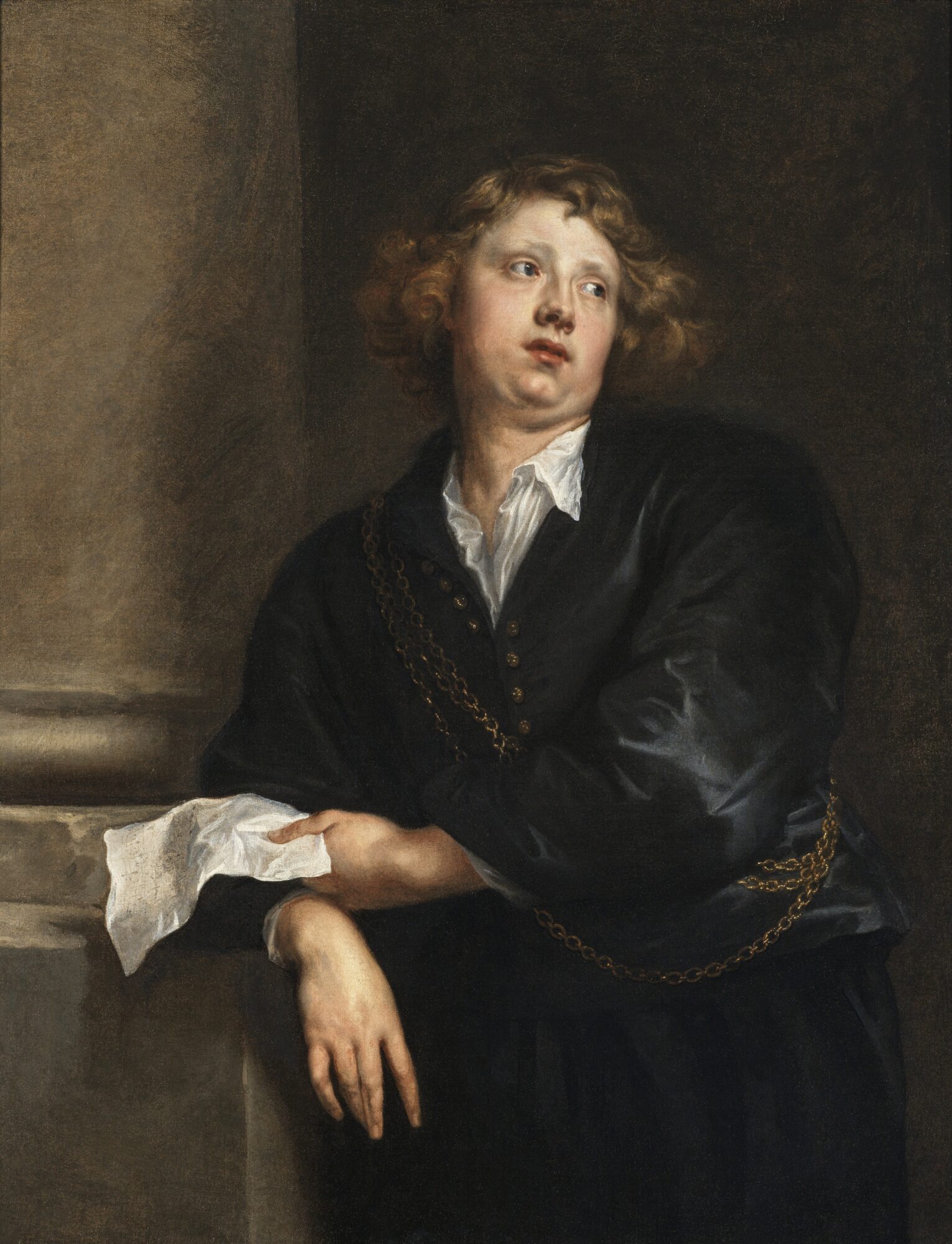
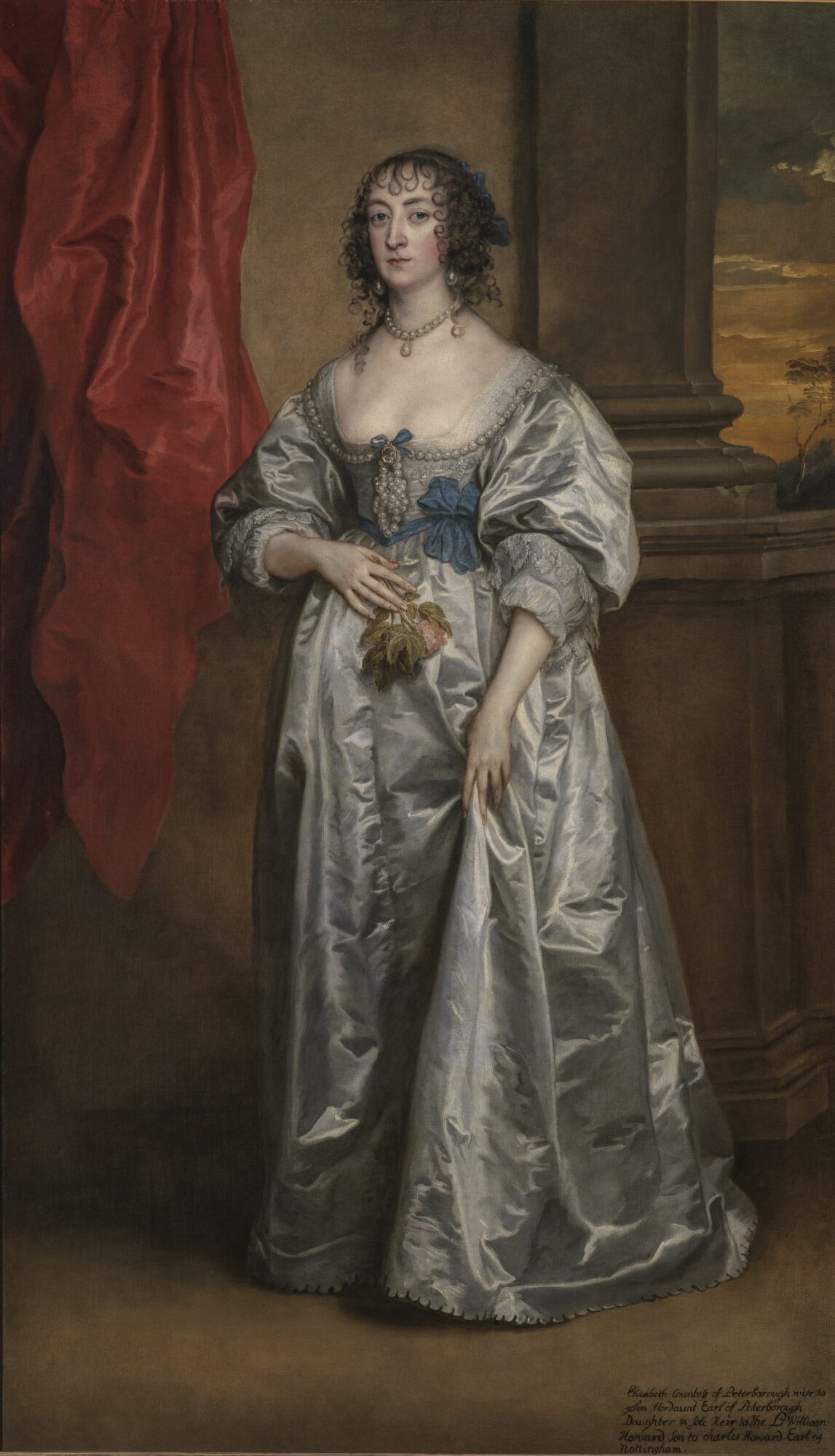
The Doge’s Palace is hosting the most extensive monographic exhibition in the past 25 years dedicated to the Flemish painter Anthony Van Dyck (Antwerp, 1599 – London, 1641). Over 50 autograph paintings will be on display, on loan from 32 museums across 22 European cities — including the Louvre in Paris, the Prado in Madrid, and the National Gallery in London.
Following the success of Rubens in Genoa (2022), this new international exhibition continues the exploration of European masters by focusing on another extraordinary artist — one who found in Genoa an essential chapter of his artistic journey.
Three paintings by Rubens, Van Dyck’s teacher, will offer insightful comparisons, while the spotlight remains firmly on the refined, captivating art of one of the world’s most admired painters. Van Dyck’s greatness lies not only in the brilliance of his technique, but also in his remarkable ability to adapt his art to different patrons and settings — skillfully adjusting his style to charm new clients, reflect their tastes, and capture the spirit of each place where he worked.
The exhibition unfolds through the rooms of the Doge’s Apartment, including the stunning Ducal Chapel. Visitors will follow a compelling narrative tracing Van Dyck’s artistic evolution across the three key cities of his career — Antwerp, Genoa, and London — discovering how each cultural environment shaped his vision and style.

A self-portrait of 1614, made when he was just 15 years old, reveals Anthony van Dyck to have been a prodigy. The waves of ginger hair behind his left cheek suggest we’ve caught him mid motion, but the work as a whole is one of remarkable poise – a quality that distinguishes the many portraits of royals and aristocrats he painted over the course of his life.
From two youthful self-portraits to the elegant portraits of Genoese, Antwerp, and English ladies, from royal commissions for King Charles I of England to evocative mythological and religious works, the exhibition offers an immersive journey into the creative world of a true genius.
Among the notable loans are ten works from The Phoebus Foundation, an exceptional selection that situates Van Dyck within the artistic world that shaped him. Included is a work by Rubens, serving as a steady anchor in Van Dyck’s earliest artistic course.

Gentildonna seduta (n.d.; detail), Anthony van Dyck. Private collection, Rome