Wednesday, February 8, 2017

Modern Art Classics: Liebermann, Munch, Nolde, Kandinsky

Museum Barberini, Potsdam
January 23–May 28, 2017


The term modern art embodies change, while classic stands for timelessness. The exhibition Modern Art Classics: Liebermann, Munch, Nolde, Kandinsky draws a line from German Impressionism to Fauvism and Abstract Art after 1945 and addresses this dynamic era.

The exhibition Modern Art Classics: Liebermann, Munch, Nolde, Kandinsky focuses on upheavals in painting from modernism to the present day. With 60 paintings and sculptures from a period of 100 years, the show examines issues related to artistic and social emancipation in six sections. Today these works are considered classics of modern art. The exhibition begins in the 1890s and spans the period from German Impressionism through the Fauves to abstract painting after 1945 und highlights the development of painting in the 20th century.


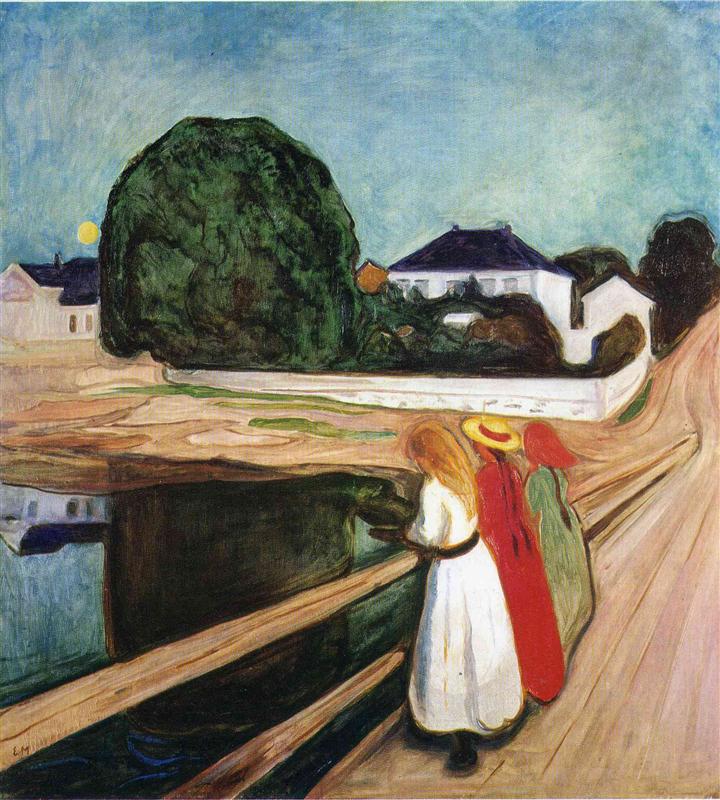
Billionaire SAP co-founder Hasso Plattner and Chancellor Dr. Angela Merkel in front of Edvard Munch's "Girls on the Bridge" at Museum Barberini. The painting sold for $54.5 million at Sotheby's in Nov. 2016.


Max Liebermann: The Flower Terrace at Wannsee to the South, 1921, private collection


Wassily Kandinsky: White Sound, 1908, private collection


Edvard Munch: Woman Looking in the Mirror, 1892, private collection


Edvard Munch: Summer Night by the Beach, 1902/03, private collection


Edvard Munch: The Girls on the Bridge, 1902, private collection


Rufino Tamayo: Children Playing with Fire, 1947, private collection


Andy Warhol: Mona Lisa Four Times, 1978, Museum Barberini


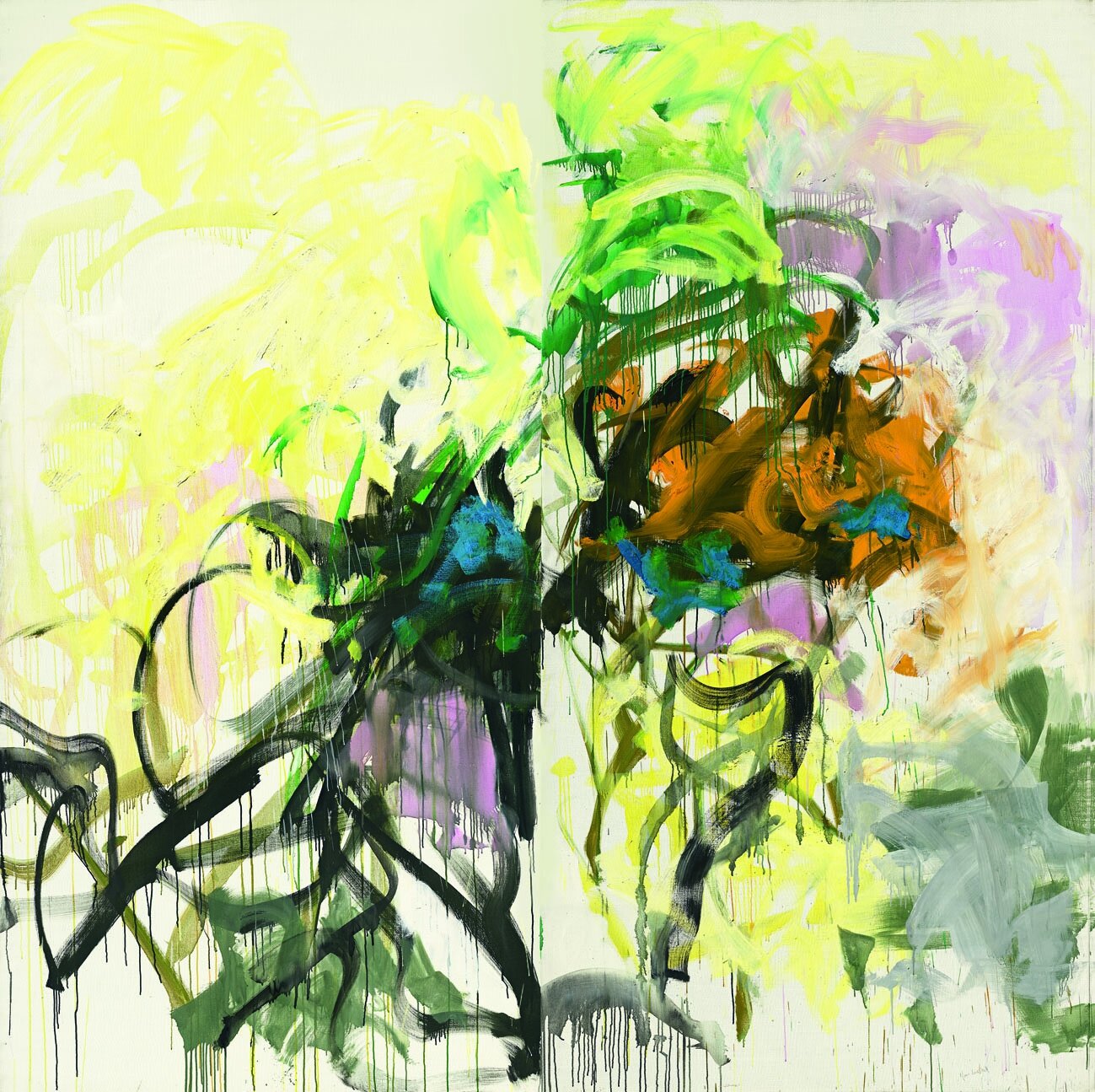
Joan Mitchell: Faded Air I, 1985, private collection


Impressionism: The Art of Landscape

Museum Barberini, Potsdam
January 23–May 28, 2017

Impressionist landscapes were not spontaneous mood paintings but were used by artists as a place to carry out their experiments. These artists liberated landscapes from their historic and symbolic significance. Designed to appeal to all the senses, the exhibition Impressionism: The Art of Landscape is divided into eight themes with 92 works which represent landscape painting as the guiding genre of Impressionism. With works by artists such as Claude Monet, Pierre-Auguste Renoir and Gustave Caillebotte the exhibition brings major representatives of Impressionism to Potsdam.

In the 19th century, Impressionist painters developed an awareness of the present that revolutionized art and continues to permeate events in painting in our time. Although their audience was in Paris and the city itself contained many motifs, landscapes provided the most important subject matter for Claude Monet, Alfred Sisley, Camille Pissarro, and Gustave Caillebotte. Against this backdrop they were able to test new artistic techniques.

The exhibition Impressionism: The Art of Landscape examines for the first time the experimental domains found in Impressionist landscapes. Artists depicted the sea, forest paths, meadows, gardens, snowy landscapes, and reflections on the surface of water, addressing all the viewer's senses. The show presents masterpieces in the context of 92 paintings which come from 32 international museums and private collections. They are displayed in thematic sections, showing series of the most important motifs. The exhibition sheds new light on Impressionist artists and their obsession with their own individual perception of light and nature.


For the exhibition Impressionism: The Art of Landscape a catalog has been published in German and English by Prestel Verlag, Munich. It contains a preface by the museum's founder and patron Hasso Plattner. Essays by Stephen F. Eisenman, Christoph Heinrich, Nancy Ireson, Stefan Koldehoff, Richard Schiff and Ortrud Westheider are based on the first conference held by the Museum Barberini, which took place on June 28, 2016 in Potsdam. 252 pages.


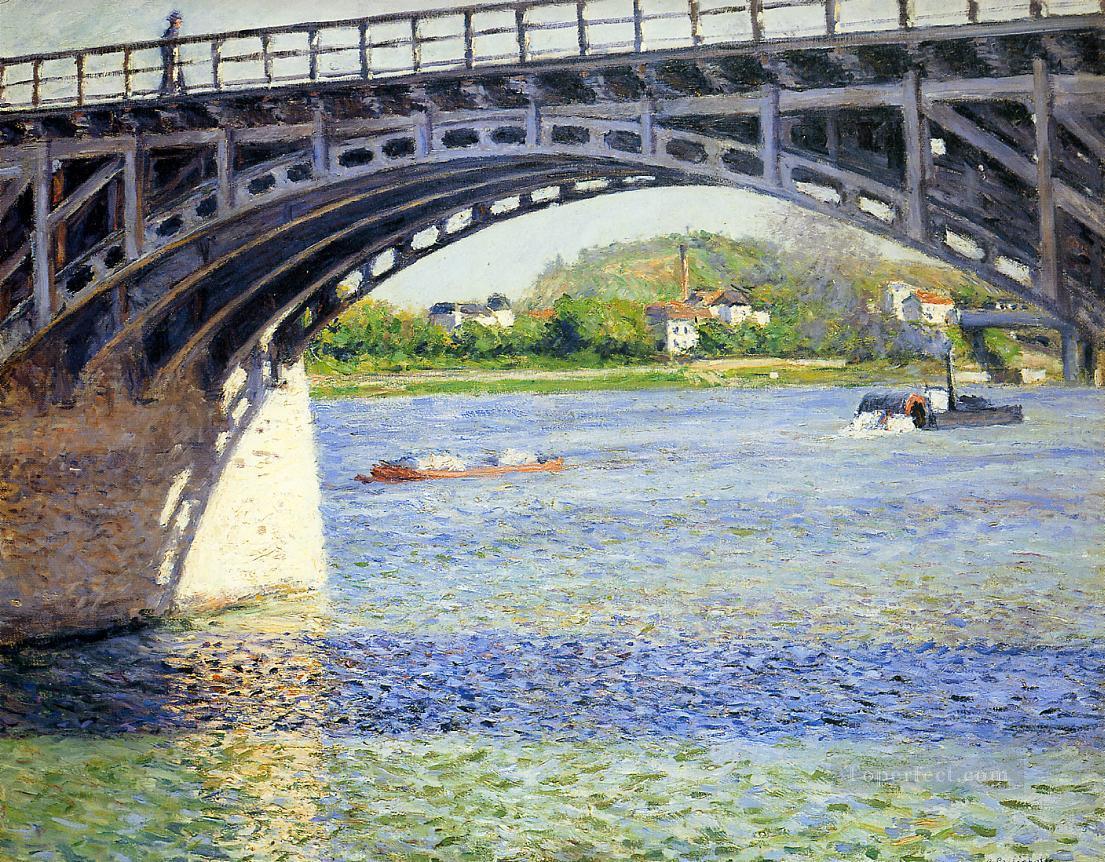
Gustave Caillebotte: The Argenteuil Bridge and the Seine, c. 1883, private collection


Claude Monet: Water Lilies, 1914–1917, private collection,\


Claude Monet: Water Lilies or The Water Lily Pond, 1904, Denver Art Museum


Claude Monet: Low Tide at Les Petites-Dalles, 1884, private collection


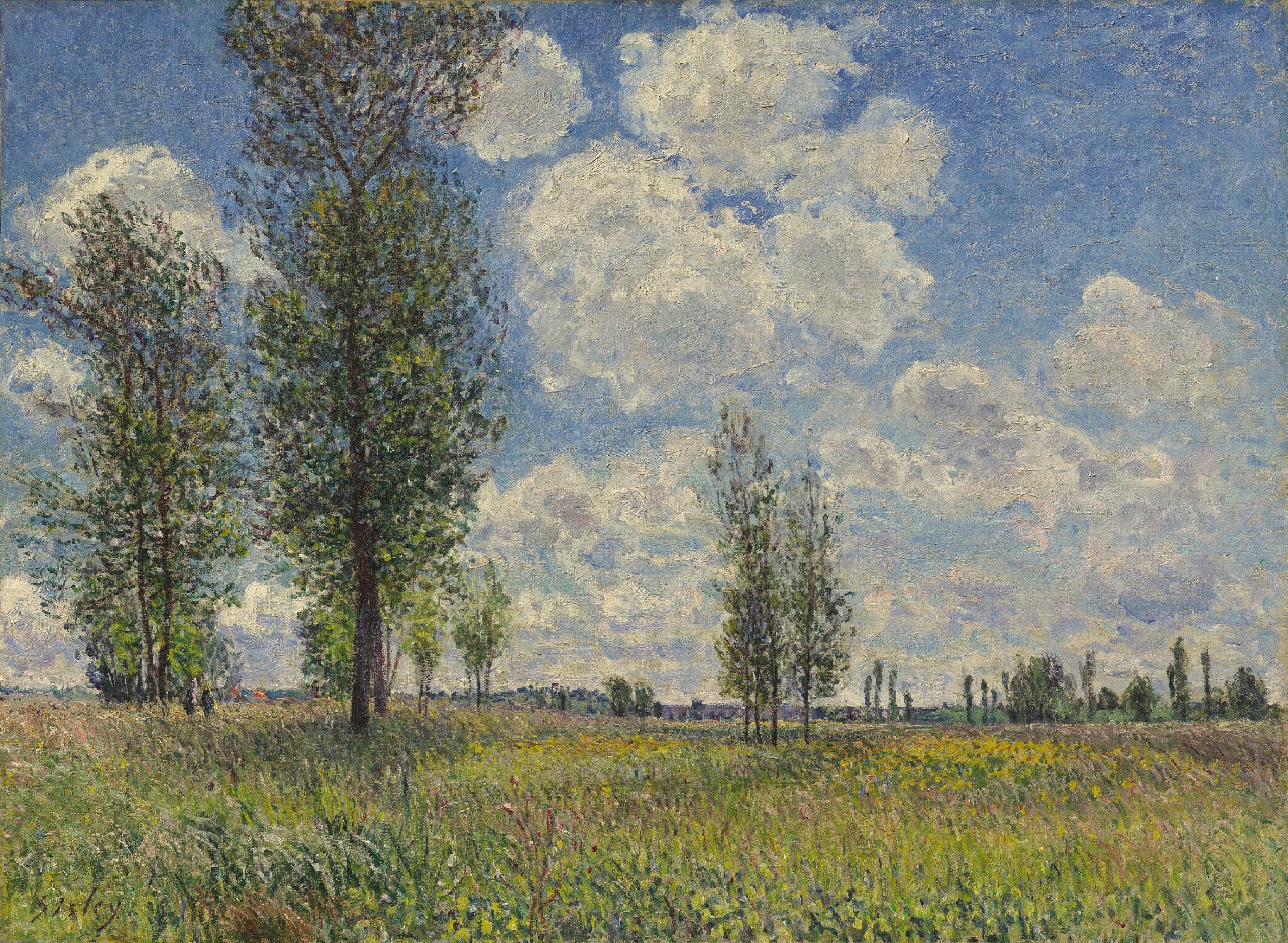
Alfred Sisley: The Meadow at Veneux-Nadon, 1881, private collection, Scan: RECOM ART


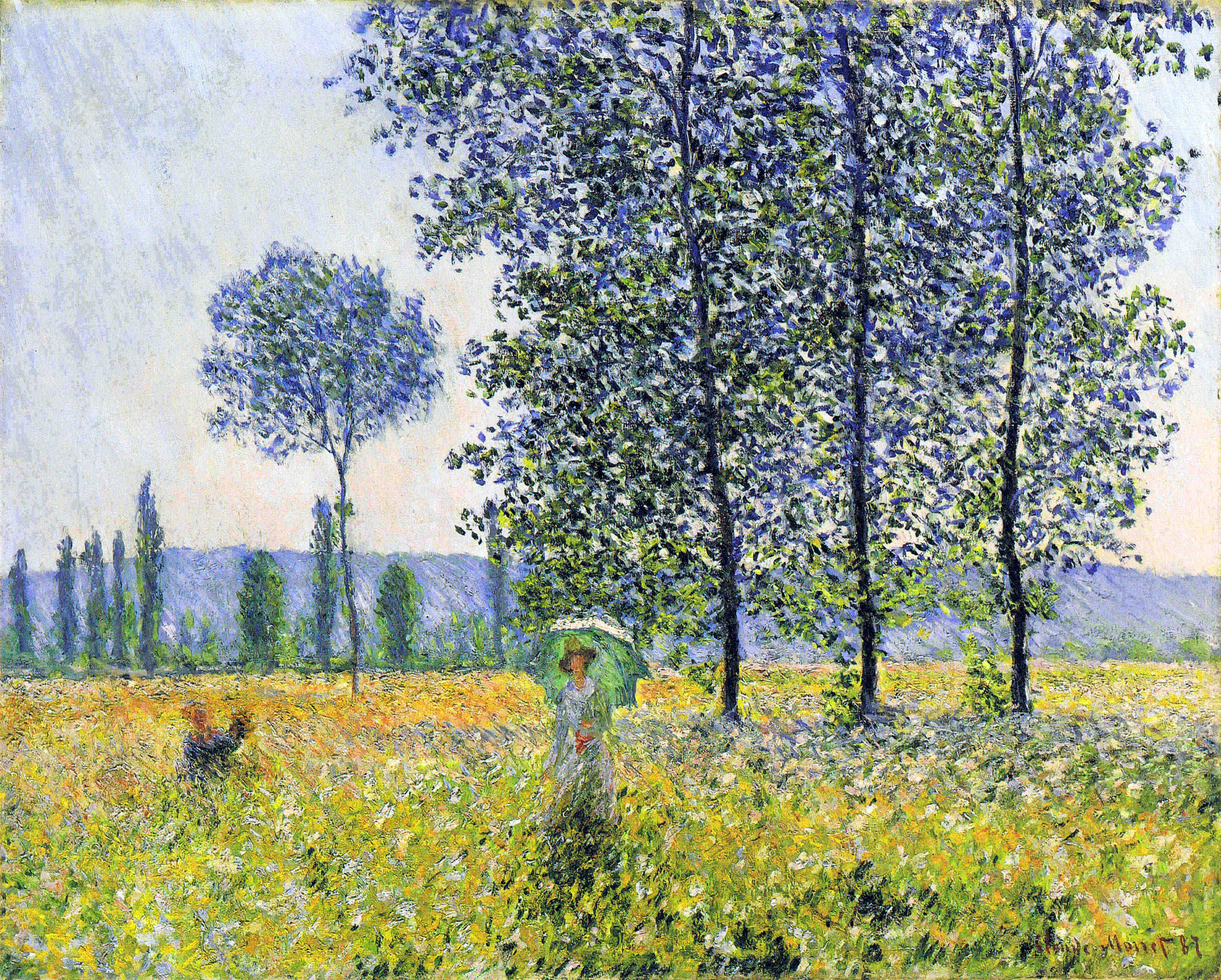
Claude Monet: Under the Poplars, 1887, private collection, Scan: RECOM ART


Claude Monet: Poplars at Giverny, 1887, private collection, Scan: RECOM ART


Alfred Sisley: My House at Moret, 1892, private collection, Scan: RECOM ART


Claude Monet: Grainstack, Sunlight, Snow Effect, 1891, private collection


Claude Monet: Frost at Giverny, 1885, private collection

Tuesday, February 7, 2017

American Prints of Urban Life


National Gallery of Art, Washington
February 26 through August 6, 2017


American artists of the early 20th century sought to interpret the beauty, power, and anxiety of the modern age in diverse ways. Through depictions of bustling city crowds and breathtaking metropolitan vistas, 25 black-and-white prints on view in The Urban Scene: 1920–1950 will explore the spectacle of urban modernity. Prints by recognized artists such as Louis Lozowick (1892–1973) and Reginald Marsh (1898–1954), as well as lesser-known artists including Mabel Dwight (1875–1955), Gerald Geerlings (1897–1998), Victoria Hutson Huntley (1900–1971), Martin Lewis (1881–1962), and Stow Wengenroth (1906–1978), are included in this exhibition.  

The Urban Scene will be on view in the West Building from February 26 through August 6, 2017.

"During the past decade the Gallery has acquired extraordinary groups of prints from the Reba and Dave Williams Collection, the Corcoran Collection, and the collection of Bob Stana and Tom Judy," said Earl A. Powell III, director, National Gallery of Art. "We are thankful for the generosity of these donors and for the opportunities that have allowed the Gallery's American print holdings to grow in both richness and depth."

The exhibition is organized by the National Gallery of Art, Washington.

The black-and-white prints that comprise The Urban Scene, most of which were acquired in the last ten years, often highlight the unprecedented scale of urban architecture and the impact of industry and technology on city life. From one perspective, skyscrapers, bridges, and other technological marvels projected wealth, opportunity, and invoked the sublime, but from another these structures could be interpreted as blocking light, deepening shadows, heightening a sense of enclosure and confinement, and amplifying feelings of diminution and anonymity.

The artists featured in this exhibition chose their subjects, arranged their compositions, and scrutinized details to convey particular aspects of urban life. They used line to capture the specifics of a face or the idiosyncrasies of a building and manipulated tone to mimic the play of light. Employing precise detail and descriptive clarity to characterize experience, suggest meaning, and convey a narrative, certain elements were emphasized while others were minimized, resulting in images distilled to their narrative or atmospheric essence.

Exhibition Curator

The exhibition is organized by Charles Ritchie, associate curator, department of modern prints and drawings, National Gallery of Art.


Martin Lewis
Quarter of Nine - Saturday's Children, 1929
drypoint on laid paper
plate: 25.1 x 32.7 cm (9 7/8 x 12 7/8 in.)
sheet: 34 x 45.7 cm (13 3/8 x 18 in.)
National Gallery of Art, Washington, Gift of Addie Burr Clark


Mabel Dwight
The Clinch, 1928
lithograph
image: 230 x 297 mm
sheet: 291 x 407 mm
National Gallery of Art, Washington, Reba and Dave Williams Collection, Gift of Reba and Dave Williams


Paul Cadmus
Shore Leave, 1935
etching in black on laid paper
image: 25.4 x 28.26 cm (10 x 11 1/8 in.)
plate: 26.35 x 29.53 cm (10 3/8 x 11 5/8 in.)
sheet: 33.97 x 38.1 cm (13 3/8 x 15 in.)
National Gallery of Art, Washington, Reba and Dave Williams Collection, Florian Carr Fund and Gift of the Print Research Foundation


Reynold Weidenaar
Locomotive Shops, 1947
etching and aquatint
unframed: 12 7/8 x 16 7/8 in. (32.7 x 42.86 cm)
National Gallery of Art, Washington, Corcoran Collection (Bequest of Frank B. Bristow)


Benton Murdoch Spruance
The People Work - Evening, 1937
lithograph in black
image: 34.61 x 48.26 cm (13 5/8 x 19 in.)
sheet: 40.64 x 58.1 cm (16 x 22 7/8 in.)
National Gallery of Art, Washington, Rosenwald Collection


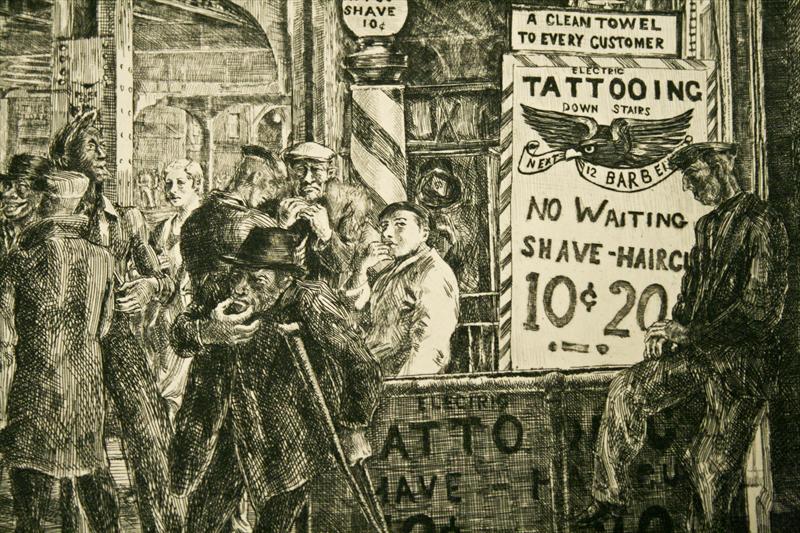
Reginald Marsh
Tattoo-Shave-Haircut, 1932
etching and engraving
unframed: 10 x 9 1/2 in. (25.4 x 24.13 cm)
National Gallery of Art, Washington, Corcoran Collection (Gift of Olga Hirshhorn)
File Name: 4842-010.jpg


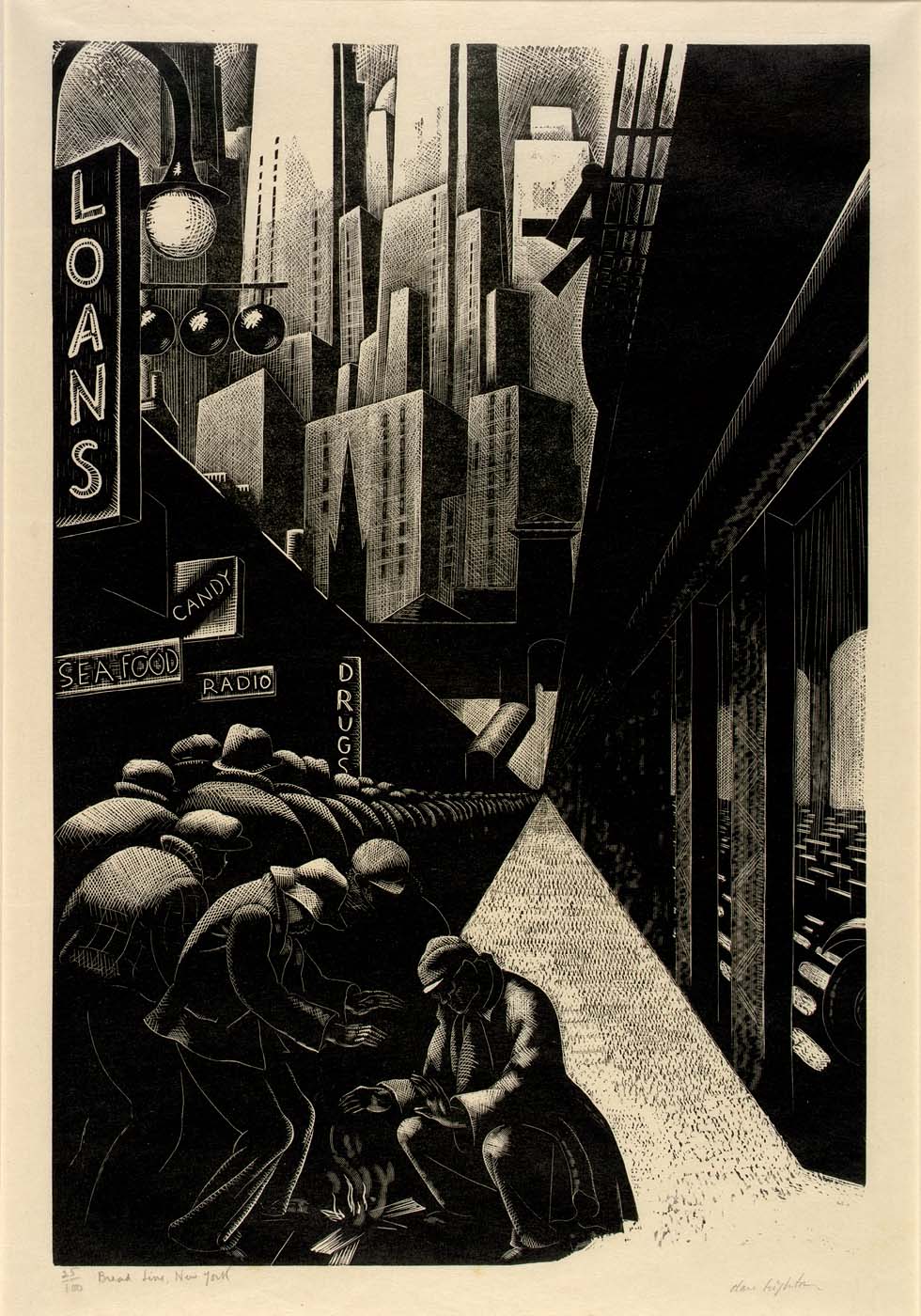
Clare Leighton
Breadline, New York, 1931
wood engraving
Image: 298 x 200 mm
Sheet: 444 x 293 mm
National Gallery of Art, Washington, Reba and Dave Williams Collection, Gift of Reba and Dave Williams


Victoria Hutson Huntley
Lower New York, 1934
lithograph in black on wove paper
image: 25.72 x 34.61 cm (10 1/8 x 13 5/8 in.)
National Gallery of Art, Washington, Gift of Bob Stana and Tom Judy
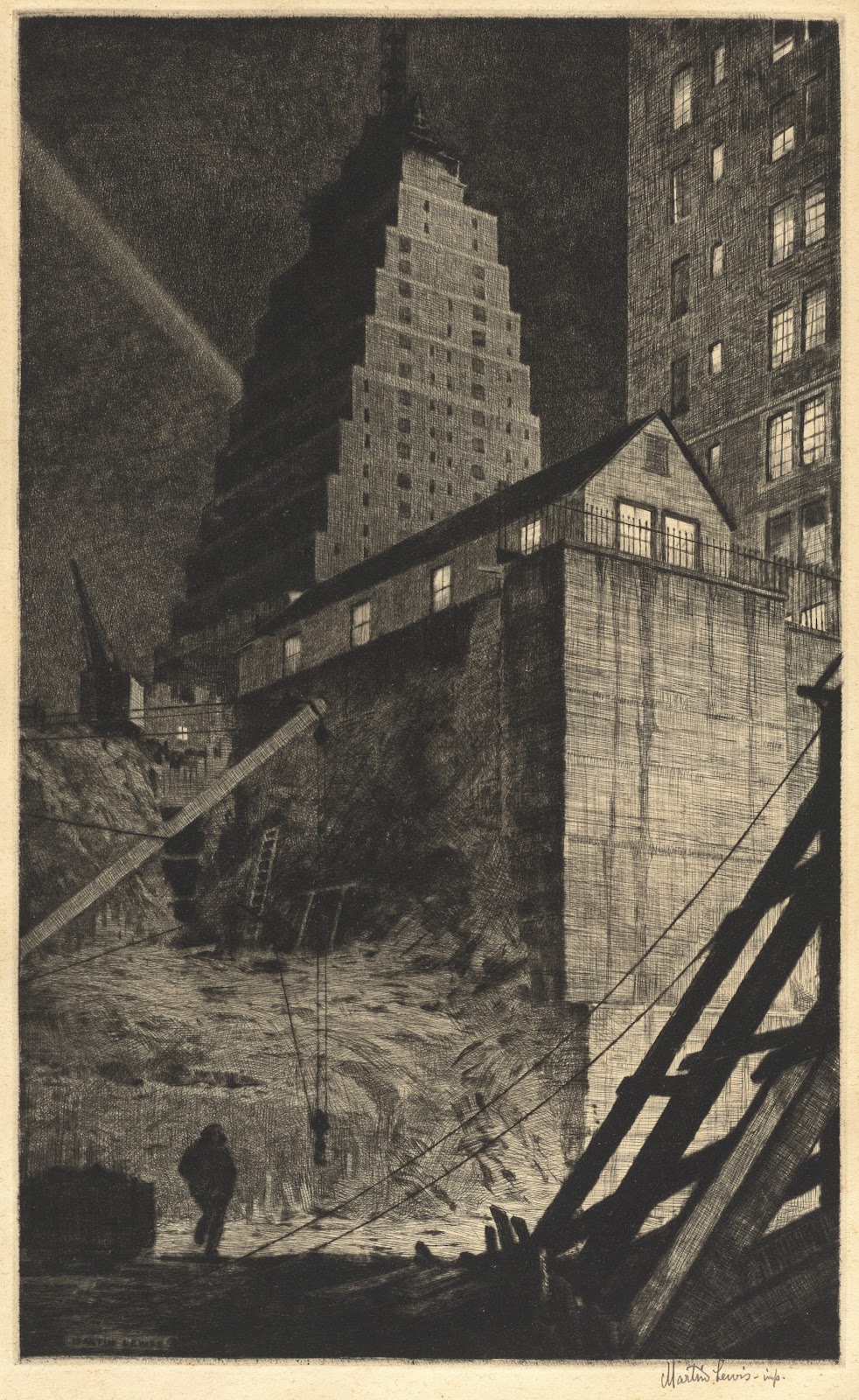
 

Martin Lewis
Building a Babylon, Tudor City, N.Y.C., 1929
etching, drypoint
overall: 32.7 x 20 cm (12 7/8 x 7 7/8 in.)
National Gallery of Art, Washington, Gift of Bob Stana and Tom Judy


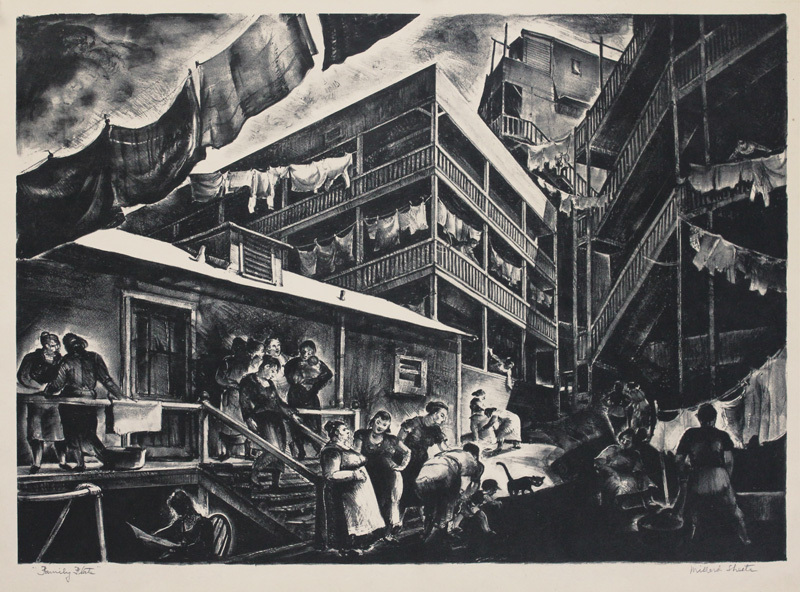
Millard Owen Sheets
Family Flats, 1935
lithograph
image: 390 x 567 mm
sheet: 457 x 617 mm
National Gallery of Art, Washington, Reba and Dave Williams Collection, Gift of Reba and Dave Williams


Lawrence Edward Kupferman
Victorian Mansion, 1938
drypoint in black on laid paper
plate: 35.72 x 32.54 cm (14 1/16 x 12 13/16 in.)
sheet: 38.89 x 35.4 cm (15 5/16 x 13 15/16 in.)
National Gallery of Art, Washington, Reba and Dave Williams Collection, Gift of Reba and Dave Williams


Martin Lewis
Yorkville Night, 1948
drypoint
sheet: 10 7/8 x 14 3/4 in. (27.62 x 37.47 cm)
image: 8 1/2 x 11 1/2 in. (21.59 x 29.21 cm)
National Gallery of Art, Washington, Corcoran Collection (Bequest of Frank B. Bristow)


Stow Wengenroth
Quiet Hour, 1947
lithograph
image: 8 3/4 x 15 in. (22.23 x 38.1 cm)
sheet: 11 1/16 x 17 11/16 in. (28.1 x 44.93 cm)
National Gallery of Art, Washington, Corcoran Collection (Bequest of Frank B. Bristow)


:
John Taylor Arms
West Forty-Second Street, Night, 1922
aquatint and etching in blue black and yellow on yellow laid paper
plate: 26.99 x 17.46 cm (10 5/8 x 6 7/8 in.)
sheet: 46.04 x 29.21 cm (18 1/8 x 11 1/2 in.)
National Gallery of Art, Washington, Donald and Nancy deLaski Fund


Armin Landeck
View of New York, 1932
lithograph in black on wove paper
image: 68.9 x 59.7 cm (27 1/8 x 23 1/2 in.)
sheet: 80 x 64.1 cm (31 1/2 x 25 1/4 in.)
National Gallery of Art, Washington, Reba and Dave Williams Collection, Gift of Reba and Dave Williams


Louis Lozowick
Allen Street, 1929
lithograph in black on wove paper
image: 19.1 x 28.5 cm (7 1/2 x 11 1/4 in.)
sheet: 28.2 x 40 cm (11 1/8 x 15 3/4 in.)
National Gallery of Art, Washington, Gift of Jacob Kainen


Asa Cheffetz
Monday (The American Scene), 1932
wood engraving on paper
overall: 17.78 x 25.4 cm (7 x 10 in.)
National Gallery of Art, Washington, Promised Gift of Bob Stana and Tom Judy


Howard Norton Cook
Looking up Broadway, 1937
lithograph
Image: 330 x 241 mm
Sheet: 450 x 315 mm
National Gallery of Art, Washington, Reba and Dave Williams Collection, Gift of Reba and Dave Williams


Isac Friedlander
3 A.M., 1934
etching on wove paper
plate: 24.13 x 39.69 cm (9 1/2 x 15 5/8 in.)
sheet: 32.07 x 46.67 cm (12 5/8 x 18 3/8 in.)
National Gallery of Art, Washington, Rosenwald Collection


Samuel L. Margolies
Men of Steel, c. 1939
drypoint
image: 378 x 300 mm
sheet: 476 x 381 mm
National Gallery of Art, Washington, Reba and Dave Williams Collection, Gift of Reba and Dave Williams


Robert Riggs
Germantown & Chelten, c. 1950
lithograph in black on wove paper
image: 35.56 x 51.12 cm (14 x 20 1/8 in.)
sheet: 40.64 x 58.1 cm (16 x 22 7/8 in.)
National Gallery of Art, Washington, Reba and Dave Williams Collection, Florian Carr Fund and Gift of the Print Research Foundation


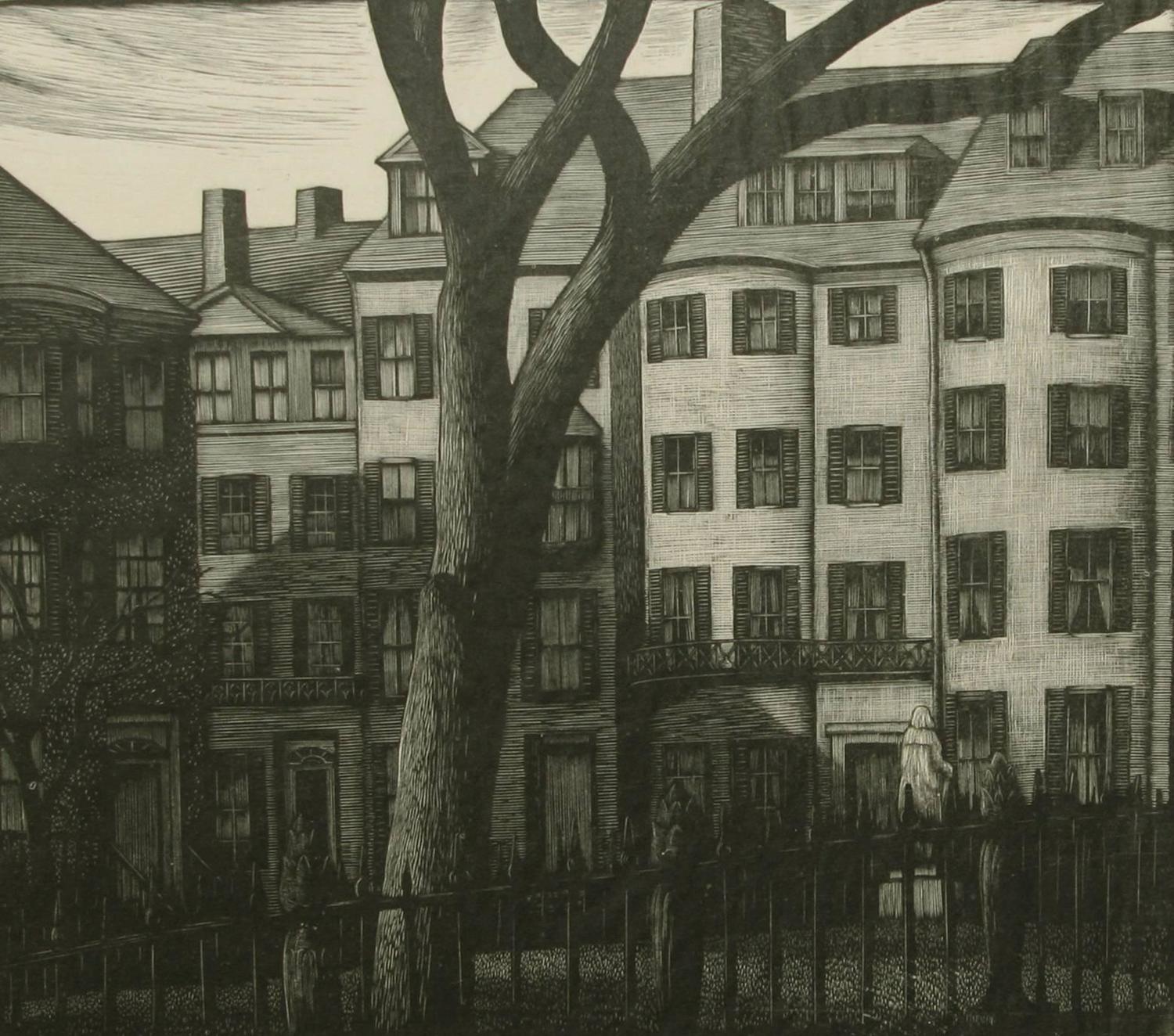
Thomas Willoughby Nason
Louisburg Square, 1930
wood engraving
Image: 176 x 201 mm
Sheet: 244 x 252 mm
National Gallery of Art, Washington, Reba and Dave Williams Collection, Gift of Reba and Dave Williams


Edward Arthur Wilson
Untitled (Laying Pipe in New York City), 1941
lithograph in black on wove paper
image: 27.94 x 33.02 cm (11 x 13 in.)
sheet: 34.29 x 48.9 cm (13 1/2 x 19 1/4 in.)
National Gallery of Art, Washington, Reba and Dave Williams Collection, Gift of Reba and Dave Williams


Enduring Ideals: Rockwell, Roosevelt & the Four Freedoms Updated


New-York Historical Society New York, NY
June – August 2018

The Henry Ford Museum Dearborn, MI
October – December 2018

Venue announcement pending Washington, DC
February – April 2019

Norman Rockwell Museum Stockbridge, MA
June – August 2019

National Constitution Center Philadelphia, PA
October – December 2019

Museum of Fine Arts Houston, TX
February – April 2020

Mémorial de Caen Normandy, France
June – October 2020

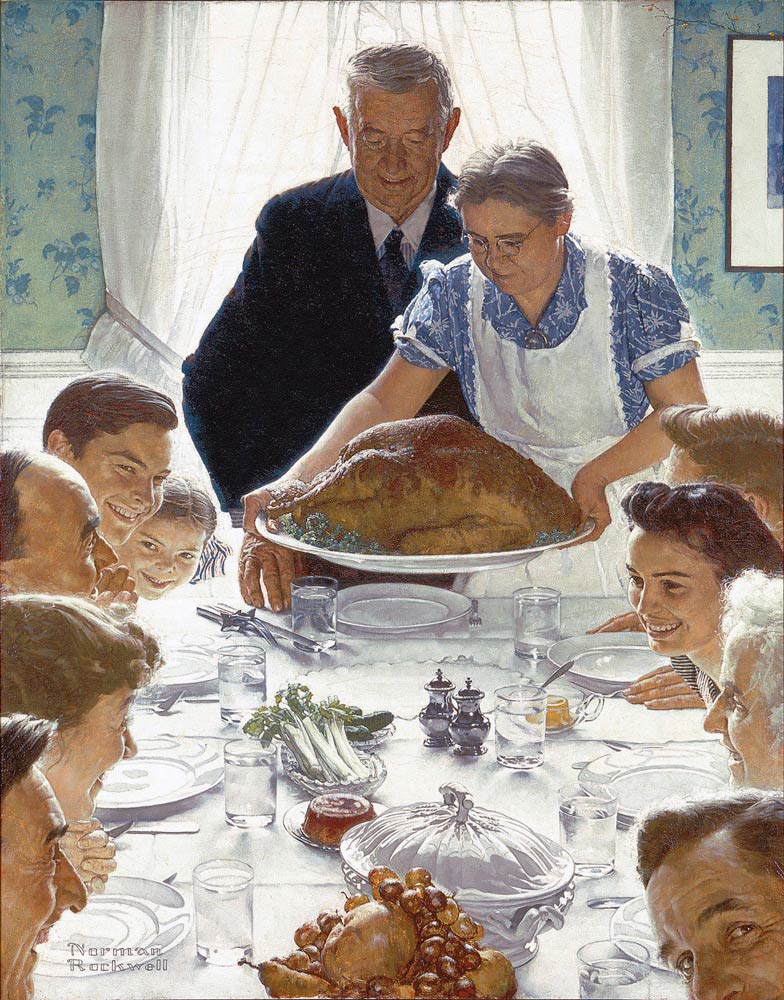
Enduring Ideals: Rockwell, Roosevelt & the Four Freedoms is the first comprehensive
traveling exhibition devoted to Norman Rockwell’s iconic depictions of Franklin Delano
Roosevelt’s Four Freedoms: Freedom of Speech, Freedom of Worship, Freedom from Want,
and Freedom from Fear. It illuminates both the historic context in which FDR articulated
the Four Freedoms and the role of Rockwell’s paintings in bringing them to life for millions
of people, rallying the public behind the War effort and changing the tenor of the times.
In telling the story of how Rockwell’s works were transformed from a series of paintings
into a national movement, the exhibition also demonstrates the power of illustration to
communicate ideas and inspire change.

In addition to his celebrated paintings of the Four Freedoms, the exhibition brings together
numerous other examples of painting, illustration, and more, by both Rockwell and a broad
range of his contemporaries—from J.C. Leyendecker and Mead Schaeffer, to Ben Shahn,
Dorothea Lange, and Gordon Parks, among others—as well as historical documents,
photographs, videos, and artifacts; interactive digital displays; and immersive settings. While
exploring the response of an earlier generation to the plea for defense of universal freedoms,
the exhibition also resonates with our own time.

ORGANIZATION

Enduring Ideals: Rockwell, Roosevelt & the Four Freedoms and its international tour
are organized by the Norman Rockwell Museum, Stockbridge, MA. The exhibition is
co-curated by Stephanie Plunkett, Deputy Director/Chief Curator, Norman Rockwell
Museum, and James Kimble, Associate Professor of Communication, Seton Hall University.


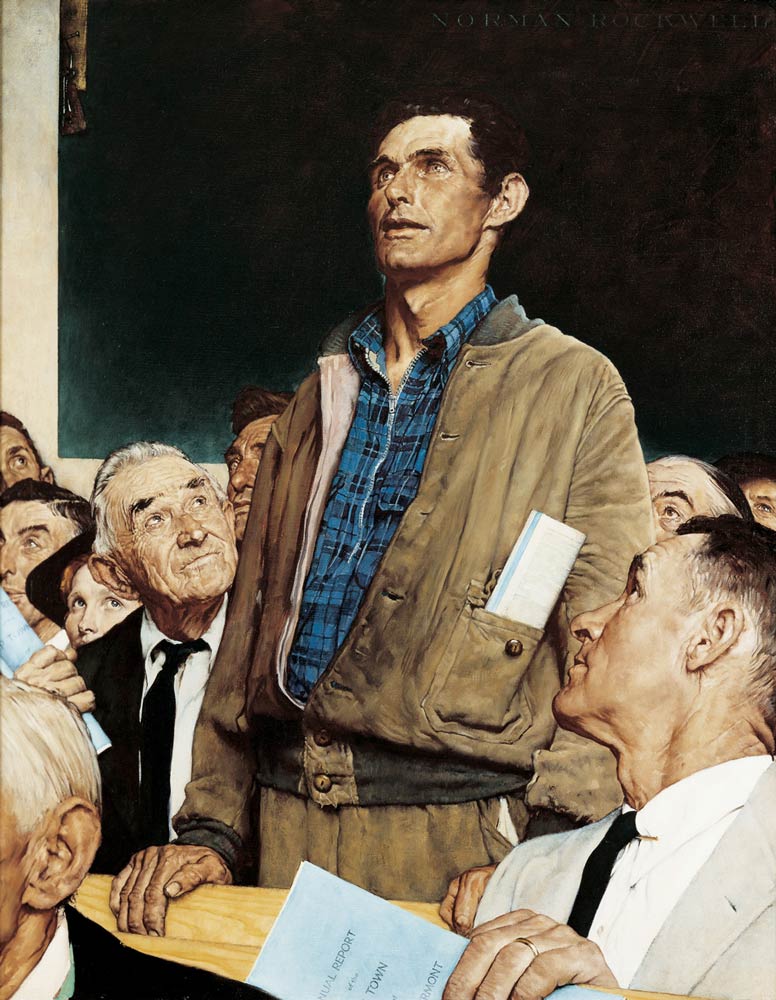
  •  Freedom of Speech, Norman Rockwell. 1943. Oil on canvas, 45 ¾” x 35 ½” Story illustration for The Saturday Evening Post, February 20, 1943 From the permanent collection of Norman Rockwell Museum ©1943 SEPS: Licensed by Curtis Publishing, Indianapolis, IN


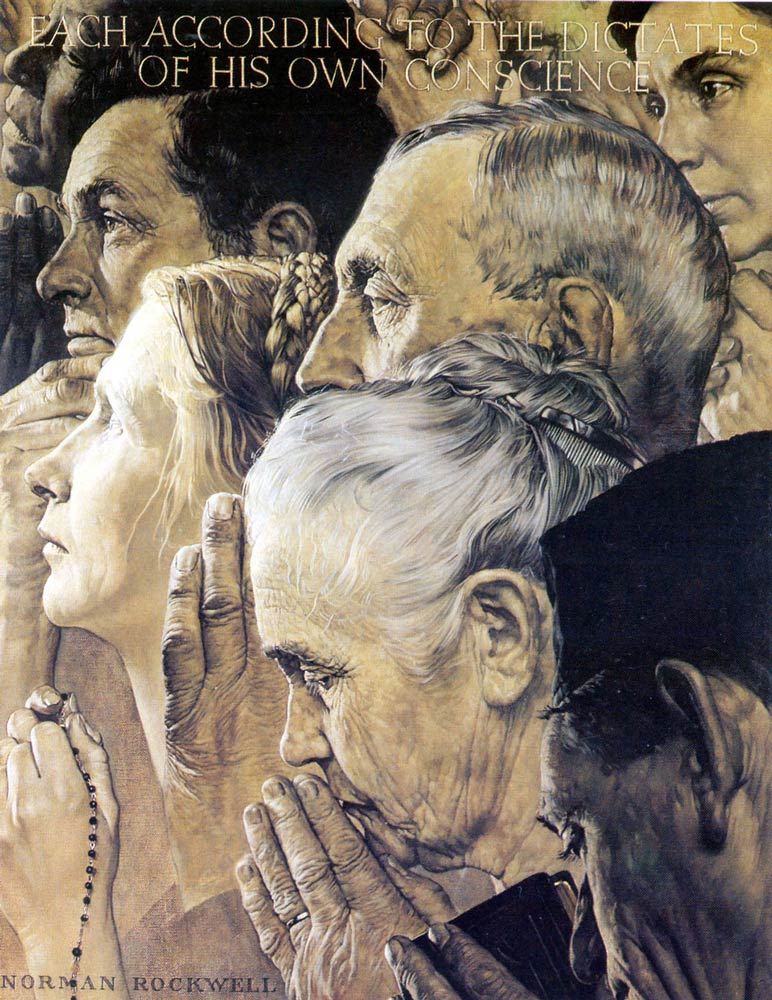
  • Freedom of Worship, Norman Rockwell. 1943. Oil on canvas, 46” x 35 ½” Story illustration for The Saturday Evening Post, February 27, 1943 From the permanent collection of Norman Rockwell Museum ©1943 SEPS: Licensed by Curtis Publishing, Indianapolis, IN


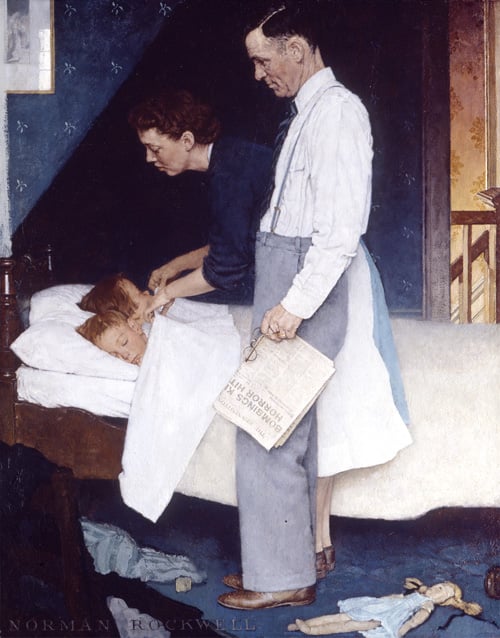
     Freedom from Fear, Norman Rockwell, 1943.; illustration for
    The Saturday Evening Post (c)SEPS, Curtis Licensing. Norman Rockwell Museum Collection


  • Freedom from Want, Norman Rockwell. 1943. Oil on canvas, 45 ¾ x 35 ½” Story illustration for The Saturday Evening Post, March 6, 1943 From the permanent collection of Norman Rockwell Museum ©1943 SEPS: Licensed by Curtis Publishing, Indianapolis, IN

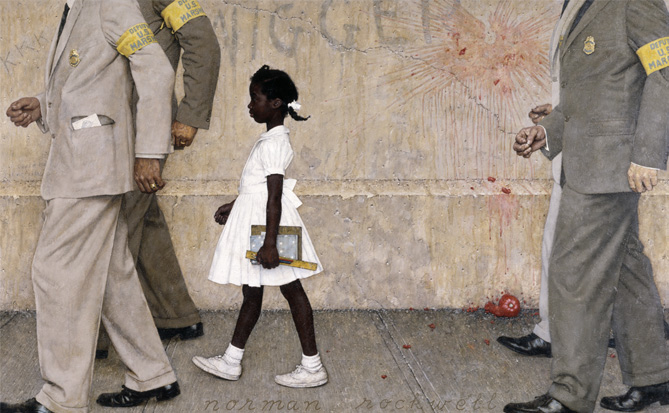
The Problem We All Live With 
Norman Rockwell

Year 1964
Medium Oil on canvas
Dimensions 91 cm × 150 cm (36 in × 58 in)
Location Norman Rockwell Museum[1], Stockbridge, Massachusetts


“Enduring Ideals” is the first comprehensive traveling exhibition devoted to Mr. Rockwell’s depictions of Mr. Roosevelt’s Four Freedoms—freedom of speech, freedom of worship, freedom from want and freedom from fear—and is a rare opportunity to see these masterpieces together outside their permanent home in Stockbridge, Massachusetts.

The exhibition, organized by the Norman Rockwell Museum, takes visitors on a journey from Mr. Roosevelt’s speech to wartime paintings and posters to Mr. Rockwell’s poignant later artworks that addressed social issues such as civil rights and the Vietnam War.

The exhibition will continue to Memorial de Caen in Normandy, France, to coincide with the 75th anniversary of D-Day on June 6, 2019; the Museum of Fine Arts, Houston, in December; and the Norman Rockwell Museum in Stockbridge, Mass., in the fall of 2020.

The exhibition also includes works by contemporary artists offering fresh takes on freedom. Maurice “Pops” Peterson’s “Freedom from What?” depicts a modern day African American couple putting their children to bed while looking over their shoulders for possible threats from the outside world. Bri Hermanson’s “To Have and To Hold” shows two women in a loving embrace in a nod to marriage equality. Gary Bist’s painting “Refugee Families in Winter” reflects on the many refugees who risk their lives in pursuit of safety, security and freedom.

The exhibition comes to the museum through a collaboration with the Albert H. Small Center for National Capitol Area Studies, which is dedicated to research on Washington as a center of government and the values that informed its development.

“Freedom of speech and worship, freedom from fear and want are ideals as powerful today as they were for Americans who fought in World War II,” museum director John Wetenhall said. “At a time and in a federal city where the true meaning of these values has become contested in the world of partisan and identity politics, it behooves us all to reflect back to when these very freedoms were in peril – ideals so powerfully embodied in Rockwell’s unforgettable icons.”

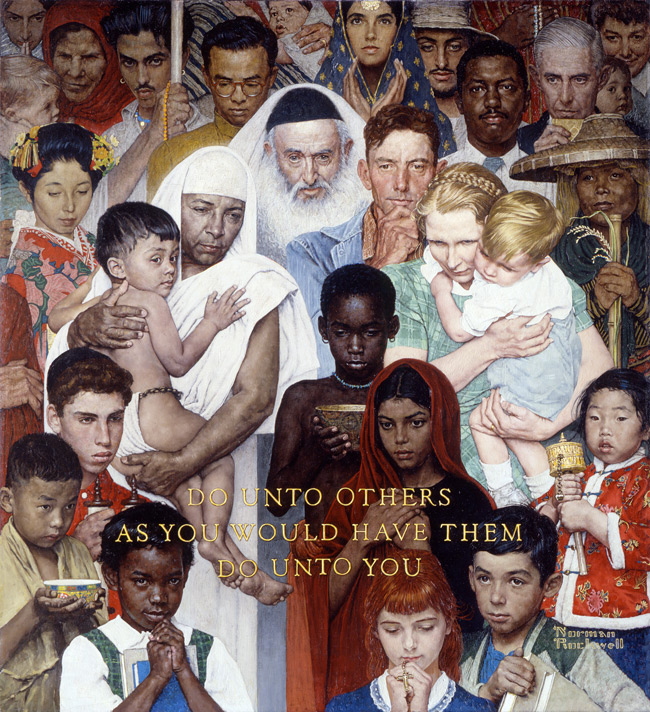
https://www.nrm.org/wp2016/wp-content/uploads/2009/04/GoldenRule.jpg

Norman Rockwell (1894-1978), Golden Rule, 1961. Oil on canvas, 44 ½" x 39 ½". Cover illustration for The Saturday Evening Post, April 1, 1961. Collection of Norman Rockwell Museum.
©SEPS: Curtis Licensing, Indianapolis, IN. All rights reserved. www.curtislicensing.com


Dorothea Lange (1895-1965), Migrant Mother (Destitute pea pickers in California. Mother of seven children. Age 32. Nipomo, CA), February or March 1936.
Library of Congress, Prints & Photographs Division, FSA/OWI Collection, [LC-DIG-fsa-8b29516]

Catalogue 

 Enduring Ideals illuminates both the historic context in which FDR articulated the Four Freedoms—Freedom of Speech, Freedom of Worship, Freedom from Want, and Freedom from Fear—and the role of Rockwell’s paintings in bringing them to life for millions of people, rallying the public behind the War effort and changing the tenor of the times. In telling the story of how Rockwell’s works were transformed from a series of paintings into a national movement, the exhibition also demonstrates the power of illustration to communicate ideas and inspire change.

In addition to his celebrated paintings of the Four Freedoms, the exhibition brings together numerous other examples of painting, illustration, and more, by both Rockwell and a broad range of his contemporaries―from J.C. Leyendecker and Mead Schaeffer, to Ben Shahn, Dorothea Lange, and Gordon Parks, among others―as well as historical documents, photographs, videos, and artifacts; interactive digital displays; and immersive settings. While exploring the response of an earlier generation to the plea for defense of universal freedoms, the exhibition also resonates with our own time.

The catalogue features essays by exhibition co-curators Stephanie Haboush Plunkett and James Kimble, by Laurie Norton Moffat, Director of the Norman Rockwell Museum, and by other contributors, including activist Ruby Bridges, artist and granddaughter of Norman Rockwell, Daisy Rockwell, and Ambassador William vanden Heuvel.