| | Rembrandt van Rijn, Syndics of the Drapers' Guild, 1662, Rijksmuseum, Amsterdam,
on loan from the municipality of Amsterdam
From 6 November 2026 to 28 February 2027, the Frans Hals Museum in Haarlem will present Hals–Rembrandt, an intimate exhibition featuring works by the two 17th-century artists Frans Hals and Rembrandt van Rijn. Both are renowned for their lifelike portraits and character studies in a loose painting style. This is the first time an exhibition has been devoted entirely to the combination of paintings by these two masters. The nineteen paintings are displayed in a setting that encourages visitors to look closely and, as a result, to see more. Similarities and differences Frans Hals and Rembrandt van Rijn are regarded as two of the finest artists of the 17th century. They are both admired for their distinctive, loose painting style and their ability to portray people in a lifelike manner. In doing so, they focused their attention not only on wealthy magistrates, but also on children, merry drinkers, actors and musicians. On the other hand, there are also differences between the two artists. Rembrandt worked in an exploratory manner, continually adding layers to get to the heart of his subjects. Frans Hals seems to have worked with greater precision and speed, giving his paintings the appearance of snapshots of reality. |
|
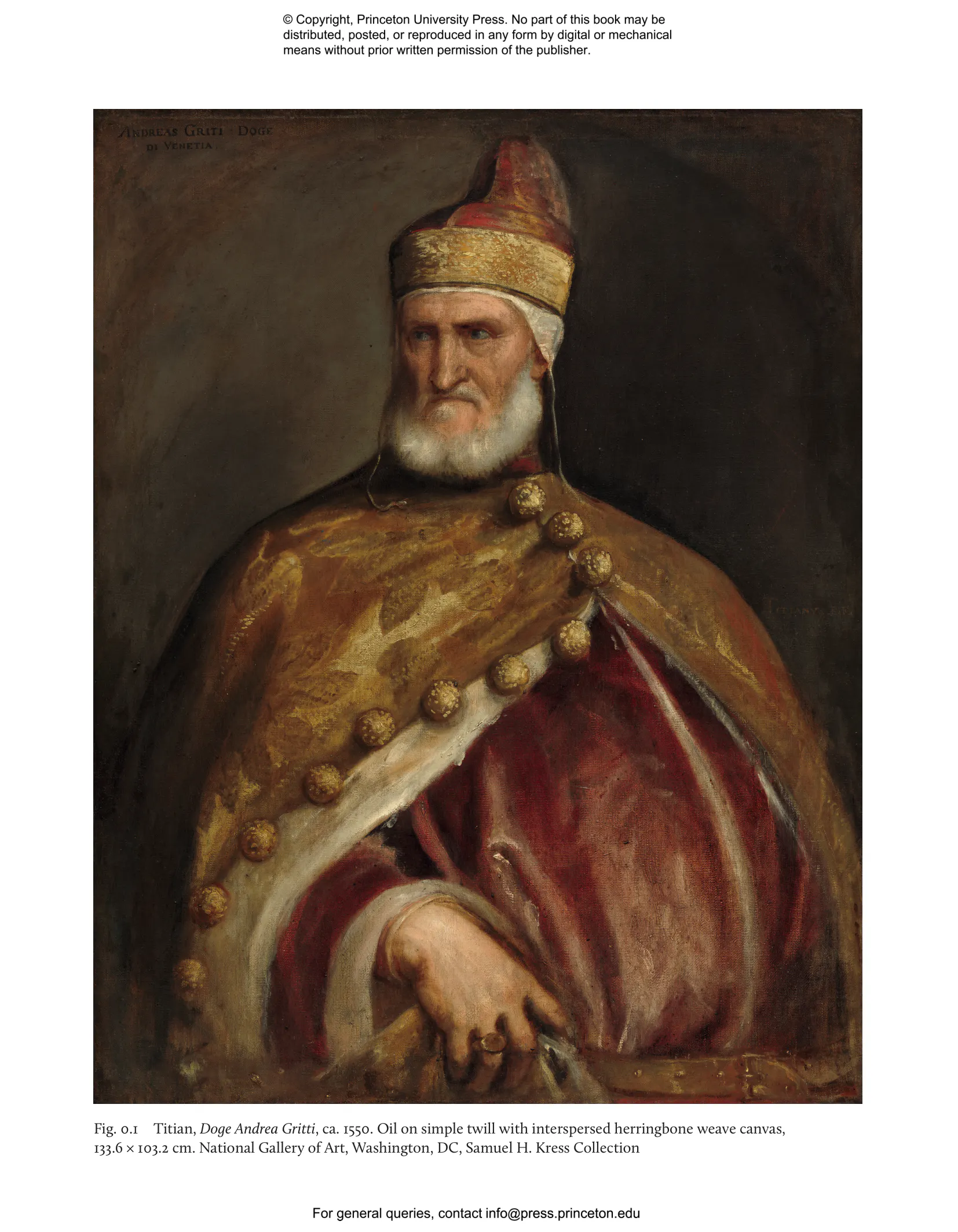
| | Frans Hals, Portrait of a Man, c. 1635, Museum Boijmans van Beuningen, Rotterdam, photo: Studio Tromp |
|
|
| | Rembrandt van Rijn, Johannes Wtenbogaert, 1633, Rijksmuseum, Amsterdam |
|
|
|
|
|
|
|
|
|
|
|
|
Presented together for the first time The exhibition at the Frans Hals Museum is the first to be devoted entirely to these two masters: from their imposing group portraits of regents and regentesses to their charming paintings of less well-to-do persons. It is striking that, over the years, both artists have evolved from a relatively smooth style to an increasingly loose brushstroke. At the same time, they often combined different styles within a single work: they tended to paint faces in a more refined manner, whilst rendering the clothing in a coarser style. Unfortunately, it is not known whether Hals and Rembrandt directly influenced one another: although they moved in the same circles, they worked in different cities – Hals in Haarlem, Rembrandt in Amsterdam. Nevertheless, they were likely aware of each other’s work: after all, both painters were already famous during their lifetimes. Nineteen masterpieces With fourteen works by Frans Hals, the Frans Hals Museum holds the world’s largest collection of paintings by this 17th-century artist. Six of these are included in the exhibition; the others, such as the large militia paintings, can be seen elsewhere in the museum. In total, the exhibition features eleven masterpieces by Hals and eight by Rembrandt from various national and international collections, which have never before been displayed together. Collaboration with the Rijksmuseum The exhibition was made possible thanks to an exceptionally generous loan of five paintings from the Rijksmuseum’s collection. A highlight is the arrival of Rembrandt’s Syndics of the Drapers' Guild (1662), which bears clear similarities to Hals’s portraits of the city magistrates. Rembrandt’s portrait of Haesje Jacobsdr van Cleyburg (1634) hangs alongside Hals’s stately portrait of Cornelia Voogt (1631) from the Frans Hals Museum’s own collection. Rembrandt’s Johannes Wtenbogaert (1633) will be displayed alongside Hals’ Portrait of a Man (c. 1635) from the collection of Museum Boijmans Van Beuningen in Rotterdam, which is being restored especially for the exhibition. |
|
| | National and international loans Also from the Boijmans collection is Rembrandt’s Titus at a Lectern (1655), which is displayed alongside two paintings of fishermen’s children from the collections of The Phoebus Foundation and the Royal Museum of Fine Arts Antwerp. The Mauritshuis in The Hague is lending Rembrandt’s The Laughing Man, (c. 1629-1630), which is displayed alongside Hals’ Laughing Boy with a Flute (c. 1630) from the State Palaces in Schwerin, Germany. In addition, the painting Children Playing Music (c. 1628) by Hals, on display alongside Rembrandt’s The Music Party (1626), an early work that is usually on long-term loan from the Rijksmuseum and on display at Museum De Lakenhal. The Six Collection is lending out Rembrandt’s The Girl in a Picture Frame from 1641. Intimate setting The works are presented to visitors in an intimate setting, which encourages them to view them at their leisure and, as a result, to see more. The viewer is invited to look for the similarities and differences between the works, for example in the posture, facial expressions and clothing of the subjects: ranging from serious to laughing out loud, from understated to exuberant. By looking at them in this way, you will discover more about the technical skill and emotional power of these masterpieces, through which Hals and Rembrandt achieved eternal fame. |
|
| | About Frans Hals Frans Hals (c. 1583-1666) is one of the most famous and innovative painters of the 17th century. His dynamic brushstrokes and spontaneous compositions make his work unique and have been widely emulated. In total, he produced around 220 works, including some 175 individual portraits, 6 militia paintings and 3 paintings of regents and regentesses. About Rembrandt van Rijn The Dutch 17th-century painter Rembrandt van Rijn (1606-1669) is world-famous for his emotionally charged and dramatic paintings, characterised by bold brushstrokes and stark contrasts between light and dark. He mainly painted historical scenes and portraits, but occasionally also landscapes or still lifes. In total, Rembrandt produced nearly 300 paintings and numerous prints and drawings, including almost 100 self-portraits. Practical information The Hals-Rembrandt exhibition will be on display at the Frans Hals Museum in Haarlem from 6 November 2026 to 28 February 2027. To ensure visitors have the best possible viewing experience, time slots must be booked for the exhibition. |
|
|
| |
|
|
|
|
|
|
|