One of the world’s leading private collections of European and American works on paper will go on view at the UC Berkeley Art Museum and Pacific Film Archive (BAMPFA) this summer, highlighting a major new gift to the museum’s collection. The Enduring Mark: Six Centuries of Drawing from the Gray Collection illuminates the holdings of Richard and Mary L. Gray, who assembled a remarkable collection of works spanning multiple centuries of Western art history with a primary focus on representations of the human figure. Among the more than eighty drawings featured in the exhibition are fifteen that have been donated to BAMPFA, including works by Francesco Guardi, Eugène Delacroix, Théodore Géricault, Paul Klee, Juan Gris, and Joan Miró.
Attributed to Benedetto Luti: Polyphemus, 1675–1700; BAMPFA, gift of Richard and Mary L. Gray.
The Gray Collection was established by the prominent Chicago-based art collectors and philanthropists Richard Gray (1928–2018) and Mary L. Gray, who assembled one of the most distinctive collections of European and American drawing in private hands. Spanning centuries of Western art, the collection reflects the Grays’ particular historical and aesthetic interests, with strengths in drawings from the Italian Renaissance, seventeenth-century Holland, nineteenth-century France, and the postwar United States. While their collection includes notable landscape, still-life, and abstract drawings, the large majority of their holdings are depictions of the human form, reflecting the Grays’ belief that these images—as represented through the distinctively intimate and probing medium of drawing—offer a unique window into artists’ understanding of the human condition. Their collection encompasses rare and fragile works on paper by some of the most celebrated masters in historical Western art, including Peter Paul Rubens, François Boucher, Giovanni Antonio Canaletto, Giovanni Battista Tiepolo, Georges Seurat, Vincent Van Gogh, Edgar Degas, Paul Cézanne, Pablo Picasso, Henri Matisse, Jackson Pollock, and Willem de Kooning—all of whom are represented in the BAMPFA exhibition.
The Enduring Mark is organized chronologically to illustrate the trajectory of artistic and historical influences that have shaped depictions of the human figure in Western art over the past six centuries. A particular focus of the exhibition is the variations of early figurative practices in different Italian cities during the Renaissance era, and the impacts of these movements on subsequent generations of artists elsewhere on the European continent. The vibrant artistic cultures of Bologna, Rome, and Venice are a central focus of the exhibition, given their distinctive and mutually influential roles in the development of European figurative drawing practices. Among the selected works are fifteen important drawings that are gifts to BAMPFA from Richard and Mary L. Gray.
The Enduring Mark is organized by the Art Institute of Chicago, which has published an illustrated catalog on the Gray Collection that is available to purchase in the BAMPFA store. The exhibition was previously on view at the Morgan Library and Museum in New York City; the BAMPFA presentation is curated by the museum’s Director Emeritus Lawrence Rinder.
Joan Miró: Metamorphosis, 1936, collage of cut, torn, and pasted transfer decals and newsprint, brush and black ink, watercolor, gouache, and fabricated black chalk, over traces of graphite, on cream wove paper; 29 5/8 × 35 3/4 in.; BAMPFA; gift of Richard and Mary L. Gray.
Wassily Kandinsky, Untitled, c. 1915. Watercolor and touches of opaque watercolor on ivory wove paper, 290 x 229 mm. The Art Institute of Chicago, gift of Richard and Mary L. Gray in memory of Buddy Mayer.
Twenty-five landscape drawings reattributed to Thomas Gainsborough (1727–88) will go on display for the first time in an exhibition Young Gainsborough: Rediscovered Landscape Drawings, travelling to York Art Gallery, the National Gallery of Ireland and Nottingham Castle in 2021 and 2022. Produced in the late 1740s when Gainsborough was in his early twenties, the drawings offer an intimate glimpse into the early career of one of Britain’s best-loved artists.
The drawings were previously believed to be by the painter Sir Edwin Landseer, having been acquired by Queen Victoria from his studio in 1874. They were then housed in the Print Room at Windsor Castle, bound in an album titled 'Sketches by Sir E Landseer'. In 2013, the art historian Lindsay Stainton identified one of the drawings as a study for Gainsborough’s most celebrated landscape painting, Cornard Wood(c.1748), leading to the reattribution of the drawings to Gainsborough. This discovery represents a major contribution to Gainsborough’s work as a draughtsman, and dramatically expands the number of known drawings from this early part of his career. To place the drawings in context, the exhibition will feature other paintings and drawings from Gainsborough’s early years. Visitors will gain an understanding of how Gainsborough made his drawings and experience the brilliance of his close attention to every detail in nature.
The youngest son of a cloth merchant from Sudbury, Thomas Gainsborough displayed artistic promise from a young age, and much of his youth was spent producing landscape views of his home county of Suffolk. He later excelled in the more fashionable and lucrative genre of portraiture, becoming a founding member of the Royal Academy and official court painter to George III, rivalled in prestige only by Sir Joshua Reynolds. Although portraiture brought Gainsborough wealth and fame, his preference for landscape remained a constant throughout his life. He famously wrote in the 1760s: ‘I’m sick of Portraits and wish very much to take my Viol da Gamba and walk off to some sweet Village where I can paint Landskips and enjoy the fag End of Life in quietness and ease.’
The study for Cornard Wood will hang alongside the finished painting, newly conserved and loaned by The National Gallery, London, uniting the painting with its preparatory drawing for the first time since they were last together in Gainsborough’s studio. The drawing offers a fresh glimpse into Gainsborough’s creative process. He ruled a squared grid over the preparatory drawing, a common technique that allowed an artist to transfer (and enlarge) a composition square by square from a study sheet onto a larger canvas. Numbers pencilled along the lower edge of the sheet allowed him to keep track of the transfer process, while traces of oil and paint suggest that he had the drawing close to hand while working on the painting in his studio. The now-famous painting depicts an area of woodland near Great Cornard, about two miles from Gainsborough’s childhood home. In contrast to his formal society portraits, which tended to depict landed gentry within their private estates, the subject here is common land, shown bustling with local people gathering wood and grazing animals. The richly coloured and affectionately painted scene reflects both Gainsborough’s observational skill and his deep love of the Suffolk countryside.
When conservators at Windsor Castle removed the drawings from their album in preparation for the exhibition, four of the sheets were discovered to have further drawings on the reverse, where Gainsborough used both sides of the paper to experiment with compositions. One is a small study of the head of a young woman, in the slightly naive figure style of Gainsborough’s early portraits. The sheet will be displayed double-sided in the exhibition, encapsulating the fluidity with which Gainsborough switched between - and often combined - portraiture and landscape as he sought to make his mark on the British art scene.
A section of the exhibition will explore the decisive formative influence that Dutch landscape painting had on the young Gainsborough, having been employed by an art dealer in London to restore and copy works by 17th-century artists such as Jacob van Ruisdael and Jan Wijnants. The shared features of the Netherlands and East Anglia – their flat fields punctuated with windmills and winding paths – enabled Gainsborough to incorporate Dutch motifs directly into his Suffolk landscapes. He admired the naturalistic approach of Dutch artists and emulated their depictions of brooding skies, dense foliage and fallen trees, evident in his Landscape with a Pool (c.1746-47), on loan from the Fitzwilliam Museum, Cambridge. Ruisdael’s A Pool surrounded by Trees, and Two Sportsmen coursing a Hare (c.1665), on loan from The National Gallery, London, clearly shows the influence that this artist had on Gainsborough’s approach to composition and detail.
The final section of the exhibition will consider Gainsborough’s drawing practice and use of materials. Most of the drawings are on coarse paper imported from France, usually used for wrapping and packing. This cheap paper presumably appealed to Gainsborough as its rough surface provided good friction for drawing in chalks, while its grey tone meant he could experiment with using both black and white. His chalks were held in a split-stick known as a porte-crayon and blended onto the paper using a wad of tightly rolled leather called a ‘stump’, to create subtle light effects and gradations in tone. By contrast, seven of the drawings are on a fine white artists’ paper, which came from the Netherlands, its smoother surface allowing for detailed foliage drawn in sharp black chalk, as seen in Trees beside a path winding into the distance (c.1748-50). Three of the drawings feature large brown oil stains, suggestive of an accident in the studio where a jar of linseed oil was knocked onto a pile of drawings. Gainsborough often sketched outdoors, and pin holes visible in the corners of several drawings suggest that he pinned the paper to a portable drawing board. These open-air (plein air) sketches, such as Trees beside a descending path (c.1746-48) reveal Gainsborough’s drawing process, which began with outlining trees and foliage in black chalk, before working up more detail from the centre outwards. He also made observational studies of individual plants and animals, such as A study of a tree, possibly a sycamore (c.1746-48), which would later serve as stock motifs to be drawn upon when composing studio paintings. As the Morning Herald noted in its 1788 obituary of Gainsborough, ‘nature was his teacher and the woods of Suffolk his academy.’ The beauty and immediacy of these rediscovered drawings are testament to Gainsborough’s innate talent and his enduring love of landscape.
Young Gainsborough: Rediscovered Landscape Drawings is a touring exhibition curated by Royal Collection Trust in collaboration with York Art Gallery; the National Gallery of Ireland, Dublin; and Nottingham Castle with additional works generously loaned by The National Gallery, London; The Fitzwilliam Museum, Cambridge; The Whitworth Art Gallery, Manchester; and Colchester and Ipswich Museums.
LAS VEGAS and NEW YORK – August 11, 2021 – Coinciding with Pablo Picasso’s 140th birthday this October, MGM Resorts and Sotheby’s will present a special, first-of-its-kind marquee Evening Sale of masterworks by the iconic artist from the MGM Resorts Fine Art Collection. The auction of works by Picasso, which will be conducted live from Bellagio on Saturday, October 23, marks the largest and most significant fine art auction to ever take place in Las Vegas, and comes as MGM Resorts, the world-renowned entertainment company, reshapes its public fine art portfolio, deepening its focus on diversity and inclusion.
The unique collaboration between Sotheby’s and MGM represents the first time Sotheby’s has hosted a marquee Evening Sale in North America outside its signature New York auction venue, and will feature a recreated version of the auction house’s storied saleroom in Las Vegas. As a Marquee Auction, Sotheby’s also will broadcast the sale around the world via a livestream viewable on Sothebys.com. Pre-sale exhibitions of the full selection of works to be offered at auction will take place at Sotheby’s New York galleries (September 7 - 13) and at the Bellagio Gallery of Fine Art (October 21- 23) in Las Vegas, with traveling exhibitions of select highlights planned for Taipei (September 17 - 18) and Hong Kong (October 7 – 11). All exhibitions are complimentary and open to the public.
Accompanying the auction is a four-day exhibition of luxury property specially curated by Sotheby’s, which will be on view at MGM’s ARIA resort October 21-24. The exhibition will feature a selection of the world’s finest luxury objects, including automobiles, jewelry and watches, handbags, sneakers, and much more. Property from the exhibition will be sold at auction at Sotheby’s New York at the end of October, in addition to being available for bidding online at Sothebys.com and via the Sotheby’s app. Further details about the luxury showcase at ARIA and the auction at Sotheby’s will be released in the coming weeks.
“It’s an honor to collaborate with Sotheby’s to bring this first-of-its-kind art and entertainment experience to Las Vegas and embark on this momentous auction,” said Ari Kastrati, MGM Resorts’ Chief Hospitality Officer. “We welcome millions of visitors from around the world annually throughout our resorts, giving us a tremendous platform for showcasing diverse perspectives within the art community. While diversity has long been in MGM Resorts’ DNA, we are committed to creating an even more inclusive collection that maintains the breadth of our existing portfolio while giving a greater voice to artists from under-represented communities.”
Brooke Lampley, Sotheby’s Chairman and Worldwide Head of Sales for Global Fine Art, commented: “It is a privilege to present this exemplary selection of works by Picasso from the MGM art collection in a special auction to support MGM Resorts in evolving their collection to represent a broader and more diverse group of artists. MGM Resorts is a world-class entertainment and hospitality brand known for bringing the finest experiences to their clientele, and we cannot wait to work together to bring the magic of a Sotheby’s Evening Sale to Las Vegas for the first time. As one of the most famous, beloved and accomplished artists of all time, we couldn’t imagine anyone better than Picasso to inaugurate this unique art and culture experience.”
Picasso: Masterworks from the MGM Resorts Fine Art Collection
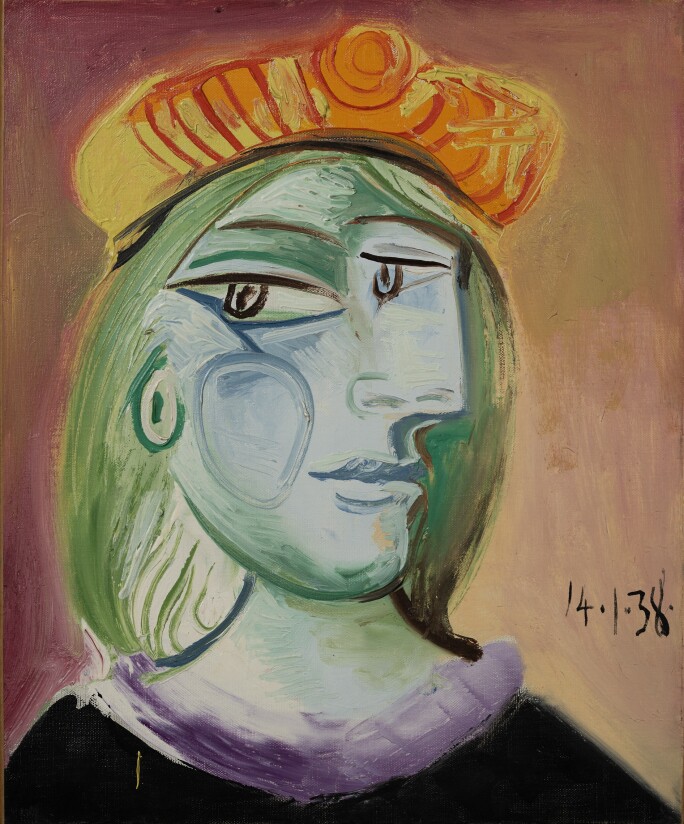
Featuring 11 works that showcase the range and breadth of Pablo Picasso’s celebrated career, the auction includes a highly curated selection of paintings, works on paper, and ceramics that span more than 50 years of artistic output from 1917 to 1969. The auction stars Femme au béret rouge-orange (estimate $20/30 million), one of Picasso’s defining portraits of Marie-Thérèse Walter, the artist’s famed muse and lover who inspired many of his most revered and iconic portraits of the 1930s. Executed in 1938, the present painting is one the artist’s final works capturing Marie-Thérèse, and marks a pivotal time after Picasso met the photographer Dora Maar, whose visage slowly began to eclipse that of Marie-Thérèse in his work. Picasso’s deeply autobiographical portraits from this period reveal characteristics of both women, and reinforce how exceedingly rare paintings of Marie-Thérèse are from this year. Adorned with her signature beret, Picasso's tender portrait uses a yellow and green palette to accentuate Marie-Thérèse’s rounded features, which are characteristic of Picasso’s portrayals of her, and further highlights how much the artist coveted this highly personal painting, which he kept in his private collection for decades.
The sale is further highlighted by two exquisite, large-scale portraits emblematic of the artist’s late period works: Homme et enfant (estimate $20/30 million) and Buste d’homme(estimate $10/15 million). Painted during one of the most inspired and productive periods of the artist’s life, from January 5, 1969 to February 2, 1970, both works were included in the monumental 1970 exhibition at the Palais des Papes in Avignon, arguably the most important exhibition of his late career. Each painting displays Picasso’s meditation on his artistic legacy, both from a personal and art historical perspective, and showcases the artist continuing to refine his mastery of portraiture in his final years of work.
Among the largest paintings ever executed by Picasso, Homme et enfant encapsulates the artist’s preoccupation with his life and legacy during this late period of his career. The two figures in the painting, a man and child, are symbols of Picasso’s artistic legacy as both a younger man and an artist working toward the end of his career, as well as his legacy as a father.
Related to his Mousquetaires series, Buste d’homme reflects on the artistic and thematic influence of Old Masters like Velazquez and Rembrandt, in which Picasso aligns himself with the monumental painters of history.
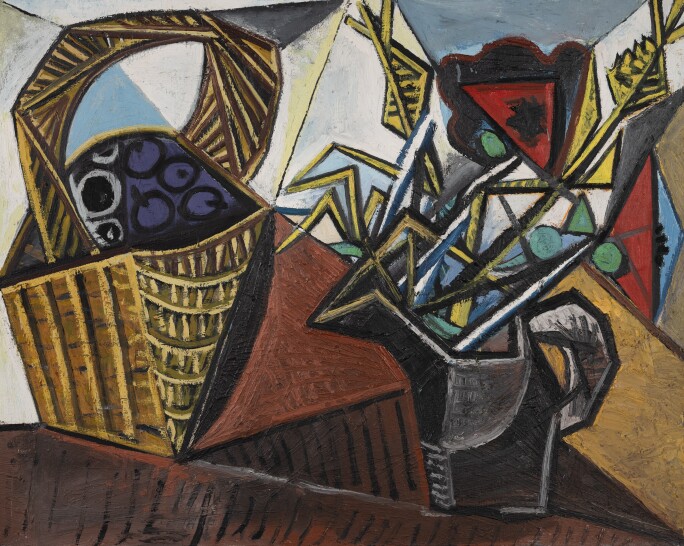
Also included in the October sale is Nature morte au panier de fruits et aux fleurs (estimate $10/15 million), an outstanding, museum-quality still life painted by Picasso during the Nazi occupation of Paris in 1942. While Picasso was barred from exhibiting his work during this time, until the historic 1944 Salon d’Automne, also known as the Salon de la Libération, he remained as prolific as ever. Without the opportunity to present his work publicly, Picasso’s experience during the occupation caused him to look inward and meditate on life and death during wartime, and his output showcased bold stylistic choices of muted tones and graphic Cubist-inspired lines that reflected his introspection. This period is considered one of the greatest and most focused of Picasso’s renowned still lifes, comparable only to his earlier Cubist period.
The sale is rounded out by several works on paper, including a portrait of the commedia dell’arte character Pierrot (estimate $2.5/3.5 million); an additional wartime still life, Nature morte aux fleurs et au compotier (estimate $6/8 million), painted in Paris in 1943; Aiguière – Visage (estimate $60/80,000), a ceramic pitcher; and much more. More details about the works being offered at auction will be released in the coming weeks.
One of the most celebrated artists of the European tradition, Rembrandt van Rijn (1606–1669) was multi-talented: a painter, draughtsman, and printmaker. Known for emotional authenticity and lifelike character expressed in all his work, Rembrandt created art that is broadly relatable and engaging. The National Gallery of Canada (NGC) presents, from July 16 to September 6, 2021, the exhibition Rembrandt in Amsterdam: Creativity and Competition, which traces Rembrandt’s development during the transformative central decades of his career, beginning with his move in 1632 from Leiden to Amsterdam.
The exhibition, organized by the National Gallery of Canada and the Städel Museum, Frankfurt, presents more than 120 works, drawn from more than 30 prestigious collections and museums from across North America and Europe, including the Museo Nacional del Prado, Madrid (Spain), the Museum of Fine Arts, Houston (USA), the Rijksmuseum, Amsterdam (The Netherlands), The National Gallery, London (UK), and the National Galleries Scotland, Edinburgh (Scotland). It brings Rembrandt’s paintings, drawings and prints into dialogue with stellar works by 20 other artists who were his friends, followers and rivals in Amsterdam, including Nicolaes Maes, Govert Flinck, Bartholomeus van der Helst, Jan Lievens, and Nicolaes Eliasz. Pickenoy.
“We are very pleased to present this remarkable exhibition to the Canadian public,’’ said Dr. Sasha Suda, National Gallery of Canada Director and CEO. “Rembrandt in Amsterdam: Creativity andCompetition is an opportunity to introduce Canadians to a world-renowned artist and his milieu: art in the Dutch Republic. While building on the NGC's distinguished record of exhibiting historical European art, this exhibition and its related programming recognize that museums today, perhaps especially in North America, must acknowledge the broader context of colonialism. Doing so promotes inclusivity and enriches our visitors’ experience.’’
“Rembrandt treated a remarkable range of subject types in an era when many Dutch artists chose to specialize”, said Stephanie S. Dickey, Ph.D., Guest Curator for the NGC, Bader Chair in Northern Baroque Art at Queen’s University and an internationally recognized authority on Rembrandt and Dutch 17th-century art, who brought the project to the NGC. “Rembrandt was a prolific teacher and mentor who developed a brand that went far beyond his own work," said Dr. Dickey. "His life story is fascinating as well, marked by triumphs and tragedies. Amsterdam was an inspirational and dynamic milieu in which dozens of talented artists were competing for attention from urban consumers. The exhibition sheds new light on the art of Rembrandt and his circle as a product of this unique creative environment.’’
The exhibition presents a rich variety of paintings, drawings and prints that treat subjects ranging from myth and history to landscapes, portraits and scenes of everyday life. Included are internationally renowned masterpieces never before shown in Canada.
The first exhibition space offers visitors an introduction to Dutch culture and commerce in Rembrandt's time, then leads to sections devoted to depictions of everyday life, portraiture, historical subjects, and landscapes, with a special section on Rembrandt as a printmaker. A final section, entitled Beyond Beauty, brings the Gallery's Old Testament Heroine together with some of Rembrandt's most intriguing images of female characters from history and myth.
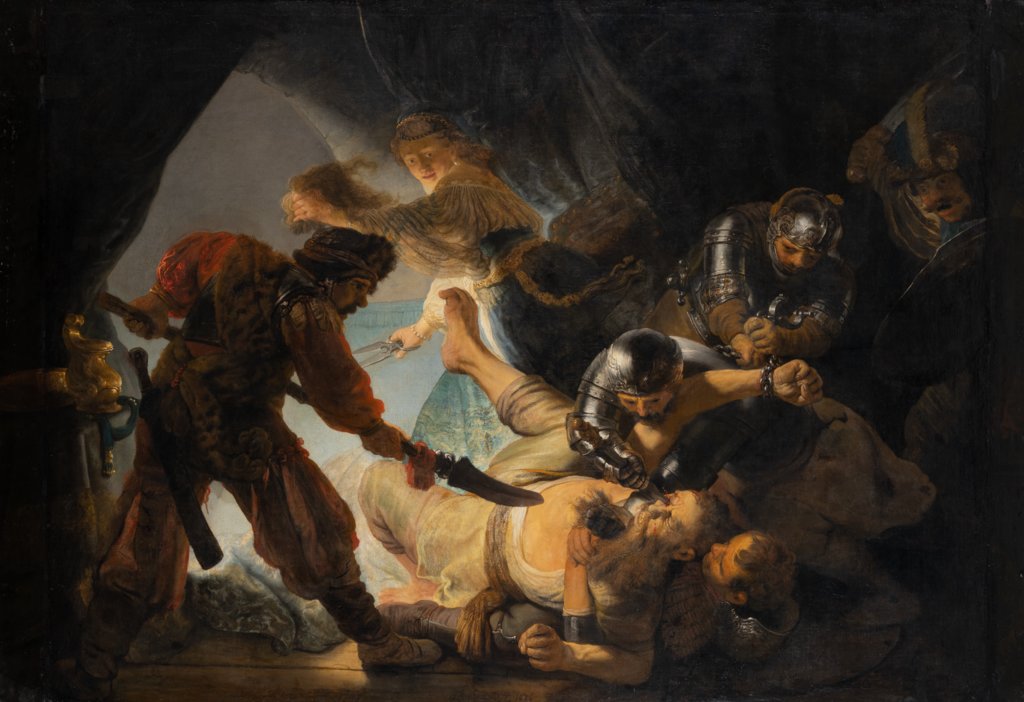
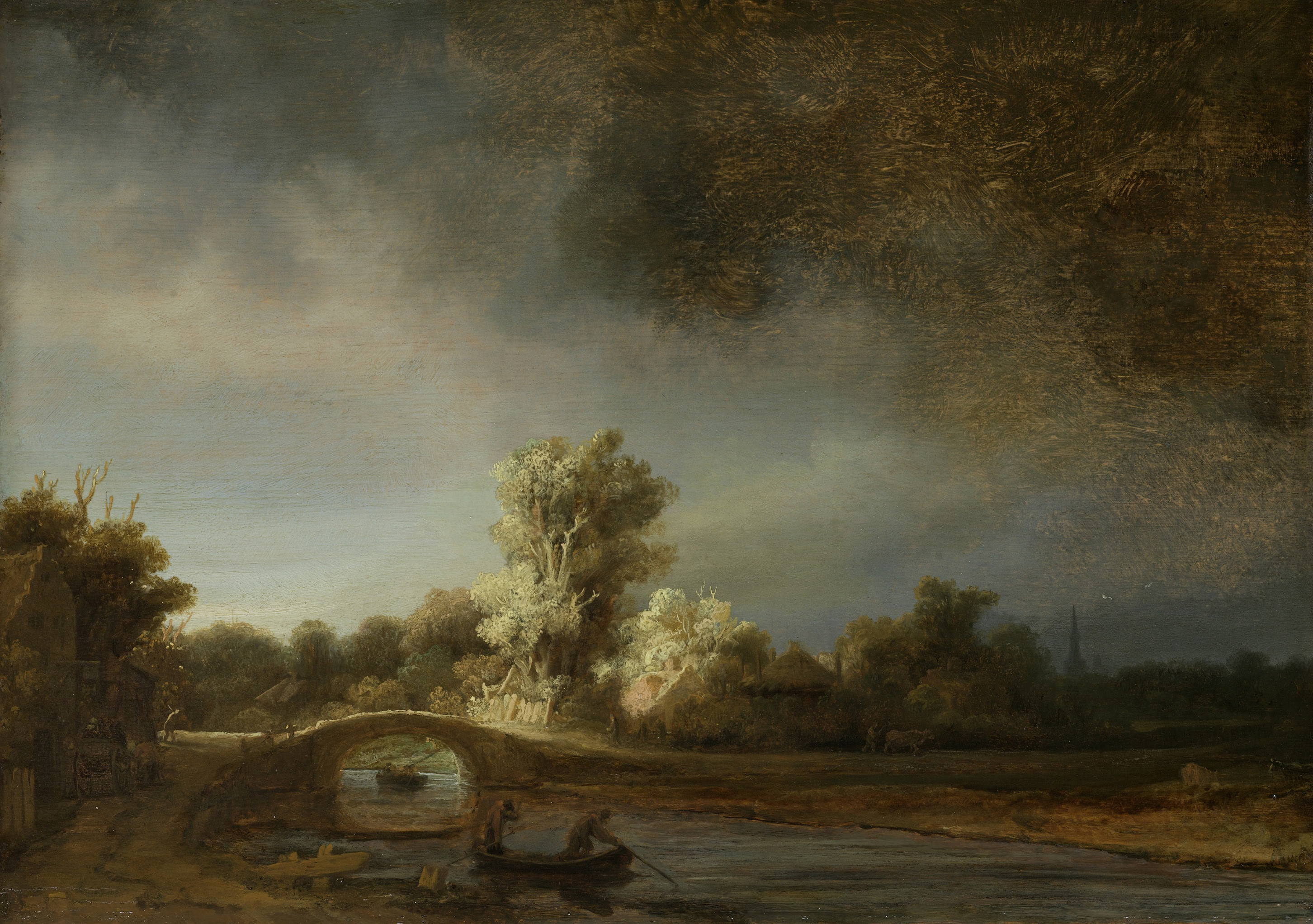
Among key works by Rembrandt presented in the exhibition are
The Blinding of Samson (1636, Städel Museum, Frankfurt),
Landscape with Stone Bridge (c. 1638, Rijksmuseum, Amsterdam),
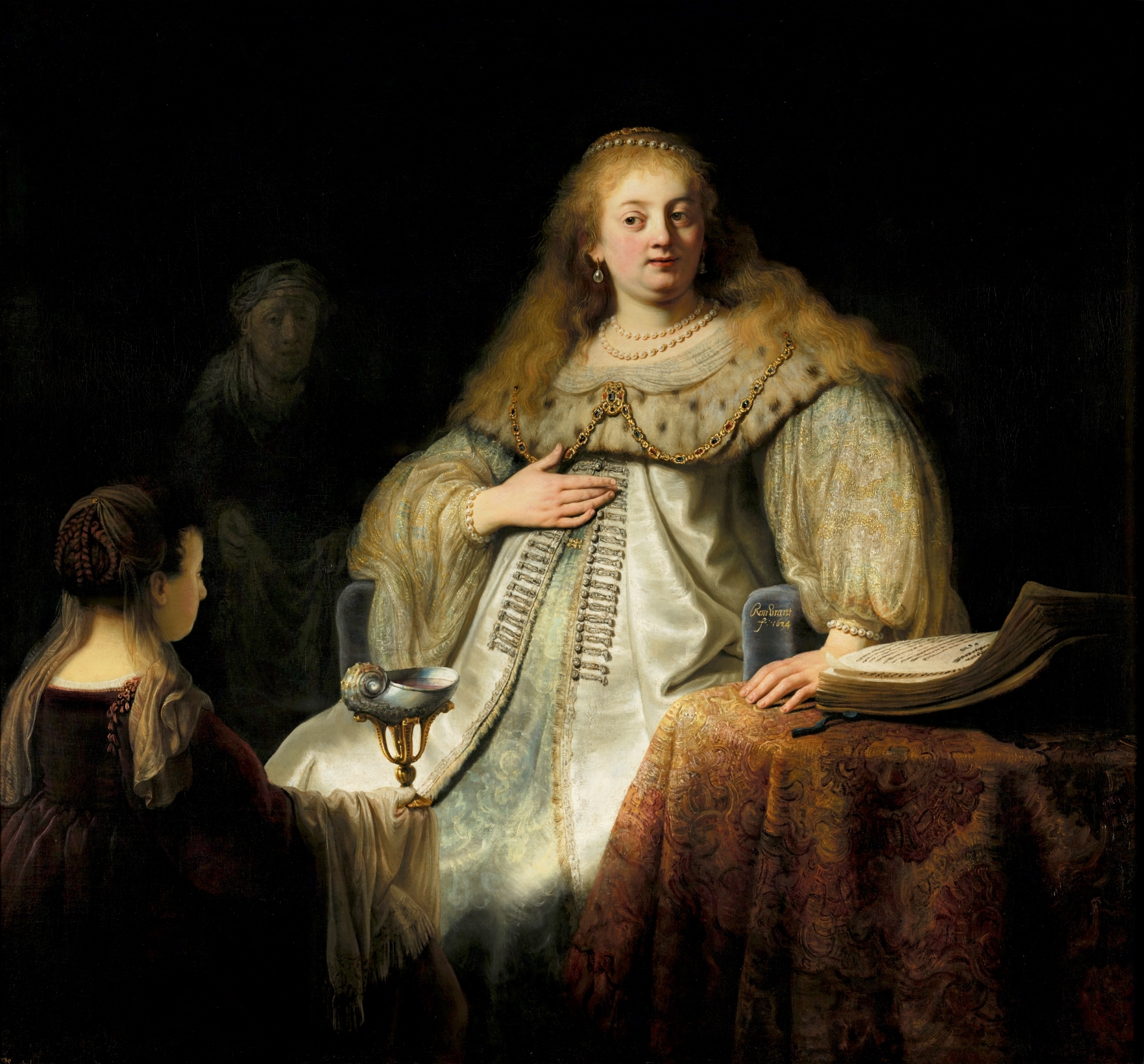
Judith at the Banquet of Holofernes (1634, Madrid, Prado), and
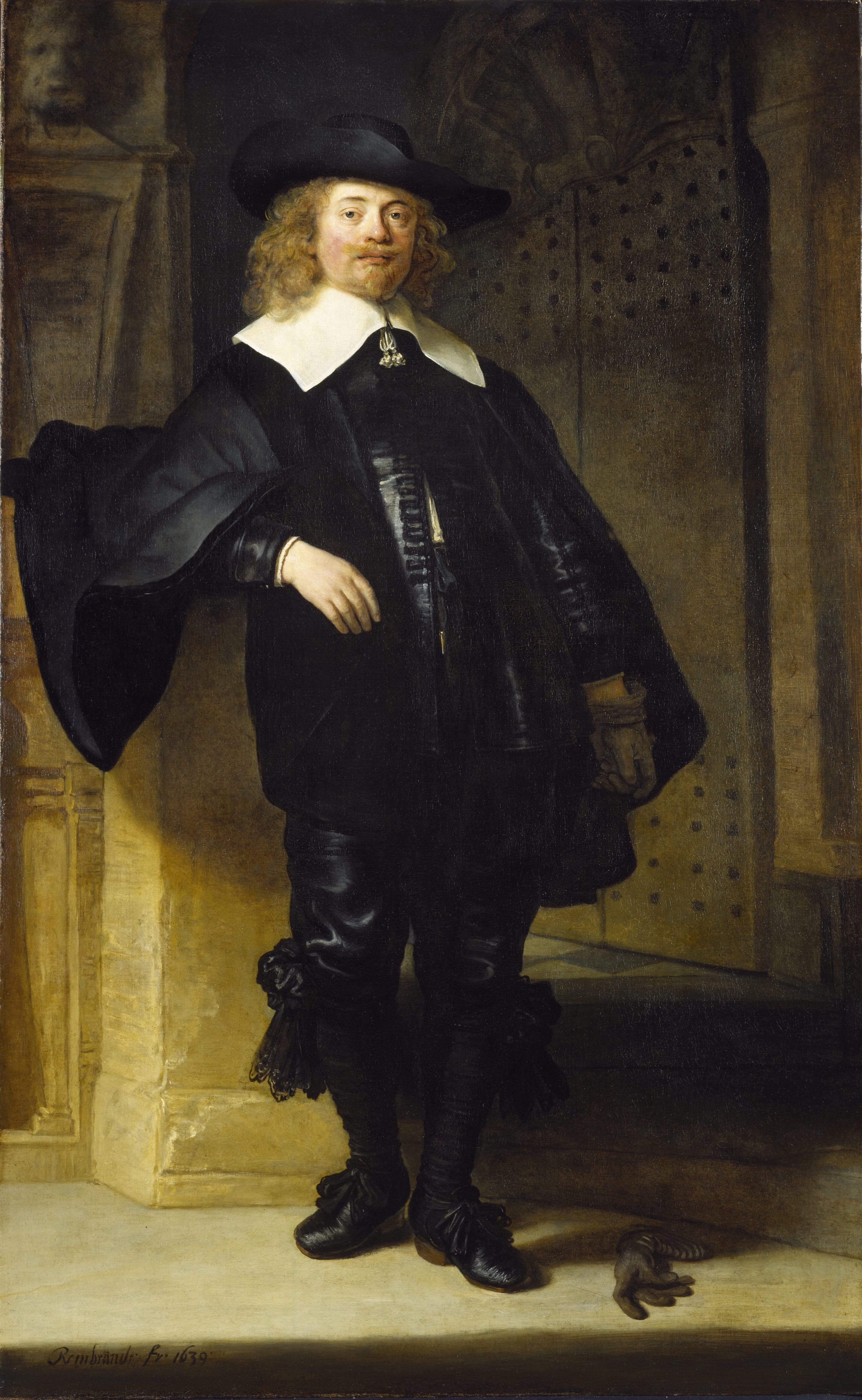
Portrait of Andries de Graeff (1639, Gemäldegalerie, Kassel).
The exhibition brings new attention to the NGC's
Old Testament Heroine, painted by Rembrandt in 1632/33, and the Gallery's outstanding collection of etchings by Rembrandt.
Rembrandt in Amsterdam: Creativity and Competition will be presented at the Städel Museum, Frankfurt am Main, Germany, in the fall of 2021.
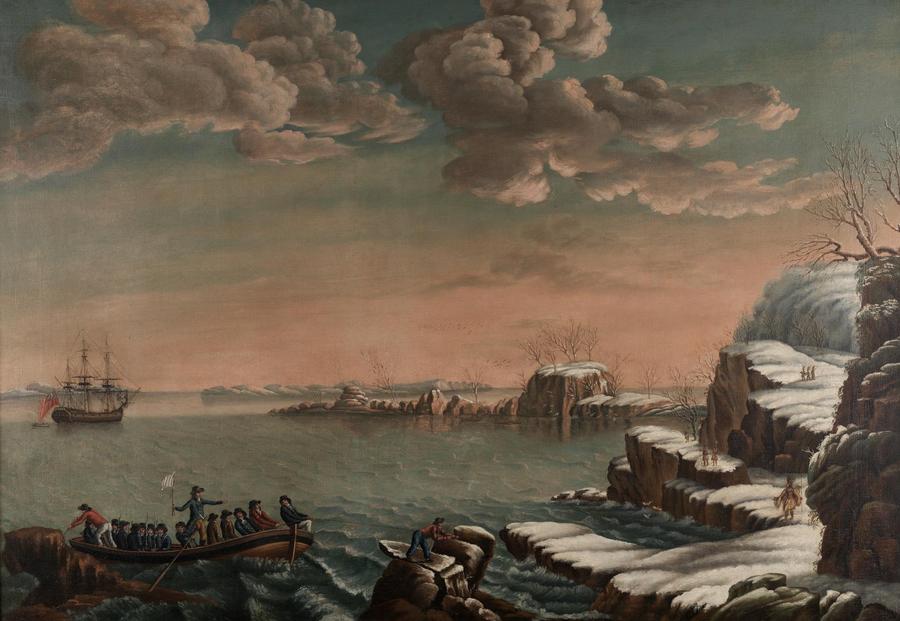
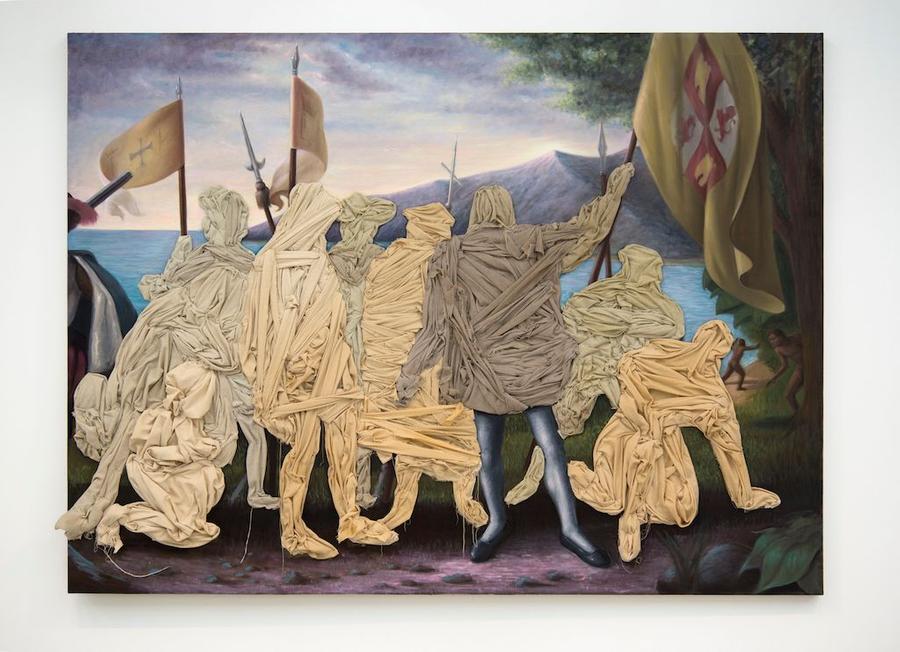
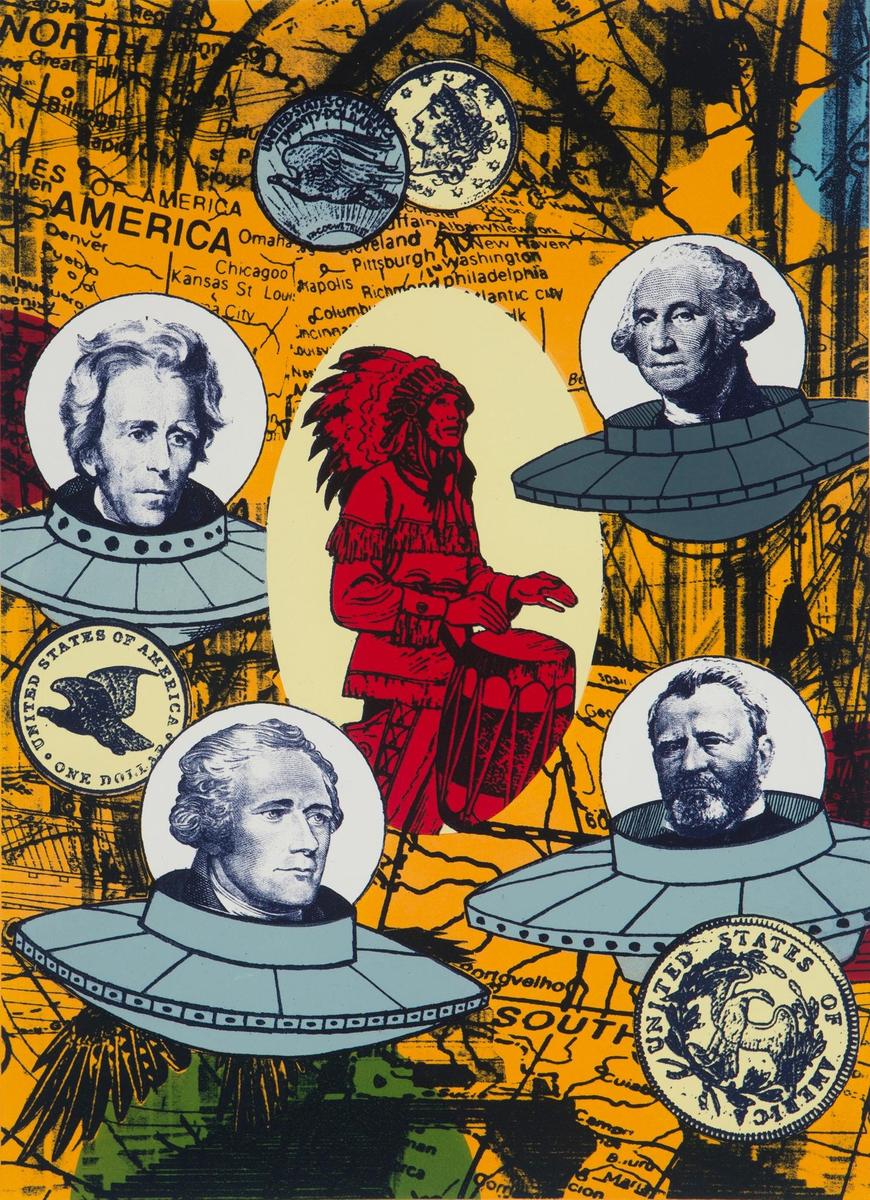
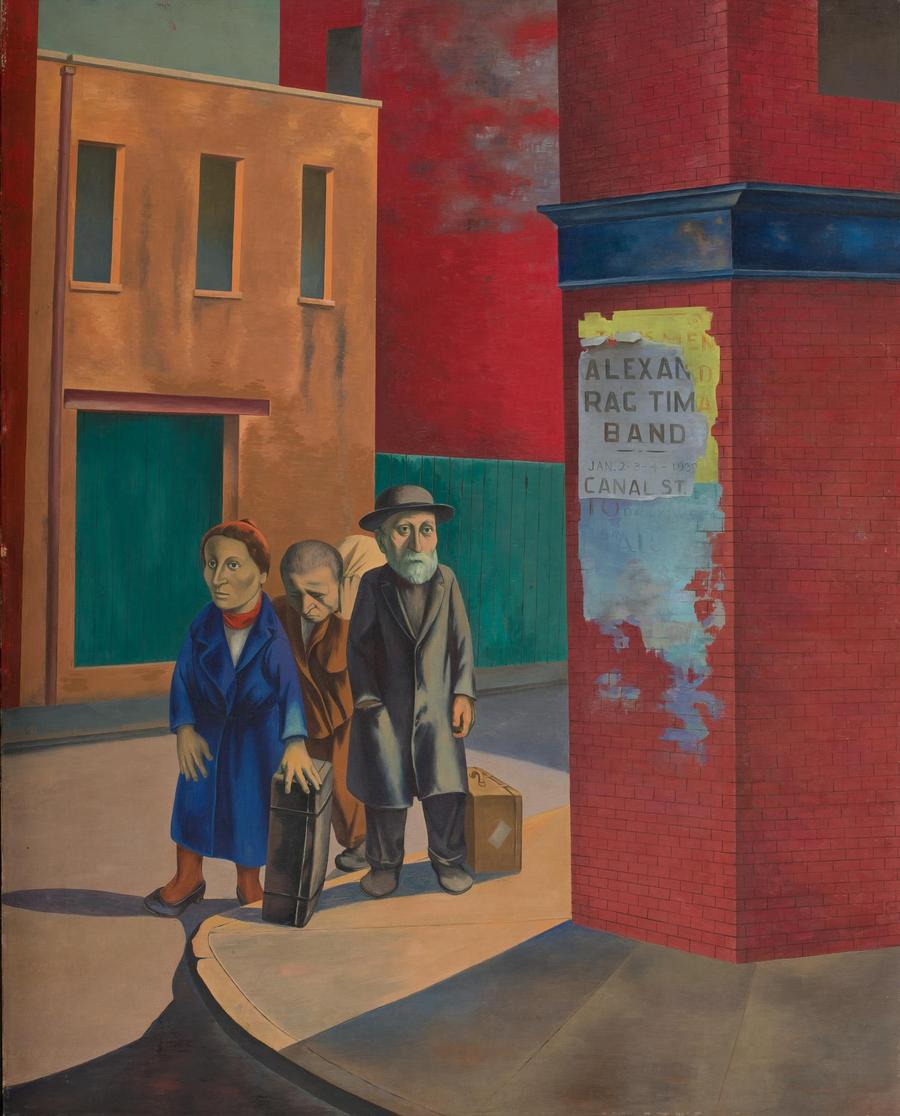
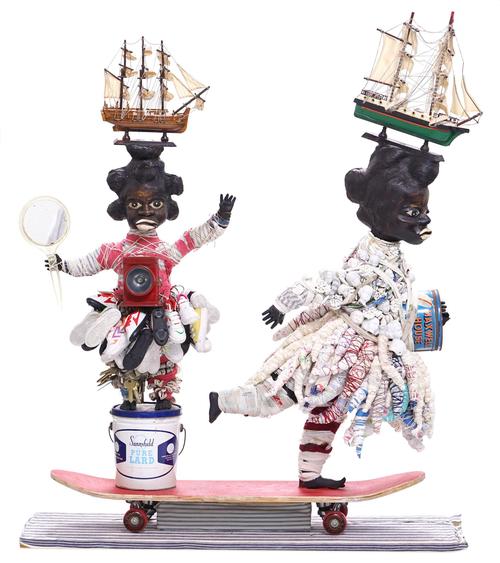
In Katonah, New York, the Katonah Museum of Art is set to present ARRIVALS, on view from October 3, 2021, to January 23, 2022. Organized around a select series of arrival moments—from Columbus in 1492 to the present day—ARRIVALS is a conversation about the stories we have told ourselves and those we have kept silent. Through five centuries of art, the exhibition explores how artists have reckoned with the myths and origin stories that have shaped American identity. In the process, the artists on view chart distinctive aesthetic paths to define ideas of heritage and belonging, navigate their own arrival stories, and hold space for a more capacious understanding for all of us of what it means to be American.
More than fifty artists are featured, including vanessa german, Titus Kaphar, Dorothea Lange, Cannupa Hanska Luger, Ben Shahn, Roger Shimomura, Jaune Quick-to-See Smith, and Kara Walker, among others.
To accompany the exhibition, the KMA's Community Gallery will give visitors the opportunity to share their own stories related to family history, immigration, and national identity, and to read about the experiences of other community members. In addition, the Museum’s Learning Center exhibition, Picture Our Journey, will feature original children’s picture book art that shares personal yet universal stories of immigration from around the globe. This hands-on, family-friendly space is open during regular Museum hours.
ARRIVALS will be accompanied by a fully- illustrated catalogue with essays by Dr. Christina Knight, Assistant Professor of Visual Studies and Director of the Visual Studies Program at Haverford College, Dr. Erika Lee, Regents Professor of History and Asian American Studies and Director of the Immigration History Research Center at the University of Minnesota, and ARRIVALS curator Heather Ewing. Ewing is Associate Dean for Administrative Affairs at New York Studio School and a research associate of the Smithsonian Institution.
More than half of the remarkable print collection belonging to Dr. Jonathan Meakins and Dr. Jacqueline McClaran is entering the National Gallery of Canada (NGC) national collection.
Lucas or Jan van Doetechum after Pieter Bruegel I, Soldiers at Rest (Milites Requiescentes), c. 1555–57, from the set of 12 Large Landscapes, etching and engraving, 32 × 42.5 cm. Collection of Dr. Jonathan Meakins and Dr. Jacqueline McClaran. Photo: Denis Farley.
The two Montreal-based doctors are donating 258 Dutch and Flemish etchings, engravings, and woodcuts from the 16th and 17th centuries for the benefit of all Canadians. The Meakins-McClaran print collection of more than 450 works spans more than 500 years, from the 15th to the 20th century, and was patiently built up over four decades following an afternoon spent in a gallery full of Camille Pissarro prints at the Grand Palais in Paris. At present, it is the largest private collection of Northern European prints in Canada.
A large selection of the prints is currently on display in the exhibition The Collectors’ Cosmos. The Meakins-McClaran Print Collection, organized by the National Gallery of Canada and on view at the Gallery until November 14, 2021. The exhibition includes seven prints by Rembrandt, one of the most accomplished printmakers of all time.
It began modestly forty years ago with an attraction to Camille Pissarro’s masterful etchings, his experimentation with line and texture, and his profound empathy for his subjects. In time, their interest grew to include the great artists of northern European printmaking, such as Dürer and Rembrandt, and their focus naturally coalesced around Dutch and Flemish 16th- and 17th-century landscape and genre.
The exhibition at the National Gallery of Canada will reveal both the strength and breadth of the collection today, as well as the collectors’ love of the etched and engraved line and plate tone. The selection of prints will range from the German 15th century through the Dutch 17th century, to the 20th century in Europe and North America, and will include works by Pieter Bruegel the Elder, Albrecht Dürer, Hendrik Goltzius, Jusepe de Ribera, Jacob van Ruisdael, Jean-François Millet, and John James Audubon, among many others.
As a youth, Dr. Jonathan Meakins recalls regular visits to the Montreal Museum of Fine Arts (MMFA), where his appreciation of prints began – particularly after seeing Goya’s Disasters of War exhibition. This experience would be the foundation of a lifelong passion of collecting.
Dr. Meakins’ relationship with the MMFA would come full-circle, as years later, he would become a trustee and a member of their Acquisition Committee.
Appointed an Officer of the Order of Canada in 2000, Dr. Jonathan Meakins’ medical career served him well. He’s worn many hats: Head of Surgery (McGill University Health Centre), Chair of Surgery (both at McGill University and University of Oxford), Nuffield Professor of Surgery (University of Oxford), and Professorial Fellow (Balliol College).
Dr. Meakins is presently a member of the Prints and Drawings Committee at the Art Gallery of Ontario, recently appointed to the Acquisitions Committee - International Art Before 1945 and Ancient Art at the MMFA, as well as the Director of the Art and Heritage Centre of the McGill University Health Centre.
When he’s not working on his education – as an M.A. student in Fine Arts at Concordia University – he enjoys playing tennis, golf and duplicate bridge.
—
Dr. Jacqueline Cox McClaran B.Sc., MD, B.Th.
Dr. Jacqueline Cox McClaran has had a distinguished career in medicine. As the founder and first Director of the McGill Centre for Studies in Aging, Dr. McClaran also served as Director of Geriatric Medicine (Montreal General Hospital), Board Member (Canadian Council for Health Service Accreditation), Associate Medical Director (University of Oxford affiliated hospitals), Director of Faculty Development and Assistant Director of Clinical Studies (Oxford Medical School), and Lecturer in Medicine (Balliol College Oxford).
Outside of her career, Dr. McClaran’s interest in art – first sparked by Albrecht Dürer’s wood engravings in the Nuremberg Museum in the 60s – became a passion, which she shares with her husband, Dr. Meakins. To this day, they’ve acquired and built their very own collection of prints, many of which are displayed in their home. Dr. McClaran is the archivist of their collection.
Into her retirement, Dr. McClaran recently completed her Degree in Theology. She keeps busy with community service, church activities, golf, and she plays violin in her string quartet - which over the past year evolved into solo performances on Zoom.
The Collectors’ Cosmos: In Conversation with Dr. Meakins and Dr. McClaran:
CATALOGUE
The Collectors’ Cosmos: The Meakins–McClaran Print Collection
This beautiful and fully illustrated catalogue takes us through Dr. Jonathan Meakins and Dr. Jacqueline McClaran’s collection’s history, which began forty years ago in Paris following an afternoon in a room full of prints by Camille Pissarro at the Grand Palais.