Tuesday, August 27, 2024

Saints, Sinners, Lovers and Fools: Three Hundred Years of Flemish Masterworks


The Montreal Museum of Fine Arts 

June 8 – October 20, 2024 

The Montreal Museum of Fine Arts (MMFA) is presenting the Canadian premiere  of Saints, Sinners, Lovers and Fools: Three Hundred Years of Flemish Masterworks,  a major exhibition that showcases The Phoebus Foundation’s world-class collection  of Flemish art. Couched in timeless themes, the show transports audiences to the  Southern Netherlands during a dynamic period of social, scientific, economic and  artistic development (1400-1700). Saints, Sinners, Lovers and Fools is organized  by the Denver Art Museum and The Phoebus Foundation of Antwerp, Belgium,  and presents masterworks by celebrated artists of the day, including Hans Memling,  Peter Paul Rubens, Anthony van Dyck, Jacob Jordaens and Michaelina Wautier,  among many others. The Montreal presentation is complemented by selections  from the MMFA’s renowned collection of Flemish art. 

“We are excited for the next chapter of our Flemish masterpieces at the MMFA. This captivating exhibition is a rollercoaster ride through a rebellious 300 years of Flemish history, guaranteed to  captivate a new wave of art enthusiasts!” adds Katharina Van Cauteren, Chief of Staff of The Phoebus  Foundation Chancellery. 

“Presented first in Denver and then in Dallas, this show offers deeper insight into the different areas  of Flemish art and deals with universal timeless themes. Flanders, this small but mighty society, was  seeking to establish itself in a fast-changing, increasingly globalized world. Art played a crucial role  in this, and it’s fascinating to see that the legacy of this period persists today,” says Chloé M. Pelletier,  Curator of European Art (before 1800) at the MMFA. 

The exhibition is laid out in seven sections and features some 150 works, including monumental  paintings, sculptures, books, silverwork and maps. It begins with religious art of the 15th and early  16th century. In looking closely at these works packed with symbolism and delightful details, such as  Hans Memling’s The Nativity, or Triptych with the Adoration of the Magi by Pieter Coecke van Aelst  the Elder, the public will appreciate how Flemish citizens used images to interact with higher powers,  build community and secure their legacy. 

The next section is dedicated to portraits that celebrate the wealth and status of individuals and,  by the same token, mark the dawn of the art patron. Among the works displayed are notably Portrait  of Archduke Albert of Austria by Peter Paul Rubens, the Double Portrait of Husband and Wife Playing  Tables by Jan Sanders van Hemessen, and a work by his daughter, Catharina van Hemessen, titled  Portrait of a Lady. Following this section is a group of paintings depicting fools and foolish behaviour  that showcases how artists used humor to both moralize and entertain. 


Moving into the 17th century, subsequent sections highlight Flanders’ significance as a cosmopolitan  centre of commerce and innovation, both scientific and artistic. Navigation tools and maps join  

masterworks by Rubens and Van Dyck, international celebrities whose dramatic painterly styles spoke  to the heightened emotions of a society plagued by war and political instability. 

The exhibition ends in an immersive space inspired by art cabinets, elite collections of art found in  the homes of the upper class during this era. Often depicted in period paintings, examples of which  are on display, such spaces prefigure the modern museum and invite us to consider the range of  desires – to connect, to marvel, to possess – that led to their inception. 

CREDITS AND CURATORIAL TEAM 

An exhibition co-organized by the Denver Art Museum and The Phoebus Foundation, Antwerp,  Belgium, in collaboration with the Montreal Museum of Fine Arts. 

The exhibition is curated by Katharina Van Cauteren, Chief of Staff of The Phoebus Foundation  Chancellery. The Montreal presentation is curated by Chloé M. Pelletier, Curator of European Art  (before 1800) at the MMFA

IMAGES


Frans Snyders (1579-1657), Un garde-manger avec du

gibier, vers 1640. © La Fondation Phoebus, Anvers

(Belgique)

Frans Snyders (1579-1657), A Pantry with Game, about

1640. © The Phoebus Foundation, Antwerp, Belgium


Pieter Coecke van Aelst l’Ancien (1502-1550), Triptyque

de l’Adoration des Mages, vers 1530-1540. © La

Fondation Phoebus, Anvers (Belgique)

Pieter Coecke van Aelst the Elder (1502-1550), Triptych

with the Adoration of the Magi, about 1530–1540.

© The Phoebus Foundation, Antwerp, Belgium.


Hans Memling et atelier (1433-1494), La Nativité, vers

1480. © La Fondation Phoebus, Anvers (Belgique)

Hans Memling and Workshop (1433-1494), The

Nativity, about 1480. © The Phoebus Foundation,

Antwerp, Belgium


Jan Sanders van Hemessen (vers 1500-1556/1557),

Portrait d’Elisabet, folle de la cour d’Anne de Hongrie,

vers 1525. © La Fondation Phoebus, Anvers (Belgique)

Jan Sanders van Hemessen (about 1500-1556/1557),

Portrait of Elisabet, Court Fool of Anne of Hungary,

about 1525. © The Phoebus Foundation, Antwerp,

Belgium


Jan Massys (1509-1575), Rébus : le monde nourrit bien

des fous, vers 1530. © La Fondation Phoebus, Anvers

(Belgique)

Jan Massys (1509-1575), Riddle: The World Feeds Many

Fools, about 1530. © The Phoebus Foundation,

Antwerp, Belgium


Jan van der Straet, dit Stradanus (1523-1605), Amerigo

Vespucci redécouvre l’Amérique, de la série « Nova

Reperta » [Nouvelles inventions des temps modernes],

vers 1590. © La Fondation Phoebus, Anvers (Belgique)

Jan van der Straet, called Stradanus (1523-1605),

Amerigo Vespucci Rediscovers America, from the series

“Nova Reperta” [New Inventions of Modern Times],

about 1590. © The Phoebus Foundation, Antwerp,

Belgium


Pierre Paul Rubens et atelier (1577-1640), Diane

chassant avec ses nymphes, vers 1636-1637.

© La Fondation Phoebus, Anvers (Belgique)

Peter Paul Rubens and Workshop (1577-1640), Diana

Hunting with Her Nymphs, about 1636–1637.

© The Phoebus Foundation, Antwerp, Belgium


Hendrick de Clerck (vers 1560-1630), Denijs van Alsloot

(vers 1570 - vers 1627), Les quatre éléments dans le

jardin d’Eden, 1613. © La Fondation Phoebus, Anvers

(Belgique)

Hendrick de Clerck (about 1560-1630), Denijs van

Alsloot (about 1570 - about 1627), The Garden of Eden

with the Four Elements, 1613. © The Phoebus

Foundation, Antwerp, Belgium


Anthony van Dyck (1599-1641), Marie, l’Enfant Jésus et

saint Jean, vers 1627-1630 © La Fondation Phoebus,

Anvers (Belgique)

Anthony van Dyck (1599-1641), Mary, the Christ Child

and Saint John, about 1627-1630 © The Phoebus

Foundation, Antwerp, Belgium


Pierre Paul Rubens (1577-1640), Un marin et une

femme s’étreignant, vers 1614-1615 © La Fondation

Phoebus, Anvers (Belgique)

Peter Paul Rubens (1577-1640), A Sailor and a Woman

Embracing, about 1614-1615 © The Phoebus

Foundation, Antwerp, Belgium


Jacob Jordaens (1593-1678), La sérénade, vers 1640.

© La Fondation Phoebus, Anvers (Belgique)

Jacob Jordaens (1593-1678), The Serenade, about

1640, oil on canvas. © The Phoebus Foundation,

Antwerp, Belgium


Anthony van Dyck (1599-1641), Portrait de l’infante

Isabella Clara Eugenia en habit de clarisse, vers 1635.

© La Fondation Phoebus, Anvers (Belgique)

Anthony van Dyck (1599-1641), Portrait of the Infanta

Isabella Clara Eugenia in the Habit of the Poor Clares,

about 1635. © The Phoebus Foundation, Antwerp,

Belgium


Peeter Neeffs le Jeune (1620 - après 1675), Gillis van

Tillborch (1625-1678), Couple élégant dans un cabinet

d’art, 1652 et vers 1675. © La Fondation Phoebus,

Anvers (Belgique)

Peeter Neeffs the Younger (1620 - after 1675), Gillis

van Tillborch (1625-1678), Elegant Couple in an Art

Cabinet, 1652, and about 1675 © The Phoebus

Foundation, Antwerp, Belgium


Hans Jamnitzer (1538-1603), d’après un dessin de

Giorgio Ghisi (1520-1582) et de Luca Penni

(1500/1504-1556), Apollon et les Muses, vers 1570-

1580. © La Fondation Phoebus, Anvers (Belgique)

Hans Jamnitzer (1538-1603), after a design by Giorgio

Ghisi (1520-1582) and Luca Penni (1500/1504-1556),

Apollo and the Muses, about 1570-1580. © The

Phoebus Foundation, Antwerp, Belgium


 Catarina Ykens II (1659-1737), Vanité au buste de

femme, 1688 © La Fondation Phoebus, Anvers

(Belgique)

Catarina Ykens II (1659-1737), Vanitas Bust of a Lady,

1688 © The Phoebus Foundation, Antwerp, Belgium


Jan Cossiers (1600-1671), Un jeune homme allumant sa

pipe (allégorie de l’odorat), vers 1650 © La Fondation

Phoebus, Anvers (Belgique)

Jan Cossiers (1600-1671), A Young Man Lighting His

Pipe (Allegory of Smell), about 1650 © The Phoebus

Foundation, Antwerp, Belgium


Michaelina Wautier (1604-1689), Chacun ses goûts,

vers 1650 © La Fondation Phoebus, Anvers (Belgique)

Michaelina Wautier (1604-1689), Everyone to His

Taste, about 1650 © The Phoebus Foundation,

Antwerp, Belgium


Exclusivité de

la présentation

montréalaise


Lucas van Valckenborch (1535-1597), Un marché aux

viandes et aux poissons (Hiver), vers 1595. MBAM,

achat, fonds spécial pour l’acquisition d’œuvres d’art

non canadiennes et fonds John W. Tempest. Photo

MBAM, Jean-François Brière

Lucas van Valckenborch (1535-1597), A Meat and Fish

Market (Winter), about 1595. MMFA, purchase, special

acquisition fund for non-Canadian art and John W.

Tempest Fund. Photo MMFA, Jean-François Brière


Exclusivité de

la présentation

montréalaise


Adriaen Isenbrandt (?-1551), L’Adoration des Mages,

années 1520 (?). MBAM, don de M. et Mme Michal

Hornstein. Photo MBAM, Jean-François Brière

Adriaen Isenbrandt (?-1551), The Adoration of the

Magi, 1520s. MMFA, gift of Mr. and Mrs. Michal

Hornstein. Photo MMFA, Jean-François Brière


Exclusivité de

la présentation

montréalaise


Hendrick van Steenwijck le Jeune (1580 – vers 1649),

figures attribuées à Jan Bruegel le Vieux (1568-1625),

Intérieur d’une église gothique, 1614. MBAM, don de

M. et Mme Michal Hornstein. Photo MBAM, Jean-

François Brière

Hendrick van Steenwijck the Younger (1580 – about

1649), figures attributed to Jan Brueghel the Elder

(1568-1625), Interior of a Gothic Church, 1614. MMFA,

gift of Mr. and Mrs. Michal Hornstein. Photo MMFA,

Jean-François Brière


Exclusivité de

la présentation

montréalaise


Jan Bruegel le Vieux (1568-1625), Paysage du paradis

peuplé d’animaux et d’oiseaux dans une clairière, près

d’un étang, 1617 (ou 1615). MBAM, don de M. et Mme

Michal Hornstein. Photo MBAM, Jean-François Brière


Jan Brueghel the Elder (1568-1625), A Paradise

Landscape with Animals and Birds in a Wooded Glade

by a Pond, 1617 (or 1615), oil on copper. MMFA, gift of

Mr. and Mrs. Michal Hornstein. Photo MMFA, Jean-

François Brière


Exclusivité de

la présentation

montréalaise


Pieter Bruegel I (vers 1564 – vers 1638), Retour de

l’auberge, vers 1620. MBAM, don de la famille Maxwell

à la mémoire de Mme Edward Maxwell. Photo MBAM,

Christine Guest

Pieter Brueghel I (about 1564 – about 1638), Return

from the Inn, about 1620. MMFA, gift of the Maxwell

family in memory of Mrs. Edward Maxwell. Photo

MMFA, Christine Guest 


Monday, August 26, 2024

George Bellows: American Life in Print

 A glimpse into the everyday life and spirit of early twentieth-century America—from the perspective of a noted Ohio painter, illustrator and printmaker—will be revealed at the Cincinnati Art Museum in George Bellows: American Life in Print. This free exhibition is on view October 25, 2024–February 9, 2025.

The exhibition will commemorate the 100th anniversary of George Bellows’ (1882–1925) passing and feature 55 lithographs and drawings gifted and lent by Dr. James and Mrs. Lois Sanitato.  

Most of the works in George Bellows: American Life in Print are lithographs. Lithography is based on the fact that grease and water do not mix. An artist draws on a stone with a greasy material. The surface is then chemically treated to make the drawn image receptive to greasy printing ink, while the blank areas, when kept wet, repel the ink. The artist then presses paper onto the inked drawing to transfer the image.

Bellows was well known for his works’ social realism, an example being his scenes of boxers in the ring. Four of these works will be in the exhibition, along with intimate studies of his family and friends, snap shots of American life, atrocities of World War I and more.

“As an artist lithographer, Bellows transformed topical subjects into fine art,” shared Kristin Spangenberg, Curator of Prints at the Cincinnati Art Museum. “He advocated for lithography at a time when it was stigmatized as a commercial medium, capturing the spirit of the times with themes that were undeniably American.”

Bellows was born in 1882, in Columbus, Ohio. He attended the New York School of Art, where he studied under Robert Henri (1865–1929), a member and proponent of the Ashcan School. Henri encouraged his students to move beyond European traditions and to open their eyes to contemporary life and the transformation of the New York urban environment.

Just a few years later, Bellows garnered critical acclaim, becoming the youngest elected member to the National Academy. Financially successful, he later set up a lithograph press in his studio. Bellows eventually executed more than 190 prints in nine years.

Catalogue


George Bellows: American Life in Print
 will be accompanied by a 184-page, illustrated catalogue published by Giles Ltd. It features two essays: “Bellows, Advocate for Lithography” is an in-depth examination of 66 lithographs and drawings. A second essay explores the artist’s rise to fame in “Bellows and the ‘Art Palace of the West,’” focusing on his long-term relationship with the Cincinnati Art Museum and its Annual Exhibition of American Art.

Images


1.George Bellows (American, 1882-1925),In the Park, Dark,1916, lithograph, Gift ofHerbert Greer French, 1940.80

2.George Bellows (American, 1882-1925),The Street,1917, lithograph, Lent by Dr.James, and Mrs. LoisSanitato

3.George Bellows (American, 1882-1925),Murder of Edith Cavell,1918, lithograph, Lentby Dr. James, and Mrs. Lois Sanitato

4.George Bellows (American, 1882-1925),Self-Portrait,1921, lithograph, Lent by Dr.James, and Mrs. Lois Sanitato

5.George Bellows (American, 1882-1925),Billy Sunday,1923, lithograph, Lent by Dr.James, and Mrs. Lois Sanitato

6.George Bellows (American, 1882-1925),Dempsey and Firpo,1924, lithograph, Gift ofAlbert P. Strietmann, 1953.243

Saturday, August 24, 2024

Art and Process: Jean-François Millet, Camille Pissarro, Alfred Sisley

 On view October 24, 2024, through March 9, 2025, the Walters Art Museum presents Art and Process: Drawings, Paintings, and Sculptures from the 19th-Century Collection, an exhibition delving into the creative process through the display of preliminary sketches and finished works in the museum’s permanent collection of 19th-century French art. Drawings and sketches record choices made by an artist, however, preparatory studies often don’t survive, and those that do are rarely exhibited due to their light sensitivity. 

This exhibition provides visitors a window into the artist’s mind through 30 works on paper (pastel, graphite, charcoal, and watercolor), 23 oil paintings, and works in bronze, porcelain, and terracotta. Some of the most popular names of the period will be on display, including Antoine-Louis Barye (French, 1795–1875), Jean-François Millet (French, 1814–1875), Camille Pissarro (French, 1831–1903), Alfred Sisley (French and British, 1839–1899), and more.

“Opportunities for museum-goers to witness the artistic process—which is sometimes shrouded in such mystery—are rare. Allowing visitors the chance to explore it and better understand what an artist was potentially thinking during creation has the ability to spark creativity in all of us,” said Gina Borromeo, Interim Co-Director. “In that way, Art and Process humanizes methods of making, illustrating how artists endeavored to refine their compositions and technique. We hope this exhibition adds depth to the visitor experience, creating a place to connect not just with the art on view, but to better understand the people behind the works as well.”

In Art and Process, varying degrees of artistic approach are on view, proving there is no right or wrong way to create. The exhibition details how some creatives create detailed preliminary sketches, allowing them to execute their finished work relatively quickly, while others sketched rarely or not at all, opting instead to create from memory or directly from a subject. Others demonstrate the possibility to stay with a composition and refine works for unusually long periods of time, sometimes a decade or more. In some cases, artists signed and dated what they believed to be a finished work, later returning to the composition and covering their inscriptions when they made changes.

In the case of Barye, sketches proved to be essential to the artist’s process, allowing him to clarify a composition with reference to both live and dead animals prior to sculpting, as seen in Sketches of a Lion (ca. 1832), a preparatory work for his famous life-size statue Lion and Snake. He also created a reduced version of this work in terracotta, a relatively inexpensive and easily manipulated medium, allowing him to further work out the composition before casting it in bronze. In terracotta, he altered the snake’s head to stand more away from its coils, confronting rather than retreating from the lion, adding to the drama of the scene.

“These artworks remind us that when we encounter a display in a museum, we see only the endpoint in a dynamic process—one that may have been long and involved many twists and turns,” said Jo Briggs, Jennie Walters Delano Curator of 18th- and 19th-Century Art. “Through trial and error, the artist may have made dozens of changes along the way, resulting in a final product that looks nothing like their initial idea. This context helps the viewer see these works as more fluid and less static, proving that art is a living, breathing process—not just a painting on a wall or a sculpture on a plinth.”

Art and Process also presents visitors with the chance to see Two Students in the Life Room of the Heatherley School of Fine Art (1902) by Nellie Joshua (British, 1877-1960), creating a space for conversations about gender, access, and the artistic process. This remarkable painting offers a rare depiction of women in an art education environment in the late 19th century. At the time, women were barred from attending most fine arts schools because it was considered immoral for them to participate in “life drawing,” that is drawing undraped models, which was a foundational part of the process of learning to draw. However, Heatherley, a private art school in central London, admitted female students on equal terms with their male counterparts. Joshua’s painting of two female figures sitting in the “life room” at the school is, therefore, a comment on a woman’s right to access an artistic education and, therefore, the profession.

Art and Process: Drawings, Paintings, and Sculptures from the 19th-Century Collection is curated by Jo Briggs, Jennie Walters Delano Curator of 18th- and 19th-Century Art.


Images


The Sheepfold, Moonlight

1856–1860
Jean-François Millet (French, 1814–1875) Oil on panel
Acquired by William T. Walters, 1884–1887

2.2. The Sheepfold, Moonlight

ca. 1858–1860
Jean-François Millet (French, 1814–1875)
Charcoal on beige, moderately thick, slightly textured wove paper
Acquired by William T. Walters, before 1884


3.1. Study relating to “Study of Saint Sebastian”

1852
Jean-Baptiste-Camille Corot (French, 1796–1875) Charcoal on rough, moderately-thick,
brown wove paper
Acquired by William T. or Henry Walters

3.2. Study for Saint Sebastian

ca. 1867
Jean-Baptiste-Camille Corot (French, 1796–1875) Watercolor and graphite underdrawing on cream, moderately thick, slightly textured wove paper Acquired by William T. Walters, 1884


4. Two Students in the Life Room of the Heatherley School of Fine Art 1902
Nellie Joshua (British, 1877–1960)

Oil on canvas
Museum purchase, 2023


Camille Pissarro (French, 1831–1903), The Church at Eragny, 1884. Oil on canvas. Gift of Barbara B. Hirschhorn, Elizabeth B. Roswell, and Mary Jane Blaustein in memory of Jacob and Hilda Blaustein, 1991.

The Sower

ca. 1865
Jean-François Millet (French, 1814–1875)
Pastel and crayon or pastel on cream buff paper Acquired by William T. Walters, 1884


View of Saint-Mammès

ca. 1880
Alfred Sisley (French and British, 1839–1899) Oil on canvas
Acquired by Henry Walters, 1909


Life Dances On: Robert Frank in Dialogue

Museum of Modern Art 

September 15, 2024, to January 11, 2025


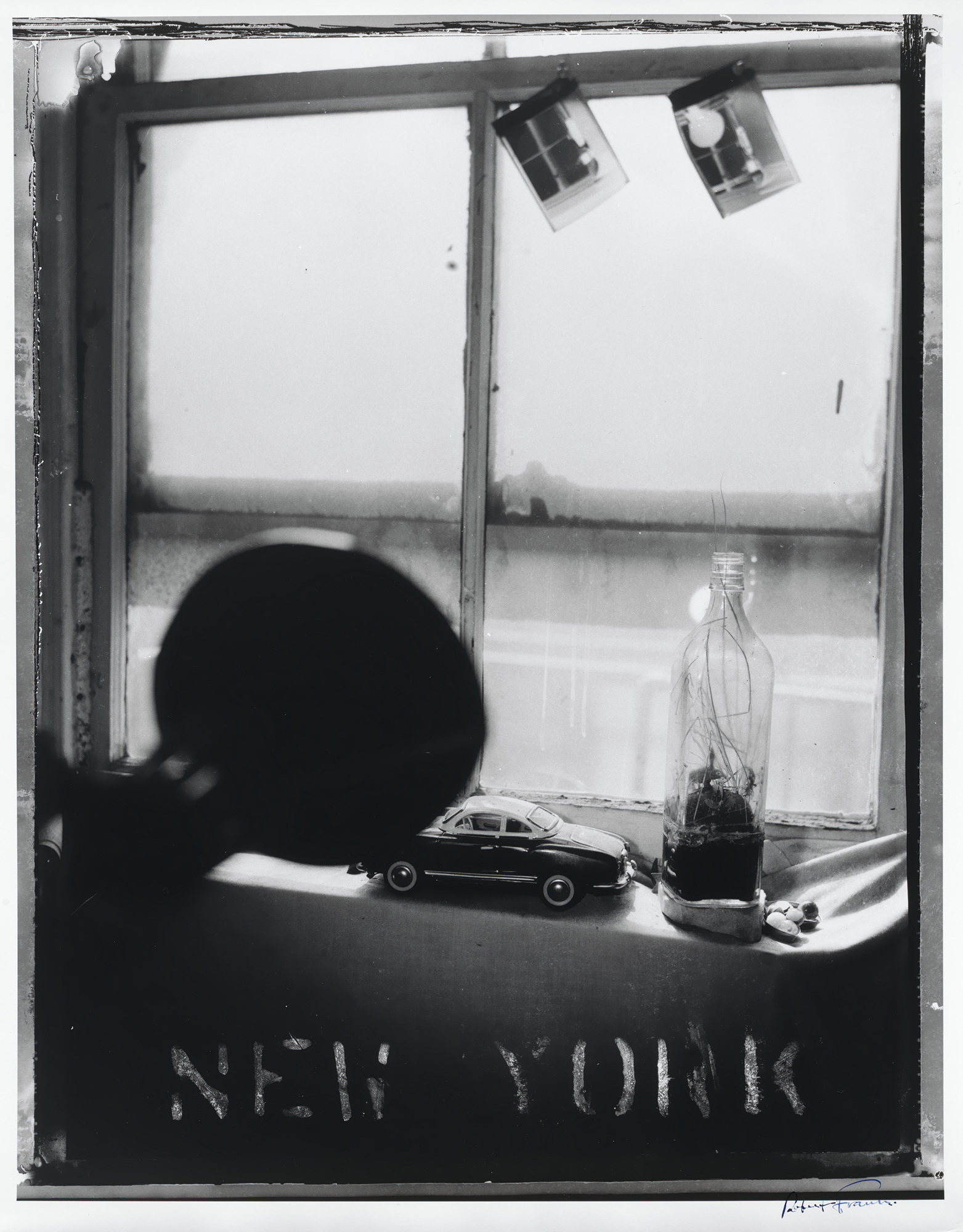
The Museum of Modern Art announces Life Dances On: Robert Frank in Dialogue, an exhibition that will provide new insights into the interdisciplinary and lesser-known aspects of photographer and filmmaker Robert Frank’s expansive career. On view from September 15, 2024, to January 11, 2025, the exhibition will delve into the six decades that followed Frank’s landmark photobook The Americans (1958) until his death in 2019, highlighting his perpetual experimentation and collaborations across various mediums. Coinciding with the centennial of his birth and taking its name from the artist’s 1980 film, Life Dances On will explore Frank’s artistic and personal dialogues with other artists and with his communities. The exhibition will feature more than 200 objects, including photographs, films, books, and archival materials, drawn from MoMA’s extensive collection alongside significant loans. 

Life Dances On: Robert Frank in Dialogue is organized by Lucy Gallun, Curator, with Kaitlin Booher, Newhall Fellow, and Casey Li, 12 Month Intern, Department of Photography. 

“This exhibition offers visitors a fresh perspective on this beloved and influential artist,” said Gallun. “The enormous impact of Frank’s book The Americans meant that he is often remembered as a solo photographer on a road trip, a Swiss artist making pictures of an America that he traversed as an outsider. And yet, in the six decades that followed, Frank continually forged new paths in his work, often in direct artistic conversation with others, and these contributions warrant closer attention. The pictures, films, and books he made in these years are evidence of Frank’s ceaseless creative exploration and observation of life, at once searing and tender.” 

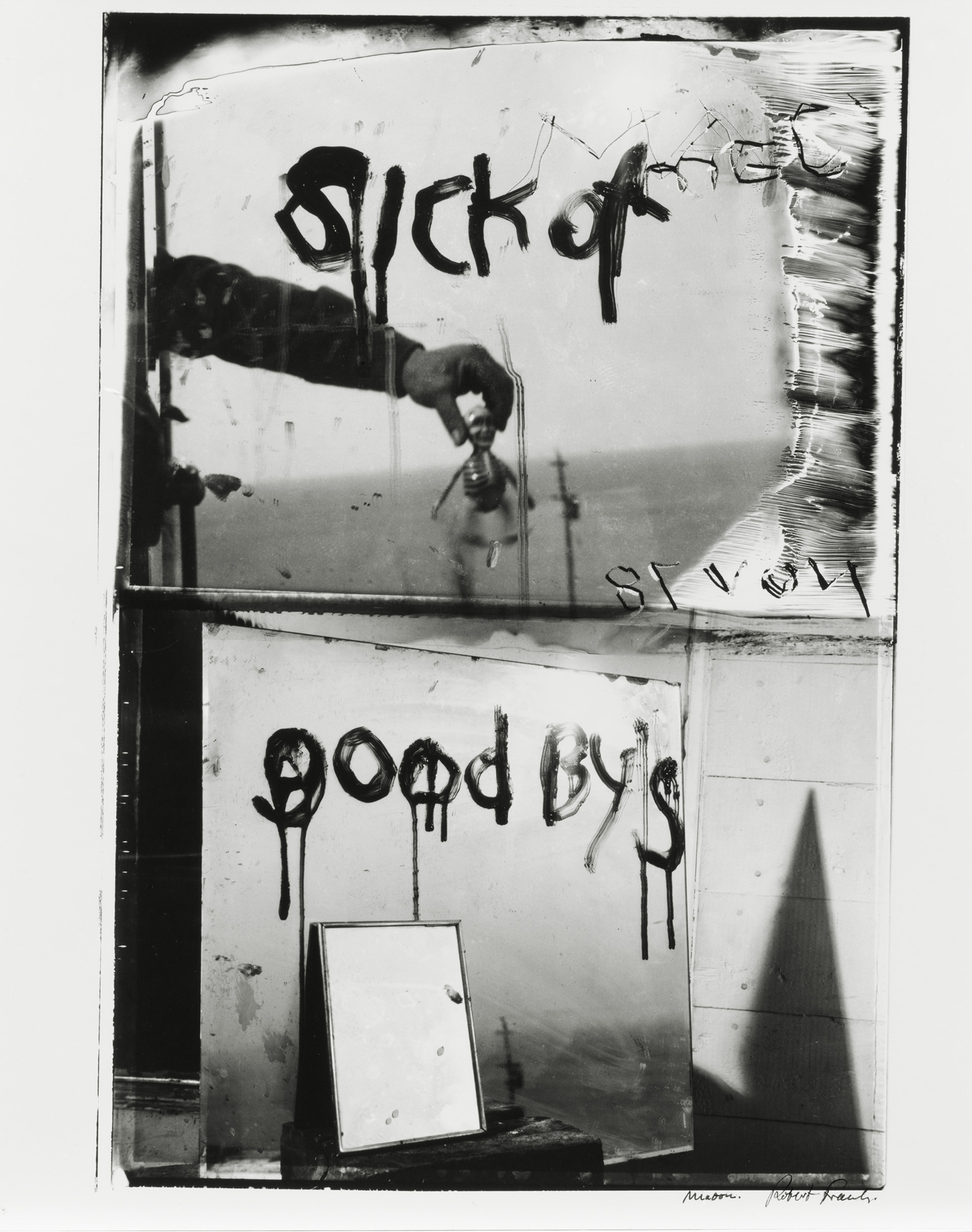
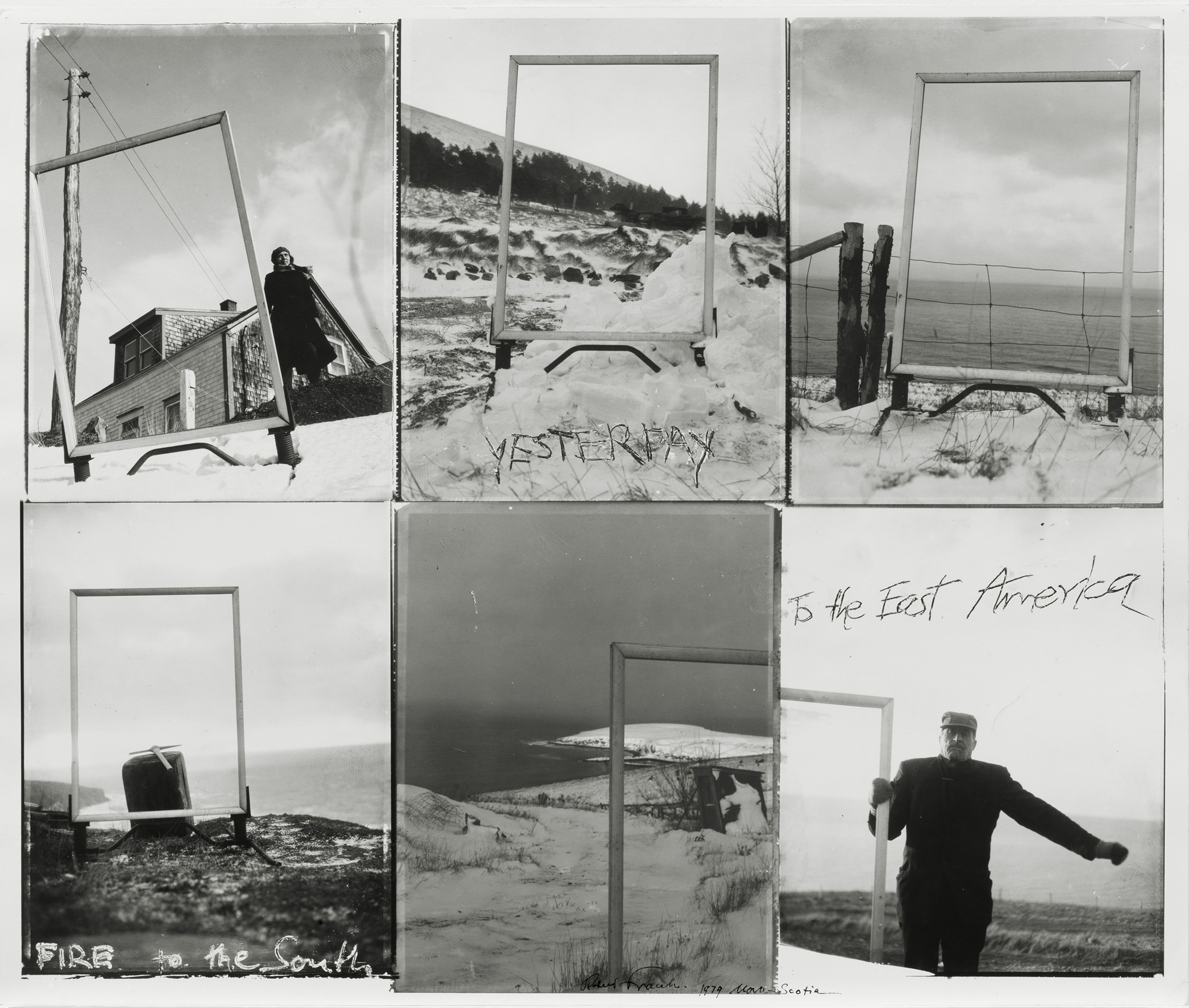
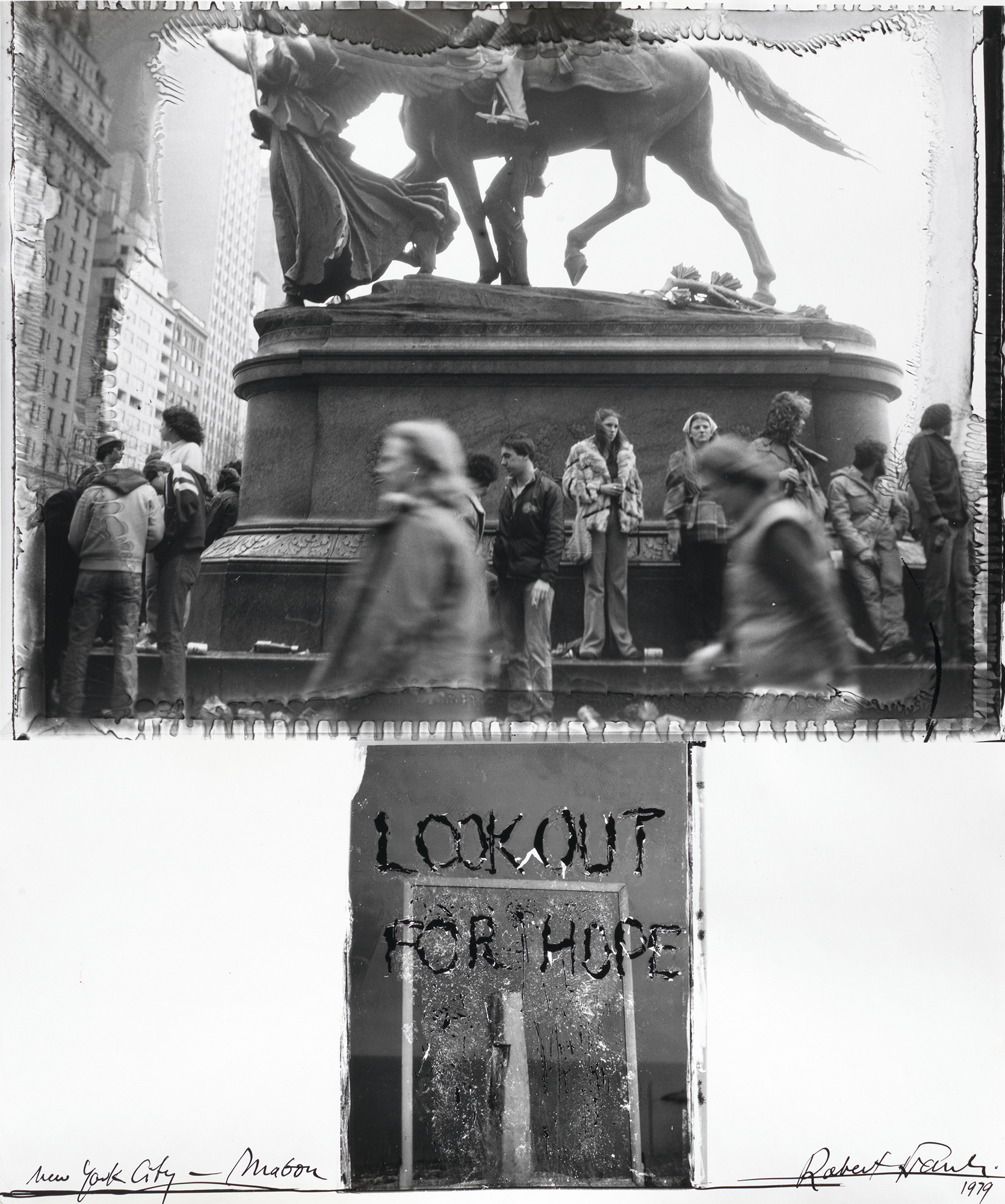
Organized loosely chronologically, Life Dances On will focus on the theme of dialogue in Frank’s work and reflect on the significance of individuals who shaped his outlook. Frank’s own words will be present throughout the exhibition—in the texts he scrawled directly onto his photographic negatives, in the spoken narrative accompanying his films, and in quotes woven into the exhibition catalogue that will be published by MoMA in conjunction with the exhibition. 

Also revealed throughout the exhibition will be Frank’s innovation across multiple mediums, from his first forays into filmmaking alongside other Beat Generation artists, with films such as Pull My Daisy (1959), to the artist’s books he called “visual diaries,” which he produced almost yearly over the last decade of his life. The exhibition will explore such enduring themes as artistic inspiration, family, partnership, loss, and memory through the lens of Frank’s own personal traumas and life experiences. 

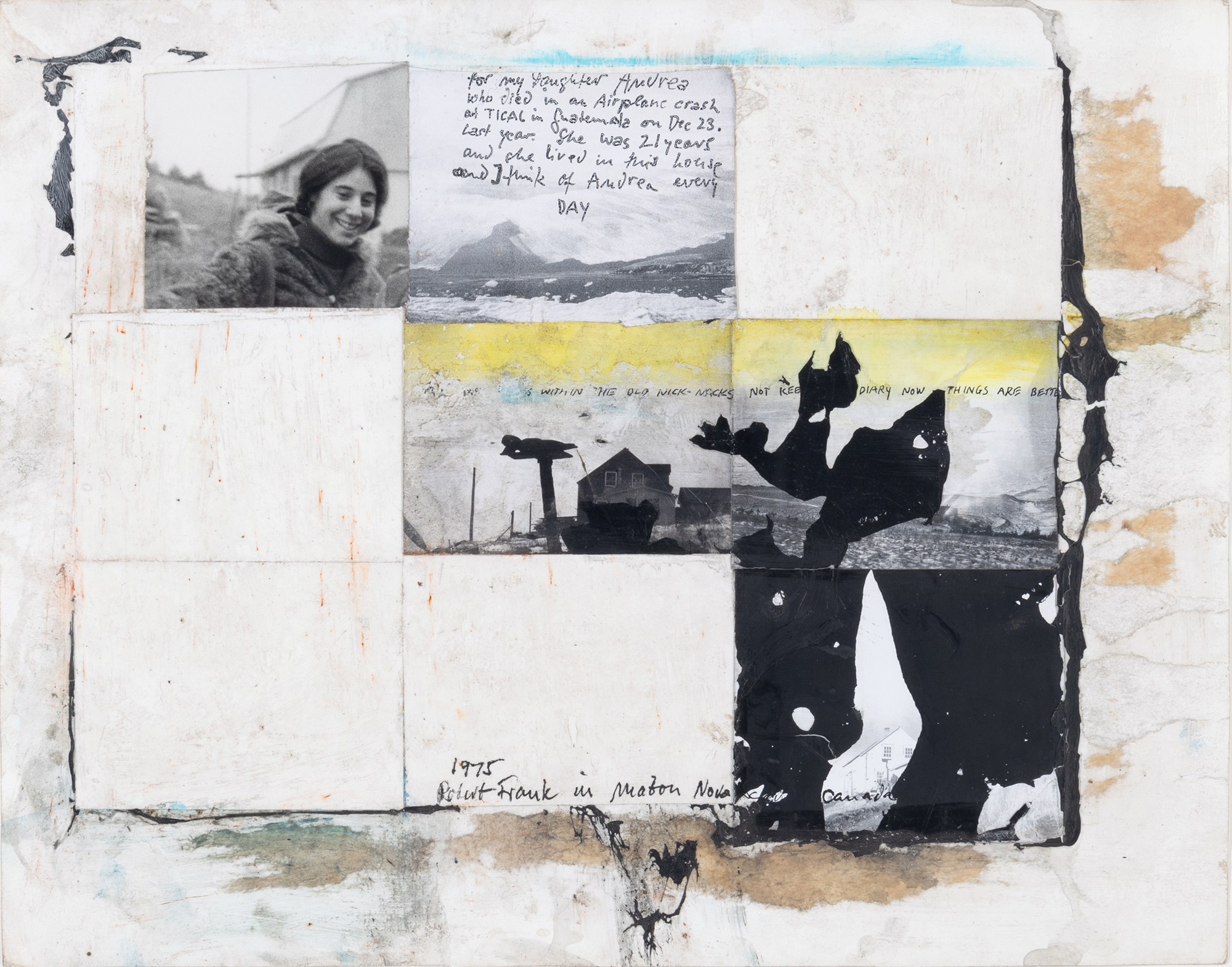
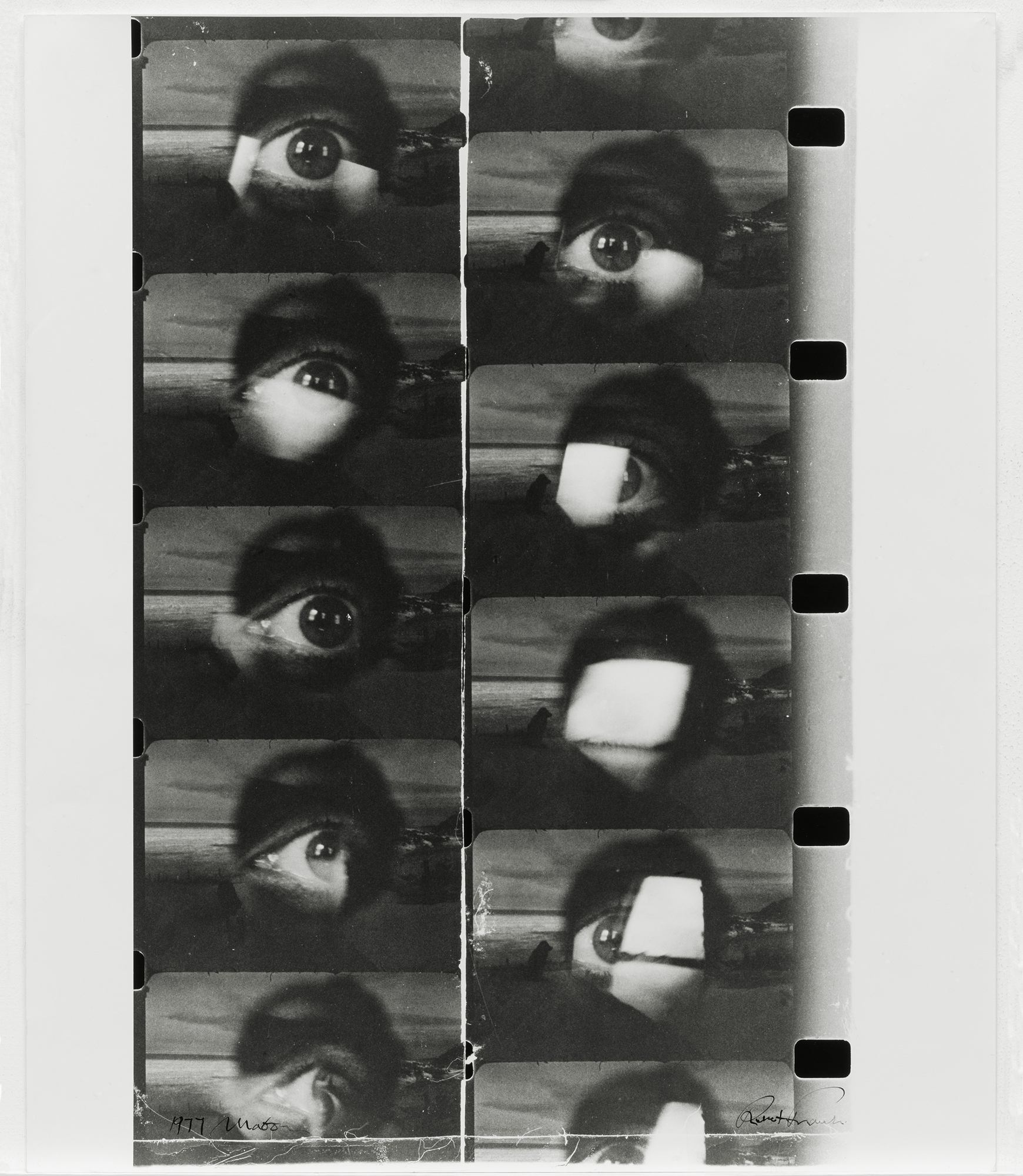
Among the works that will be presented in the exhibition is a selection of photographs drawn from Frank’s footage for his 1980 film Life Dances On. These works reflect on the significance of individuals who shaped Frank’s own outlook—in this case, his daughter Andrea and his friend and film collaborator Danny Seymour. And, like much of his work, the film finds its setting in Frank’s own communities in New York City and in Cape Breton, Nova Scotia, where he and his wife, the artist June Leaf, moved in 1969. 

An abundance of material will be loaned to the exhibition by the June Leaf and Robert Frank Foundation, including works from the artist’s archives that will be shown publicly for the first time, as well as personal artifacts, correspondence, and maquettes. 

In conjunction with the exhibition, MoMA will present Robert Frank’s Scrapbook Footage, an installation in the Morita and Titus galleries, drawn from previously unseen film and video footage compiled by Frank's longtime film editor, Laura Israel, with the production designerAlex Bingham.. 

With the support of the June Leaf and Robert Frank Foundation, Israel and Bingham have crafted a multiscreen installation from newly digitized and restored materials unearthed after Frank’s death. On view for the first time, this film and video footage will present Frank’s restless experimentation and an opportunity to encounter the central figures of his life and work in New York, Nova Scotia, and beyond. On the occasion of the exhibition, 

MoMA will also present a complete retrospective of Robert Frank’s films and videos—many of them newly restored by the Museum. Robert Frank’s Scrapbook Footage is organized by Josh Siegel, Curator, Department of Film, with Lucy Gallun, Curator, and Kaitlin Booher, Newhall Fellow, Department of Photography, and the accompanying retrospective of Robert Frank’s films and videos is organized by Siegel. 

MoMA has been exhibiting Frank’s work since 1950, early in his career. In 1962, the Museum featured Frank’s work in a two-person exhibition alongside photographer Harry Callahan. Since then, the Museum has regularly collected and exhibited his work, and today the Museum’s collection includes over 200 of Frank’s photographs. That collection has been built through important gifts from Robert and Gayle Greenhill in 2013, and more recently, a promised gift to the Museum from Michael Jesselson, comprising a remarkable group of works, many of which will be presented at MoMA for the first time in this exhibition. 

In 2015, the artist made an extraordinary gift of his complete film and video works, spanning the entirety of his career in filmmaking. MoMA’s Department of Film has since been engaged in a multiyear restoration project of these materials. Building upon this significant history with the Museum, Life Dances On: Robert Frank in Dialogue will be the first solo exhibition of Robert Frank’s work at MoMA. 

PUBLICATION


The accompanying publication, edited by Gallun, features photographs, films, books, and archival materials, layered with quotes from Frank on his influences and process. Three scholarly essays, excerpts from previously unpublished video footage, and a rich visual chronology together explore Frank’s ceaseless creative exploration and observation of life. 192 pages, 150 illustrations. Hardcover.


Images


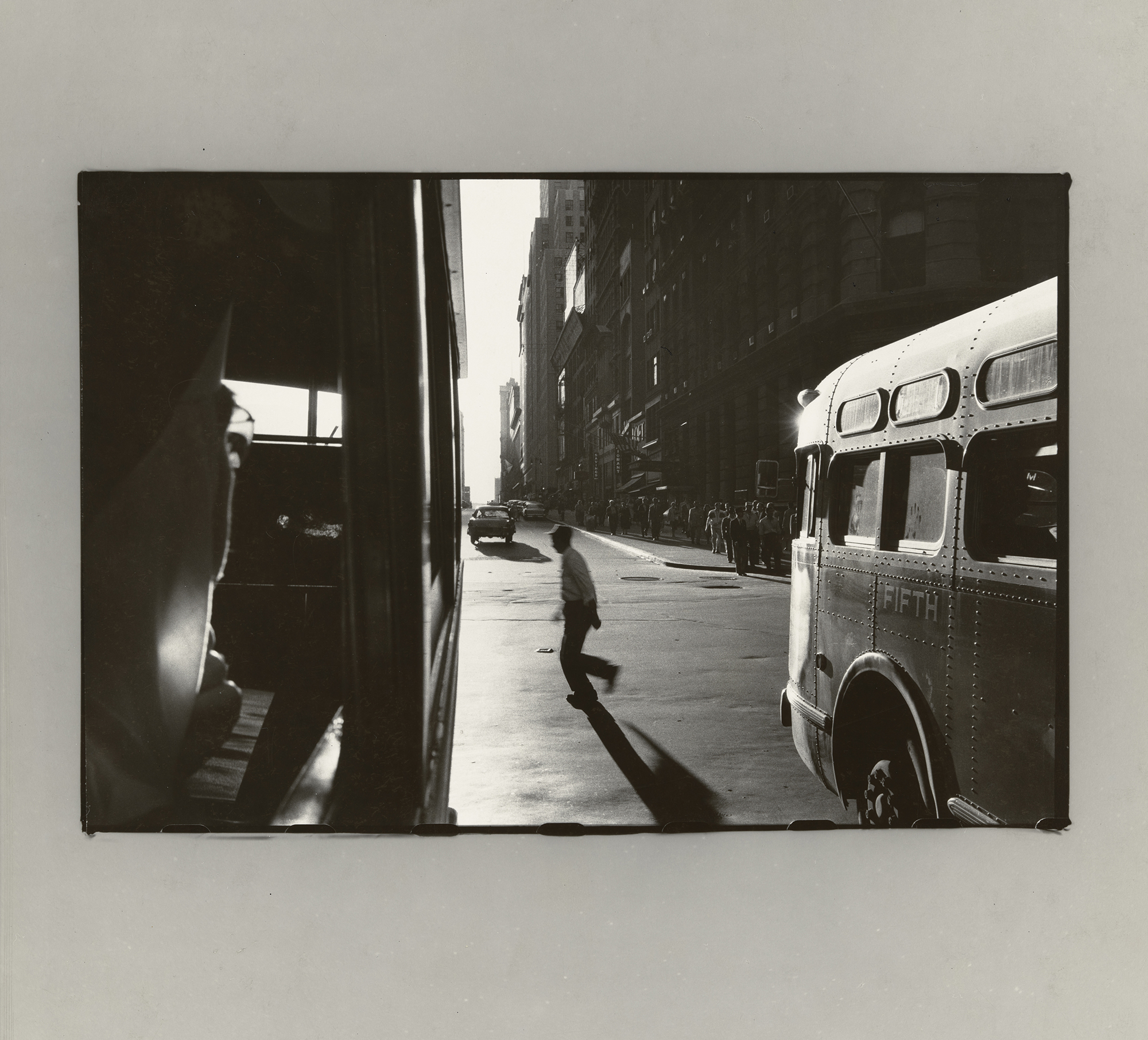
Robert Frank. From the Bus, New York. 1958. Gelatin silver print, 13 15/16 × 13 1/4″ (35.4 × 33.7 cm). National Gallery of Art, Washington, DC. Robert Frank Collection, Robert B. Menschel Fund. © 2024 The June Leaf and Robert Frank Foundation


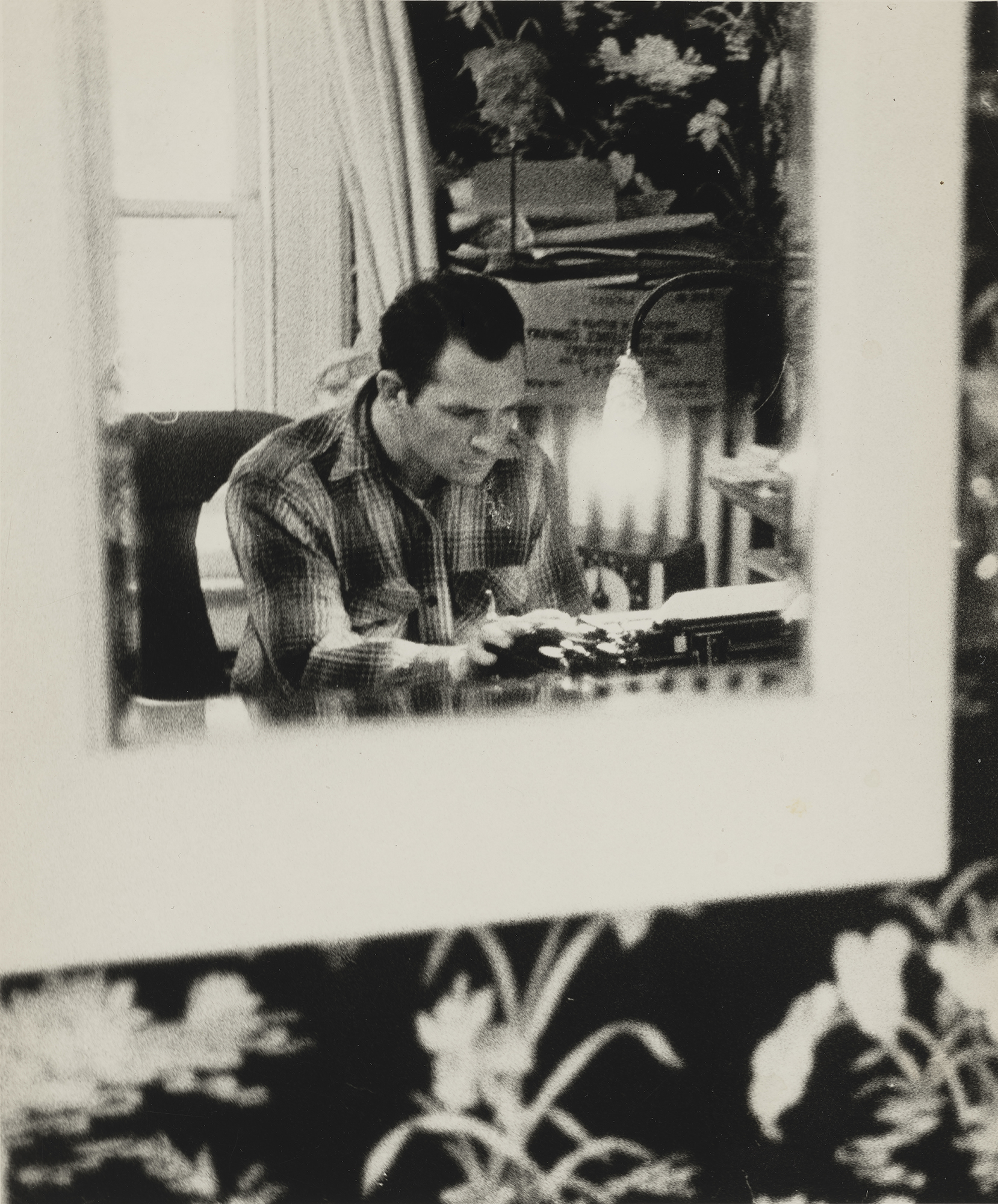
Robert Frank. Jack Kerouac. 1959. Gelatin silver print, 10 ⅞ x 8 5/16” (27.7 x 21.1 cm). National Gallery of Art, Washington, DC. Robert Frank Collection, Gift of Robert Frank. © 2024 The June Leaf and Robert Frank Foundation


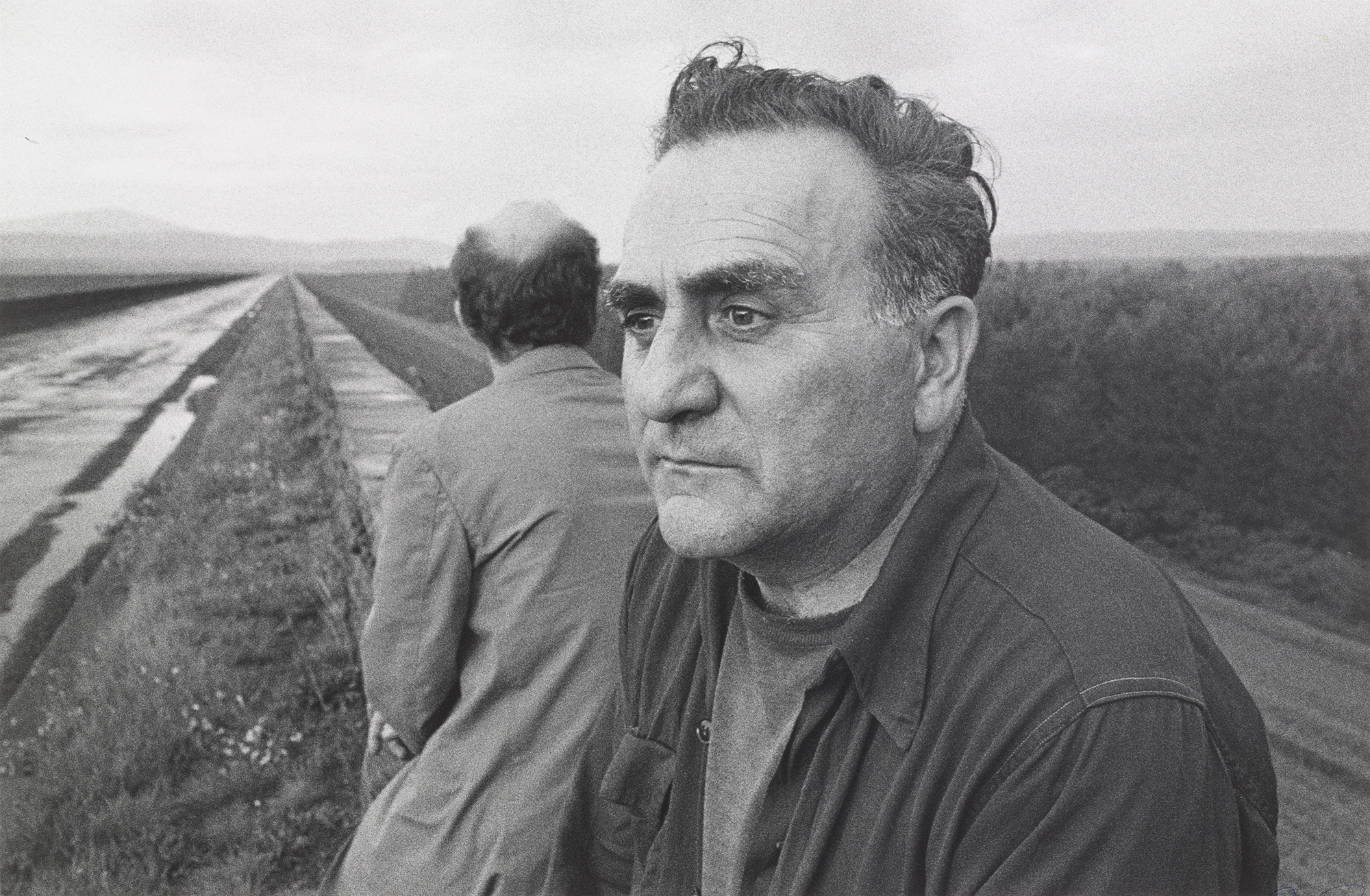
Robert Frank. Marvin Israel and Raoul Hague, Woodstock, New York. 1962. Gelatin silver print, 11 1/8 × 16 7/8″ (28.3 × 42.8 cm). The Museum of Modern Art, New York. Gift of the artist. © 2024 The June Leaf and Robert Frank Foundation


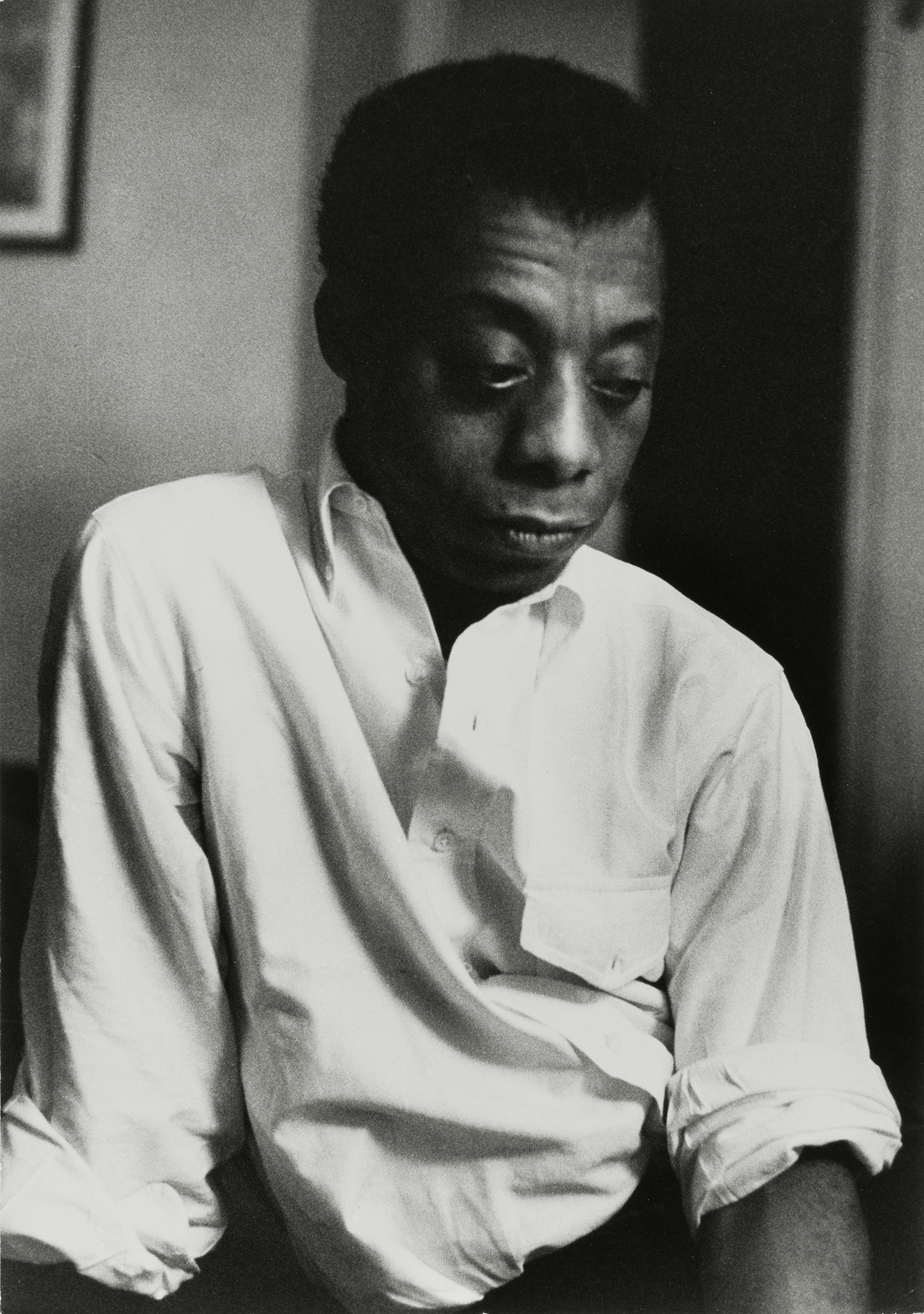
Robert Frank. James Baldwin. c. 1963. Gelatin silver print, 13 15/16 × 9 13/16″ (35.4 × 24.9 cm). The Museum of Modern Art, New York. Gift of the artist. © 2024 The June Leaf and Robert Frank Foundation


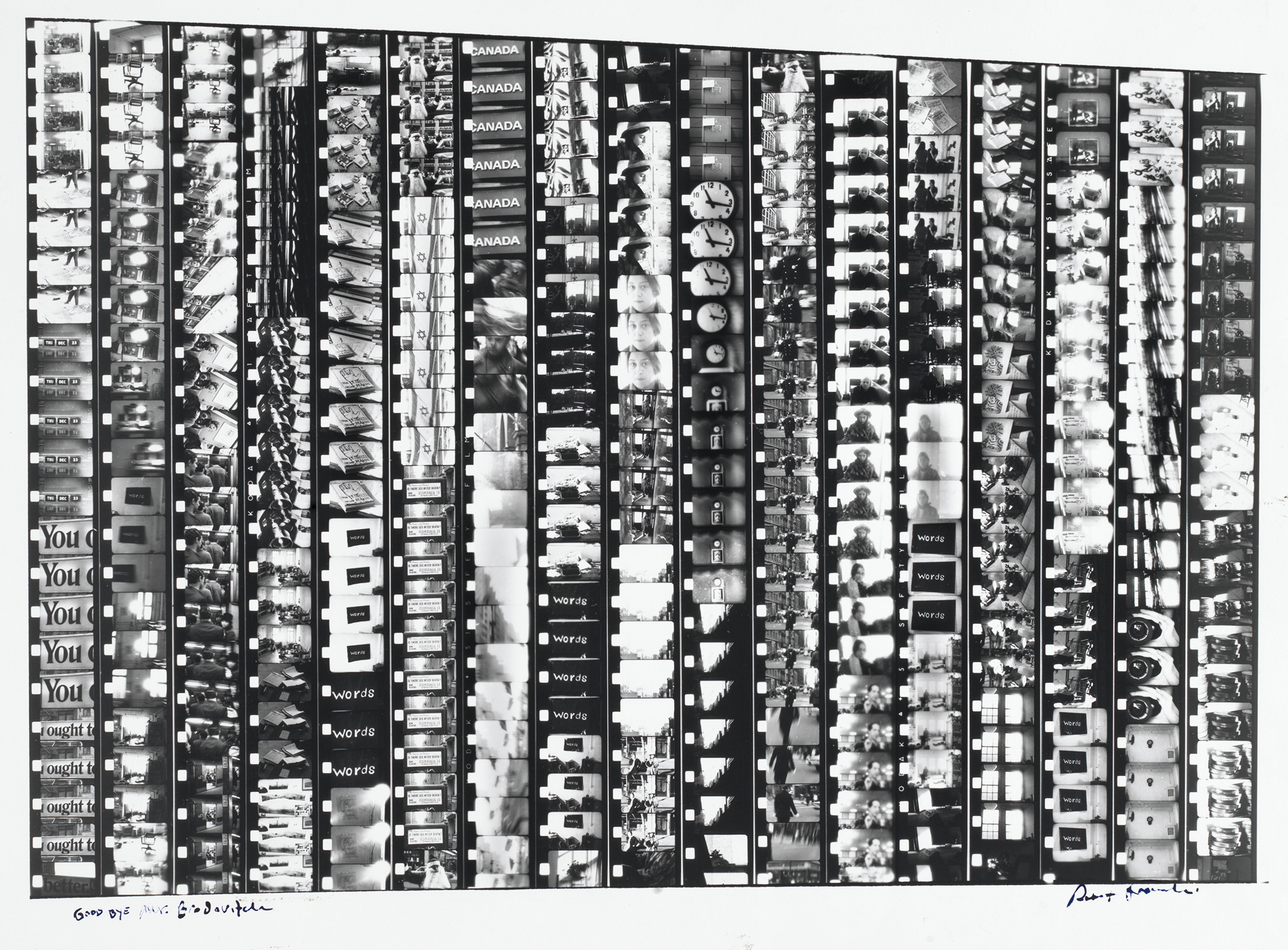
Robert Frank. Goodbye Mr. Brodovitch—I Am Leaving New York. 1971. Gelatin silver print, 15 7/8 × 19 15/16″ (40.3 × 50.6 cm). The Museum of Modern Art, New York. Promised gift of Michael Jesselson. © 2024 The June Leaf and Robert Frank Foundation


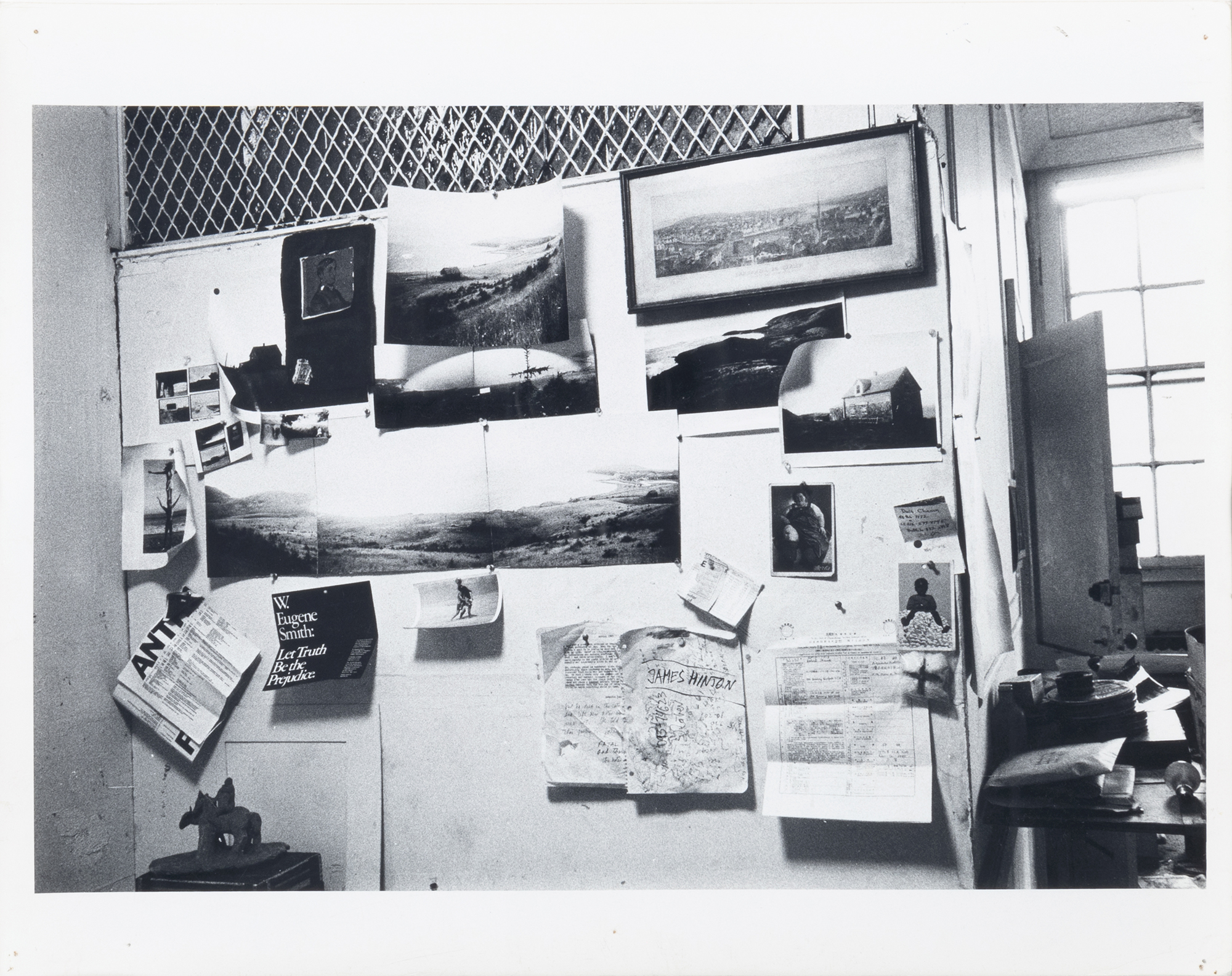
Robert Frank. Untitled (bulletin board). 1971. Gelatin silver print, 8 7/8 × 13 1/8″ (22.6 × 33.4 cm). The June Leaf and Robert Frank Foundation. © 2024 The June Leaf and Robert Frank Foundation


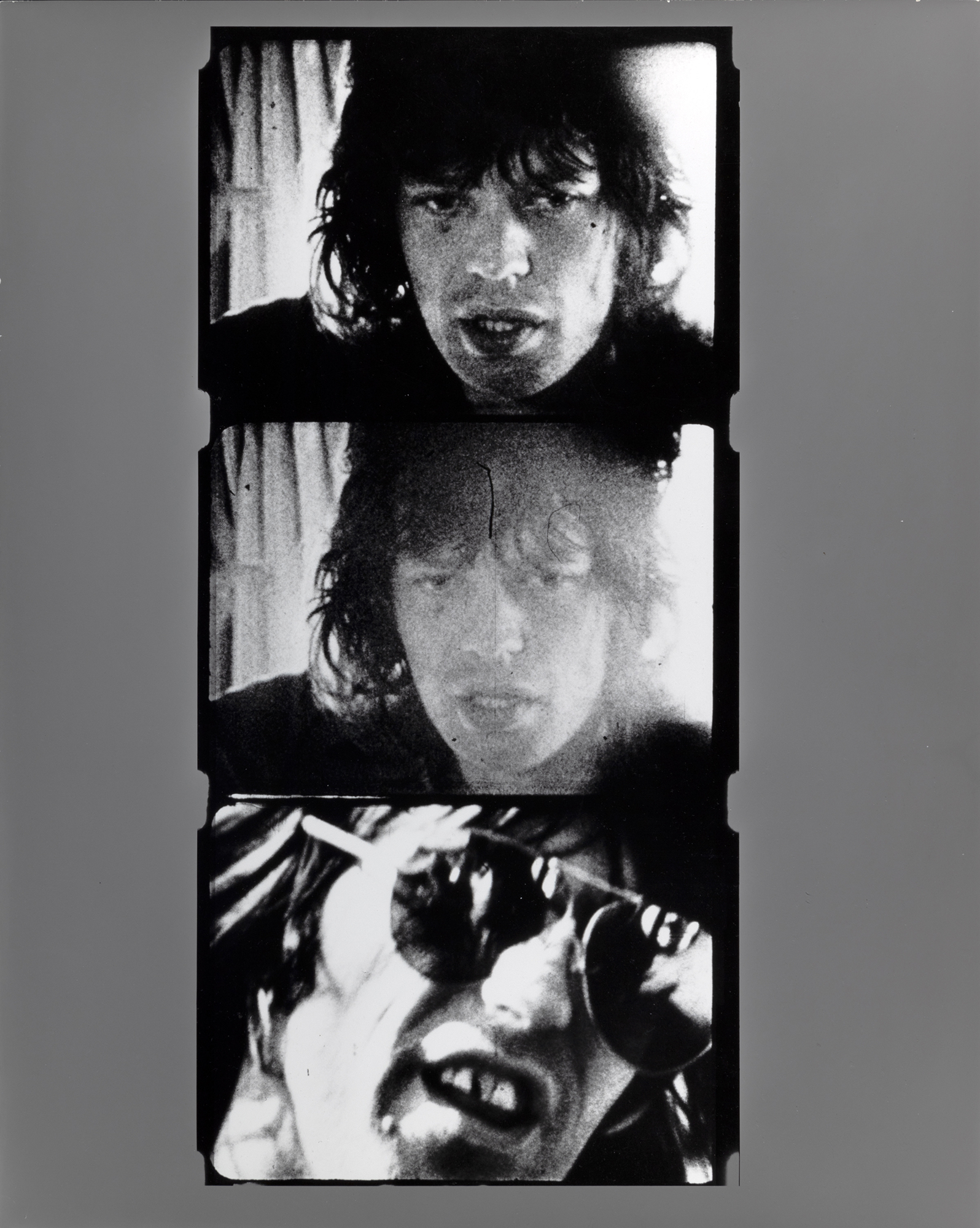
Robert Frank. Cocksucker Blues. 1972. Gelatin silver print, 19 7/8 × 15 7/8″ (50.5 × 40.3 cm). The June Leaf and Robert Frank Foundation. © 2024 The June Leaf and Robert Frank Foundation


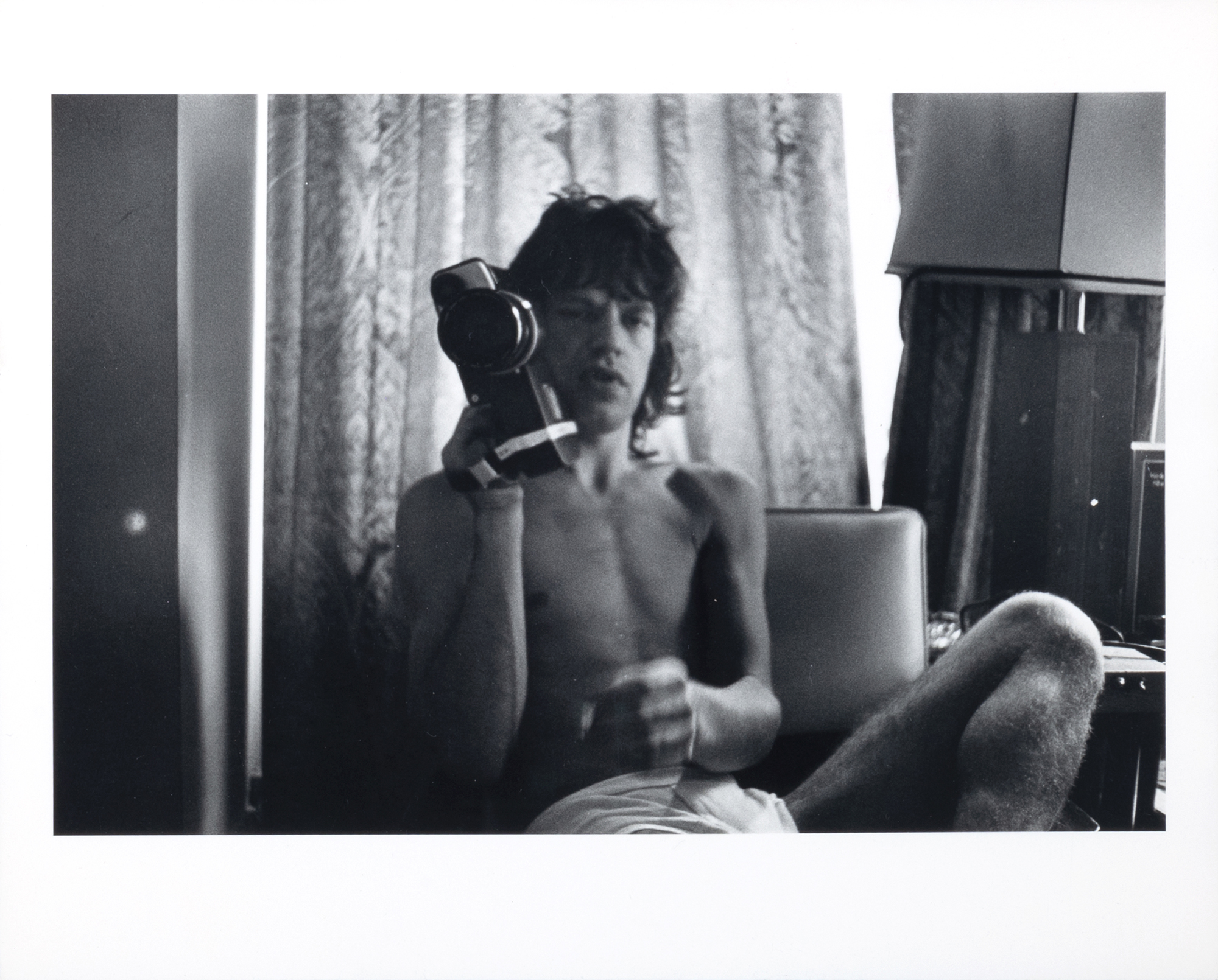
Robert Frank. Untitled (from Cocksucker Blues). 1972. Gelatin silver print, 8 × 9 15/16″ (20.3 × 25.2 cm). The June Leaf and Robert Frank Foundation. © 2024 The June Leaf and Robert Frank Foundation


Robert Frank. Pablo’s Bottle at Bleecker Street, New York City. 1973. Gelatin silver print, 19 13/16 × 15 7/8″ (50.3 × 40.3 cm). The Museum of Modern Art, New York. Promised gift of Michael Jesselson. © 2024 The June Leaf and Robert Frank Foundation


Robert Frank. Andrea. 1975. Five gelatin silver prints and ink on paper, 10 15/16 × 13 7/8″ (27.8 × 35.2 cm). The Museum of Modern Art, NY. Gift of the June Leaf and Robert Frank Foundation in honor of Clément Chéroux and Lucy Gallun. © 2024 The June Leaf and Robert Frank Foundation


Robert Frank. Mabou Winter Footage. 1977. Gelatin silver print, 23 11/16 × 14 3/4″ (60.1 × 37.5 cm). The Museum of Modern Art, New York. Purchase. © 2024 The June Leaf and Robert Frank Foundation


Robert Frank. Mabou. 1977. Gelatin silver print, 7 5/16 × 19 5/16″ (18.5 × 49 cm). The Museum of Modern Art, New York. Gift of Robert and Gayle Greenhill. © 2024 The June Leaf and Robert Frank Foundation


Robert Frank. Sick of Goodby’s. 1978. Gelatin silver print, 21 15/16 × 12 11/16″ (55.8 × 32.3 cm). The Museum of Modern Art, New York. Purchase. © 2024 The June Leaf and Robert Frank Foundation


Robert Frank. Fire Below–to the East America, Mabou. 1979. Gelatin silver print, 19 3/16 × 22 13/16″ (48.8 × 57.9 cm).  The Museum of Modern Art, New York. Gift of the artist, by exchange. © 2024 The June Leaf and Robert Frank Foundation


Robert Frank, Look Out for Hope, Mabou—New York City. 1979. Gelatin silver print, 23 3/4 × 19 7/8″ (60.3 × 50.5 cm). The Museum of Modern Art, New York. Promised gift of Michael Jesselson. © 2024 The June Leaf and Robert Frank Foundation


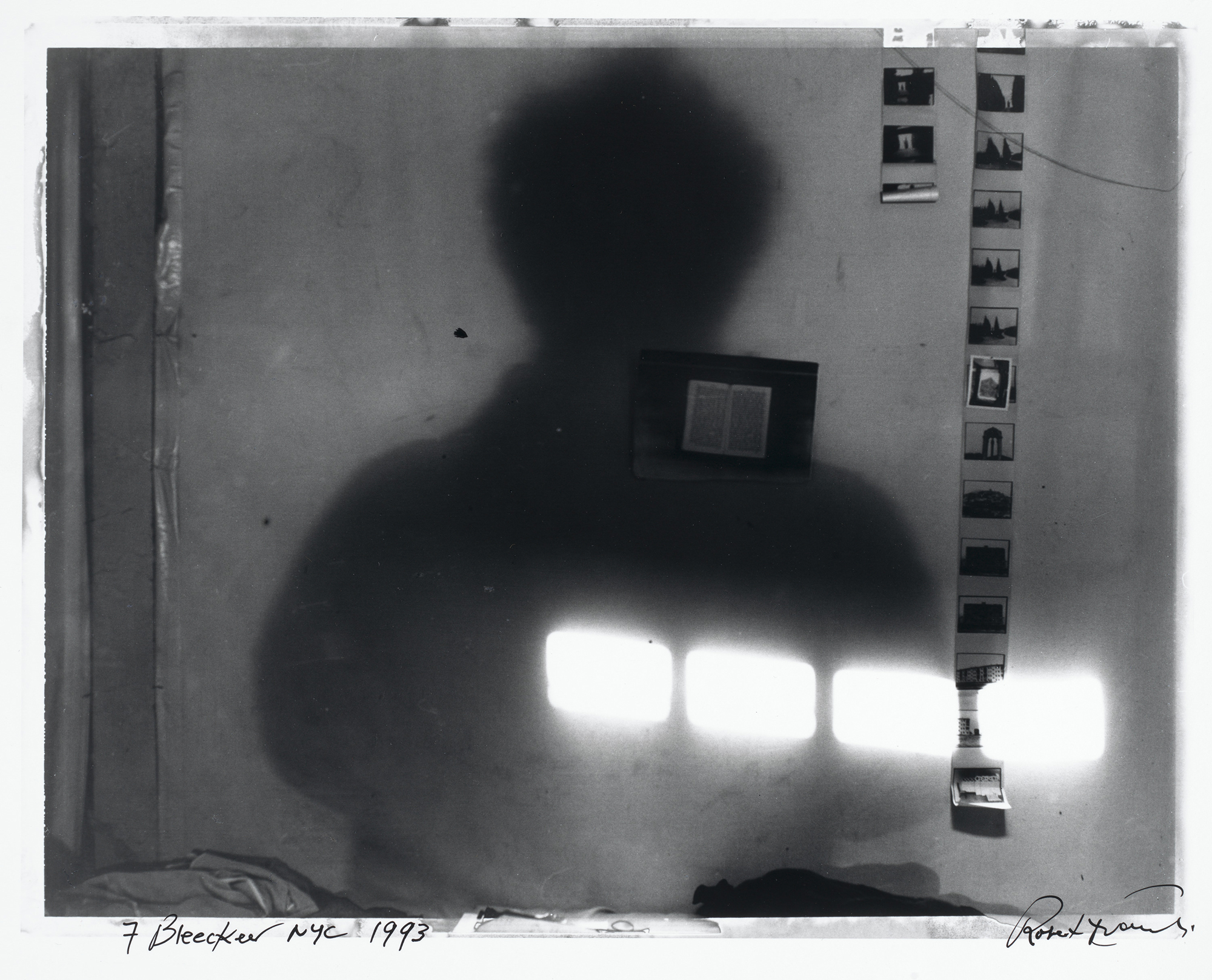
Robert Frank. New York City, 7 Bleecker Street. September 1993. Gelatin silver print, 15 15/16 × 19 13/16″ (40.5 × 50.3 cm). The Museum of Modern Art, New York. Promised gift of Michael Jesselson. © 2024 The June Leaf and Robert Frank Foundation


Robert Frank. Would Like to Exchange Cards with You, Souvenirs Preferred. 2002. Gelatin silver print, 10 13/16 × 13 7/8″ (27.4 × 35.2 cm). The Museum of Modern Art, New York. Gift of the artist. © 2024 The June Leaf and Robert Frank Foundation

The images on this site may be used only for non-commercial editorial press purposes in conjunction with MoMA's current exhibitions, programs, building, and news announcements, as well as hightlights from MoMA's collection and MoMA PS1 exhibitions.


Friday, August 16, 2024

French Moderns: Monet to Matisse, 1850-1950

 Columbia Museum of Art 

October 5, 2024, to January 5, 2025

French Moderns: Monet to Matisse, 1850-1950 presents sixty paintings and sculptures from the Brooklyn Museum’s renowned European permanent and long-term loan collections. Identifying France as the artistic centre of international modernism from the mid-nineteenth to mid-twentieth centuries, these works—which are diverse in subject matter, style and scale—were created by leading artists of the period, intended both for private collections and public display. The works in French Moderns exemplify the avant-garde movements that defined Modern art from the late-nineteenth to early-twentieth centuries, tracing a formal and conceptual shift from depicting the pictorial to evoking the idea, from a focus on naturalism to the ascendance of abstraction. The exhibition includes examples of the key movements of the period—Realism, Impressionism, Post-Impressionism, Symbolism, Fauvism, Cubism and Surrealism—that emerged in and around Paris between 1850 and 1950 and quickly became part of the dominant Western canon. Organized primarily chronologically into several sections including The Academy, Breaking from the Academy, The Impressionists and their Circle, Early Modernism, Surrealism and Abstraction, this exhibition offers fine examples of painting and sculpture from this critical century in Western art history.

Claude Monet (French, 1840-1926). Houses of Parliament, Sunlight Effect (Le Parlement, effet de soleil), 1903. Oil on canvas, 32 x 36 1/4 in. (81.3 x 92.1 cm). Bequest of Grace Underwood Barton, 68.48.1. (Photo: Brooklyn Museum)
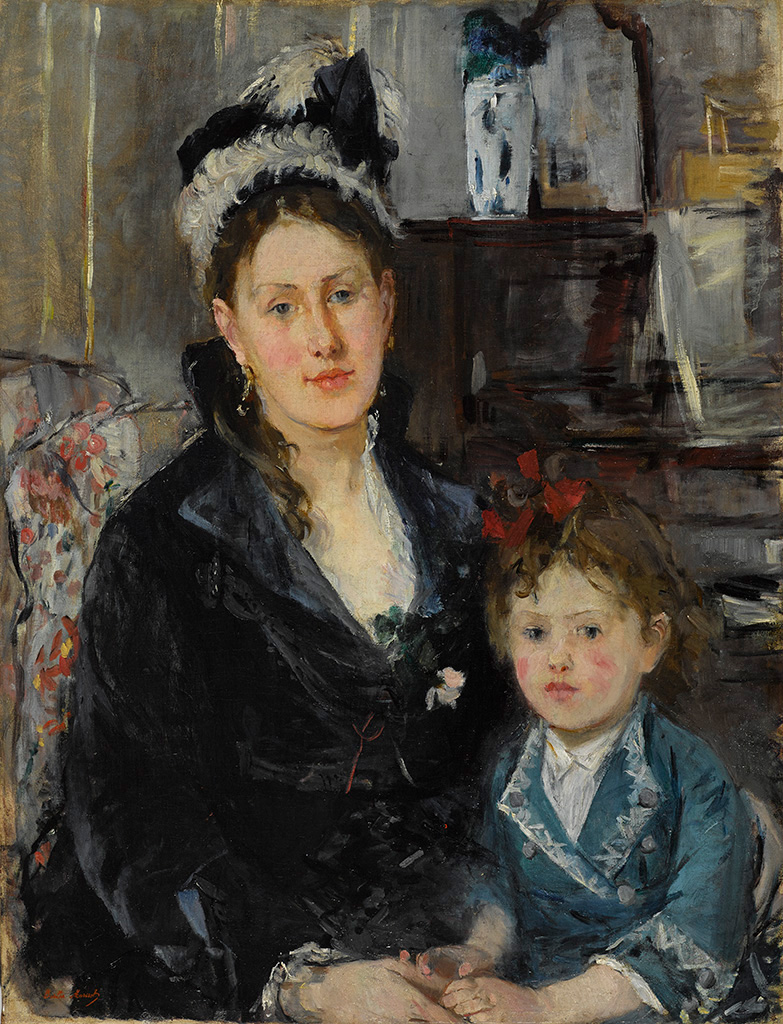
French Moderns includes work by many celebrated artists including both those native to France, as well as those who trained and exhibited there, such as Pierre Bonnard, Gustave Caillebotte, Paul Cézanne, Marc Chagall, Jean-Baptiste-Camille Corot, Gustave Courbet, Edgar Degas, Édouard Manet, Henri Matisse, Claude Monet, Berthe Morisot, Gabriele Münter, Pierre-Auguste Renoir and Auguste Rodin.

Berthe Morisot
Madame Boursier and Her Daughter, c. 1873
oil on canvas
Brooklyn Museum, Museum Collection Fund, 29.30
Photo: Sarah DeSantis, Brooklyn Museum


This exhibition is organized by the Brooklyn Museum


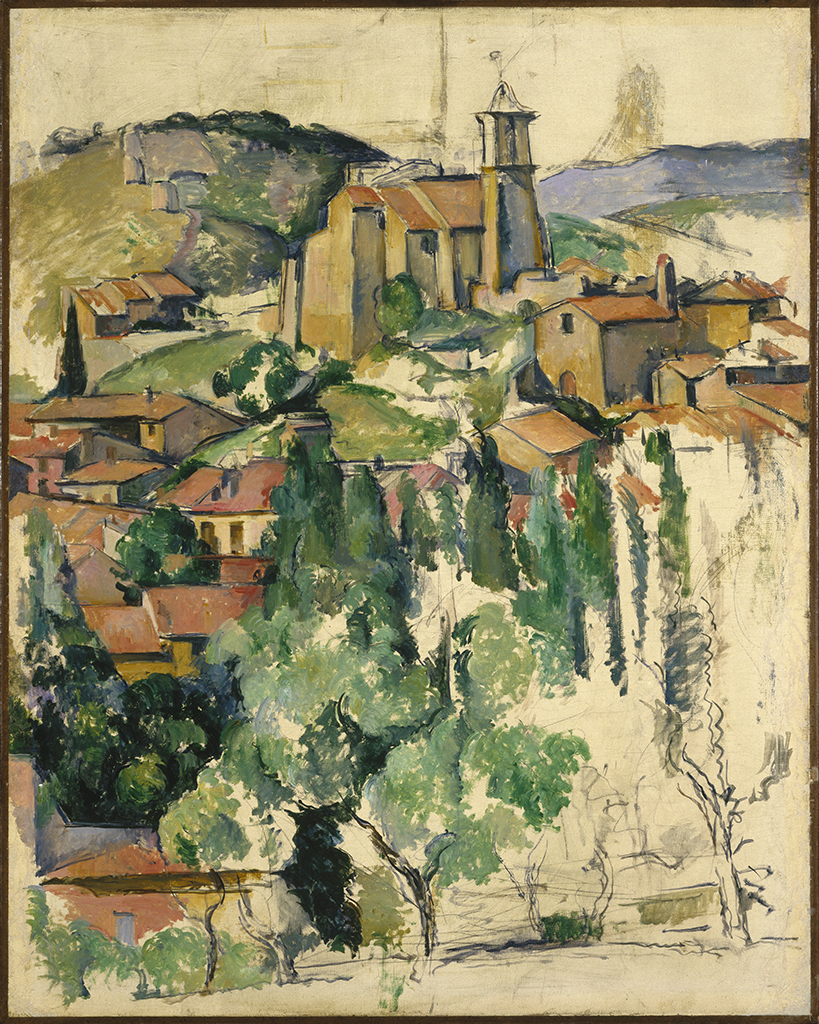
  • Paul Cezanne The Village of Gardanne

    Paul Cézanne
    The Village of Gardanne, 1885–86
    oil and conté crayon on canvas
    Brooklyn Museum, Ella C. Woodward Memorial Fund and Alfred T. White Fund, 23.105
    Photo: Brooklyn Museum

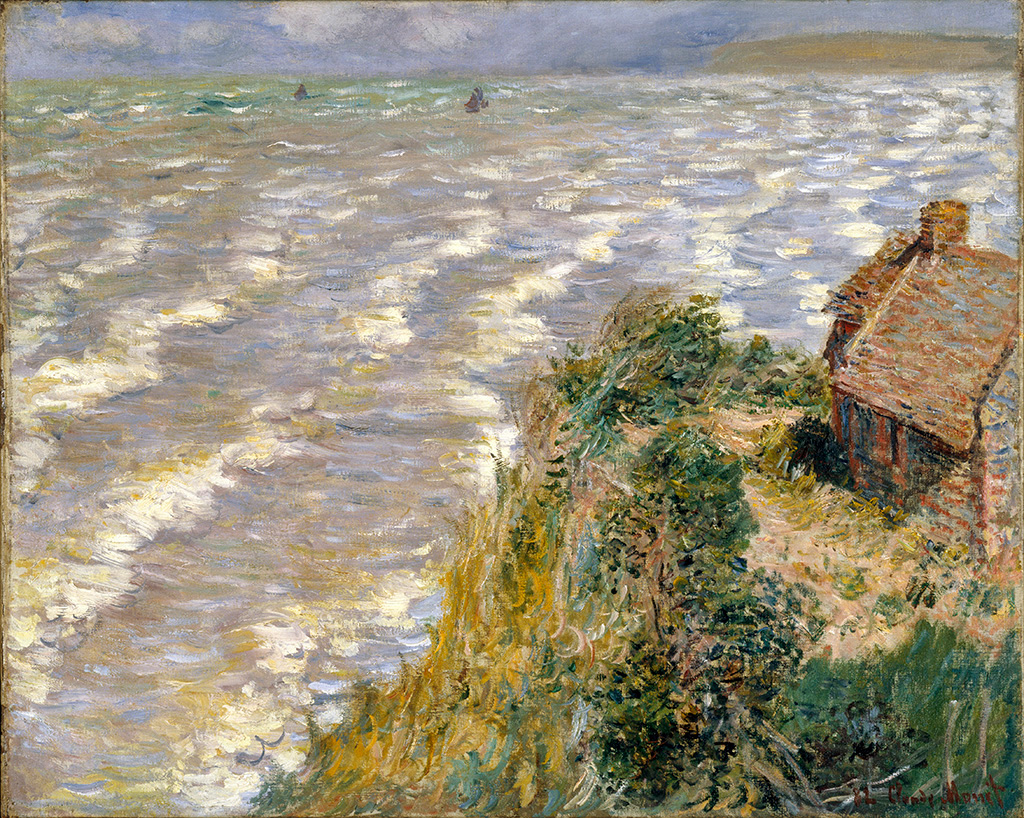
  • Claude Monet
    Rising Tide, 1882
    oil on canvas
    Brooklyn Museum, Gift of Mrs. Horace O Hovemeyer, 41.1260.30
    Photo: Brooklyn Museum