Saturday, November 25, 2017

Rubens. The Power of Transformation


Kunsthistorisches Museum Wien, Vienna
October 17, 2017 - January 21, 2018

Städel Museum, Frankfurt
February 8 – May 21, 2018 

Peter Paul Rubens (1577 –1640) was a star during his lifetime, and he remains a star today. His name is synonymous with an entire period, the Baroque. But his novel pictorial inventions continue to influence and appeal to artists. Now two leading museums, the Kunsthistorisches Museum Wien and the Städel Museum in Frankfurt, are hosting a major exhibition entitled “Rubens. The Power of Transformation”.

The exhibition focuses on some little -studied aspects of Rubens’ creative process, illustrating the profound dialogue he entered into with works produced by other great masters, both precursors and contemporar ies, and how this impacted his work over half a century. His use or referencing of works by various artists from different periods is generally not immediately apparent, and the exhibition invites visitors to discover these sometimes surprising correlation s and connections by directly comparing the works in question.

Comprising artworks in various media, the exhibition brings together paintings, drawings, prints, sculptures and objets d’art. Exemplary groups of works will demonstrate Rubens’ methods, which allowed him to dramatize well -known and popular as well as novel subject matters. This offers a fascinating glimpse into the genesis of his compositions and his surprising changes of motifs, but also how he struggled to find the perfect format and the ideal form. Rubens’ extensive œuvre reflects both the influence of classical sculpture and of paintings produced by artists - both in Italy and north of the Alps - from the late fifteenth century to the Baroque.

Selected examples will help to illustrate the powerful creative effort that underpins Rubens’ compositions, and the reaction -chains they, in turn, set off in his artistic dialogue with his contemporaries. In addition to original marble and bronze sculptures from classical antiquity and the Renaissance, the show presents paintings and prints by Rubens’ precursors, among them key works by Titian and Tintoretto, by Goltzius, Rottenhammer and Elsheimer as well as by Giambologna, Van Tetrode and Van der Schardt. Around 120 works in total will be displayed in Vienna and Frankfurt, including no less than forty -eight paintings and thirty -three drawings by Rubens.

Many of the artworks on show here are among the main attractions in their home museums; the exhibition features loans from numerous internationally renowned museums including the Koninklijk Museum voor Schone Kunsten in Antwerp, the Staa tliche Kunstsammlungen Dresden , the Israel Museum in Jerusalem, the National Gallery in London, the J. Paul Getty Museum in Los Angeles, the Prado and the Mus eo Thyssen -Bornemisza in Madrid, the Louvre, the Metropolitan Museum of Art, the Hermitage in St. Petersburg, the Vatican Museums and the National Gallery of Art in Washington.

In the show visitors encounter well -known mythological subjects such as Venus and Adonis, the Judgement of Paris, or Prometheus chained to a rock, but also seminal stories from the Old and the New Testament such as the beheading of Holofernes or the Deposition.
https://press.khm.at/fileadmin/content/KHM/Presse/2017/Rubens/KHM_Rubens_Plakat_HighRes_1.jpg

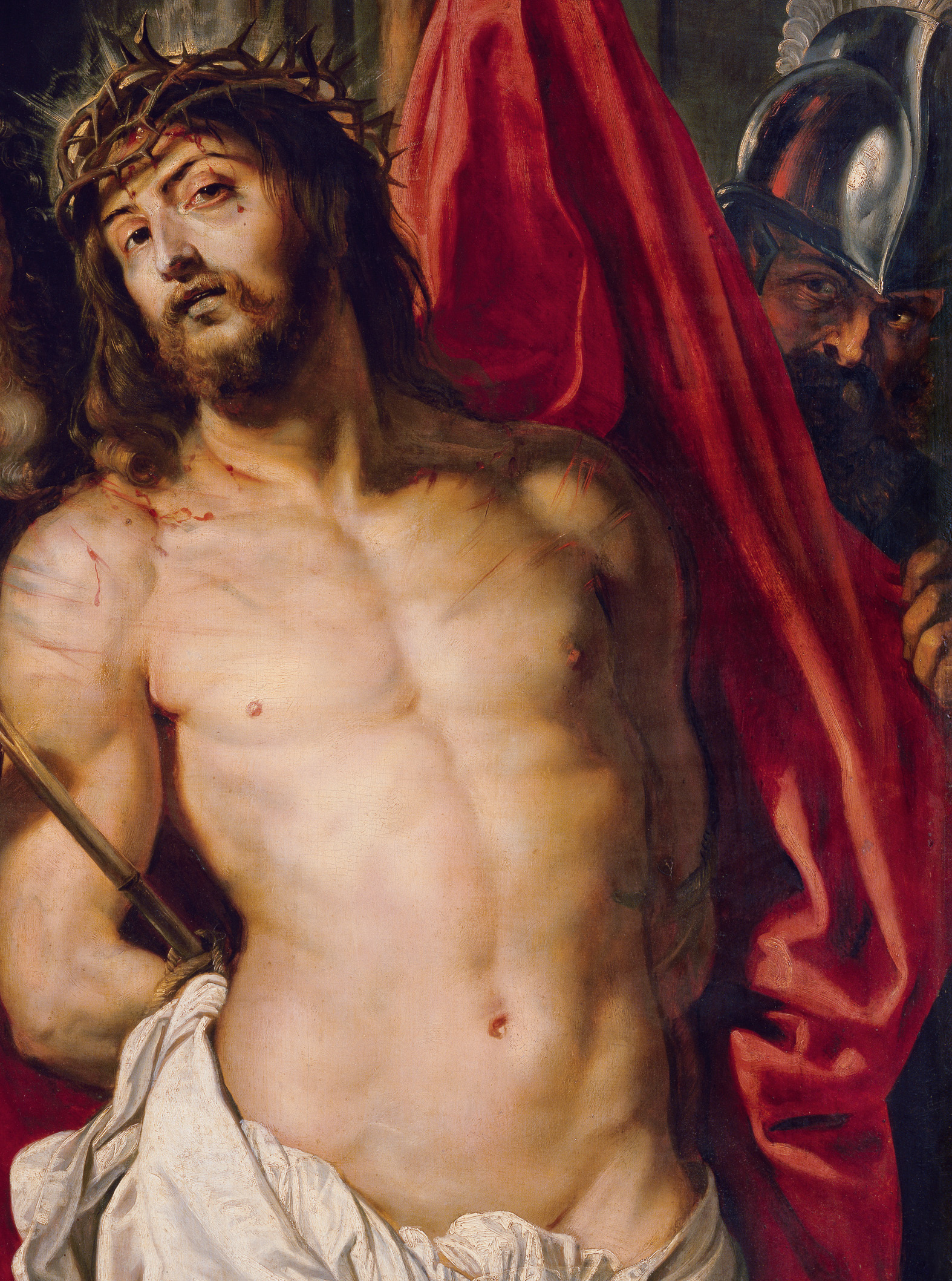
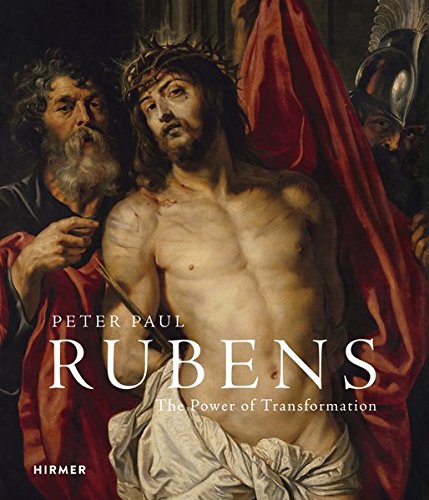
Peter Paul Rubens (1577 Siegen - 1640 Antwerp ) Crown of Thorns (Ecce Homo) no later than 1612, oil on panel, 125.7 x 96 cm St Petersbu rg, The State Hermitage Museum, inv. no. GE 3778 © The State Hermitage Museum, St. Petersburg 2017

Rubens’ Ecce Homo from the State Hermitage Museum brilliantly illustrates his creative work process: three works by Rubens document his metamorphic evolution of the classical sculpture of a centaur. He first produced a drawing of the ancient work, which he then evolved into his exceptional depiction of the Saviour. A complete iconographic reinvention, he turned a classical depiction of a wild, feral centaur into a picture of the suffering Christ appealing to the spectator’s compassion. This recourse to classical antiquity allows the body of Jesus to be counter -intuitively posed, his athletic torso ostentatiously displayed. Just as he does here, the artist repeatedly altered his compositions.

The often amazingly modern, dynamic impression of Rubens’ pictures is frequently the result of the artist’s conscious recourse to easily identifiable models, which he simultaneously tries to surpass. This process of transformation culminates in works that continue to appeal directly to the modern spectator. It is thus not surprising that Rubens continues to be regarded as the epitome of baroqu e painting.

The exhibition is curated by Gerlinde Gruber,  urator, Kunsthistorisches Museum Wien, Stefan Weppelmann, Director of the Picture Gallery, Kunsthistorisches Museum Wien and Jochen Sander, Adjunct director and curator, Städel Museum, Frankfurt .

CATALOGUE


https://i.pinimg.com/originals/b4/17/2f/b4172ff35ef2a37f26ba797c314c98d5.jpg


Peter Paul Rubens (1577 Siegen - 1640 Antwerp ) Venus Frigida 1614, oil on oak panel, 145.1 x 185.6 cm Antwerp, Koninkl ijk Museum voor Schone Kunsten, inv. no. 709 © www.lukasweb.be - Art in Flanders vzw

https://i.pinimg.com/originals/0c/06/8e/0c068e323ece70aa78c0019f174be0b2.jpg

Peter Paul Rubens (1577 Siegen - 1640 Antwerp ) Frans Snyders (eagle ) Prometheus 1611/12 –1618, oil on canvas, 242.6 x 209.6 cm Philadelphia Museum of Art, purchased with the W. P. Wilstach Fund, 1950, inv. no. W1950 -3 -1 © Photo Courtesy of the Philadelphia Museum of Art P oster image

https://mostperfectworld.files.wordpress.com/2013/03/peter_paul_rubens33.jpg

Peter Paul Rubens (1577 Siegen - 1640 Antwerp ) The Miracles of St Ignatius of Loyola c.1617/18, oil on canvas, 535 x 395 cm Vienna, Kunsthisto risches Museum, Gemäldegalerie, inv. no. GG 517 © KHM - Museumsverband

http://venice11.umwblogs.org/files/2011/12/young-woman-with-a-fur-coat.jpg

Titian (c. 1488 Pieve di Cadore - 1576 Venice ) Girl in a fur c.1535, oil on canvas, 95,5 x 63,7 cm Vienna, Kunsthistorisches Museum, Gemäldegalerie, inv. no. GG 89 © KHM - Museumsverband
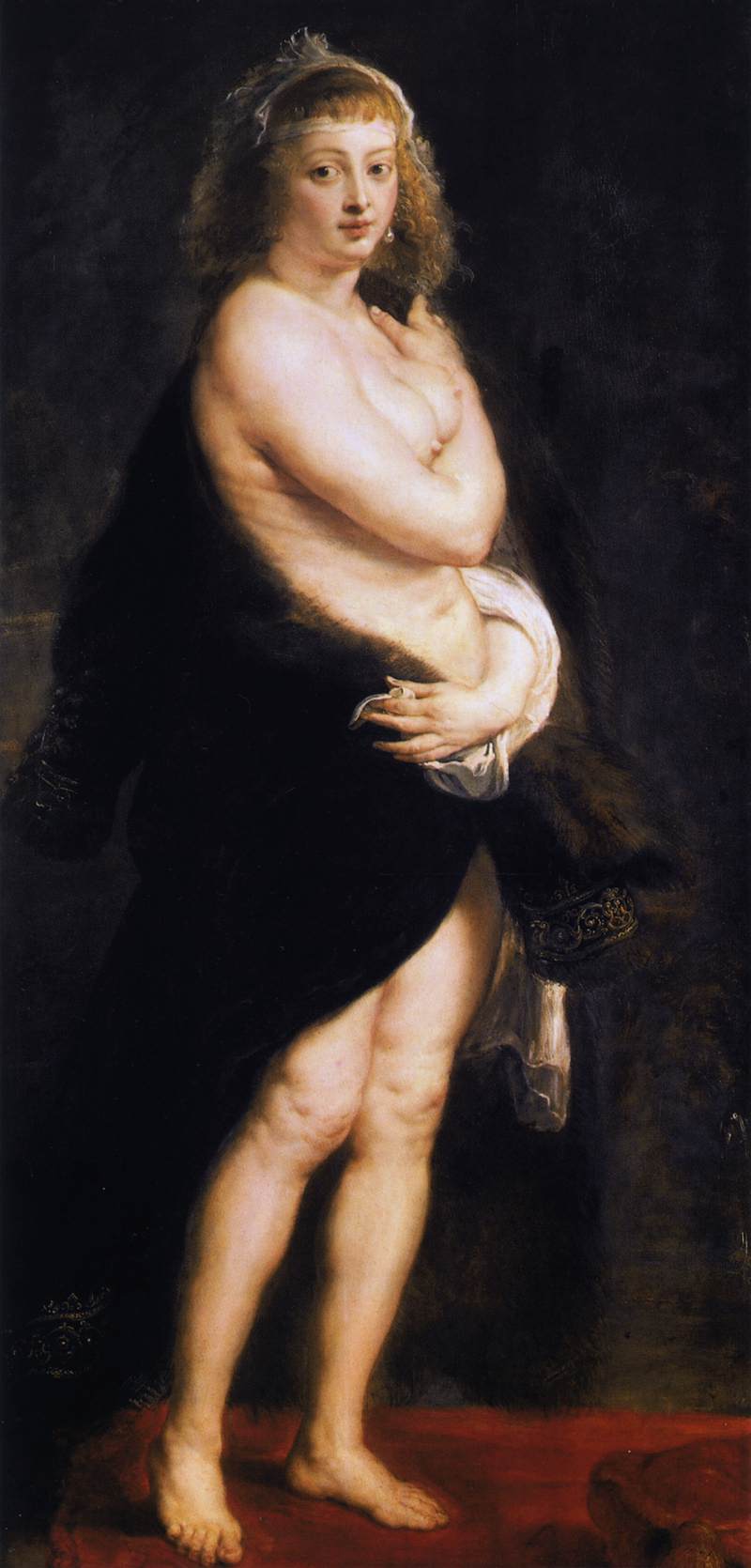


Peter Paul Rubens (1577 Siegen - 1640 Antwerp ) HelenaFourment (“ Het Pelsken ”) 1636/38, oil on oak, 178.7 x 86.2 cm Vienna, Kunsthistorisches Museum, Gemäldegalerie, inv. no. 688 © KHM - Museumsverband

http://www.peterpaulrubens.net/images/gallery/the-feast-of-venus.jpg

Peter Paul Rubens (1577 Siegen - 1640 Antwerp ) The Feast of Venus 1636/37, oil on canvas, 217 x 350 cm Vienna, Kunsthistorisches Museum, Gemäldegalerie, inv. no. GG 684 © KHM - Museumsverband

https://upload.wikimedia.org/wikipedia/commons/thumb/1/1a/Ofrenda_a_Venus.jpg/1200px-Ofrenda_a_Venus.jpg

Peter Paul Rubens (1577 Siegen - 1640 Antwerpen) The Worship of Venus after Titian c.1635, oil on canvas, 196 x 209.9 cm Stockholm, Nationalmuseum, inv. no. NM599 © Stockholm, Nationalmuseum
Peter Paul Rubens 115.jpg

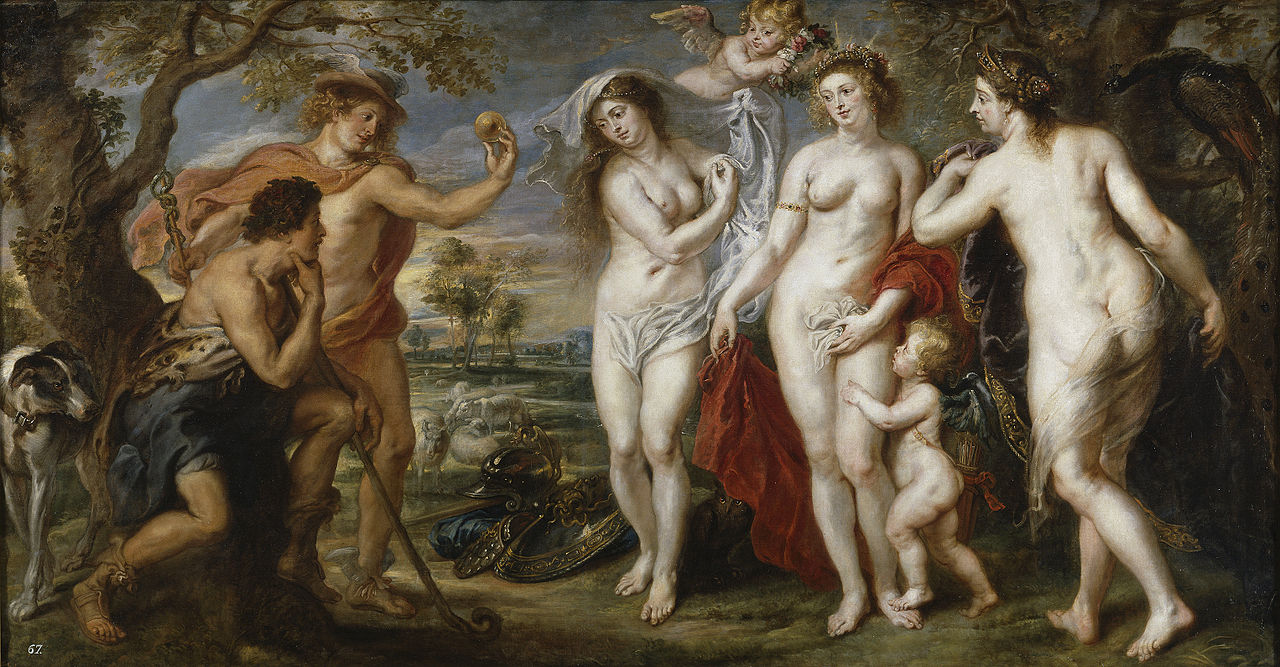
Peter Paul Rubens (1577 Siegen - 1640 Antwerp ) The Judgment of Paris c.1639, oil on canvas, 199 x 381 cm Madrid, Museo Nacional del Prado, inv. no. P1669 © Museo Nacional del Prado

https://upload.wikimedia.org/wikipedia/commons/6/6b/Rubens_Medusa.jpeg

Peter Paul Rubens (1577 Siegen - 1640 Antwerp ) The Head of Medusa 1617 –18, oil on canvas, 68.5 x 118 cm Vienna, Kunsthistorisches Museum, Gemäldegalerie, inv. no. GG 3834 © KHM -

 https://i.pinimg.com/736x/2a/8d/b3/2a8db38191d4294b506a01041f12dd24--homo-art-museum.jpg

Titian (c. 1488 Pieve di Cadore - 1576 Venice ) Ecce Homo (Christ presented to the people ) 1543, oil on canvas, 242 x 361 cm Vienna, Kunsthisto risches Museum, Gemäldegalerie, inv. no. GG 73 © KHM - Museumsverband

https://press.khm.at/fileadmin/_processed_/csm_18_Zuschauer_Ecce_Homo_NGA_29245595f5.jpg

Peter Paul Rubens (1577 Siegen - 1640 Antwerp ) A group of ten men standing on a flight of steps with a young woman and child after Titian late 1620s, black and red chalk, pen and black ink on paper, 324 x 410 mm Washington, DC, National Gallery of Art Gift of Mrs. Alice Kaplan, acc. no. 2001.121.1 © National Gallery of Art, Washington

http://www.peterpaulrubens.net/images/gallery/stormy-andscape-with-philemon-and-baucis.jpg

Peter Paul Rubens (1577 Siegen - 1640 Antwerpen) Stormy Landscape with Philemon and Baucis 1620/25 –1636, oil on oak, 146 x 208.5 cm Vienna, Kunsthistorisches Museum, Gemäldegalerie, inv. no. GG 690 © KHM - Museumsverband
https://upload.wikimedia.org/wikipedia/commons/thumb/3/37/Peter_Paul_Rubens_-_Selfportrait_-_Google_Art_Project.jpg/1200px-Peter_Paul_Rubens_-_Selfportrait_-_Google_Art_Project.jpg

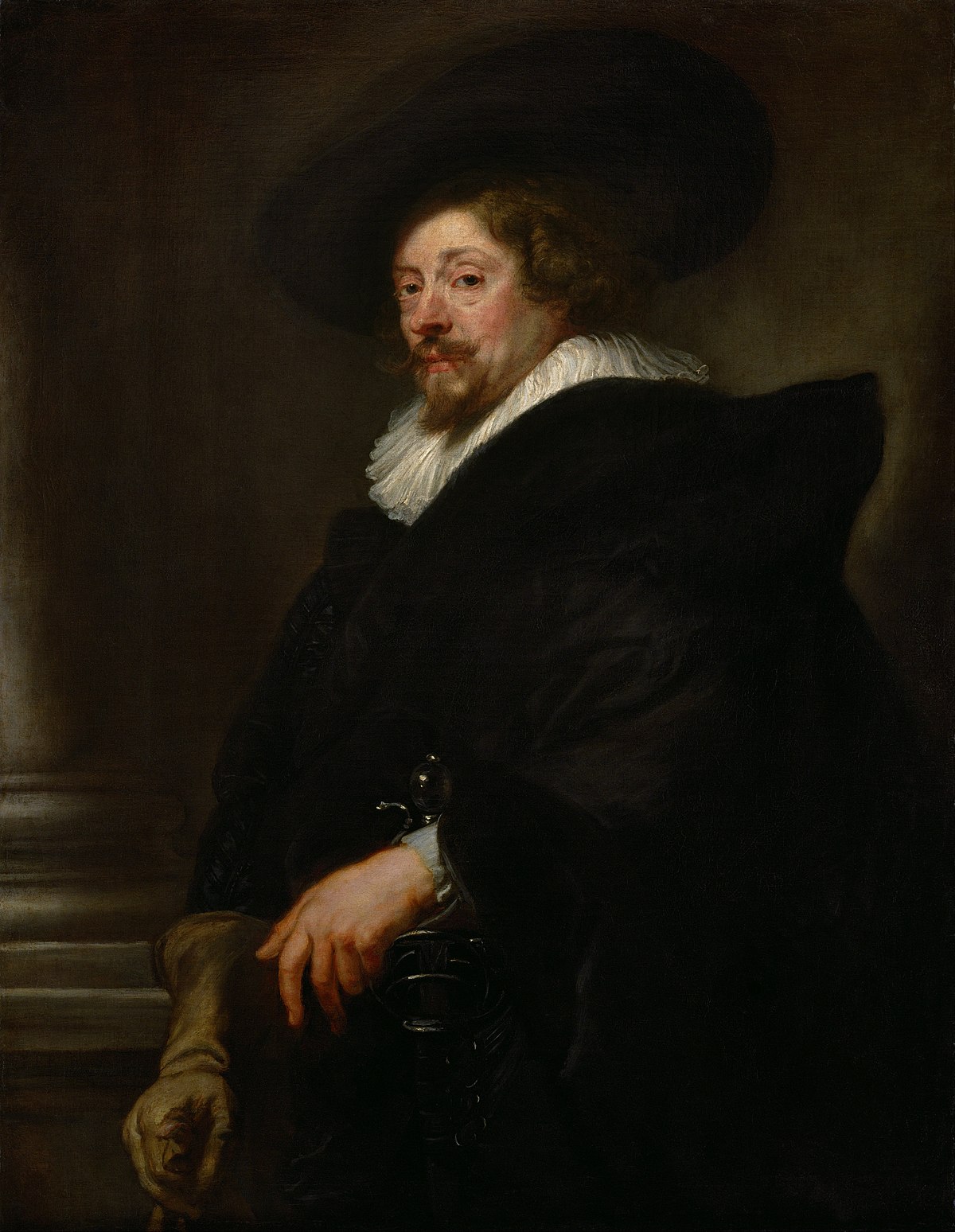
Peter Paul Rubens (1577 Siegen - 1640 Antwerpen) Self - Portrait c.1638, oil on canvas, 110 x 85.5 cm Vi enna, Kunsthistorisches Museum, Gemäldegalerie, inv. no. GG 527 © KHM - Museumsverband
https://upload.wikimedia.org/wikipedia/commons/7/70/Peter_Paul_Rubens_-_The_Four_Continents.jpg

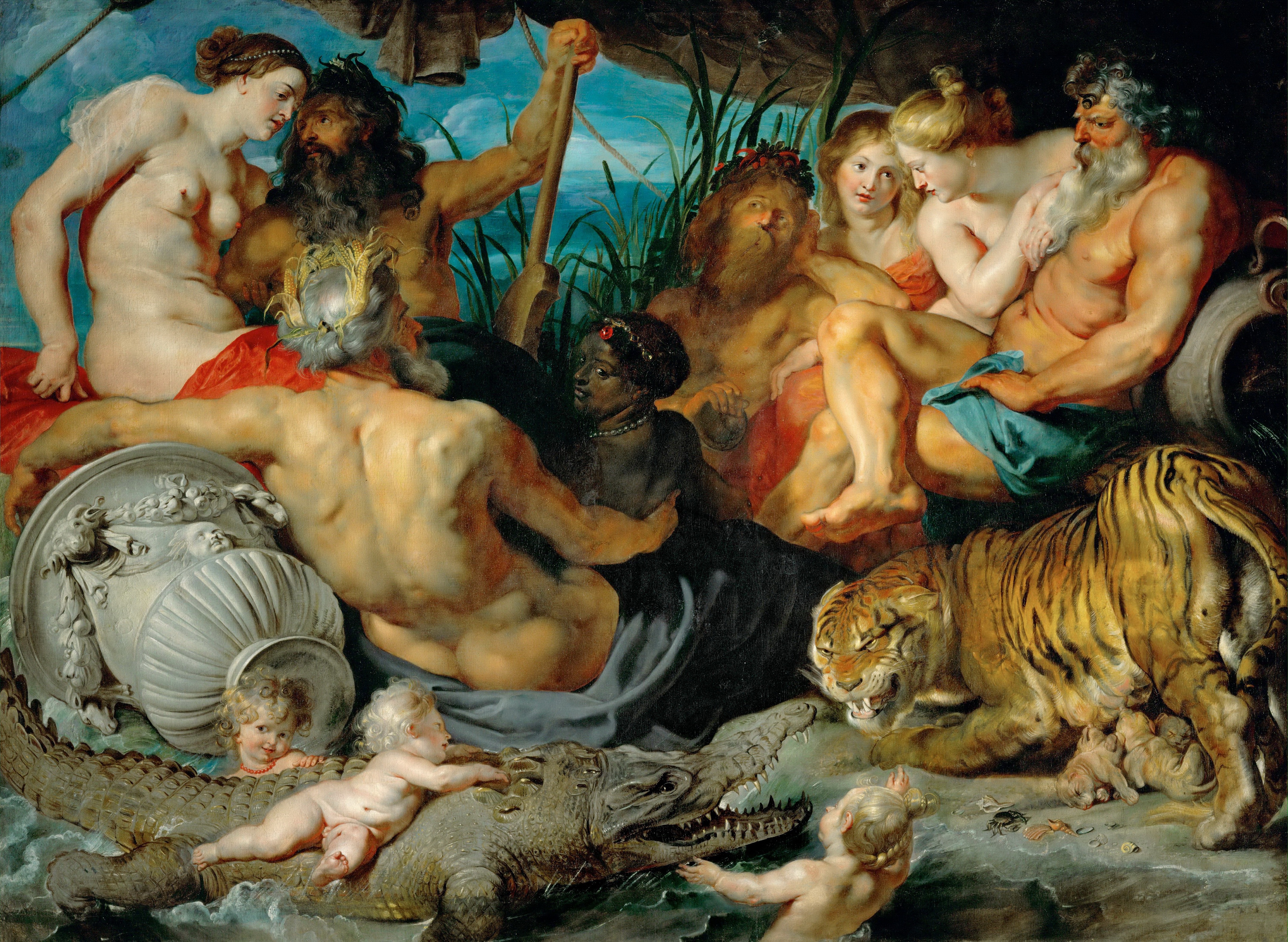
Peter Paul Rubens (1577 Siegen - 1640 Antwerp ) The Four Rivers of Paradise c.1615, oil on canvas, 208 x 283 cm Vi enna, Kunsthistorisches Museum, Gemäldegalerie, inv. no. GG 526 © KHM - Museumsverband
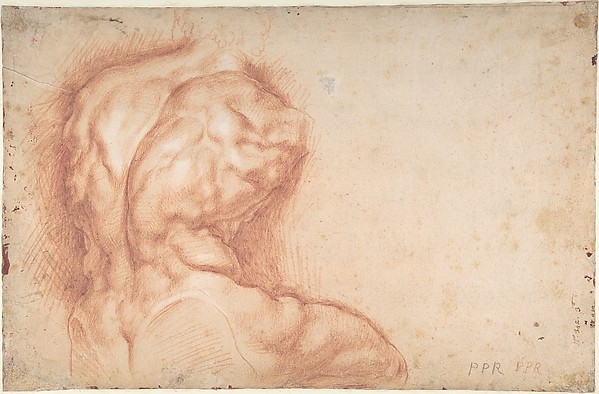
The Virgin Adored by Saints (recto); Study of the Torso Belvedere (verso), Peter Paul Rubens (Flemish, Siegen 1577–1640 Antwerp), Pen and brown ink (recto); red chalk (verso)

Peter Paul Rubens (1577 Siegen - 1640 Antwerp) Study of the Belvedere Torso c.1601/02, red chalk on paper, 395 x 260 mm New York, The Metropolitan Museum of Art, Purchase, 2001 Benefit Fund, 2002, acc. no. 2002.12a/b © The Metropolitan Museum of Art , New York

https://i.pinimg.com/736x/ea/d4/65/ead465ae2151911c9220d4c474769703--the-vatican-the-act.jpg
https://i.pinimg.com/originals/b7/a3/43/b7a343f9c72bbb2d6da9a6ffa7fec80b.jpg

Apollonius of Athens (attributed ) Belvedere Torso 1st century BC, marble, 159 x 84 cm Rome, Vatican, Musei Vaticani, inv. no. MV 1191 On display in Vienna: the plaster cast from the Museum für Abgüsse Klassischer Bildwerke, Munich, inv. no. 224 © Roy Hessing, Museum für Abgüsse Klassischer Bildwerke, München

https://upload.wikimedia.org/wikipedia/commons/0/05/Peter_Paul_Rubens_-_The_Lamentation_-_WGA20195.jpg

Peter Paul Rubens (1577 Siegen - 1640 Antwerp ) The Lamentation 1614, oil on oak, 40.5 x 52.5 cm Vienna, Kunsthistorisches Museum, Gemäldegalerie, inv. no. GG 515 © KHM - Museumsverband

https://upload.wikimedia.org/wikipedia/commons/f/fa/Peter_Paul_Rubens33.jpg

Peter Paul Rubens (1577 Siegen - 1640 Antwerp ) The Miracles of St Ignatius of Loyola c.1617/18, oil on canvas, 535 x 395 cm Vienna, Kunsthisto risches Museum, Gemäldegalerie, inv. no. GG 517 © KHM - Museumsverband

https://i.pinimg.com/originals/5f/4d/60/5f4d6039e21fde1d6c361e238f8563e0.jpg

Titian (c. 1488 Pieve di Cadore - 1576 Venice ) Girl in a fur c.1535, oil on canvas, 95,5 x 63,7 cm Vi enna, Kunsthistorisches Museum, Gemäldegalerie, inv. no. GG 89 © KHM - Museumsverband

Jackson Pollock's Largest Painting Makes DC Debut at the National Gallery of Art, Washington


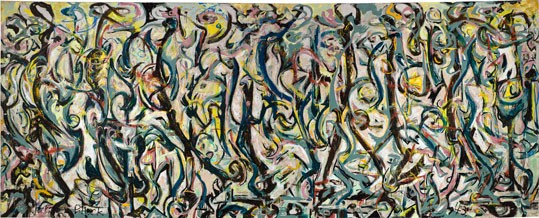
Jackson Pollock, Mural, 1943, oil and casein on canvas, 95 5/8 x 237 3/4 in. (242.9 x 603.9 cm), Gift of Peggy Guggenheim, 1959.6, reproduced with permission from the University of Iowa


Jackson Pollock, Mural, 1943, oil and casein on canvas, 95 5/8 x 237 3/4 in. (242.9 x 603.9 cm), Gift of Peggy Guggenheim, 1959.6, reproduced with permission from the University of Iowa
Stretching nearly 20 feet wide by 8 feet tall, Mural (1943) is the largest work by Jackson Pollock (1912-1956). Beyond its monumental proportions and the many myths that surround its creation, the painting stands as one of the artist's greatest achievements. The iconic work will make its DC debut this fall through a special loan from the University of Iowa Museum of Art to the National Gallery of Art, Washington. On view in the Gallery's East Building from November 19, 2017, through October 28, 2018, the work will be accompanied by three paintings from different points in Pollock's career as well as a selection of works on paper.

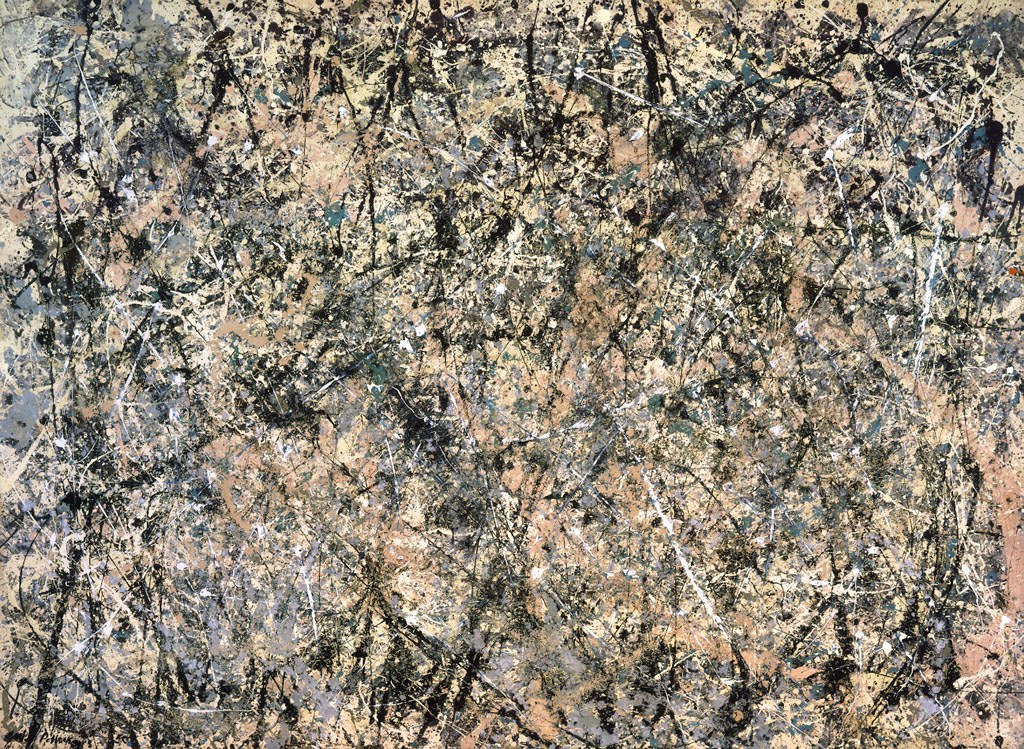
"As a seminal work of postwar abstraction, Jackson Pollock's Lavender Mist is one of the highlights of the Gallery's collection," said Earl A. Powell III, director, National Gallery of Art, Washington. "We are grateful to the University of Iowa Museum of Art for allowing our visitors to see such a significant precursor as Mural so that they may better understand the revolutionary artist's technical and stylistic evolution."

The History of Mural

In early 1943, Pollock began working as a custodian at the Museum of Non-Objective Painting (the predecessor to the Solomon R. Guggenheim Museum). A few blocks away, Solomon Guggenheim's niece, Peggy, had recently opened Art of This Century, a gallery of contemporary American and European art. In the spring of 1943, Pollock submitted

https://www.jackson-pollock.org/images/paintings/stenographic-figure.jpg


Stenographic Figure to the gallery's Spring Salon for Young Artists. After seeing the work, jurors Piet Mondrian and Marcel Duchamp urged Guggenheim to take note of the promising young painter. Guggenheim offered Pollock a contract with her gallery, including a solo exhibition in November of that year and a commission to execute a site-specific painting for the entry hall of her townhouse. With Guggenheim's support of a monthly stipend, Pollock was able to quit his job as a custodian and focus on painting.

Soon after, Pollock began working on Mural, even tearing down a wall in his downtown apartment to make room for the enormous canvas.The only specifications Guggenheim gave the artist were the painting's size; the subject matter was up to Pollock, as was the technique. As he had not yet moved to working on the floor, Pollock stretched and hung the canvas on the wall. From this point, though, details on the artist's process for the work are sparse. While some people, including Pollock's wife, Lee Krasner, claimed that Pollock painted Mural in one night, in a letter from 1944 Pollock simply said that he painted the work during the summer of 1943 (a fact which is supported by recent technical analysis of the work which shows that certain paints would have taken days to dry before Pollock applied more layers). Once completed, the painting was a breakthrough for Pollock. It represents a major turning point in the painter's career and style, and brought him newfound recognition. Of seeing the work, critic Clement Greenberg later said, "I knew Jackson was the greatest painter this country had produced."

When Guggenheim closed Art of This Century in 1947 and moved to Venice, she was unable to bring all of her collection with her. Mural remained in the States, on loan to Yale University before Guggenheim donated the work along with several others from her collection to the University of Iowa in 1951. Since then, the painting has remained in Iowa and rarely traveled. In 2008, floods severely damaged the Museum of Art, and while the collection was saved the Museum was forced to close.  

Mural was sent out on loan across Iowa to the Figge Art Museum and the Des Moines Art Center before traveling in 2012 to the Getty Conservation Institute for two years of analysis. At the Getty, Mural was cleaned, a layer of discolored varnish from 1973 was removed, and the canvas was restretched to address sagging. The work's time at the Getty also allowed for extensive study and research by a range of experts led by Getty conservators and scientists and including Jay Krueger, the National Gallery of Art's head of painting conservation, and John Delaney, the National Gallery of Art's senior imaging scientist. Analysis confirmed that the entire painting was not made in one night, as indicated by layers of wet paint on top of dry paint. However, examination of the primary layers of paint showed wet paint applied on wet paint, perhaps indicating that Pollock painted the base of four colors (lemon yellow, dark teal, red, and dark brown) overnight.

Following the study and treatment of Mural, the painting embarked on a five-city international tour with stops including the Peggy Guggenheim Collection in Venice and the Guggenheim Museum in Bilbao. Now, before finally returning to Iowa, Mural makes two stops in the US in addition to the Gallery—the Nelson-Atkins Museum of Art in Kansas City, Missouri (where it was on view from July to October of this year), and the Columbia Museum of Art in Columbia, South Carolina (November 2018 to May 2019). The presentation of Mural at the Gallery will mark the first time the painting has been on view in Washington, and its first time on the East Coast in more than 15 years.

Exhibition Highlights

On view on the Upper Level of the Gallery's East Building, the special installation will include, in addition to Mural, three paintings from different points in Pollock's career:

 https://uploads1.wikiart.org/number-1-lavender-mist(1).jpg

Jackson Pollock
Number 1, 1950 (Lavender Mist), , 1950
oil, enamel, and aluminum on canvas
overall: 221x299.7 cm (87x118 in.), framed: 223.5x302.3x3.8 cm (88x119x1 1/2 in.), National Gallery of Art, Washington, Ailsa Mellon Bruce Fund


Number 1, 1950 (Lavender Mist) (1950),

 https://d32dm0rphc51dk.cloudfront.net/rP7TTGyMSfvqLuGJG-_jgA/larger.jpg

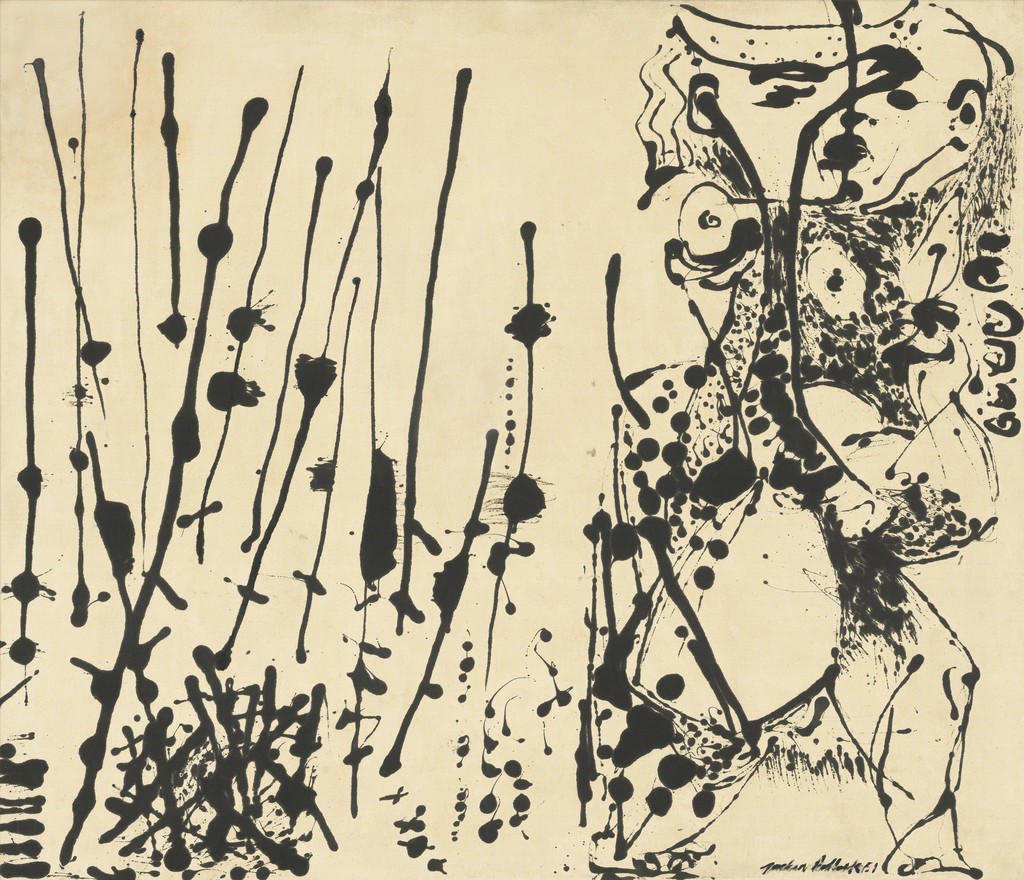
and Number 7, 1951 (1951), both from the Gallery's collection,


Jackson Pollock
Ritual, 1953
oil on canvas
overall: 229.9x108 cm (90 1/2x42 1/2 in.), Robert and Jane Meyerhoff Collection
and Ritual (1953), on loan from the Robert and Jane Meyerhoff Collection.

Lavender Mist was painted in Pollock's studio on Long Island when he had transitioned to his signature technique of pouring, flinging, and dripping paint onto unstretched canvas laid on the floor. Number 7 represents a shift in Pollock's style: rather than dripping, the artist used turkey basters to apply black paint in both abstract and figural forms. Finally, Ritual comes toward the end of the painter's career, when he returned to painting on stretched canvas with a brush, as he had for Mural.

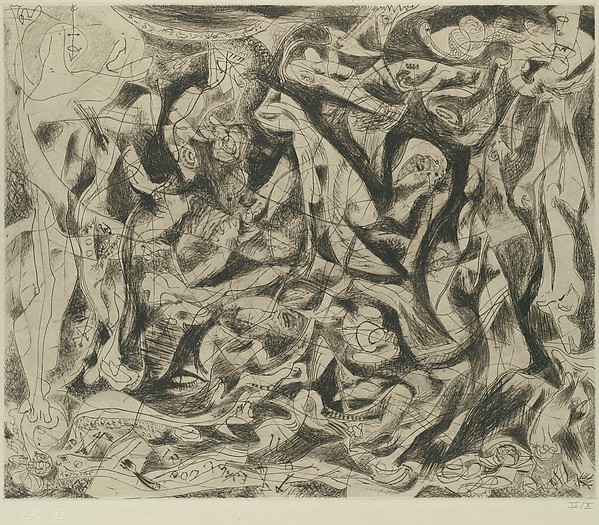
An additional 10 works on paper included in the installation (shown in two rotations of five works each) provide a broader perspective on Pollock's career and highlight the Gallery's collection of works on paper by the artist.


Untitled, Jackson Pollock (American, Cody, Wyoming 1912–1956 East Hampton, New York), Engraving and drypoint


Jackson Pollock
Untitled, 1944/1945 (printed 1967), engraving and drypoint in brown-black on white Italia paper plate: 40.01x60.33 cm (15 3/4x23 3/4 in.), sheet: 50.32x69.22 cm (19 13/16x27 1/4 in.), National Gallery of Art, Washington, The William Stamps Farish Fund

Untitled


Jackson Pollock
Untitled, 1951
ink on Japanese paper
sheet: 63.18×99.06 cm (24 7/8×39 in.), mount (lined): 66.36×102.24 cm (26 1/8×40 1/4 in.), National Gallery of Art, Washington, Gift of Ruth Cole Kainen


Freeman American Art & Pennsylvania Impressionists sale December 3, 2017

American Art & Pennsylvania Impressionists

On December 3, Freeman’s will host its American Art & Pennsylvania Impressionists sale. Collectors will be especially pleased to discover works by sought after artists such as Thomas Eakins, Edward Willis Redfield, Reginald Marsh and Daniel Garber among many others.

http://auctions.freemansauction.com/full/405/989405.jpg


One of the highlights of the sale is Lot 15, “Miss Eleanor S. F. Pue” by Thomas Eakins (American 1844-1916). The portrait, dated 1907, is among the last portraits of young women Thomas Eakins painted in his career. Not concerned with pleasing the sitter, Eakins’ portraits were not simply artistic flattery, but instead an opportunity for him to experiment and satisfy artistic needs. The strength and rawness of Miss Pue’s portrait exemplifies the depth and revealing nature with which Eakins painted. This lot is accompanied with three letters from the artist regarding arrangements for the sittings and is estimated between $50,000-80,000.

 http://auctions.freemansauction.com/full/371/981371.jpg

Another noteworthy piece showcased is Lot 110, “The Snow Storm” by Edward Willis Redfield (American 1869-1965), executed in 1915. Edward Willis Redfield built his reputation through powerful landscape paintings, which he almost exclusively executed en plein air. The present work was painted near the artist’s home in 1915, and its style is typical for Redfield. The palette is sparse, with dove grays, blue grays and touches of lavender to render the quietness of the moment. Redfield managed to animate the scene with carefully arranged splashes of colors—on the hats of the villagers and barn façades—proving his ability to enliven a village muted by snow.  “The Snow Storm” is estimated between $100,000-150,000.
 
The sale features five paintings by artist and Philadelphia native Susette Inoles Schultz Keast. Born in 1892, Keast studied at both the Philadelphia School of Design for Women (now Moore College of Art) and the Pennsylvania Academy of the Arts. She was a member of The Philadelphia Ten, a group comprised of students of the Philadelphia School of Design whose efforts were to exhibit their work independently, having been barred from many public institutions based on their gender. “The Inner Harbor,” Lot 131, estimate: $10,000-15,000) was exhibited at PAFA in 1931, and Keast’s short brushstrokes and treatment of sunlight on the surface of the water are emblematic of her Impressionist style.

http://auctions.freemansauction.com/full/644/986644.jpg


Reginald Marsh (American 1898-1954) will be represented on Dec. 3 with a piece entitled “Bowery Scene.” Executed in 1945, this painting depicts a solitary woman among a crowd of men, along what seems to be the Third Avenue elevated railway in Manhattan. As is often the case with Marsh, this scene depicts an attractive and confident woman in the center, in stark contrast with her somewhat pitiful, leering admirers. “Bowery Scene” is estimated between $70,000-$100,000.

http://auctions.freemansauction.com/full/545/985545.jpg

One of the most exciting pieces in the American Art & Pennsylvania Impressionists sale is “A Jersey Road” by Daniel Garber (American 1880-1958), executed in 1929. Garber is considered one of the most influential Pennsylvania Impressionists and this landscape is set in the idyllic New Hope area where the artist lived.

Characteristic of Garber’s style, the painting employs a screen of trees and falling shadows to frame the rolling landscape beyond. “A Jersey Road” is estimated between $200,000-300,000.

Renoir and Friends


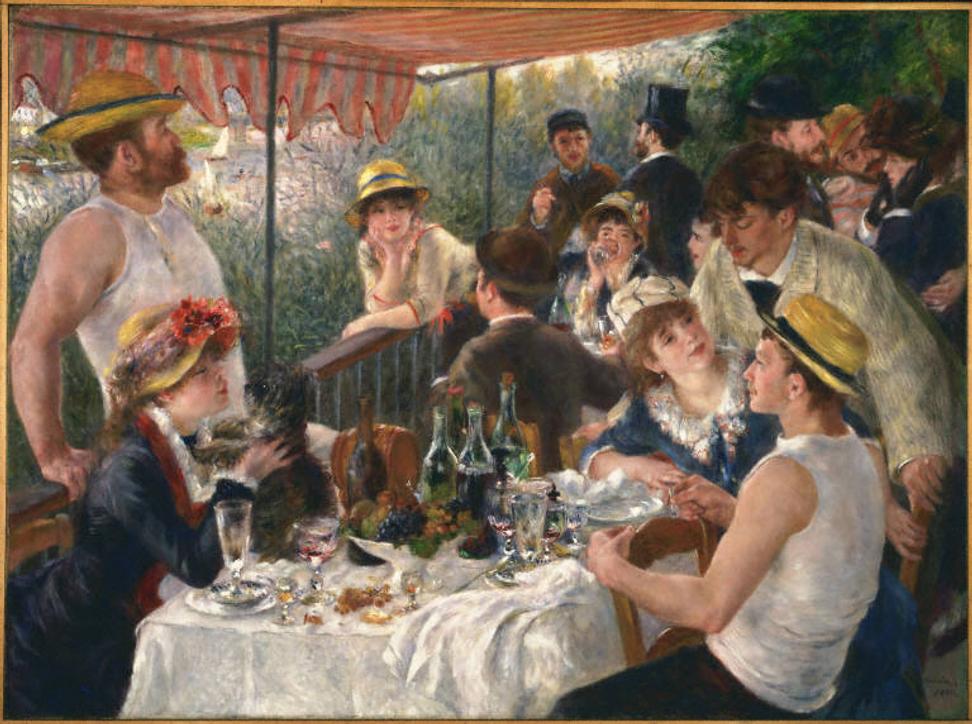
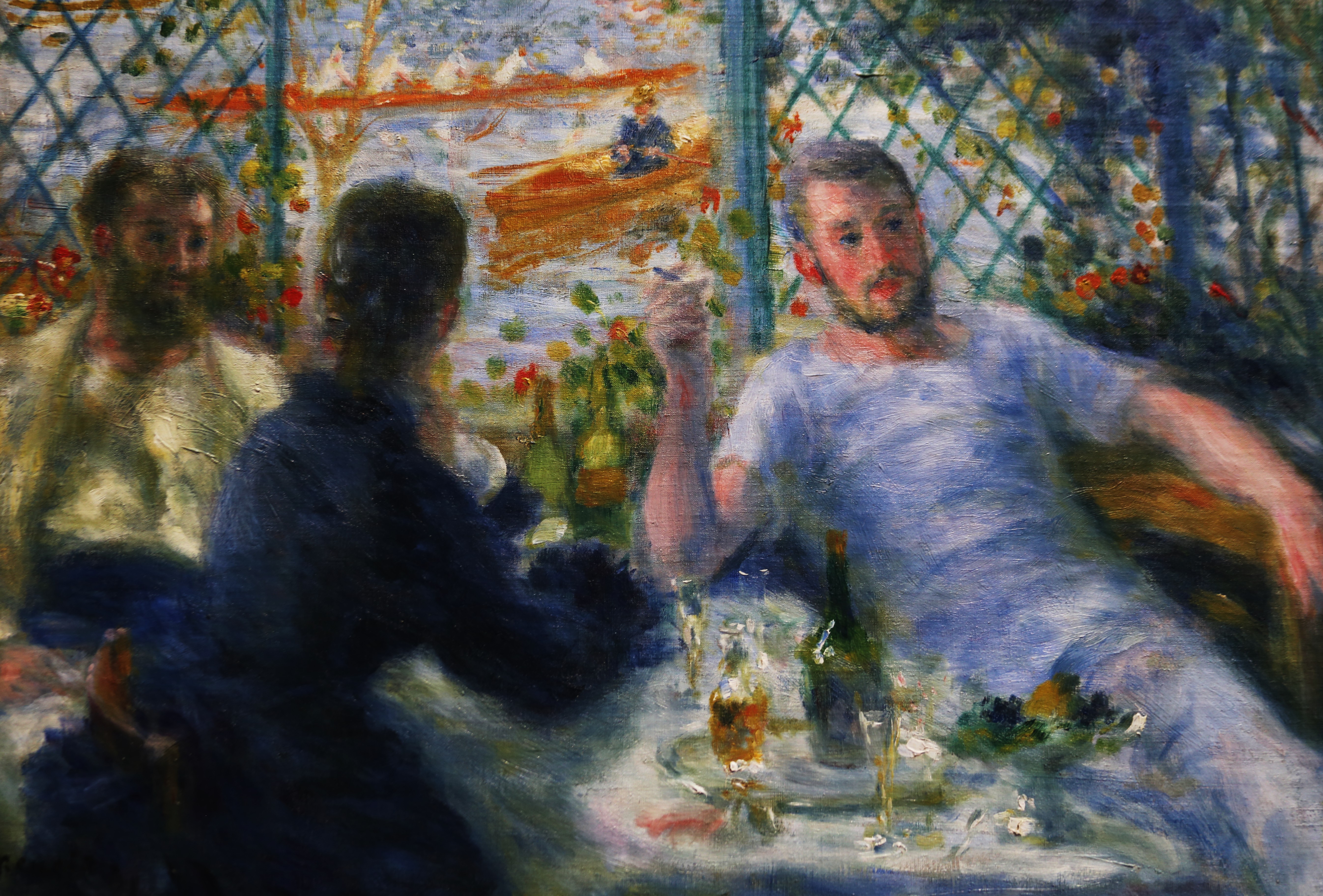
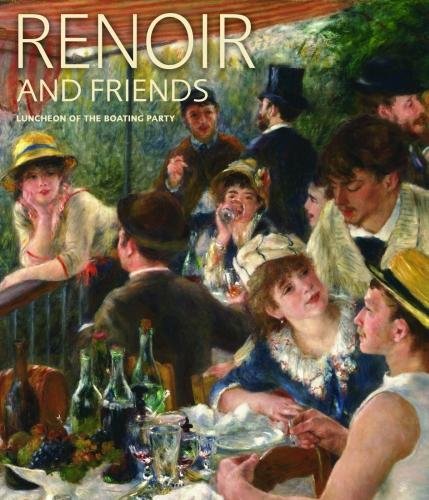
Opening this fall on October 7, The Phillips Collection presents an exceptional exhibition inspired by the museum’s celebrated Luncheon of the Boating Party (1880–81) by Pierre Auguste Renoir. Comprised of more than 40 carefully chosen works from private and public collections around the world, Renoir and Friends: Luncheon of the Boating Party explores the process by which the artist created his masterwork, while also recounting and illustrating stories of the diverse circle of friends who inspired it.

Pierre-Auguste Renoir, Luncheon of the Boating Party, 1880–81.  Oil on canvas, 51 1/4 x 69 1/8 in.  The Phillips Collection, Washington, DC, Acquired 1923
  • Pierre-Auguste Renoir, Luncheon of the Boating Party, 1880–81. Oil on canvas, 51 1/4 x 69 1/8 in. The Phillips Collection, Washington, DC, Acquired 1923

“As the Phillips draws closer to our centennial year, it is a very fitting time to shed new light on one of the gems of our permanent collection,” said Phillips Director Dorothy Kosinski. “I am delighted that Renoir’s masterwork will be displayed alongside numerous other works by the artist and his contemporaries, helping further contextualize this remarkable painting.”

Recognized today as one of the greatest achievements of the artist’s career, the work is a marvel of plein-air painting on a grand scale. While no known preparatory studies exist for this masterwork, the years before Renoir completed Luncheon of the Boating Party were marked by encounters with riverside locations along the Seine west of Paris and with specific individuals who helped him realize his ambitious undertaking. No other large-scale painting by Renoir with the exception of the  

 https://upload.wikimedia.org/wikipedia/commons/thumb/4/40/Auguste_Renoir_-_Dance_at_Le_Moulin_de_la_Galette_-_Mus%C3%A9e_d%27Orsay_RF_2739_%28derivative_work_-_AutoContrast_edit_in_LCH_space%29.jpg/1200px-Auguste_Renoir_-_Dance_at_Le_Moulin_de_la_Galette_-_Mus%C3%A9e_d%27Orsay_RF_2739_%28derivative_work_-_AutoContrast_edit_in_LCH_space%29.jpg

Dance at the Moulin de la Galette (1876) comprises as many figures as Luncheon of the Boating Party. While never intended as a group portrait, the 14 individuals depicted in the painting appear nonetheless highly individualized and based on specific people in Renoir’s life.

“Luncheon of the Boating Party represents so much more than a diverse group of friends having a lovely time,” said Phillips Chief Curator Emerita, and project director, Eliza Rathbone. “Much has been written about Renoir and his work. Our project seeks to separate fact from fiction and to uncover as much specific detail and evidence as possible in order to bring to life this group of journalists, critics, models, collectors, and world travelers. By looking closely at these individuals who inspired Renoir, we find ourselves in a fascinating backstory that sheds light not only on this great enterprise and its models but on the artist himself.”

A room in the exhibition dedicated to research on the masterwork will feature an in-gallery interactive that uses findings from x-radiographic and infrared images and paint cross-sections. 

“Drawing upon a recent technical study on Luncheon of the Boating Party, I am excited to share new discoveries made about the painting,” said Phillips Head of Conservation Elizabeth Steele. “Inspection of the surface in raking light compared to the same passages in x-radiographic and infrared images reveal numerous changes that the artist made while completing the painting, and scientific analysis of the paint layers further illuminates these revisions. Through richly illustrated text panels and a groundbreaking in-gallery interactive, visitors will for the first time be able to track Renoir’s development of the composition on their own.”

 GETTING TO KNOW THE BOATING PARTY  

While never intended as a group portrait, the individuals depic ted in the  painting appear nonetheless highly individualized and based on  specific  people in Renoir’s life. Figures seen in  Luncheon of the Boating Party who  were especially influential during Renoir’s career include his  wife and  frequent muse Aline Charigot, artist and boating enthusiast Gustave  Caillebotte, and art critic and  collector Charles Ephrussi.  

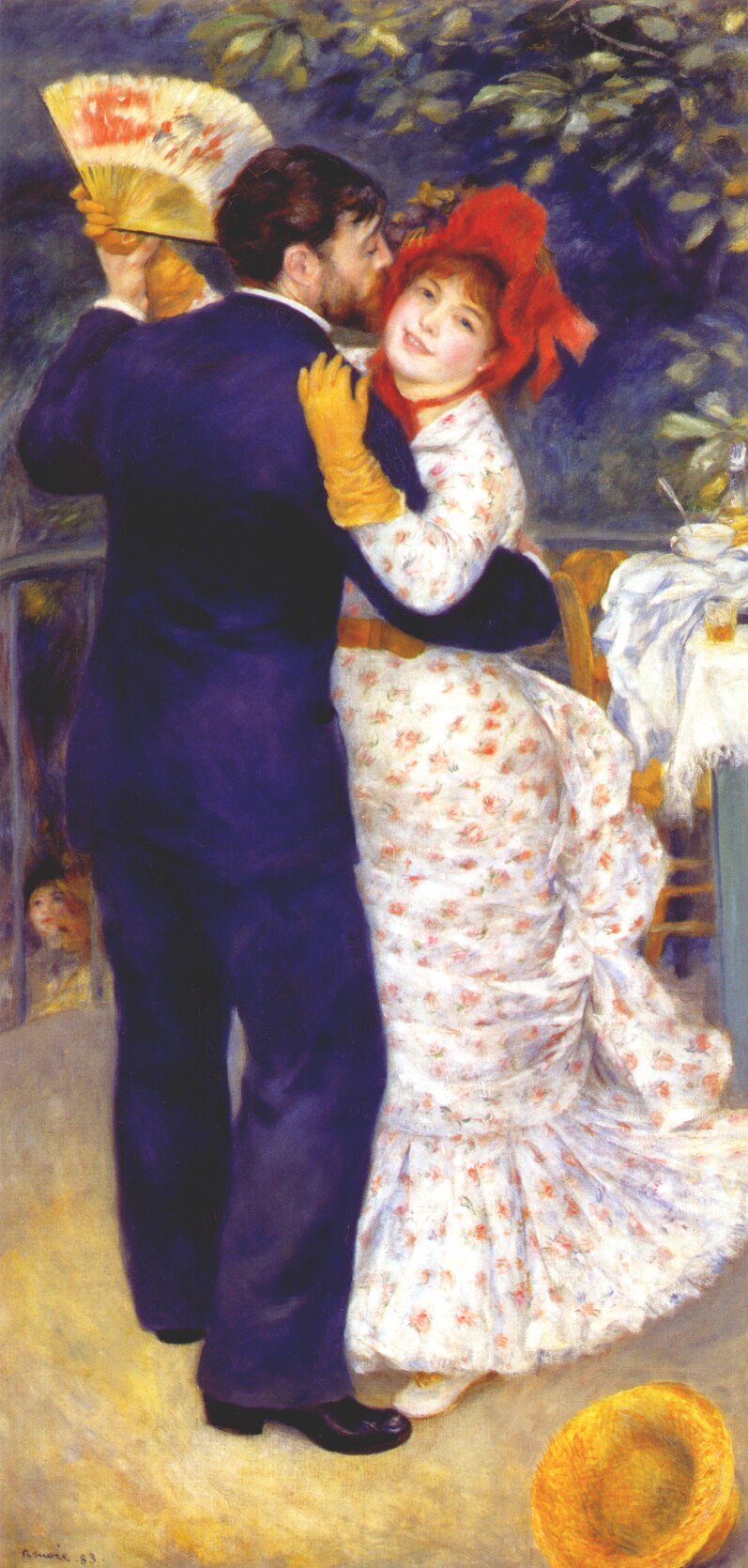
Displayed alongside the famed masterpiece will be rare and iconic works by  the artist and his contemporaries that offer insight into Renoir’s fascinating  group of friends. Aline Charigot appears in important works that include  

https://uploads1.wikiart.org/images/pierre-auguste-renoir/dance-in-the-country-1883-1.jpg
Pierre-Auguste Renoir,  The Dance in the Country , 1883. Oil on canvas, 70 7/8 x 35 7/16 in. Musée d'Orsay, Paris / Bridgeman Images 

Dance in the Country (1883) from the Musée d'Orsay 

as well as loans from the Rhode  Island School of  Design Museum; Museum of Fine Arts, Boston; Philadelphia Museum of Art; among others. A rich  spectrum of works by Renoir’s close friend Gustave Caillebotte will also be on v iew. 

https://blogger.googleusercontent.com/img/b/R29vZ2xl/AVvXsEhw9IKnojYINtJDRPaQXqDSe2AOw8E7tEuVTFcGsfhhb0r9y7TZM0OpUMAAQJalJH1KbYKIR5P6jgtOnUnT80dcatlN4oJZ9DXXVkWtSAYjIFv9VhWmn_P5olb1FX-vxVKVTVaZM9aKwOQ/s1600/Caillebotte%252C+A+Man+Docking+His+Skiff%252C+Virginia+Museum+of+Fine+Arts.jpg


Gustave Caillebotte, A Man Docking His Skiff , 1878. Oil on canvas, 29 x 36 1/2 in. Virginia Museum of Fine Arts, Richmond, Collection  of Mr. and Mrs. Paul Mellon. Photo: Katherine Wetzel © Virginia Museum of Fine Arts 


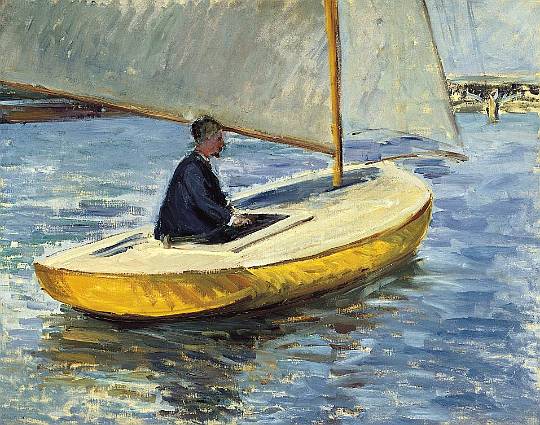
Highlights include  Gustave Caillebotte A Man  Docking His Skiff (1878) from the Virginia Museum of Fine  Arts,  and


https://uploads5.wikiart.org/images/gustave-caillebotte/the-yellow-boat.jpg

The Yellow Boat (1891) from the Norton Simon  Museum,

and rarely seen loan s from private collections. 

The stories of Renoir’s models will also be told through photographs, prints, drawings,  and even a small selection  of hats, on loan from the Museum of the City of New York,  similar to those worn by the individuals depicted.  

Just as Phillips imagined it would be when he bought the painting in 1923,  Luncheon of the Boating Party by Renoir remains the best known and most popular work of art at The Phillips Collection. The painting  captures an idyllic atmosphere of friends sharing food, wine, and conversation on a balcony overlooking  the Seine at the Maison Fournaise restaurant in Chatou. Parisians flocked to the Maison Fournaise to rent rowing skiffs, eat a good meal, or stay the night. The painting also reflects the changing character of French society in the mid‐to late 19th century. The restaurant welcomed customers of many classes, including businessmen, society women, artists, actresses, writers, critics, seamstresses, and shop girls. This diverse group embodied a new, modern  Parisian society.  


 Renoir and Women Models  

Renoir celebrated not only natural female beauty but also a wom n’s attire and the way in which the line of a dress or shape of a hat could flatter her appearance. The son of a tailor and a dressmaker, he naturally came by this appreciation for line, texture, and style. Friends and mistresses would pose for him as a favor, but he also hired models in Montmartre. His friend Georges Rivière described how Renoir diplomatically persuaded certain young women to model for him by charming their mothers,

Among  those who appear in Renoir’s work numerous times in the late 18 70s and early 1880s were three  actresses—Ellen Andrée, Angèle (who also made a living as a florist), and Jeanne Samary—as well as Alphonsine Fournaise, daughter of the owner of the Maison Fourn aise, whom he often saw at her  father’s establishment in Chatou. 

In his desire to paint scenes from contemporary life, Renoir preferred  to depict individuals in their familiar surroundings. 

Aline Charigot  

Aline Charigot spent her childhood in the village of Essoyes, but came to Paris to join her mother in 1874, and lived not far from Renoir ’s studio on rue Saint Georges. She probably met Renoir in 1879, when she was 20 years old. She was younger than Renoir by 18 years, entering his life as he was beginning to receive the recog nition and commissions necessary to stabilize his ca eer. In 1885 they had  their first child, and in 1890 they were married. They had three sons: Pierre, Jean, and Claude. According  to Jean’s descriptions of his mother, she was the ideal partner for his father: a generous companion who never lost her love of the countryside, and when they acquired their property in Cagnes, was ready to roll up her sleeves and work the land. She served as a regular  model for her husband, and, according to  Jean, all his father’s paintings of women after he met Charigot resemble her to some degree.

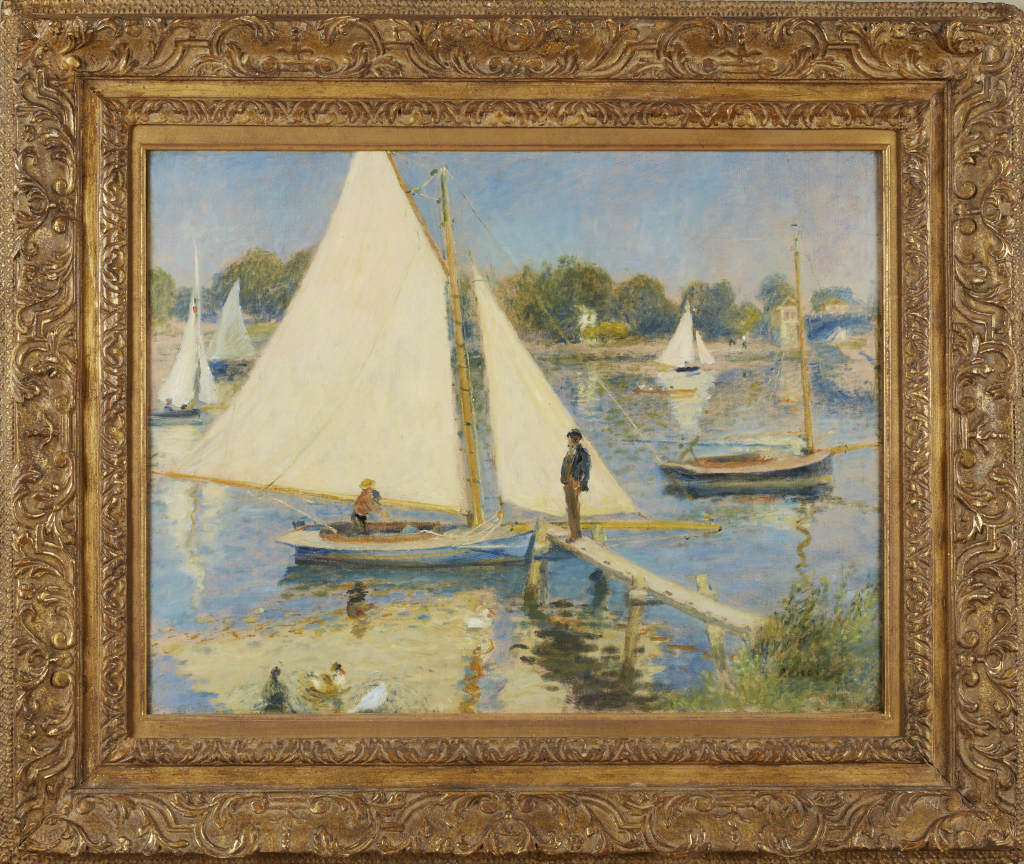
http://portlandartmuseum.us/MWEBimages/IMAGES/PERMANENT%20COLLECTION/1930/0035_0026_0000_01_P.jpg

Pierre-Auguste  Renoir,  The Seine at Argenteuil , 1874. Oil on canvas, 19 3/4 x 25 3/4 in. Portland Art Museum, Oregon, Bequest of  Winslow B. Ayer 


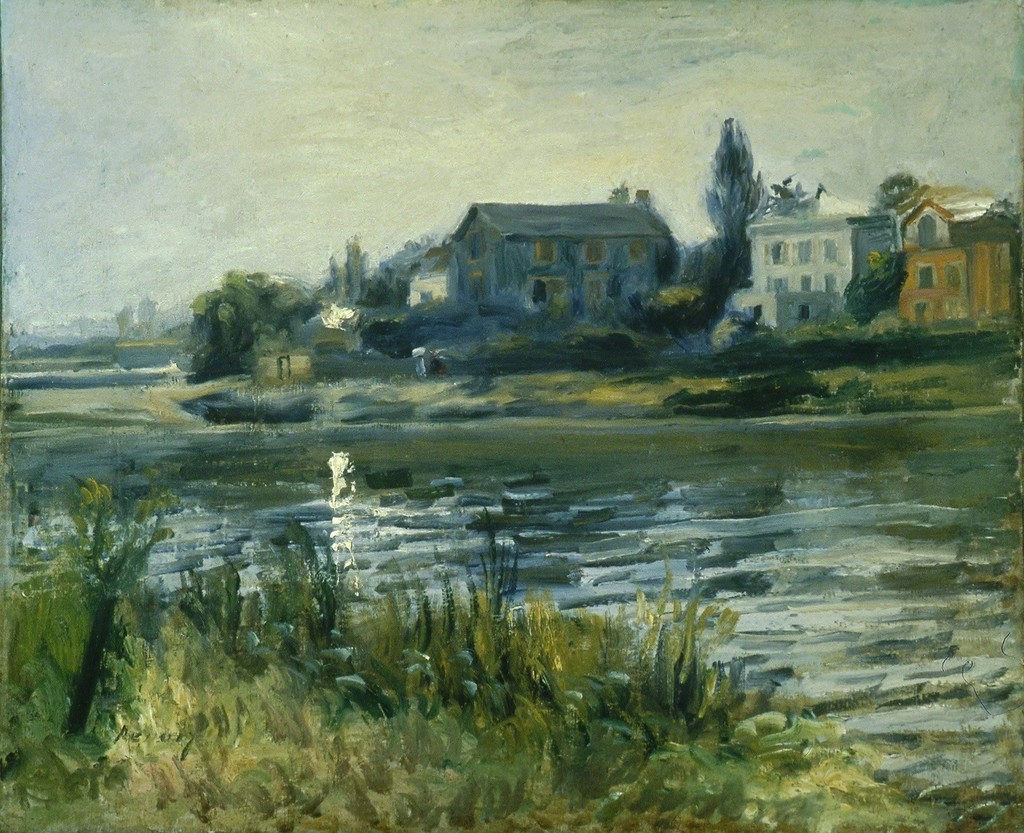
PIERRE‐AUGUSTE RENOIR (1841–1919)  The Seine at Chatou  (La Seine à Chatou)  1874  Oil on canvas  Dallas Museum of Art, The Wendy and Emery Reves Collection  During the 1870s, Renoir often vis ited Chatou, the site of the  Maison Fournaise, where he painted  Luncheon of the Boating Party . In his lively rendering of a  gusty day on the water, Renoir i ncludes a  sailboat, signaling in his paintin g the growing popularity of t he sport.  The Phillips Collection thanks Alan Inouye for his support in b ringing this work to Washington.  


 https://jacquelinemhadel.files.wordpress.com/2015/06/hi-097.jpg

Pierre-Auguste Renoir,  Lunch at the Restaurant Fournaise (The Rower’s Lunch) , 1875. Oil on canvas, 21 5/8 x 25 15/16 in. The Art  Institute of Chicago, Potter Palmer Collection 

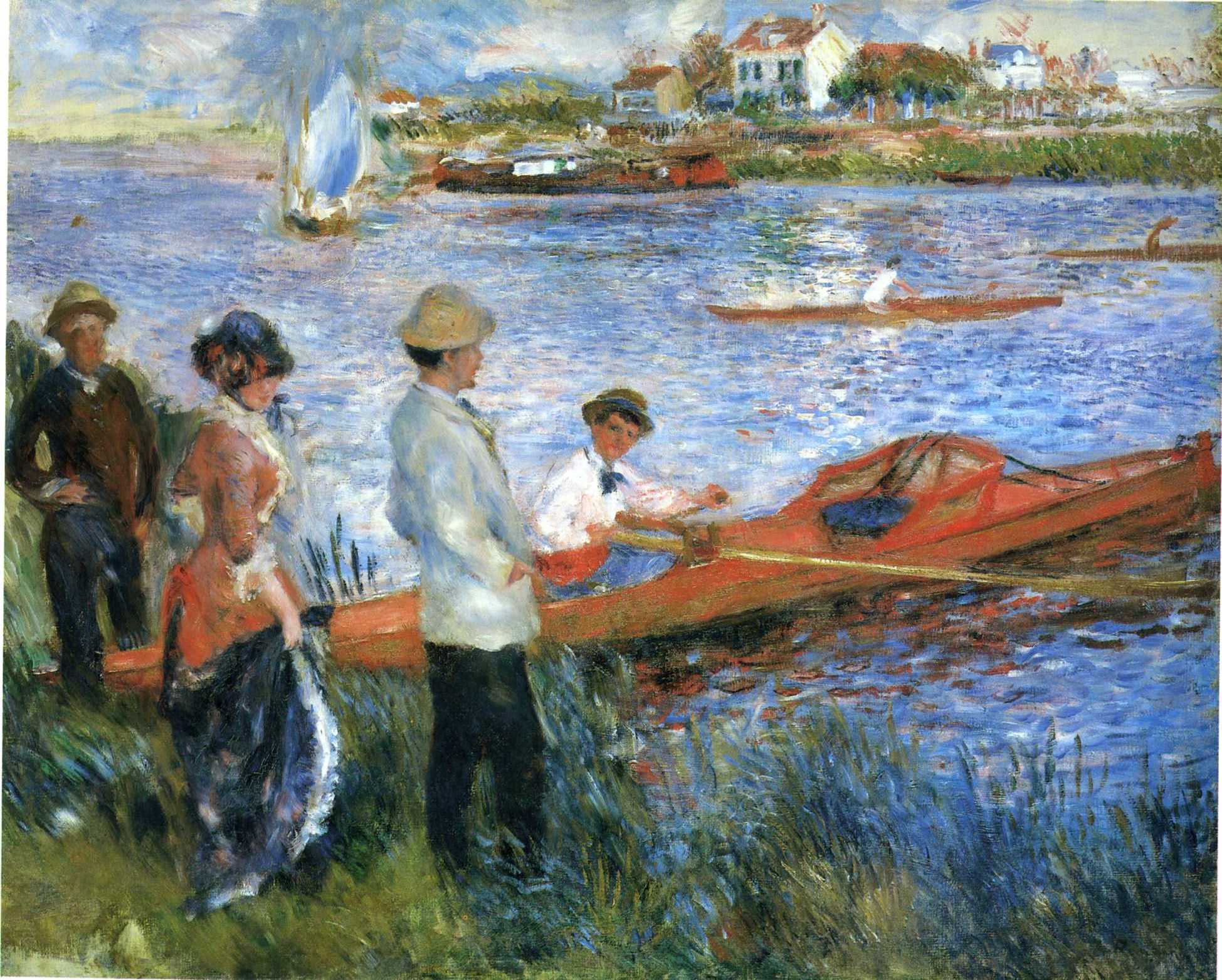
https://uploads5.wikiart.org/images/pierre-auguste-renoir/oarsmen-at-chatou-1879.jpg

Pierre-Auguste Renoir,  Oarsmen at Chatou, 1879. Oil on canvas, 31 15/16 x 39 7/16 in. National Gallery of Art, Washington, DC, Gift of  Sam A. Lewisohn 
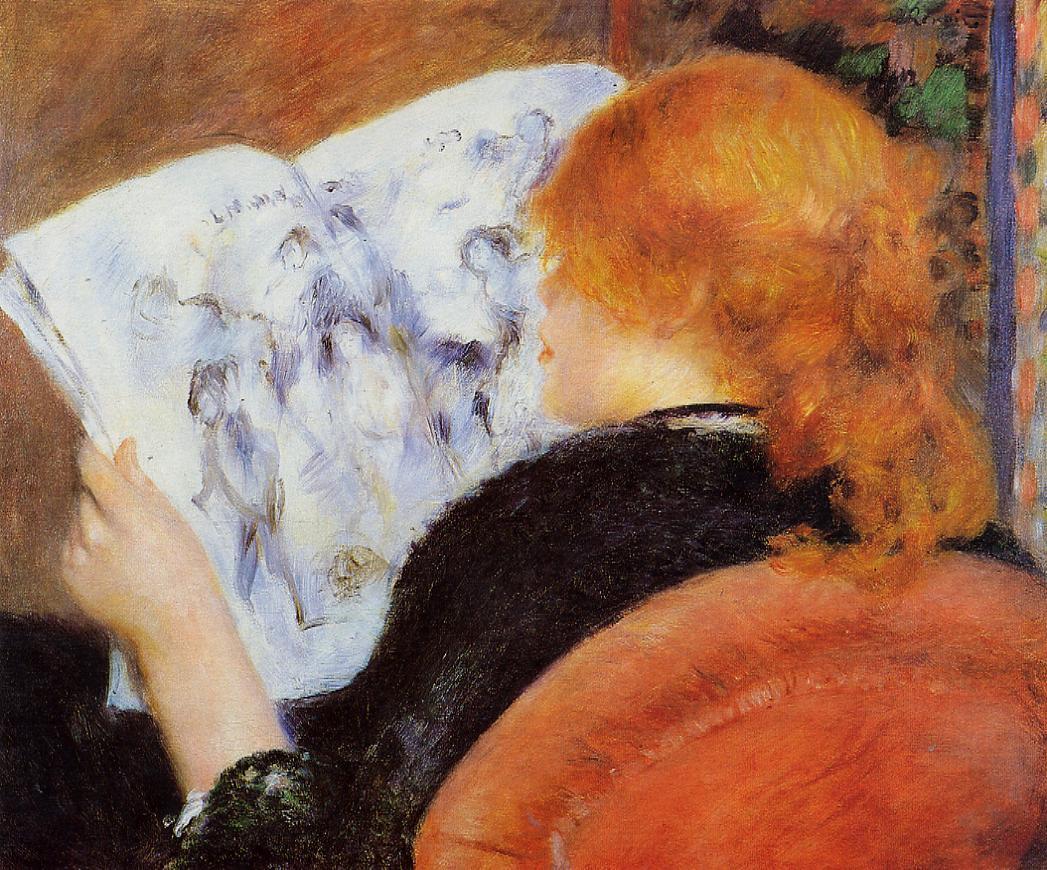
https://uploads7.wikiart.org/images/pierre-auguste-renoir/young-woman-reading-an-illustrated-journal.jpg

Pierre-Auguste Renoir,  Young Woman Reading an Illustrated Journal, 1880. Oil on canvas, 18 1/4 x 22 in. Museum of Art, Rhode Island  School of Design, Providence, RI, Museum Appropriation Fund 22.125 
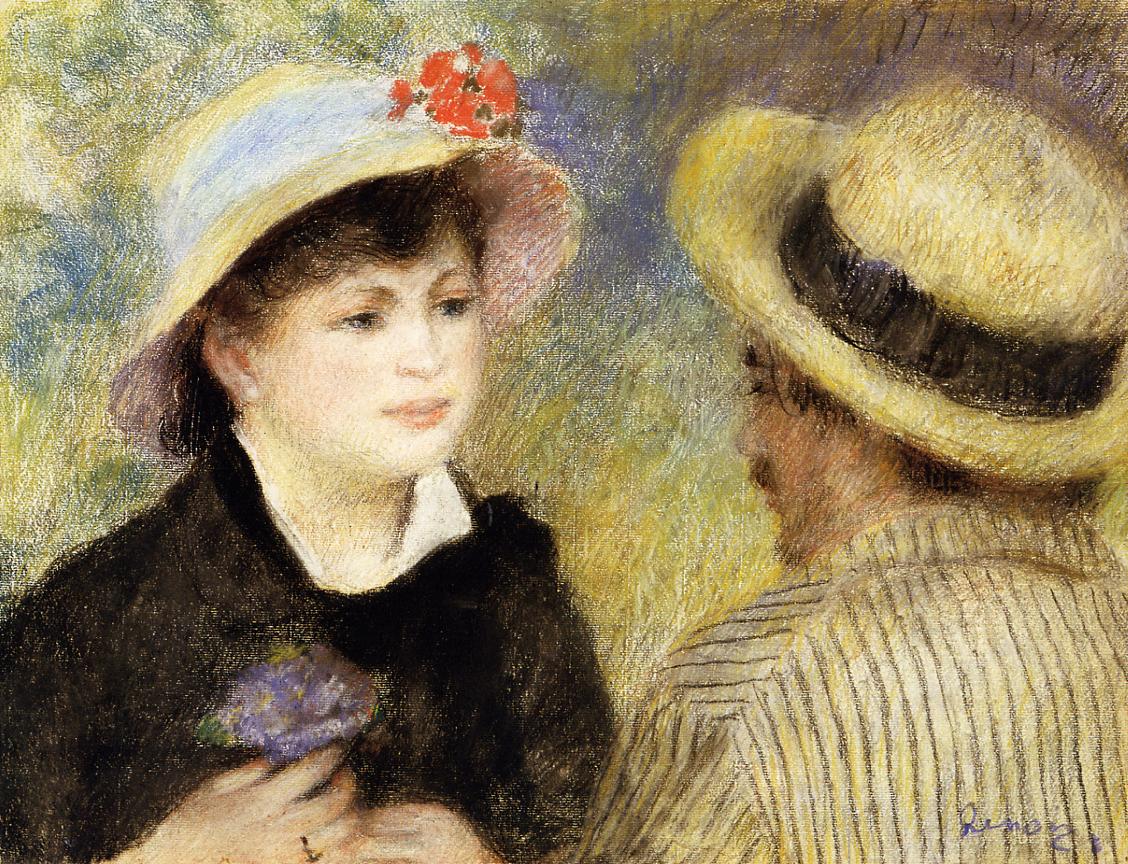
https://uploads1.wikiart.org/images/pierre-auguste-renoir/boating-couple-aline-charigot-and-renoir-1881.jpg

 Pierre-Auguste Renoir,  Boating Couple [said to be Aline Charigot and Renoir] , 1880–81. Oil on canvas, 17 3/4 x 23 in. Museum of Fine  Arts, Boston, Given in memory of Governor Alvan T. Fuller by the Fuller Foundation 

http://p8.storage.canalblog.com/83/17/119589/117441719_o.jpg

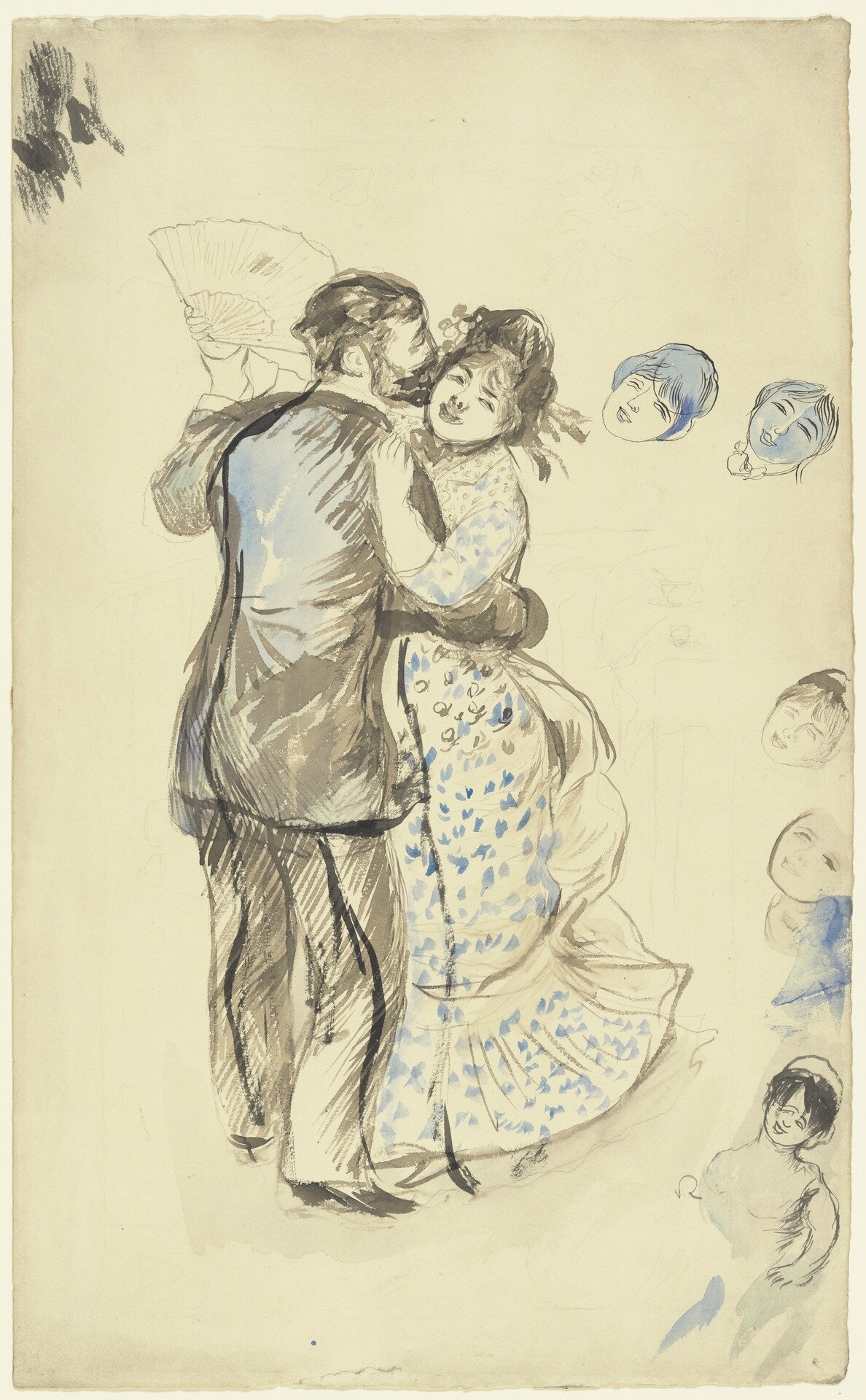
Pierre-Auguste Renoir,  Dance in the Country , 1883. Brush and brown, blue, and black wash over black chalk or graphite, 19 1/2 x 12 in.  Yale University Art Gallery, Bequest of Edith Malvina K. Wetmore 

https://i.pinimg.com/736x/78/c5/58/78c5589ca015cbaeea88e6dcd7d6758b--global-art-art-market.jpg


Gustave Caillebotte,  Sailboats on the Seine at Argenteuil, 1893. Oil on canvas, 28 7/8 x 17 in. Private collection 

 http://p5.storage.canalblog.com/58/87/119589/117441841_o.jpg

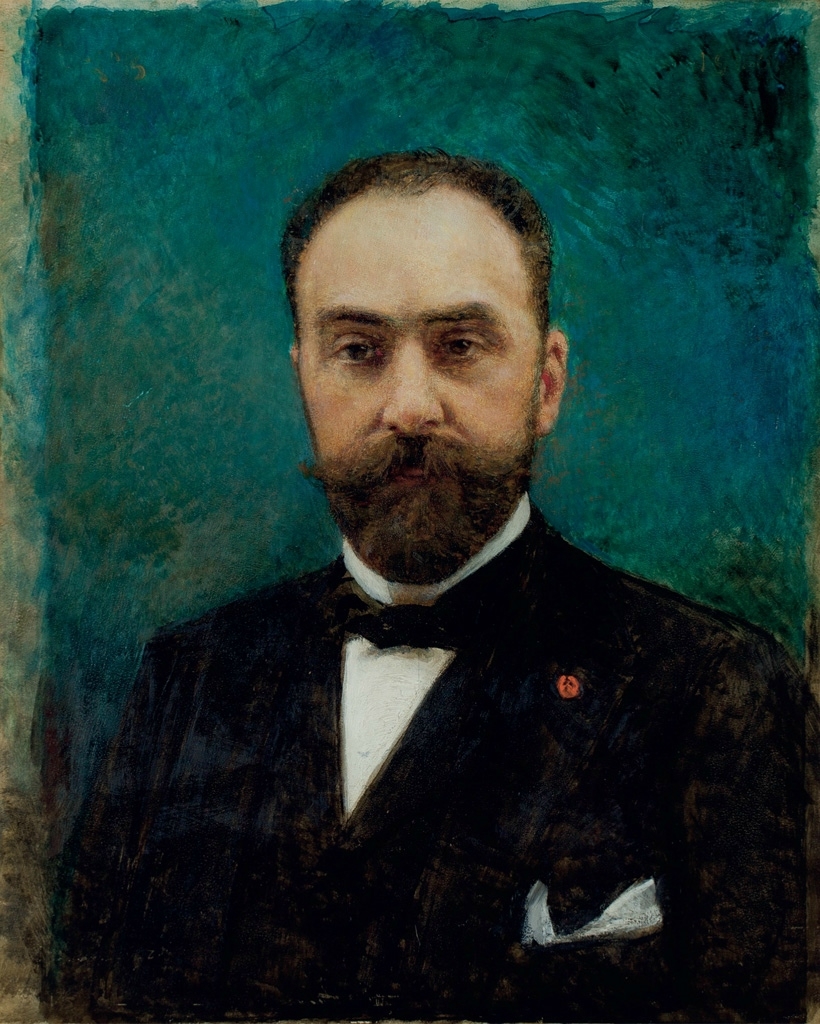
Léon Bonnat ,  Portrait of Charles Ephrussi , 1906. Oil on canvas, 18 x 15 in. Private collection. Photo: Vincent DUFOURNIER 

Success came slowly to Renoir. The Franco‐Prussian War of 1870– 71 caused economic depression in  France. Impressionism was controversial and not well received by tradition‐bound critics and institutions. But the establishment of the Third Republic broug ht a tide of optimism and prosperity that  lifted Renoir’s fortunes toward the end of the decade. Keenly a ware of the value of personal contacts  and social connections, the artist cultivated the support of wr iters who understood and praised his work  and collectors who purchased, and  soon, in greater numbers, com missioned portraits and decorations.  

Among those who helped him weather the challenging years of the 1870s were the very individuals who  modeled in 1880 for  Luncheon of the Boating Party. A diverse group of men and women—many of  them well‐traveled and worldly,  many of them stars of their chosen fields, and some of them in  positions of significant influence in the art world—these friends offered Renoir essential support and  encouragement. 

Museum founder Duncan Phillips purchased  Luncheon of the Boating Party from the Durand‐Ruel  Gallery for the reco rd sum of $125,000 in 1923, just two years  after he opened his museum to the  public. The only painting by Renoir in his collection,  Luncheon of the Boating Party has remained the  museum’s greatest treasure. 

 Gustave Caillebotte  

Two documents in the archives of the Durand‐Ruel Gallery tell us that Gustave Caillebotte served as a  model for  Luncheon of the Boating Party , one of which identifies him sp ecifically as the man in the lo wer  right corner of the composition.  Renoir’s good friend was not o nly a painter but also a designer of boats,  an oarsman, and a distinguishe d yachtsman. By 1879, Caillebotte owned his own sailboat, participated in regattas in Argentue il, and had joined the  Cercle de la Voile de Paris (Sailing Club of Paris); he became a vice president of the club in 1880. Born into a family that made its money in the textile business,  Caillebotte used his considerable means to support his Impressionist colleagues and to purchase their  work. Among his early acquisitions was Renoir’s  Dance at the Mou lin de la Galette (1876, Musée  d’Orsay), shown at the third I mpressionist exhibition. Caillebotte’s friendship with Renoir was a close  one: in 1876, Caillebotte named Renoir executor of his will, and when Renoir and Charigot had their first  son in 1885, they asked Caillebotte to be the child’s godfather. 


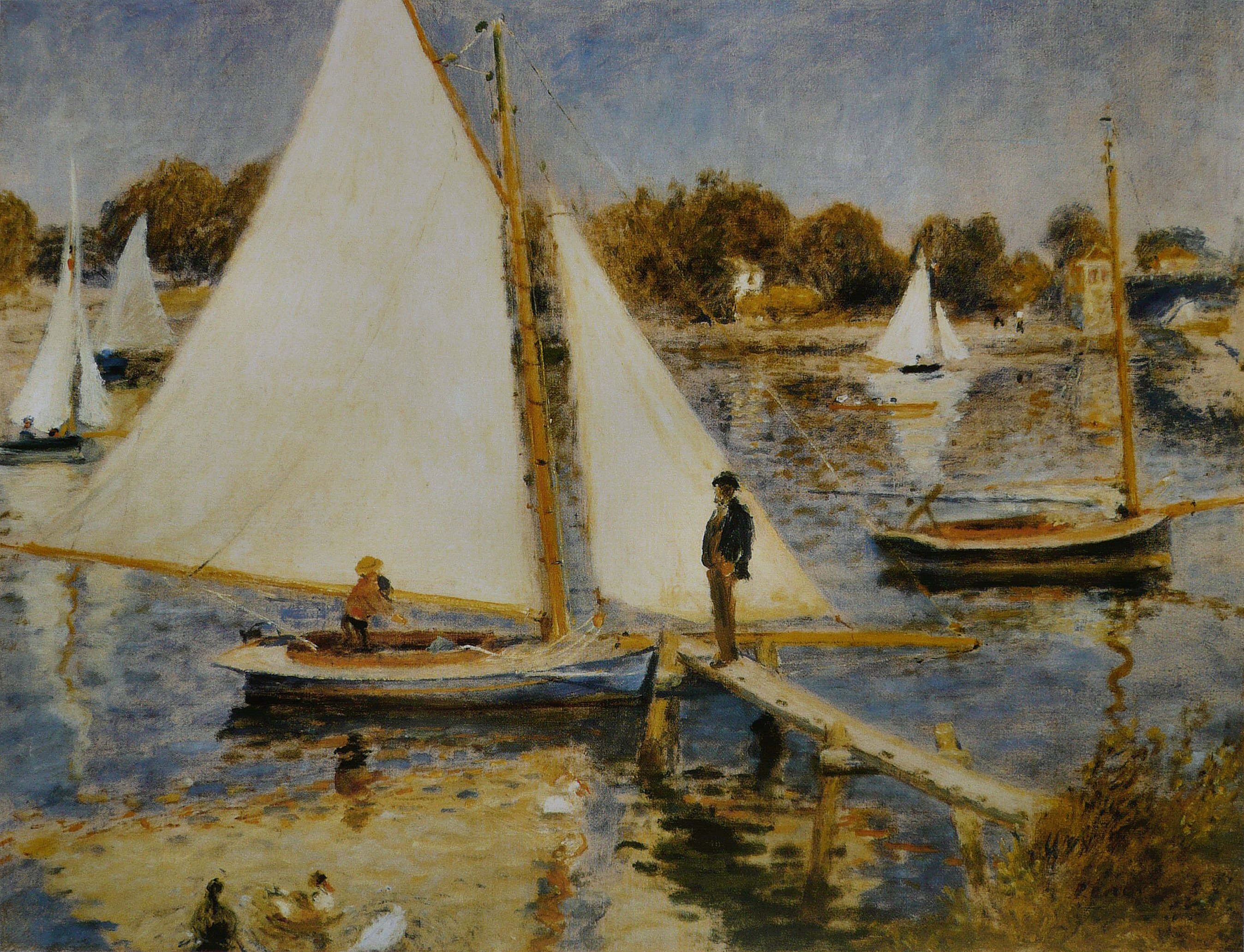
https://upload.wikimedia.org/wikipedia/commons/6/6b/Pierre-Auguste_Renoir_-_La_Seine_%C3%A0_Argenteuil.jpg

PIERRE‐AUGUSTE RENOIR (1841–1919)  The Seine at Argenteuil  (La Seine à Argenteuil)  1874  Oil on canvas  Portland Art Museum, Oregon, Bequest of Winslow B. Ayer  Presumed to have been created on an outing with Claude Monet, w ho painted the same view, this  landscape offers Renoir’s interpr etation of a sailboat coming into dock on the Seine at Argenteuil, a  location renowned for its sailing regattas that provided a lively  plein air subject for Renoir, Monet,  Manet, and other fellow Impressionists.   

https://d32dm0rphc51dk.cloudfront.net/PaUyPY1bPLpWCjWvARAErQ/larger.jpg

PIERRE‐AUGUSTE RENOIR (1841–1919)  The Seine at Chatou  (La Seine à Chatou)  c. 1871  Oil on canvas  Art Gallery of Ontario, Toronto, Purchased 1935 As early as 1869, Renoir was exploring the banks of the Seine west of Paris, seeking subjects for his developing Impressionist style. His mother lived near Louveciennes, not far from Chatou, where he would frequent the Maison Fournaise with its restaurant, lodging, and boats for hire.   

https://uploads0.wikiart.org/images/pierre-auguste-renoir/boating-at-argenteuil-1873.jpg

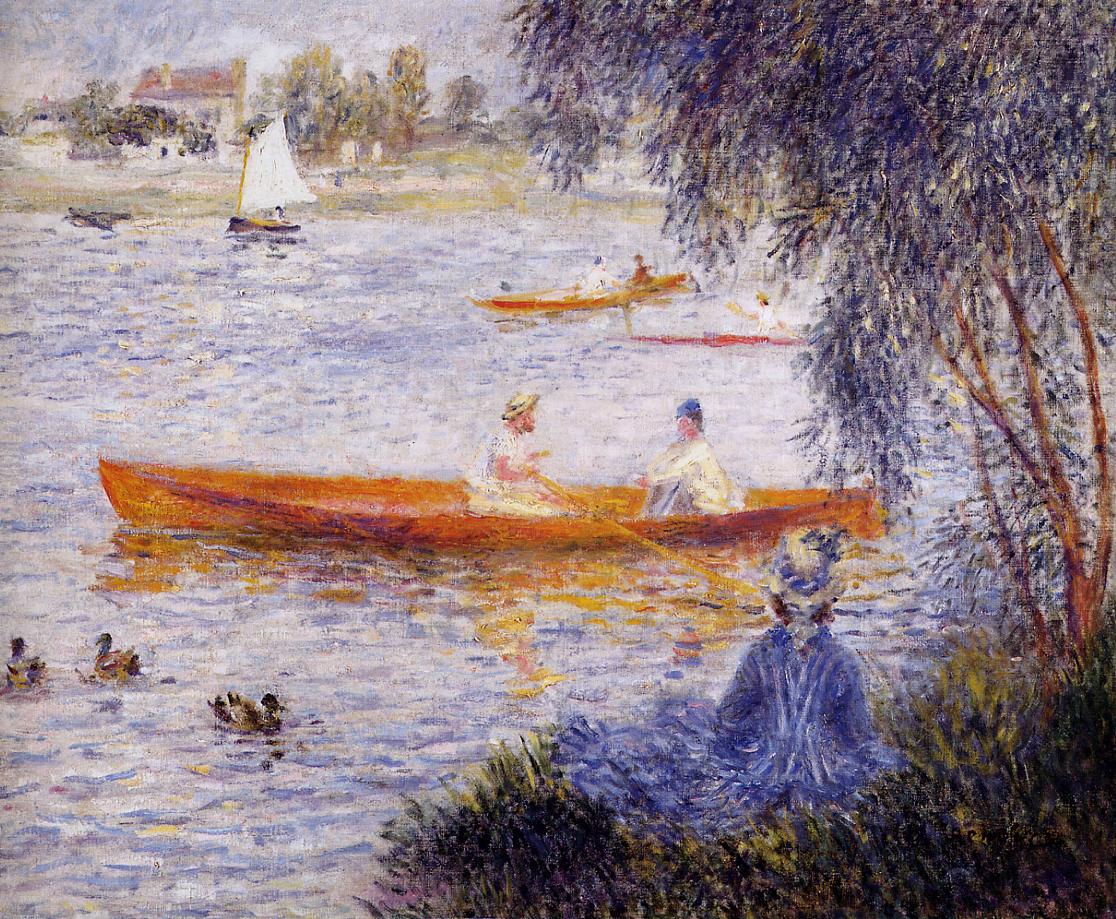
PIERRE‐AUGUSTE RENOIR (1841–1919)  Boaters of Argenteuil (Canotiers d’Argenteuil)  1873  Oil on canvas  Larry Ellison Collection  This delightful landscape celebr ates many reasons for leaving the heat, bustle, and filth of Paris for an  outing in the country: sailing, rowing, and enjoying river activities from a shady bank.

http://frenchart.umsl.edu/wp-content/uploads/2013/10/Renoir-Reveuse.jpg

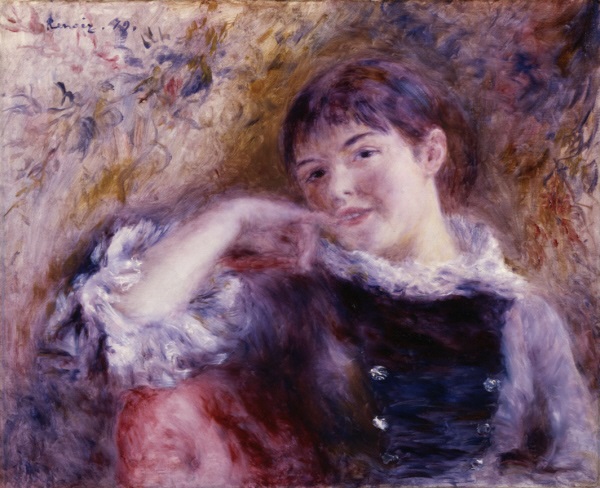
PIERRE‐AUGUSTE RENOIR (1841–1919)  The Dreamer (La Rêveuse)  1879  Oil on canvas Saint Louis Art Museum, Museum purchase The model for this painting is thought to be Alphonsine Fournai e, whom Renoir often saw at the  Maison Fournaise in the late 1870s. She posed for him regularly during the years leading up to Luncheon  of the Boating Party . Although there is no direct evidence that Alphonsine modeled  for the young  woman leaning on the railing of the balcony in the grand composition, she may have occasionally joined  the clientele at the Fournaise in such a way.  

https://upload.wikimedia.org/wikipedia/commons/1/19/Pierre-Auguste_Renoir%27s_%27Paysage_Bords_de_Seine%27%2C_The_Potomack_Company_auction_gallery_in_Alexandria%2C_VA.jpg

 PIERRE‐AUGUSTE RENOIR (1841–1919)  On the Shore of the Seine (Paysage bord du Seine)  c. 1879  Oil on linen  The Baltimore Museum of Art, Sadie A. May Bequest, Courtesy of  the Fireman’s Fund Insurance  Company  This quickly executed  oil study was probably a gift from Renoir to Alphonsine Fournaise to thank her for modeling for him. In 1864 she married Louis Joseph Papillon, an d we know that a Madame Papillon once owned this piece.  

 EDGAR DEGAS (1834–1917)  Portrait of Ellen Andrée (Portrait d’Ellen Andrée)  c. 1876  Monotype in black and brown ink on ivory paper  The Art Institute of Chicago, Potter Palmer Collection  Ellen Andrée, born Hélène André  around 1855, started acting in  1879. She was a favorite of Degas,  Manet, and Renoir, using her talents as an actress to play many roles as a model. In the early 1880s she  gave up modeling entirely and in 1887 she joined a naturalist t heater, the Teâtre‐Libre. Her career took her to the United States, Argentina, and Russia. She married He nri Julien Dumont, a painter who  specialized in flowers. Degas mad e several portraits of her and she modeled for his painting In a Café  (L’Absinthe) .   

EDGAR DEGAS (1834–1917)  The Actress Ellen Andrée  (L’actrice Ellen Andrée)  1879  Drypoint  Museum of Fine Arts, Boston, Katherine E. Bullard Fund in memo ry of Francis Bullard, by exchange  Ellen Andrée is thought to have modeled for  Luncheon of the Boating Party as the woman in the center  of the composition raising a gla ss to her lips and/or the woman in the lower right corner looking up.   

PIERRE‐AUGUSTE RENOIR (1841–1919)  Bridge at Chatou (Pont à Chatou)  c. 1875  Oil on canvas  Sterling and Francine Clark Art I nstitute, Williamstown, Massachusetts  This bridge crossing the Seine at Chatou is visible from the balcony of the Fournaise restaurant and can  be glimpsed in the background of  Luncheon of the Boating Party.  The Phillips Collection thanks Greg and Bess Ballentine for the ir support in bringing this work to  Washington.  

 PIERRE‐AUGUSTE RENOIR (1841–1919)  Woman with a Fan (Femme à l’éventail)  c. 1879  Oil on canvas  Sterling and Francine Clark Art I nstitute, Williamstown, Massachusetts  Woman with a Fan probably depicts Jeanne Samary. Her dressing room at the Coméd ie‐Française was  decorated with striped wallpaper and had Japanese fans on the ceiling. This is one of at least five images  of Samary that Renoir made in t he late 1870s. The artist’s son, Jean, wrote that she modeled for  Luncheon of the Boating Party , and she has been identified as the woman in the upper right c orner  surrounded by admirers.  Jeanne Samary—Smiling  Digital print from a 19th‐century original  Comédie‐Française Bibliothèque‐musée, Paris  Famous for her smile and as a brilliant per former of Molière, J eanne Samary dazzled the audience at the  Comédie‐Française, where she d ebuted in 1875. She lived with he r parents near Renoir’s studio until she  married a banker in 1880. In 1890  she died of typhoid fever at  age 33.  


 PIERRE‐AUGUSTE RENOIR (1841–1919)  Madame Renoir with a Dog ( Madame Renoir au chien)  1880  Oil on canvas  Collection of Jacques Durand‐Ruel  Aline Charigot posed for Renoir’s work on numerous occasions. A lthough she spent most of her adult life  in Paris, she never lost her lov e for the countryside, swam “li ke a fish,” according to her son Jean, and  enjoyed boating. This painting dates from the summer of 1880, p robably just weeks before the artist  embarked on his major undertaking of  Luncheon of the Boating Party .  [This work may not be photographed]   

PIERRE‐AUGUSTE RENOIR (1841–1919)  Boating Couple (Les Canotiers)  1880–81  Pastel on paper  Museum of Fine Arts, Boston, Given in memory of Governor Alvan  T. Fuller by the Fuller Foundation  The young woman in this pastel wears a ring on her third finger and holds a bouquet of violets. She  gazes into her partner’s eyes a nd is clearly the object of his  affection. This intimate pair is thought to  represent Aline Charigot and Renoir himself. During the summer  of 1880 the couple spent an increasing  amount of time together, not lon g before she took on a starring role in his masterwork,  Luncheon of the  Boating Party .   

PIERRE‐AUGUSTE RENOIR (1841–1919) AND RICHARD GUINO (1890–1973) Mother and Child (Mère et enfant)  1916  Bronze  The Phillips Collection, Acquired 1940 Based on a painting by Renoir fr om 1885 of Aline Charigot feedi ng their first child, this sculpture is one  of several that resulted from a collaboration between the paint er and sculptor Richard Guino. Charigot  died in 1915, prompting Renoir to commemorate her in this piece .  

 PIERRE‐AUGUSTE RENOIR (1841–1919)  Young Woman Reading an Illustrate d Journal (Jeune femme lisant  un journal illustré)  c. 1880  Oil on canvas  Museum of Art, Rhode Island School of Design, Providence, Rhode Island, Museum Appropriation  Fund  Page 8—Wall Text:  Renoir and Friends  Aline Charigot is the young woma n reading a journal in this int imate scene that reflects her interest in  fashion, as well as her close r elationship with the artist.   
   

PIERRE‐AUGUSTE RENOIR (1841–1919)  Young Woman Sewing (Jeune femme cousant) c. 1879  Oil on canvas  The Art Institute of Chicago, Mr. and Mrs. Lewis Larned Coburn  Memorial Collection Charigot, a seamstress, is  probably the subject of  Young Woman Sewing . Like the painting of the woman  reading, it recalls the art of Fr agonard and Vermeer, demonstra ting the deftness with which Renoir  could declare his admiration for these masters while also bring ing his subjects into the present in a  scene of intimate domesticity.   

PIERRE‐AUGUSTE RENOIR (1841–1919)  Mademoiselle Charlotte Berthier  1883  Oil on canvas  National Gallery of Art, Washington, DC, Gift of Angelika Werth eim Frink  Just as Renoir’s friend and fello w artist Gustave Caillebotte p ainted Aline Charigot in the garden of his  house at Petit‐Gennevilliers in 1891, so too did Renoir paint C aillebotte’s sweetheart, Charlotte Berthier,  though a few years earlier and in a more formal indoor setting. 

PIERRE‐AUGUSTE RENOIR (1841–1919)  Oarsmen at Chatou (Les Canotiers à Chatou)  1879  Oil on canvas  National Gallery of Art, Washington, DC, Gift of Sam A. Lewisoh n  The two prominent figures on the  banks of the river are traditi onally identified as Gustave Caillebotte  and Aline Charigot. An oarsman a ppears to extend an invitation  to board, though it is unclear which, if  either of them, will accept.  

Self-Portrait

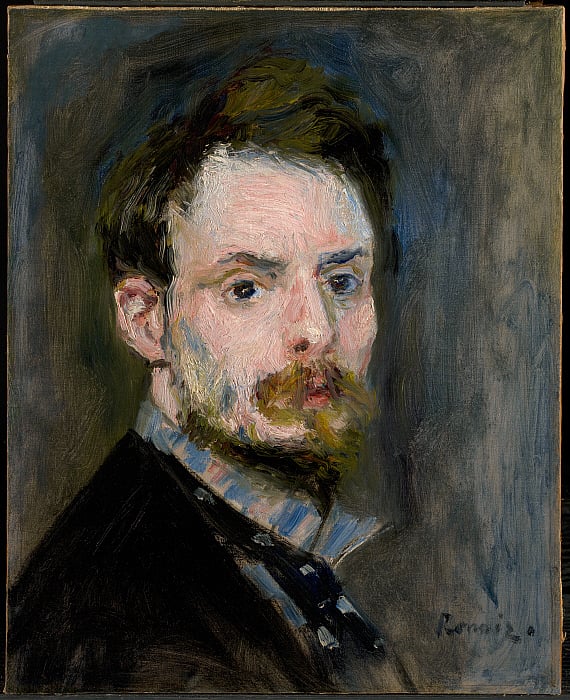
PIERRE‐AUGUSTE RENOIR (1841–1919)  Self‐Portrait (Autoportrait)  c. 1875  Oil on canvas Sterling and Francine Clark Art Institute, Williamstown, Massachusetts  In a rare self‐portrait, Renoir captures the ambitious young ma n that he was in his mid‐thirties,  struggling to make a living as a painter. Just a few years late r, as he approached his fortieth birthday, he  determined not to put off any longer the challenge of a complex group composition to be painted on the  terrace of the Maison Fournaise. 

GUSTAVE CAILLEBOTTE (1848–1894)  Madame Renoir in the Garden at Petit‐Gennevilliers (Madame Renoir dans le jar din du Petit‐Gennevilliers)  1891  Oil on canvas Collection of Bruce Toll  Renoir and Caillebotte were clos e friends until Caillebotte die d of a stroke in 1894 at his home at Petit‐ Gennevilliers. Renoir had painted a portrait of Caillebotte’s l ady friend, Charlotte Berthier, in 1883. Here,  Caillebotte produced an informal portrait of Aline Charigot sit ting in his garden.  [This work may not be photographed]

PIERRE‐AUGUSTE RENOIR (1841–1919)  Man with a Little Hat (L’Homme au petit chapeau)  1877  Oil on canvas  Private collection  Renoir made two small portraits  of his friend Baron Raoul Barbi er in 1877 and 1878. Barbier frequented  the Maison Fournaise and was desc ribed by Georges Rivière as a  man of inexhaustible energy and  goodwill. Barbier modeled for  Luncheon of the Boating Party —although Renoir depicts Barbier from the  back, he is easily identifiable  as he is wearing the same bowle r style hat as in this portrait.  

MARCELLIN DESBOUTIN (1823–1902)  Portrait of Renoir (Portrait de Renoir)  1877  Drypoint Institut national d’histoire de l’art, Paris Marcellin Desboutin, who showed his work in the third Impressionist exhibition of 1876 and also exhibited at the Salon, made paintings and etchings in a relatively conservative style. Joining the Impressionist group at the Café  Nouvelle‐Athènes during the 1870s, he shared their radical views about  art and society. In this portrait of Renoir, Desboutin captured his friend’s relaxed intensity as well as his characteristic informality of dress and posture. 


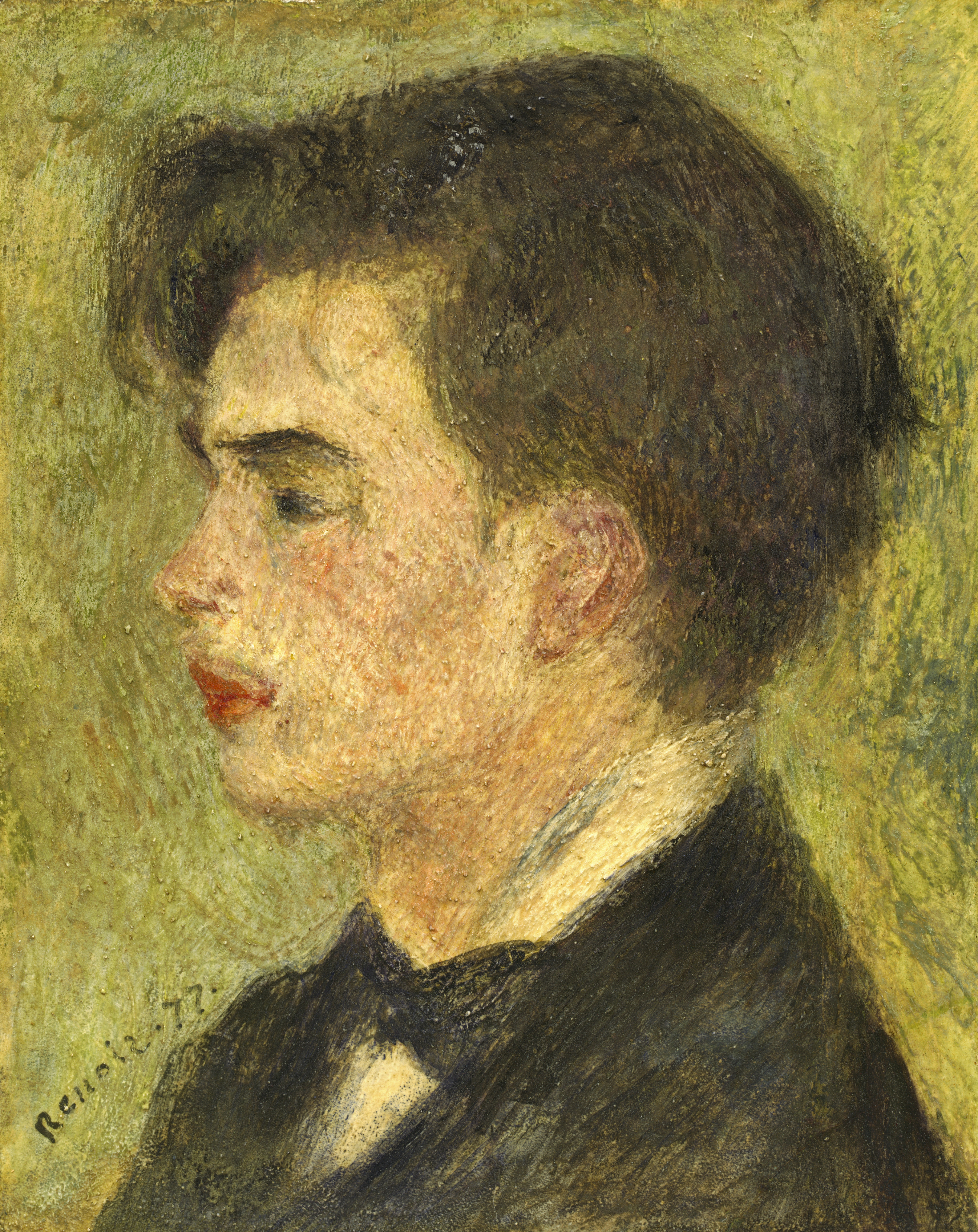
PIERRE‐AUGUSTE RENOIR (1841–1919)  Georges Rivière  1877  Oil on cement  National Gallery of Art, Washington, DC, Ailsa Mellon Bruce Collection  

Renoir’s friend Georges Rivière reviewed the second Impressionist exhibition for the journal L’Esprit moderne and the following year he wrote about the “new painting” of the Impressionists for a short‐lived weekly,  L’Impressioniste, where he again praised Renoir’s work with lavish enthusiasm. He became a close friend of Renoir, often accompanying him to evening soirées at the home of Marguerite and  Georges Charpentier, publishers of  La Vie moderne . Fifteen years younger than the artist, Rivière modeled for Dance at the Moulin de la Galette (1876). This profile portrait of Rivière with his strong brows and pencil‐thin moustache may underlie the face in profile at the center of Luncheon of the  Boating Party.  


https://blogger.googleusercontent.com/img/b/R29vZ2xl/AVvXsEj4lJ3jQIHR9NS7H7VBJzHv8Dom61fZLx6koNdemdN2AlNZzdvy6-nnTRO_sPrvq1YCwUZ8-EuGi4jmQ2PNgzkzfCBjCjckeGwOns9dfQjbg7yfHNKhfYd2Fl0SQJf2qmFdEEcpzBoxxqWr/s1600/Pierre-Auguste+Renoir+Luncheon+of+the+Boating+Party%252C+1881+-+%25283%2529.JPG

Founder Duncan Phillips first encountered Pierre-Auguste Renoir’s Luncheon of the Boating Party in 1911 while he was in Europe and the painting was owned by the artist’s dealer Paul Durand-Ruel. A few years later in a 1914 essay, Phillips was still taken by the masterpiece and wrote that it captured the essence of “life’s vivacity” and the pleasures of “men and women lunching up the river on a hot holiday, the fitful breeze flapping the awnings and the general discussion becoming of more importance than the dessert.” While preparing to establish a museum of modern art and its sources, Phillips started an acquisition strategy that identified significant masterworks to serve as the collection’s foundation. Duncan Phillips’s journals reveal that Renoir’s painting was at the top of his wish list.

By July 9, 1923, only 18 months after the museum opened and just over a decade since Phillips first saw the painting, the Phillips Memorial Gallery reached a deal to purchase the work for $125,000. The very next day, Phillips shared his excitement: “The big Renoir deal has gone through with Durand-Ruel and the Phillips Memorial Gallery is to be the possessor of one of the greatest paintings in the world. The Déjeuner des Canotiers [Luncheon of the Boating Party] is the masterpiece by Renoir and finer than any Rubens—as fine as any Titian or Giorgione….Its fame is tremendous and people will travel thousands of miles to our house to see it. It will do more good arousing interest and support for our project than all the rest of our collection put together. Such a picture creates a sensation wherever it goes.”

Just as Phillips imagined it would be when he bought the painting in 1923, Luncheon of the Boating Party by Renoir remains the best known and most popular work of art at The Phillips Collection. The painting captures an idyllic atmosphere as Renoir's friends share food, wine, and conversation on a balcony overlooking the Seine at the Maison Fournaise restaurant in Chatou. Parisians flocked to the Maison Fournaise to rent rowing skiffs, eat a good meal, or stay the night. The painting also reflects the changing character of French society in the mid- to late 19th century. The restaurant welcomed customers of many classes, including businessmen, society women, artists, actresses, writers, critics, seamstresses, and shop girls. This diverse group embodied a new, modern Parisian society.


Pierre-Auguste Renoir, Young Woman Reading an Illustrated Journal, 1880. Oil on canvas, 18 1/4 x 22 in. Museum of Art, Rhode Island School of Design, Providence, RI, Museum Appropriation Fund 22.125


CATALOGUE


Renoir and Friends: Luncheon of the Boating Party will be accompanied by a full-color catalogue published by D Giles Limited. The publication, edited by Eliza Rathbone (Chief Curator Emerita, The Phillips Collection), will feature Rathbone’s essay along with others by Elizabeth Steele (Head of Conservation, The Phillips Collection), Sara Tas (Curator of Exhibitions, Jewish Historical Museum, Amsterdam), Mary Morton (Curator and Head of the Department of French Painting, National Gallery of Art), Aileen Riberio (Professor Emerita, Courtauld Institute of Art, United Kingdom), and Sylvie Patry (Deputy Director for Collections and Exhibitions and Chief Curator, Barnes Foundation, Philadelphia).